February 2026
M T W T F S S
 1
2345678
9101112131415
16171819202122
232425262728  

TÁR: All Out Brilliant

TÁR the Todd Field film is a scandalous, scary, thriller, film noir, film built for lovers of all kinds of music, and a pleaser for Art House audiences and audiences that love to snicker at Art House audiences. TÁR starts out in what appears to be a a High Brow Self Serving long-form interview documentary. It finishes in what appears to be a companion piece to Apocalypse Now. How can that be?  I am not sure at this point.  I will need to re-watch TÁR about 10 more times to figure out how this is pulled off.  But it is!

TÁR sucks you into multiple storylines – all are compelling and utterly believable.  Some storylines appear to be for elite’s and lovers of the arcane.  In the end nothing is what it seems. The storylines seem to be built for the lovers of High Art to embrace and acknowledge yet simplified for us commoners to understand and enjoy.  Other storylines are as common as the Sun rising.  Put simply, you can run but you cannot hide. TÁR will likely force you to deal with a wide gamut of emotions. For me they are hard to explain and better left unsaid.  However, I would love to talk with you about them after you have seen the film.

The center of TÁR is eight time Academy Award Nominee (two time Winner) Cate Blanchette.  As most know, Blanchette is a chameleon.  There is hardly a persona, emotion, behavior, accent, or language Blanchette cannot present with perfection.  She and Meryl Streep are as good as it gets on this front.

While Blanchette’s performance is one for the ages; the script, production values, performance of supporting actors, cinematography, and music score are A-List kind of works.

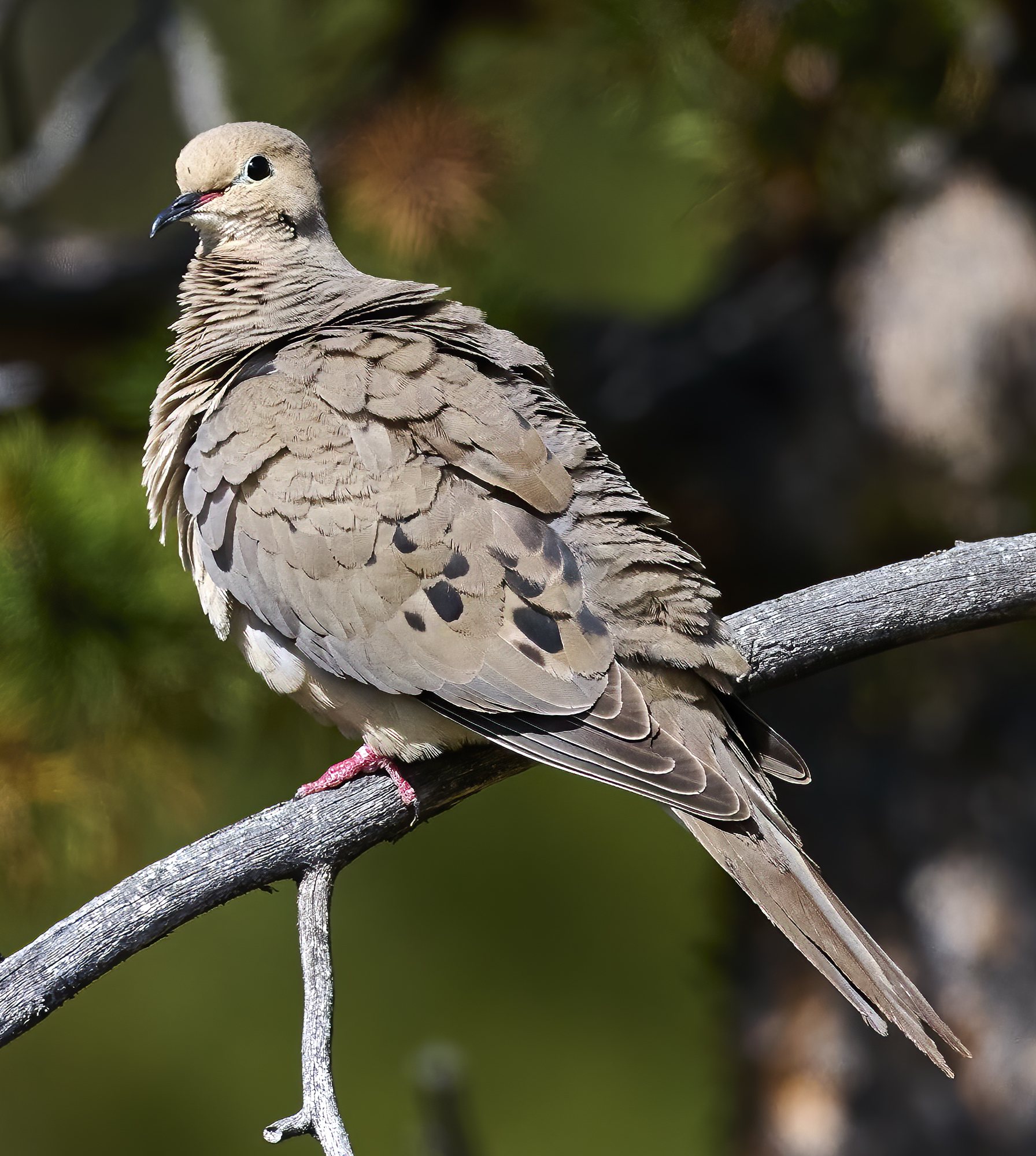
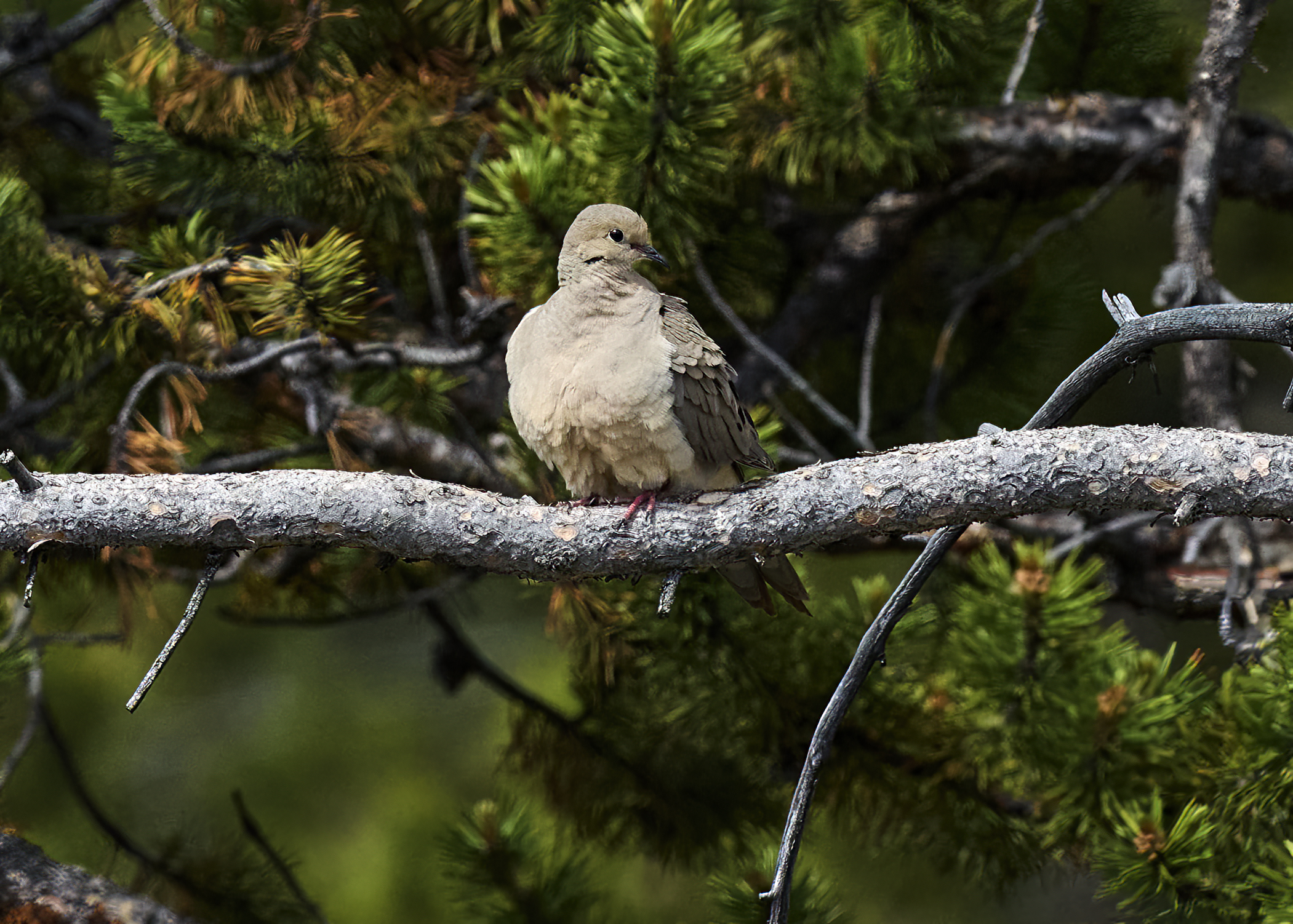
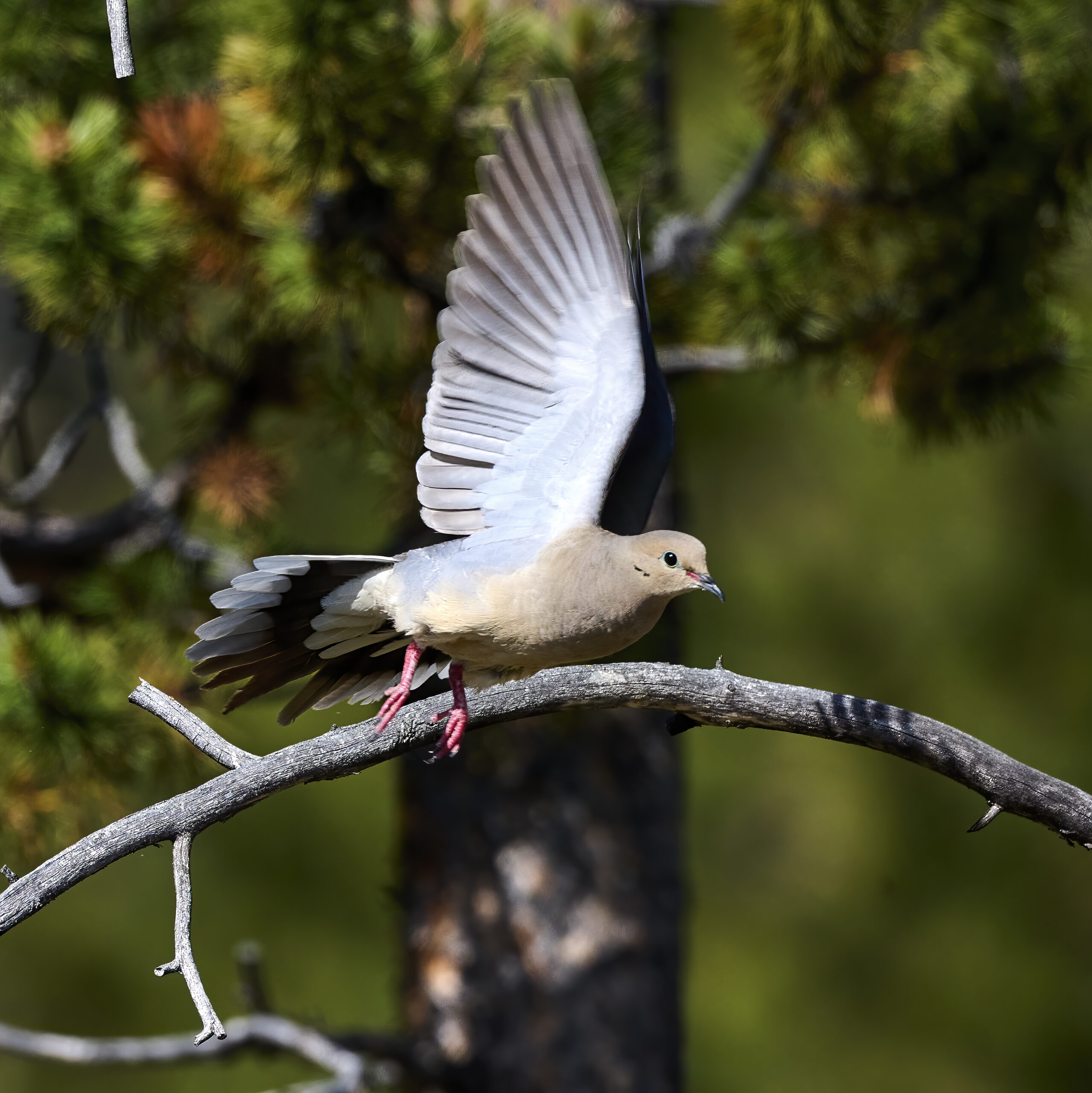
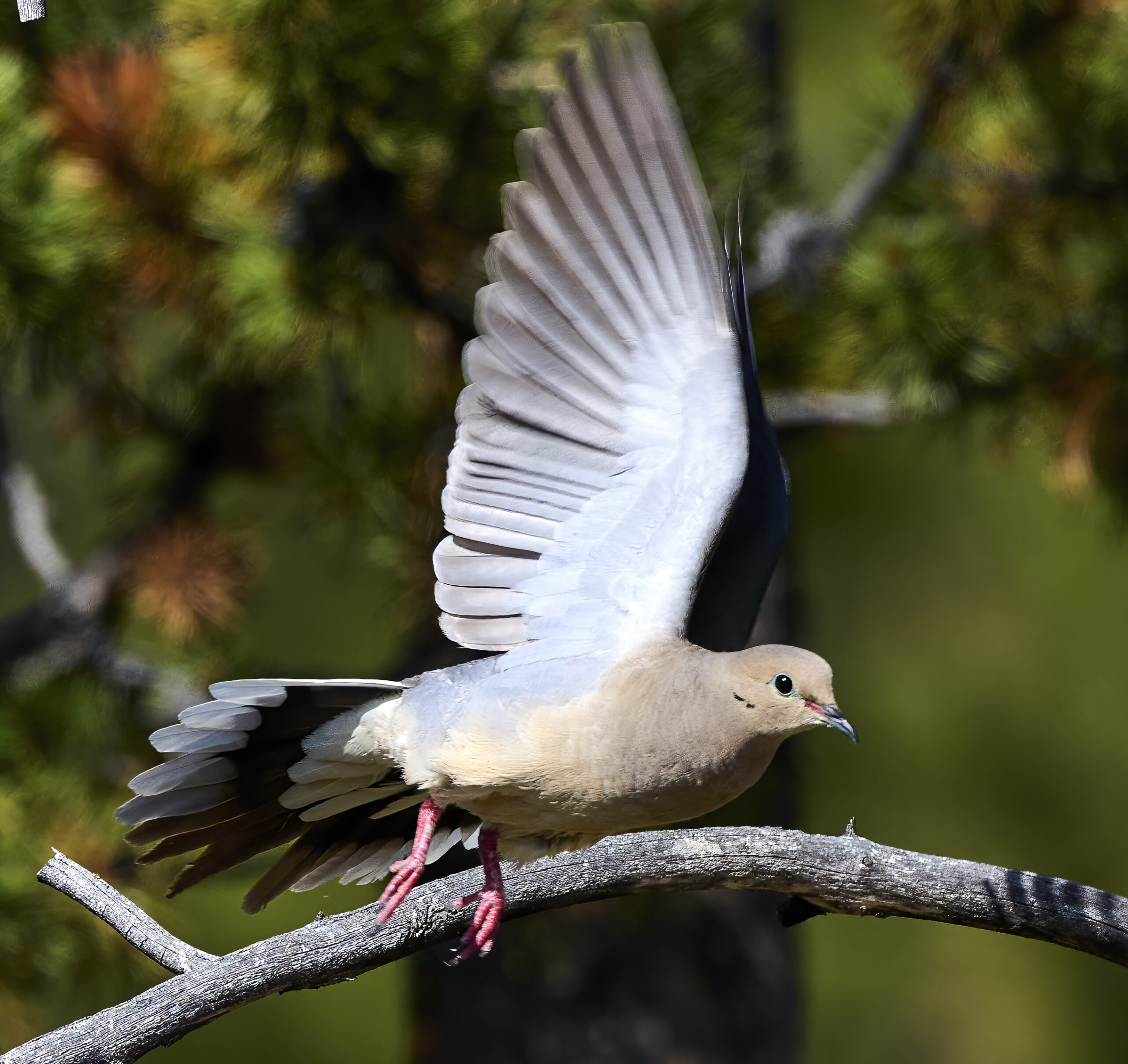
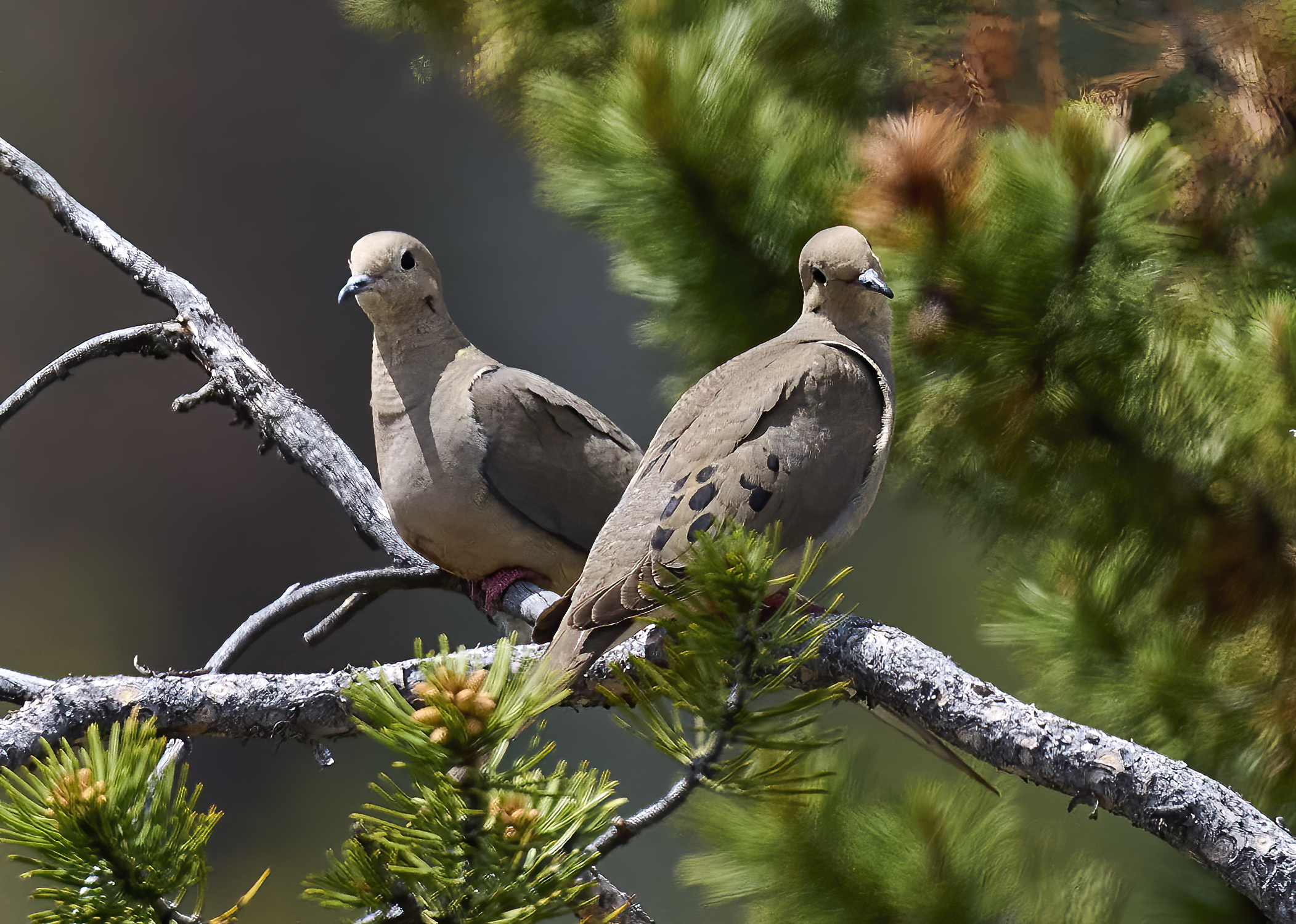
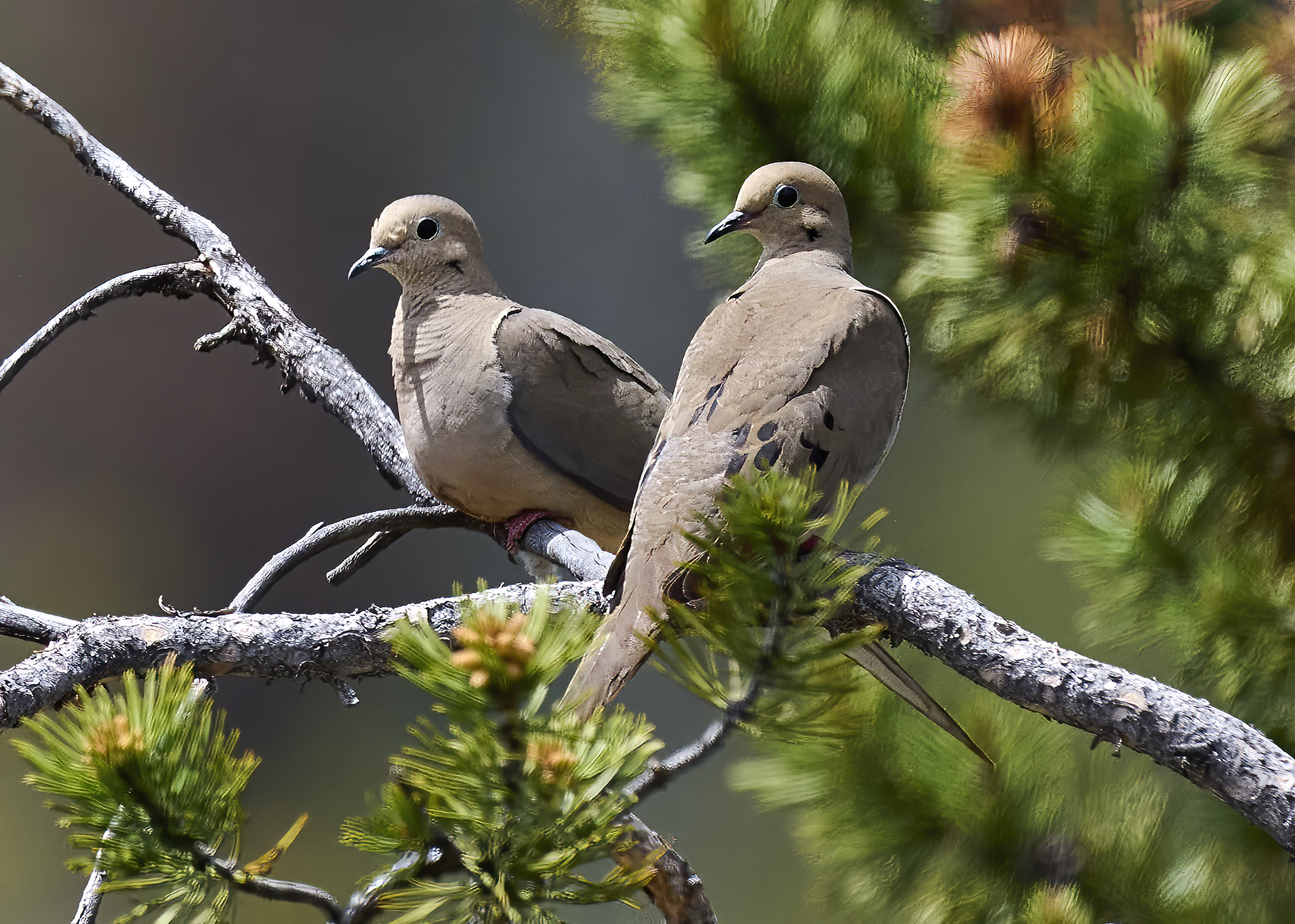
Capturing The Valley: Doves Out on a Limb

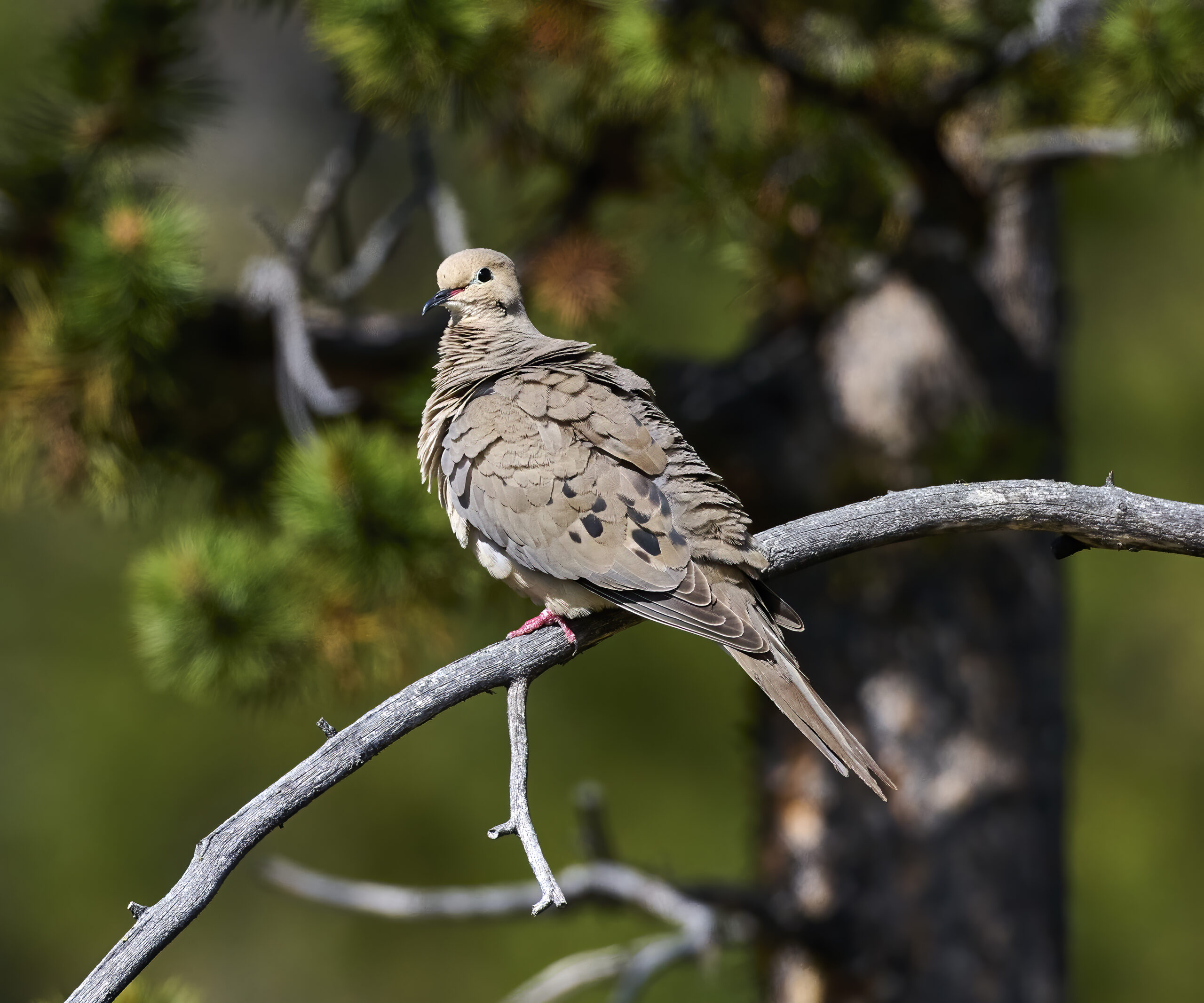
A family of doves reside at our cabin in the Sawtooth National Forest.  When on our property they spend most of their time observing the bird feeders from the limb of a Lodgepole Pine tree about 75 feet away.
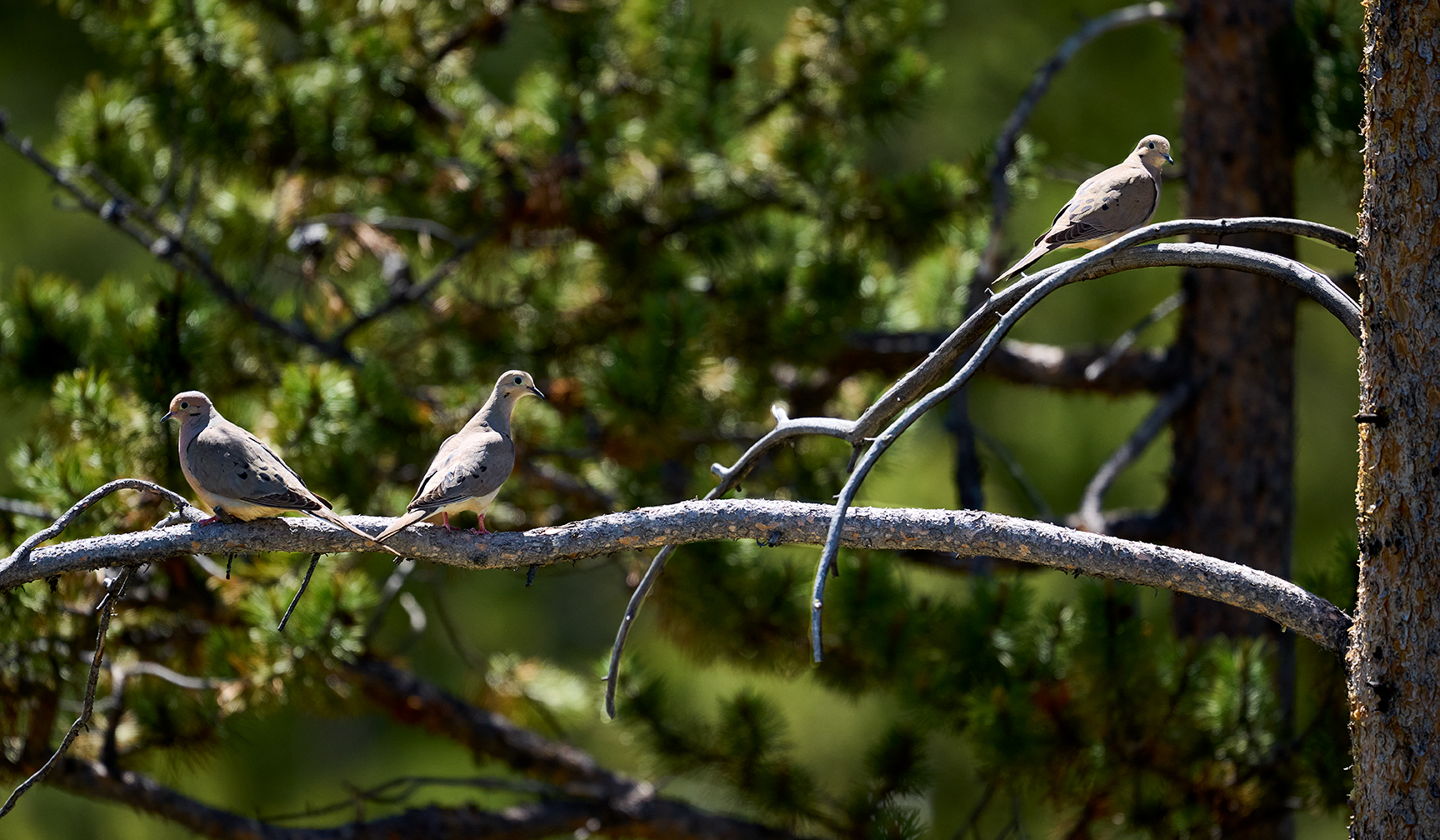
There appear to be six doves that hang around the house.  They do not frequent the feeders with the same regularity as the other birds.  The doves seem to focus on feeding on the ground near the feeders.
*** Jeff’s Worthless Trivia and Other Thoughts ***

One type of camera and gear that I utilize to photograph wildlife is the Nikon Z9 and Z series of lens. I used the Nikon kit to capture the for this Post images.

The Z9 can capture FULL FRAME 35MM Digital images with 14Bit Color and 45 Megapixels at 20 Frames per second.

So what do those specifications mean from a practical perspective?  It means high resolution images of the mourning doves with terrific color, and depth of field can be captured in a blink of their eyes.
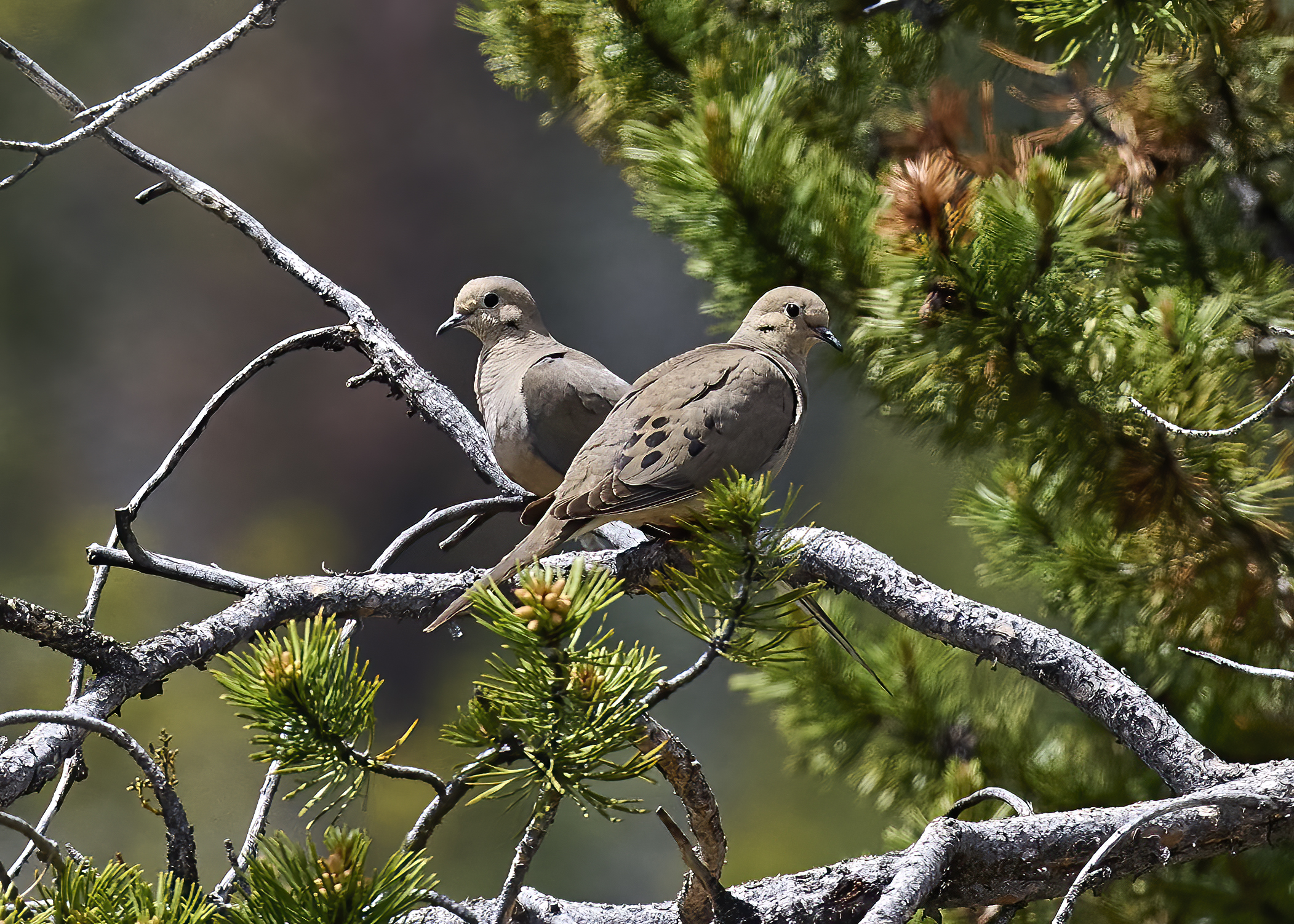
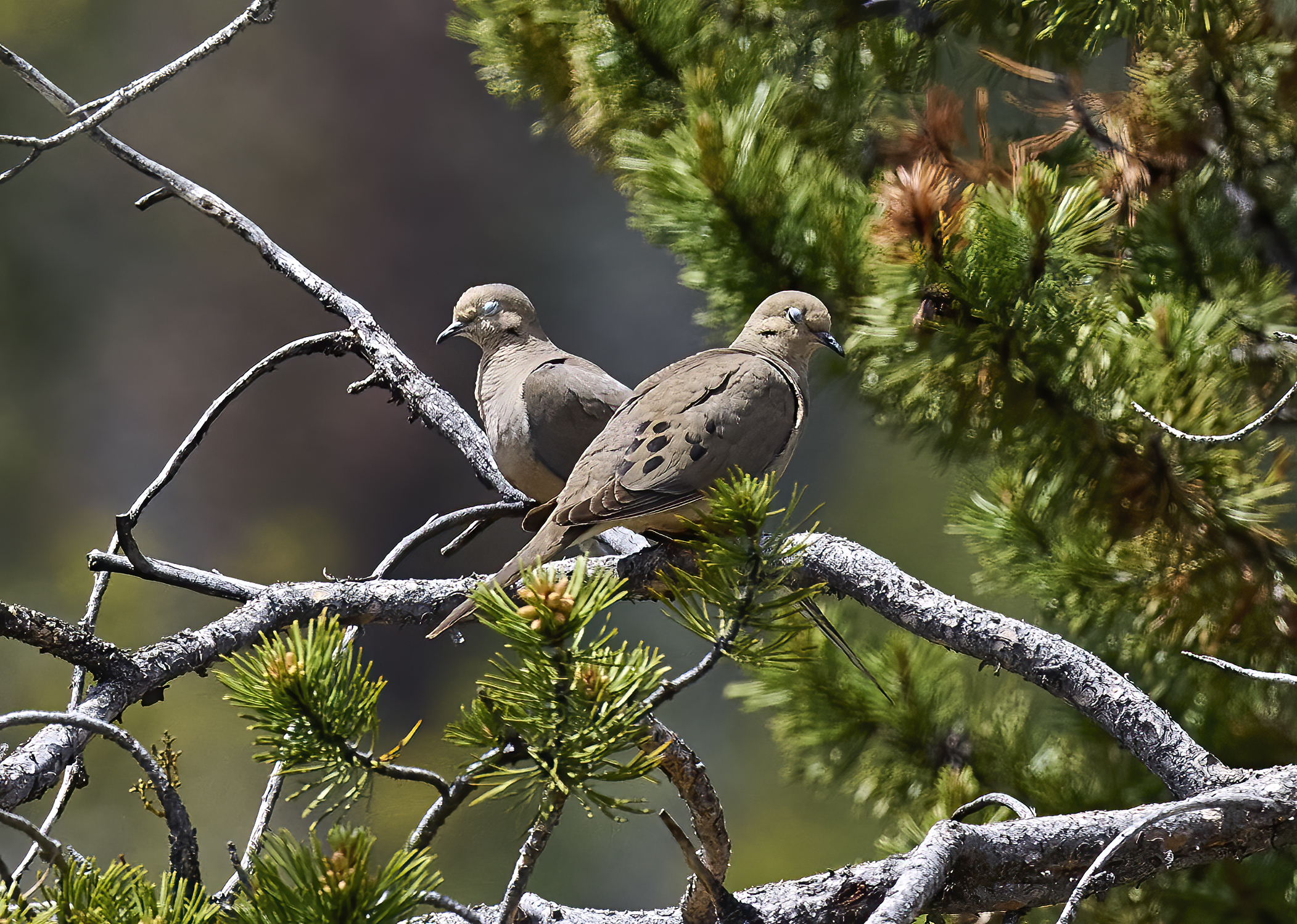
Specifically for this shoot I used the Nikon Z9 camera and the Nikon Z 400MM f/2.8, Nikon Z 560 MM f/4, and Nikon Z 800MM f/6.3 Prime lens’.

I photographed the birds in the early morning with the sun behind me to my left.

The camera is located about 150 feet from the birds.

I photographed with a Gitzo carbon-fiber Tripod.

I photographed with an Arca Swiss C1 Cube Head.  I used an Arca Swiss foot to replace the non Arca Swiss foot provided by Nikon.  The foot was placed on the Lens not on the camera body

I photographed at the camera and at times hidden from the birds view utlizing a remote trigger (PocketWizard PLUS IIIe with additional 10 PIN cable required for use with Nikon’s).

I photographed configuring the camera manually for its settings.  I sometimes use the extremely powerful setting combinations offered with the Z9.  However, more often than not, I like full control of the specific aspects and not ranges.

Depending on the light, the lens, and how much I thought the birds would move is used the following settings during the shoot:

Aperture: F/4.5 to f/11

Speed: 1/1250th of a second to 1/4000 of a second

ISO: 400 to 800

Focus:  Single Point and 3 dimensional tracking for Wildlife.

What did I use the most?  F/8, 1/3200 ISO 640 and Single Point.
 

Capturing The Valley: McGowan Cusp of Summer


Successfully completing springtime photo-shoots in Idaho has been tough in 2023.  Why?  The weather has not been cooperating.

Weather in the Wood River, and Salmon River basins in 2023 has been more like the late 1980’s and 1990’s. In other words – wet with great variability.  The 2000’s have proven to be much warmer and drier in the spring and fall.

Many of you are aware I like to have photo-shoots that offer something that can be observed and considered in context.  For example, I like exhibits to offer images with before and after comparison or shot on an equinox or solstice.

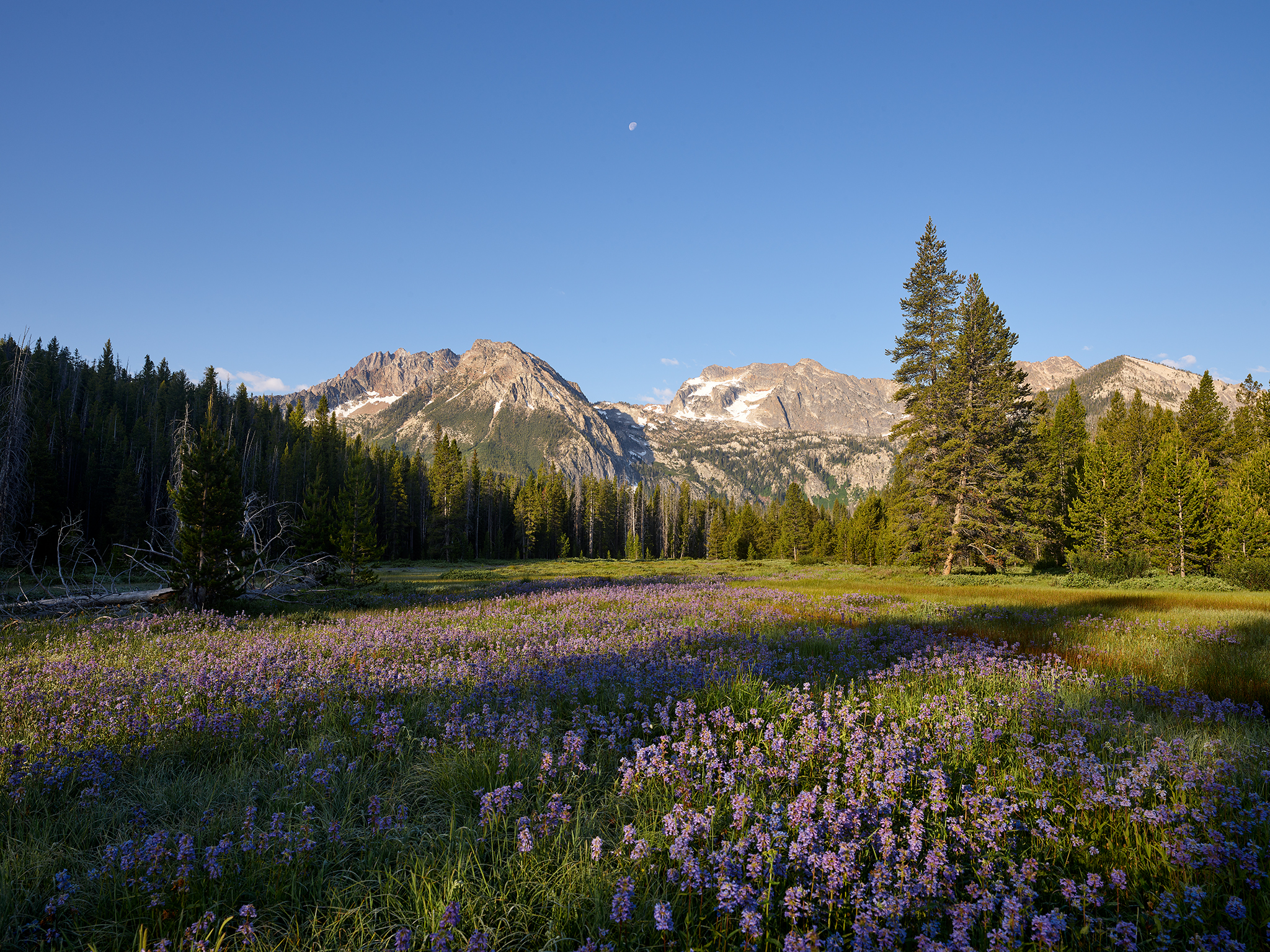
This year I wanted to capture an iconic peak at the summer solstice for sunset, under the night stars, and at sunrise. I chose McGowan Peak an icon of the Sawtooths as the subject.

Why?  McGowan is tough to capture in its most vivid possible state.  It is north facing with other large peaks nearby. Therefore, only the earliest of sunrises and latest of sunsets around the summer solstice provide the most compelling light.

The plan is to photograph McGowan over a 9+ hour period on the same day. As planning (or luck) would have it there would also be a New Moon (0% moonlight) and the Belt of the Milky Way would be at its height of visibility.

The weather service predicted overcast skies with possibility for rain to start the day and moving towards Clear Skies through the rest of the night and early AM.  “Great” I thought the plan is looking to stay “on Plan.”

The start of the day is not what the weather service predicts.  Stanley Idaho on June 20th, 2023 at daylight is being pelted with combination of popcorn snow, sleet and rain.  The temperature is in the low 20’s F.

The weather throughout the day is lousy; snow, sleet, and rain.  However, while the weather service changes its hourly prediction through 8PM, it says the weather will approach clear and then clear as predicted earlier.  Given the prediction, I head to Stanley Lake and McGowan Peak even though it is cold and rainy.

So… the weather service proves to be correct.  I will let you judge the results.

McGowan Sunset Cusp of Summer © Jeffrey H. Lubeck – MESH Art LLC – all rights reserved

McGowan Night Sky Cusp of Summer © Jeffrey H. Lubeck – MESH Art LLC – all rights reserved

McGowan Sunrise Cusp of Summer © Jeffrey H. Lubeck – MESH Art LLC – all rights reserved

*** Jeff’s Thoughts and Other Worthless Trivia ***

McGowan Peak is often misspelled.  It is named for one of the earliest residents in the Sawtooth Basin, George McGowan.  Many travel maps, tourism companies, and historical websites misspell it to be McGown Peak.  Official records of the U.S. Geographical Board have the name designation of “McGowan” submitted by the United States Forest Service on February 21, 1916, and approved on June 7th, 1916.  Relatives of McGowan living in Challis, Idaho have confirmed McGowan to be the correct spelling.

A story about the naming issue in the Idaho Statesman is [here].

An example of not getting my trifecta (i.e., sunset, under the stars, sunrise) in the same photo-shoot is Little Redfish Lake.  The weather would not cooperate.  While all the shots were good, the sunset and sunrise where not of the compelling brilliance the location can provide.  I did, I think at least, get a solid under the skies image.

Little Redfish Under the Night Sky © Jeffrey H. Lubeck – MESH Art LLC – all rights reserved.