Budapest is a beguiling city. The city is full of iconic buildings and museums. The city has a vibrancy and character to a greater degree than its neighboring Capital cities of Prague Czechia and Bratislava Slovakia. However its people often present themselves as distant or unfriendly.
Budapest was founded in the 9th century as three separate cities – Buda, Obuda ,and Pest. As with many cities and countries in Eastern Europe, Budapest and Hungary have a complicated history. Today Budapest is Hungary’s Capital city with 1.7 Million residents. It is a municipality of 3.3 Million residents. Today, there is a Buda side and a Pest side to the city. The split is made by the Danube River.
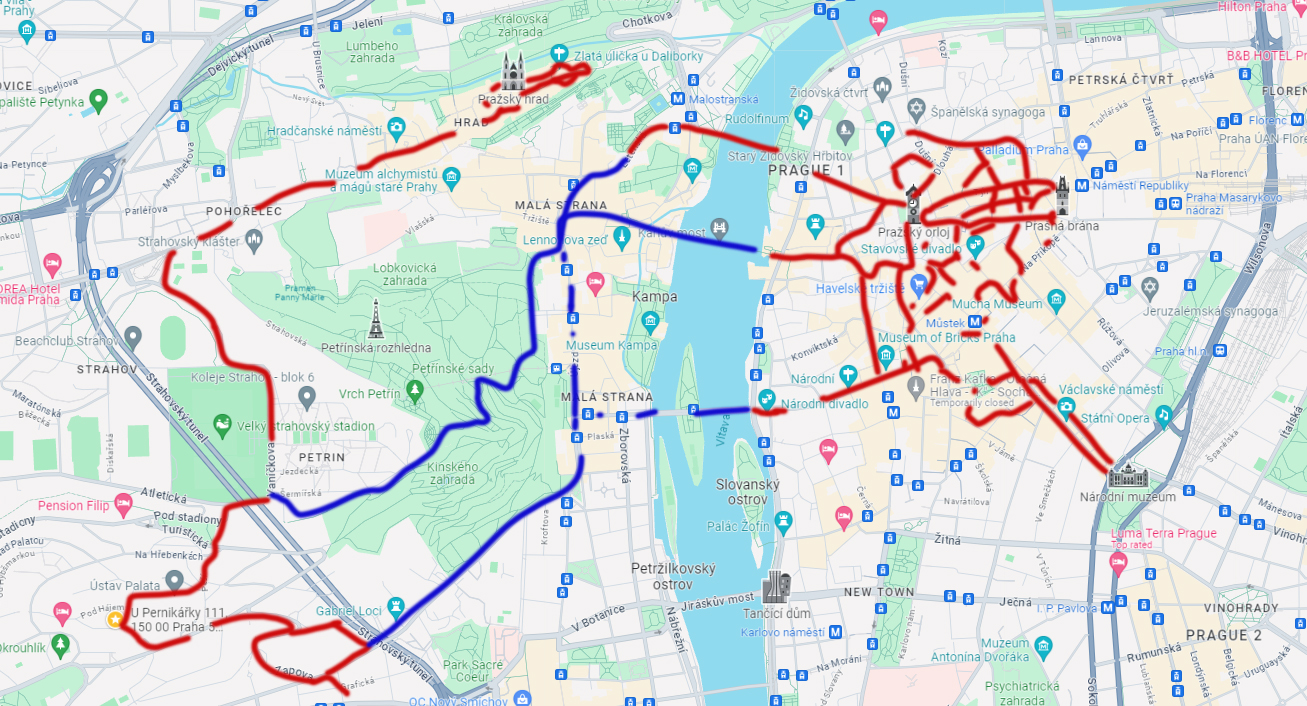
Linda and I would spend four nights in Budapest. We stayed in an apartment via a HomeExchange. There are eight major neighborhoods in the city and 23 districts in the municipality. We were able to cover all eight neighborhoods on foot. The public transportation system in Budapest is fully integrated (bus, rail, and subway). It is a superb system.
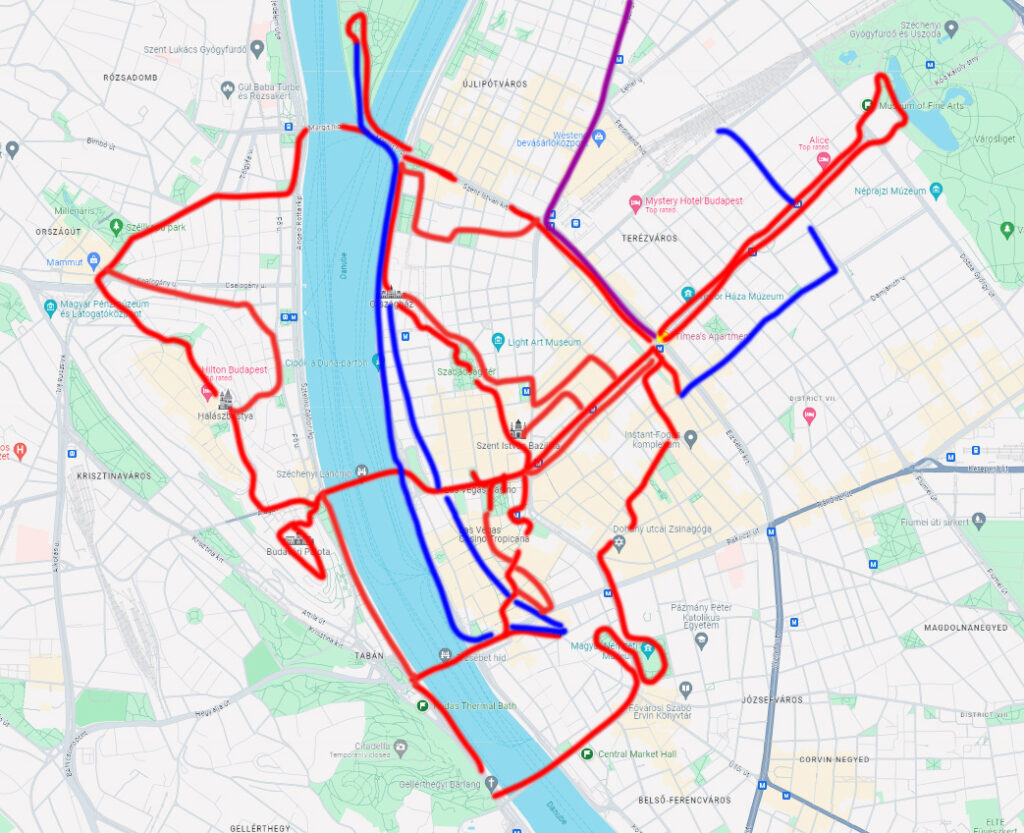
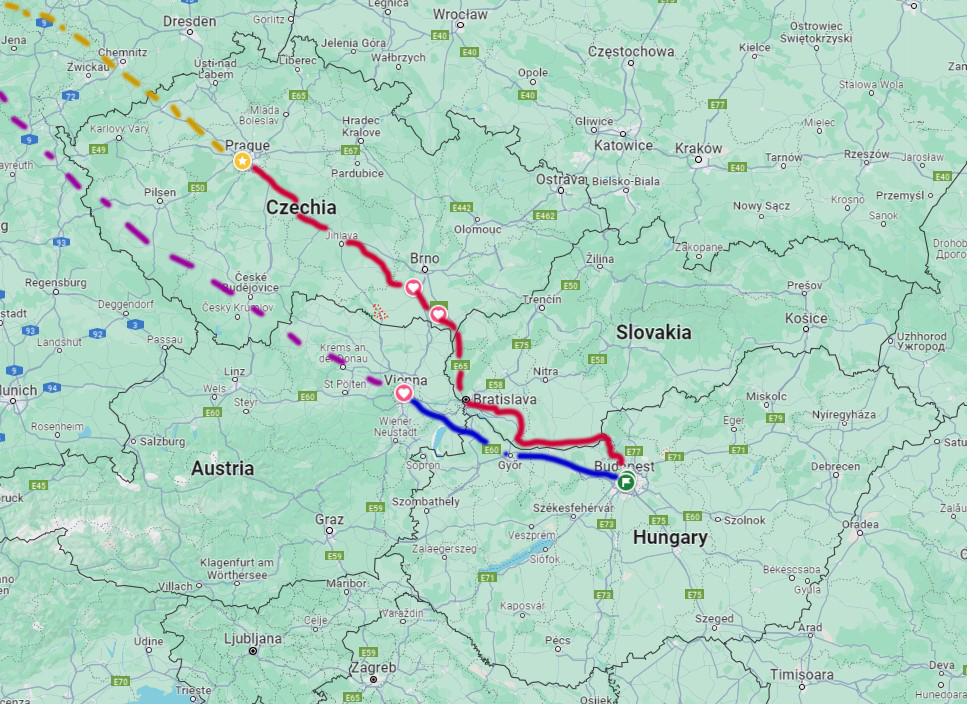
Purple Car. Blue Public Transportation. Red walking. Yellow our Apartment
The apartment was located dead center in the center of things in Budapest. The location allowed us to walk to everything we desired to experience.
So what did Linda and I like the most in Budapest?
Walking Town with Quick Access to Public Transportation
If you like to walk a city and soak in what is it all about, Budapest is top notch. The city contains a superb combination of wide boulevards with active business establishments, non vehicular public squares and neighborhoods. We used the public transportation at times, and it proved to be terrific.
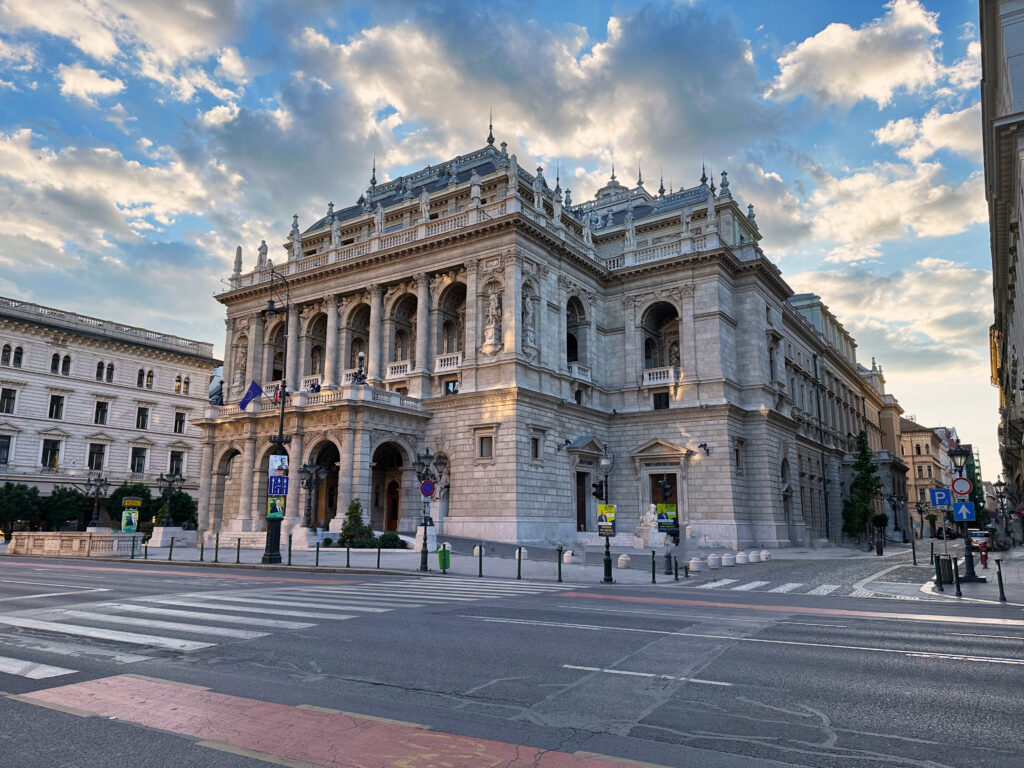
Our apartment was located at Andrassy and Terez. I would suggest experiencing Andrassy Avenue from end-to-end on both sides. Consider Andrassy as it own attraction. It possesses spectacular architecture, different types of business’, and acts as a conduit to other big attractions. For example, The State Operahouse, is one block from our apartment. It is an eye magnet.
 |
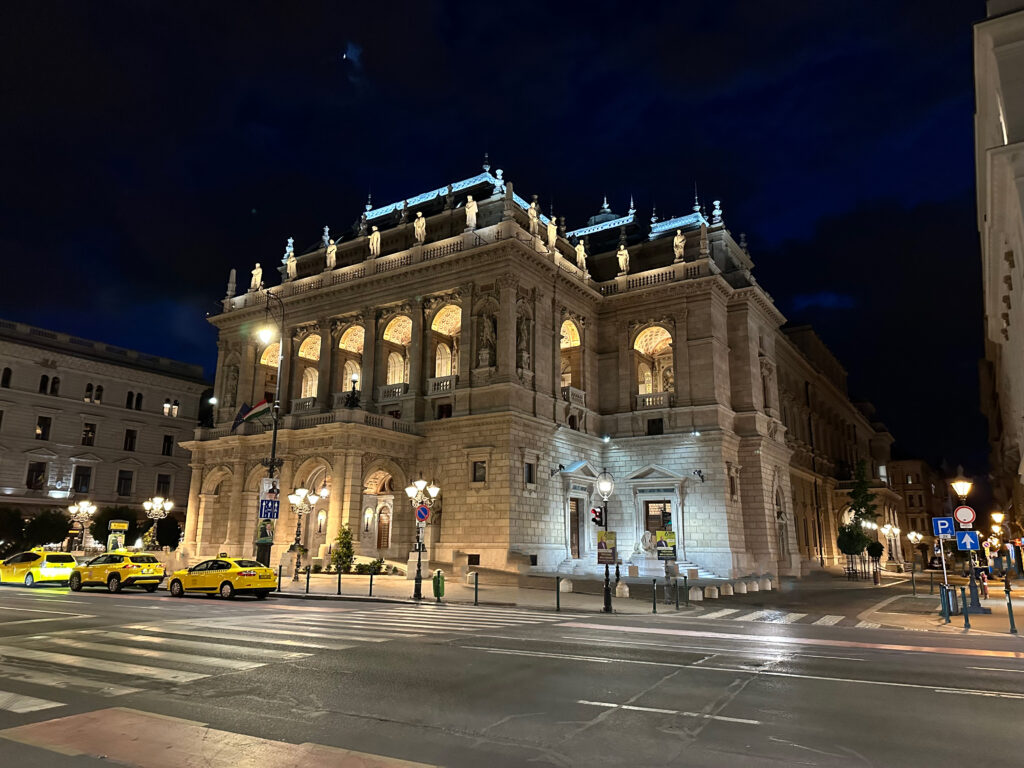 |
| The State Operahouse on Andrassy | |
 |
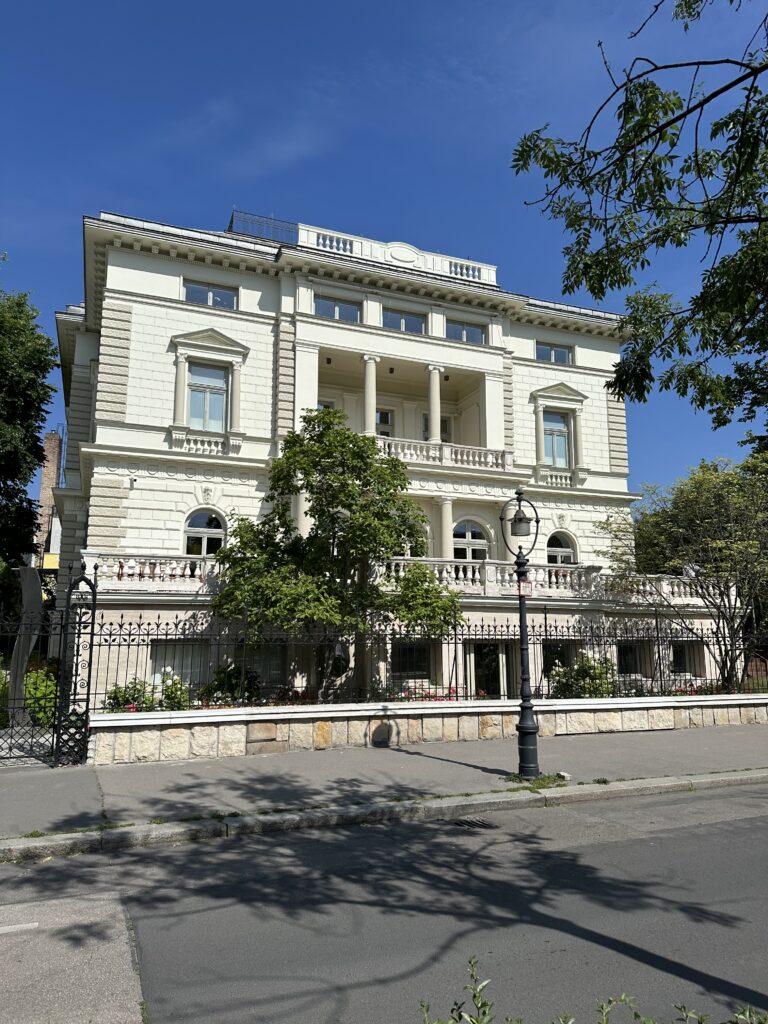 |
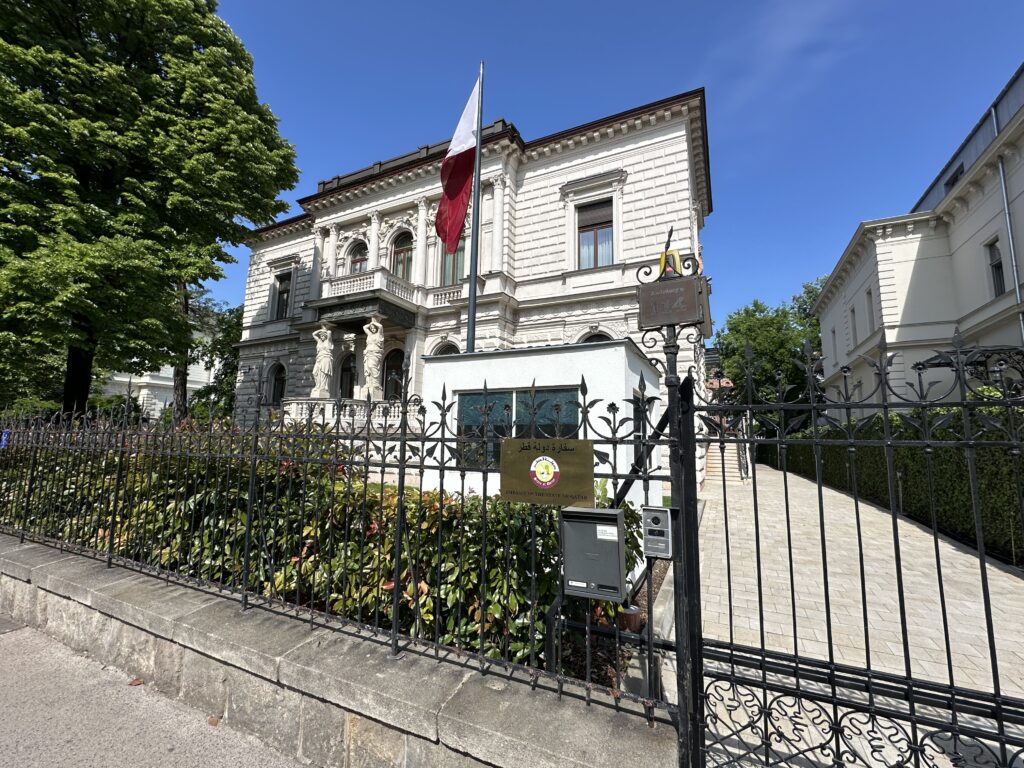
| Embassies, Mansions, Boutique Hotels, and Private Museums line Andrassy Avenue | |
 |
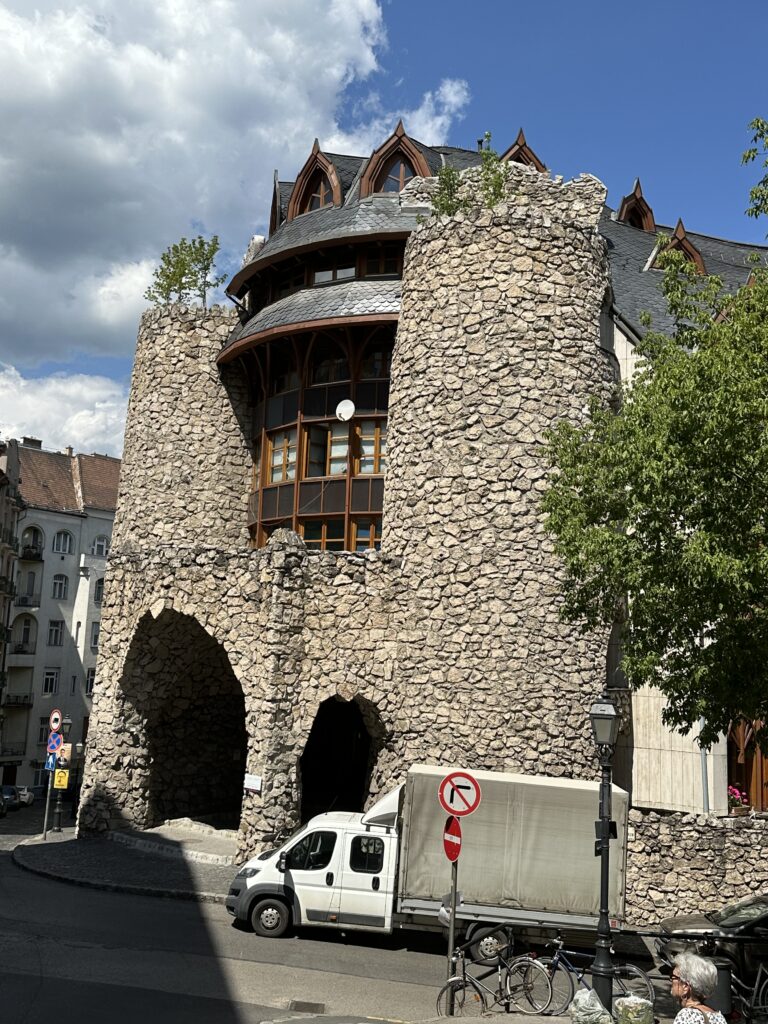 |
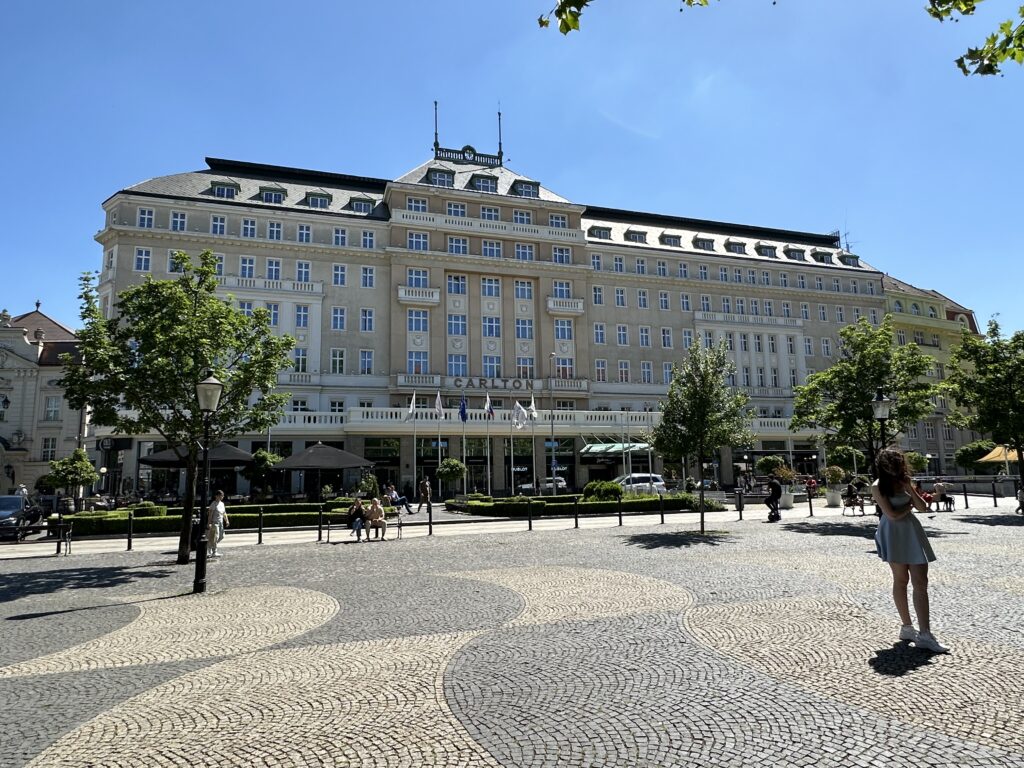
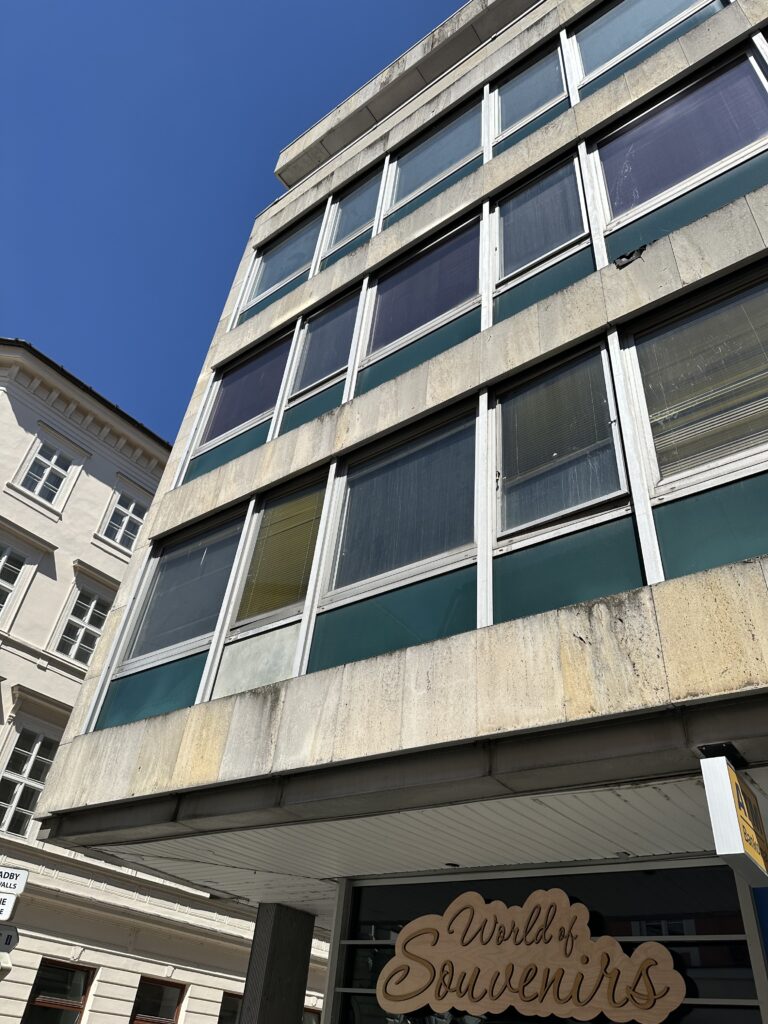
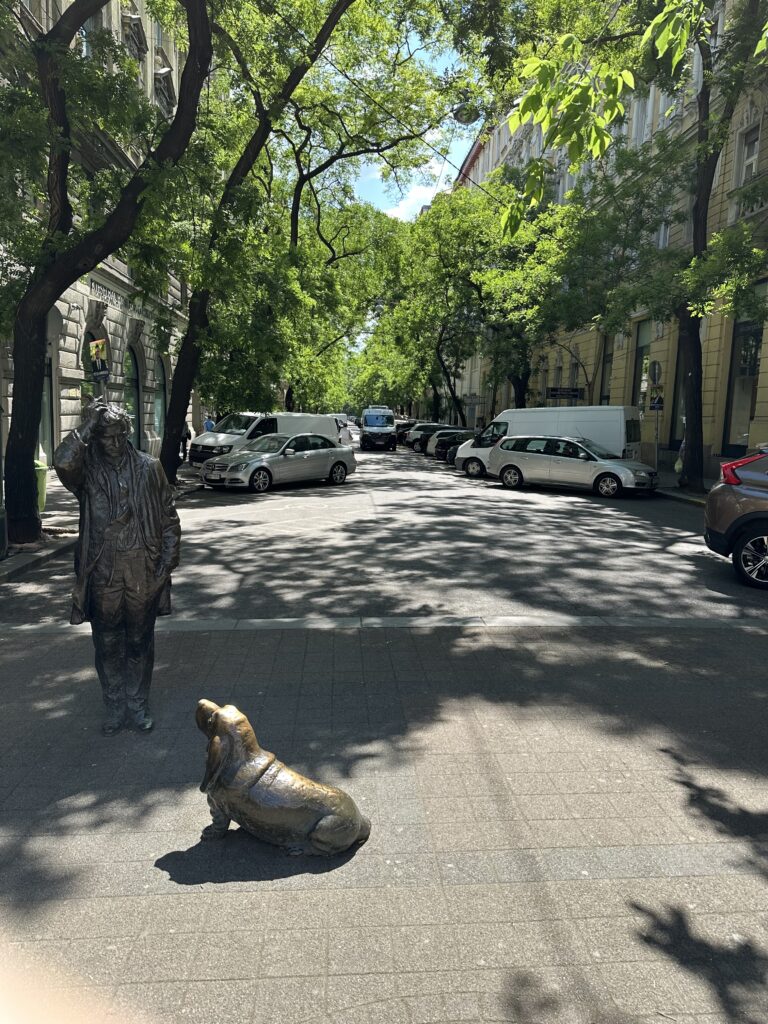
| Treelined Streets and Neighborhoods. Diverse Architecture | |
 |
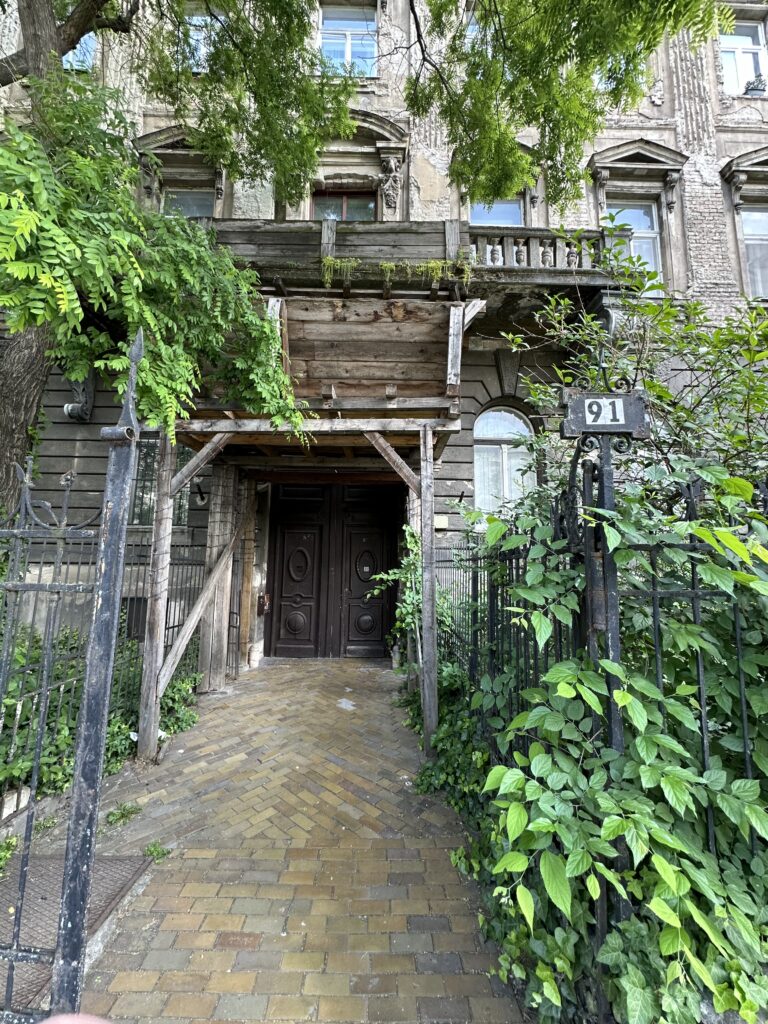 |
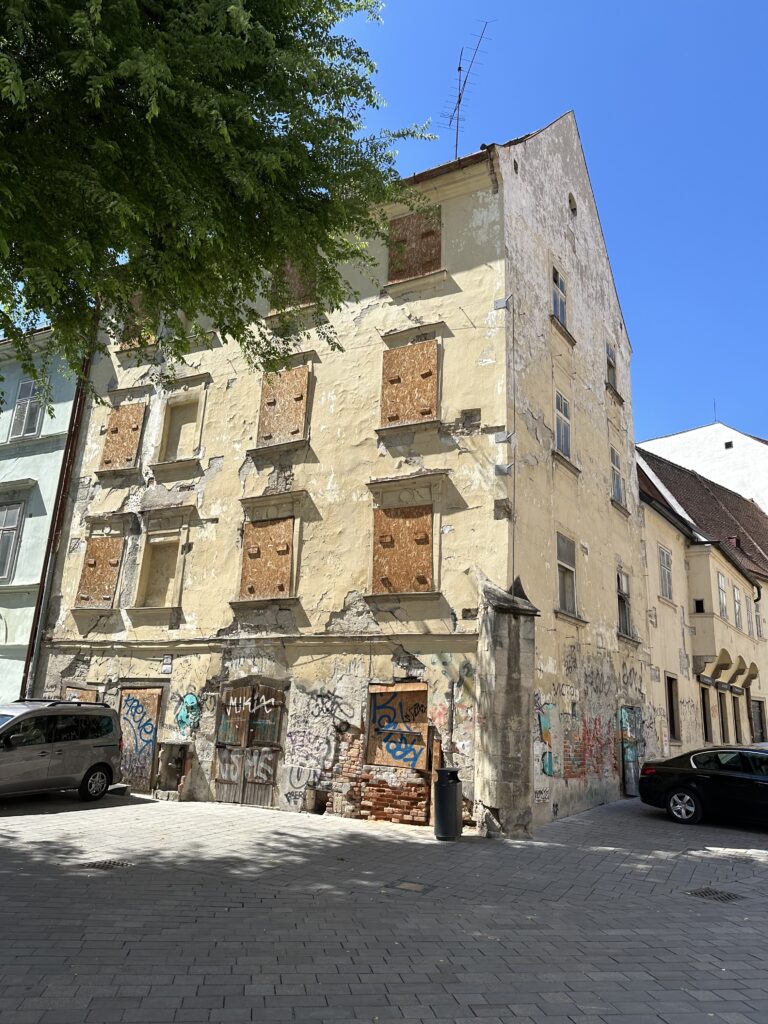
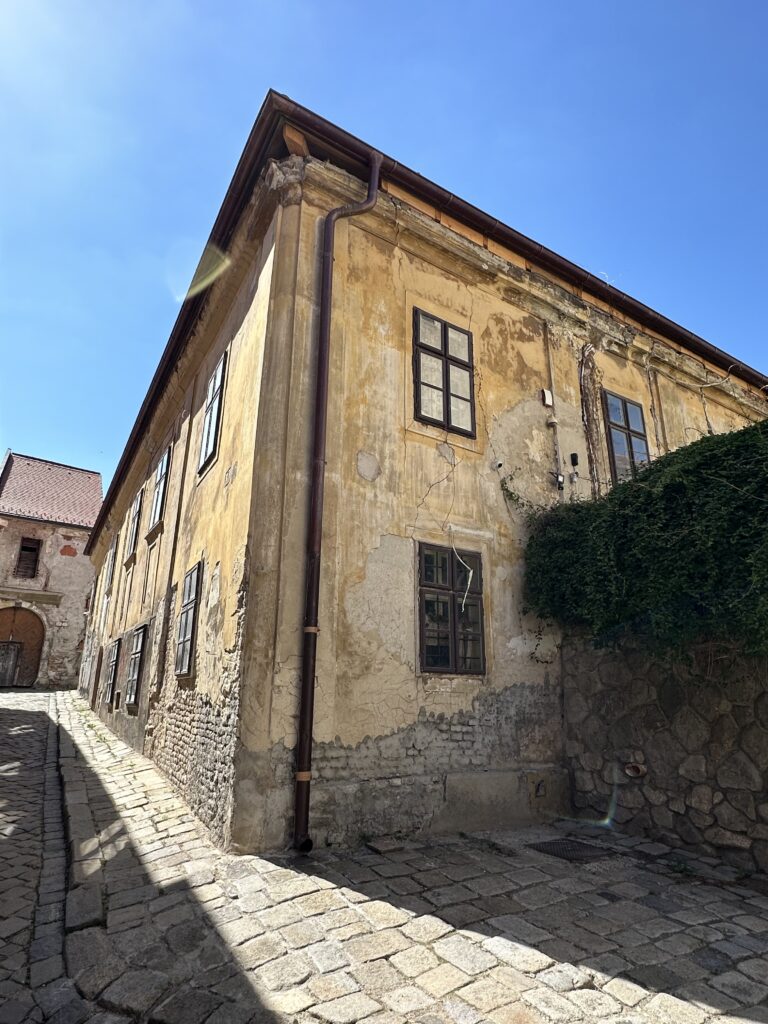
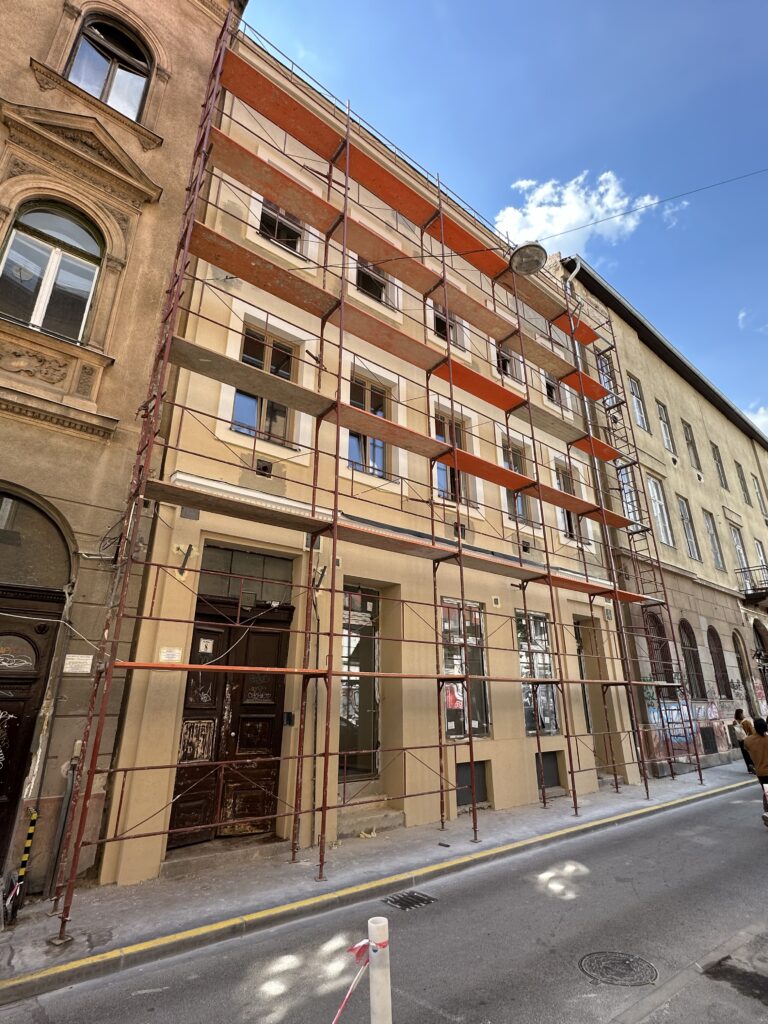
| Renovation and Abandonment on scales small and large | |
Danube – the River that Connects, Distinguishes and Separates Budapest
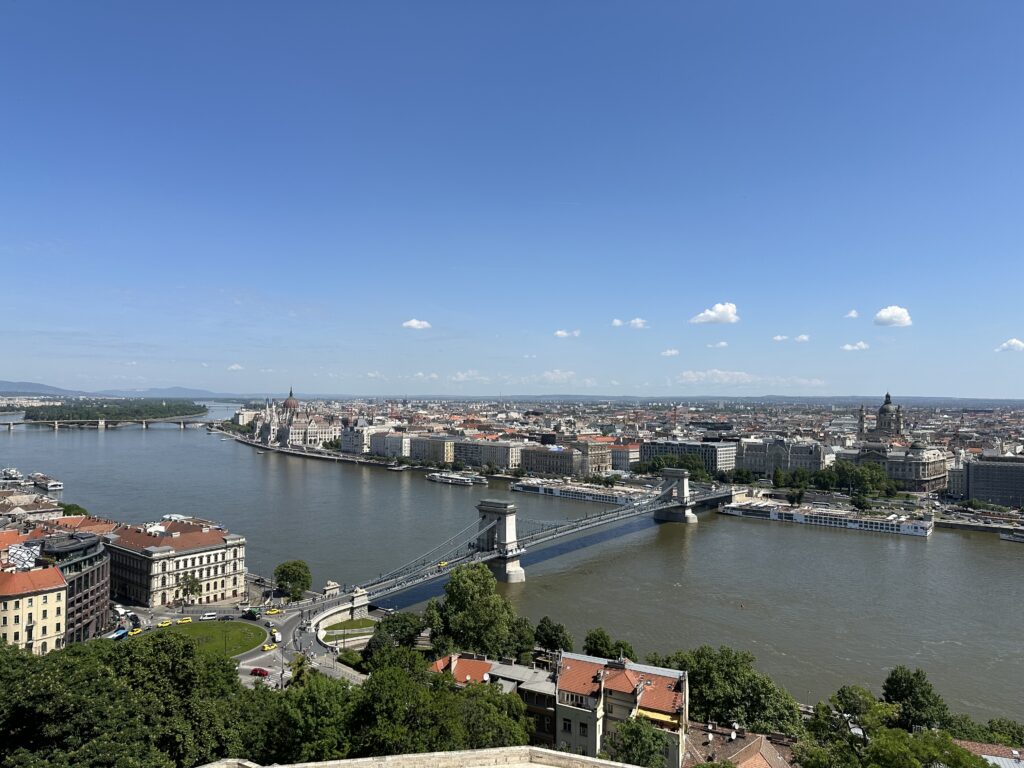
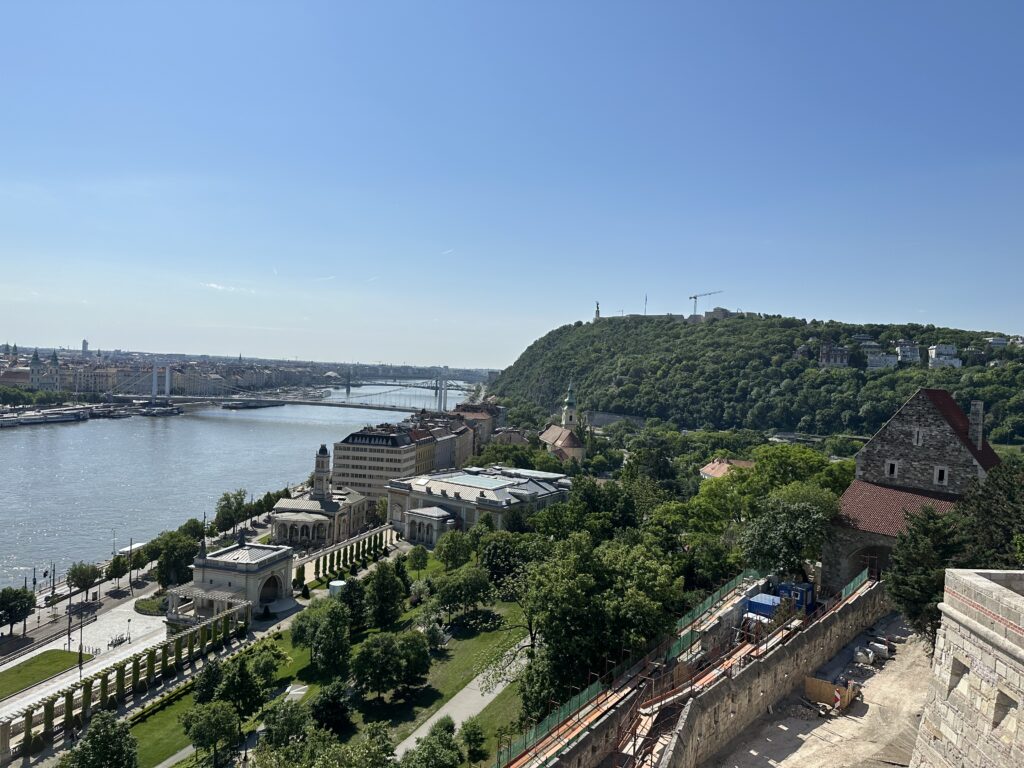
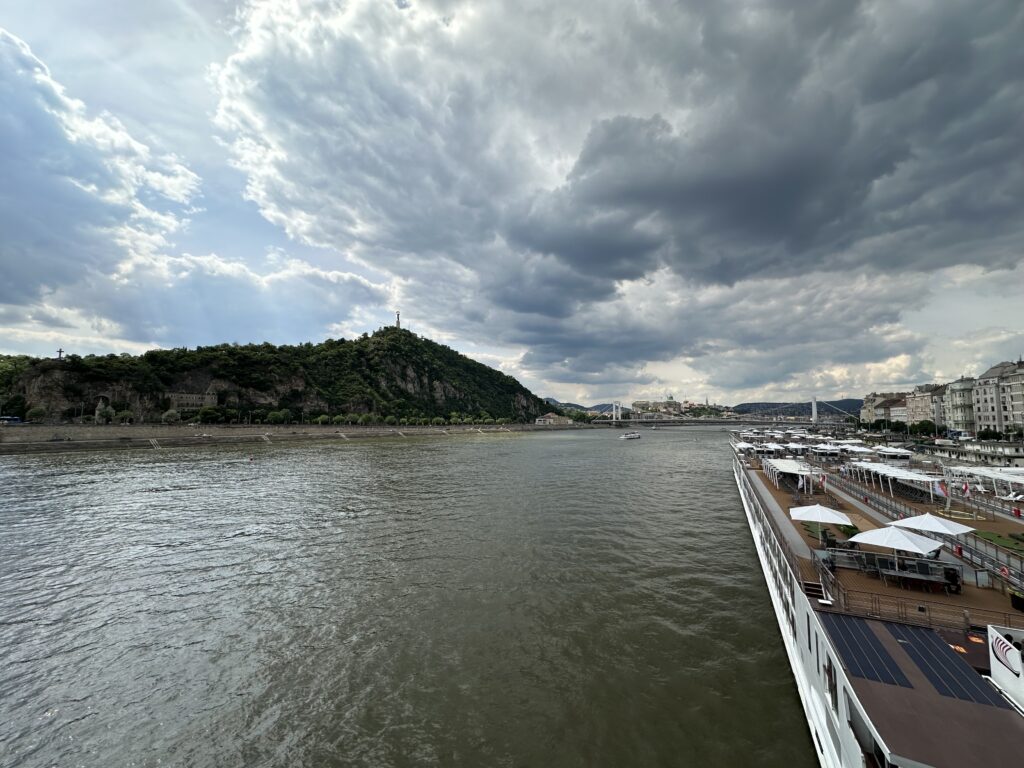
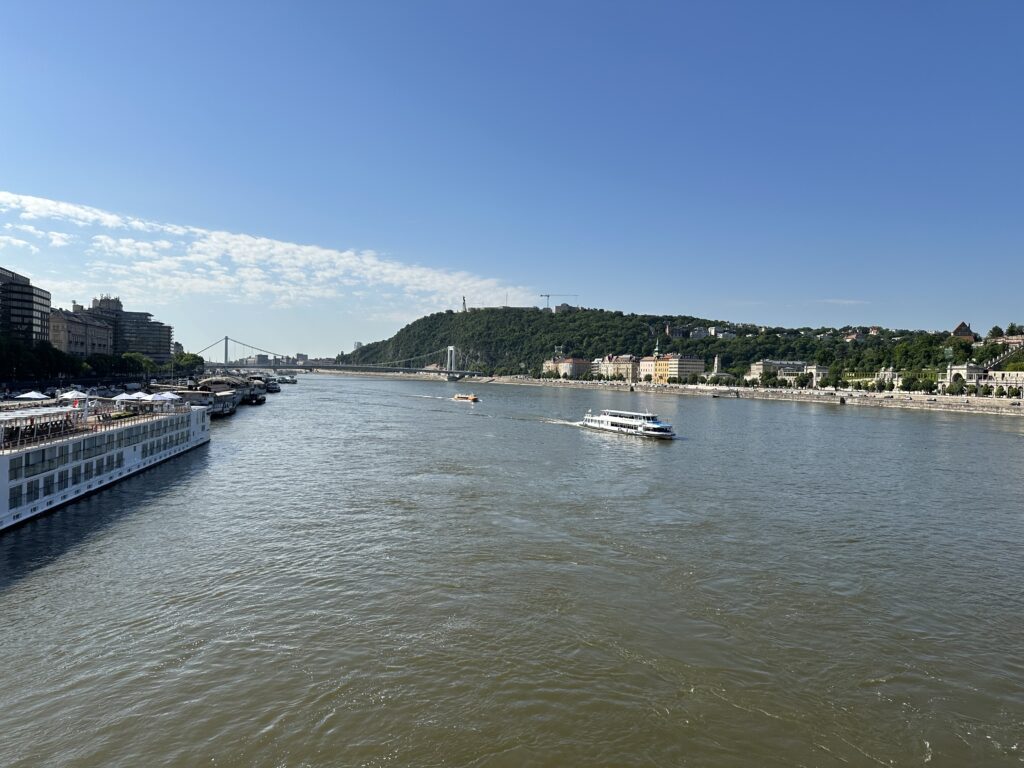
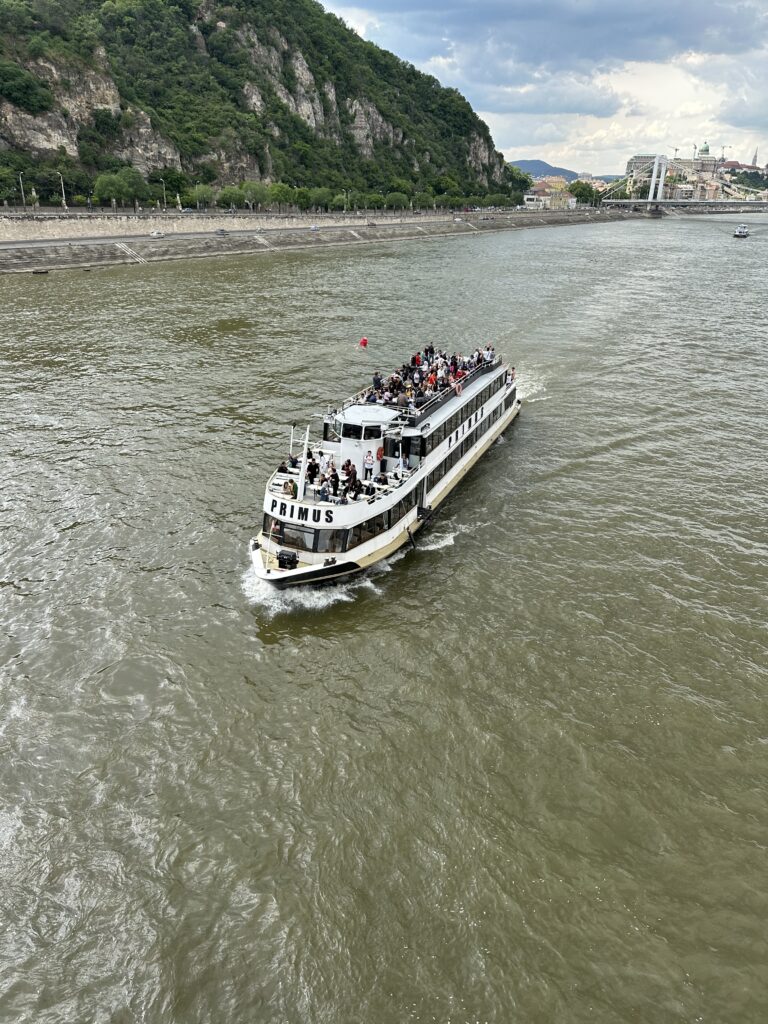
The Danube River is big and wide in Budapest. We experienced the blue aspect of the Danube on the cross country trip into Hungary from Slovakia and Czechia. The story about that trip is located [here]. The Danube is mostly a working river. The boat trips for tourists are prevalent and varied. Each side of the river has busy thoroughfares. There are four main bridges that cross the river in Budapest. Each nicely accommodates walking pedestrian, vehicle, and public transportation. We were able to walk across all of them. It proved to be well worth the time.
 |
 |
 |
 |
 |
|
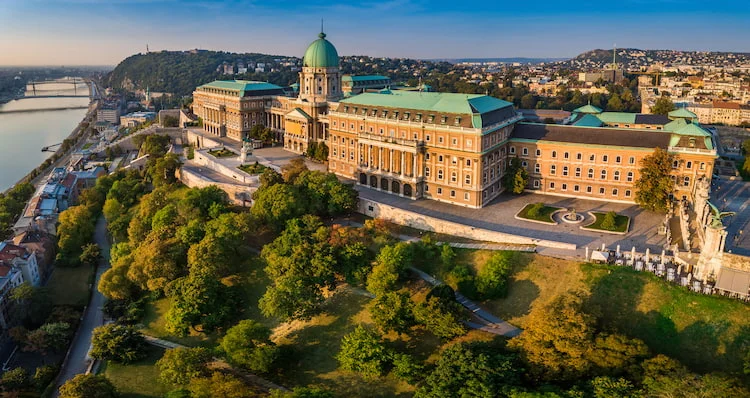
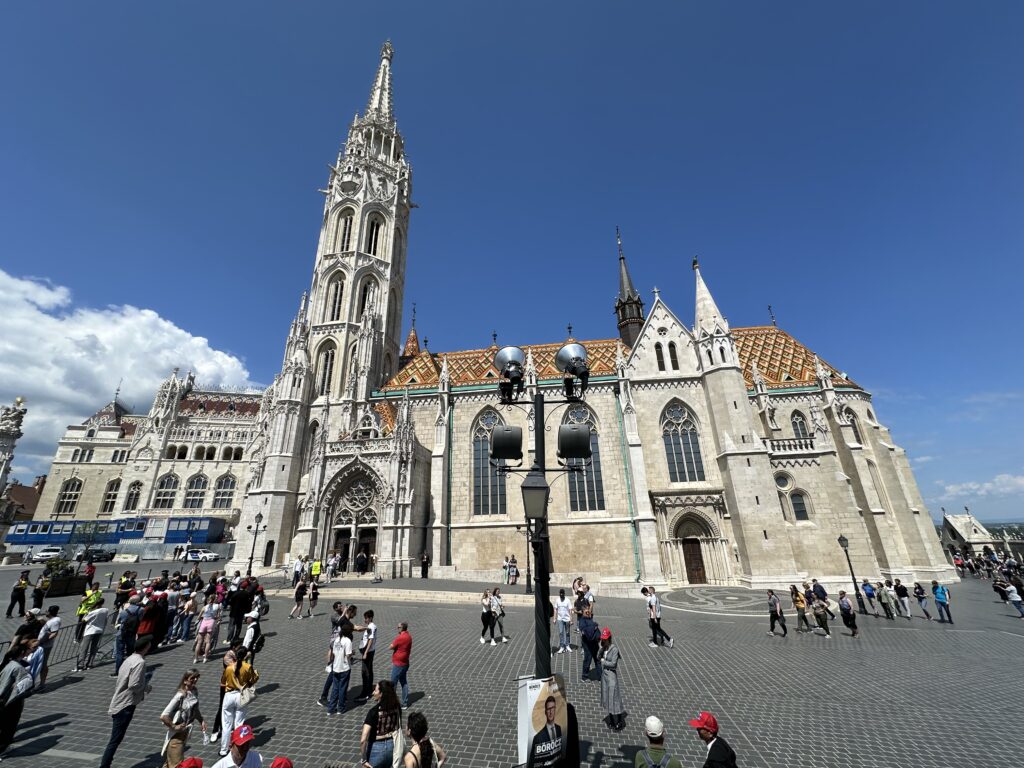
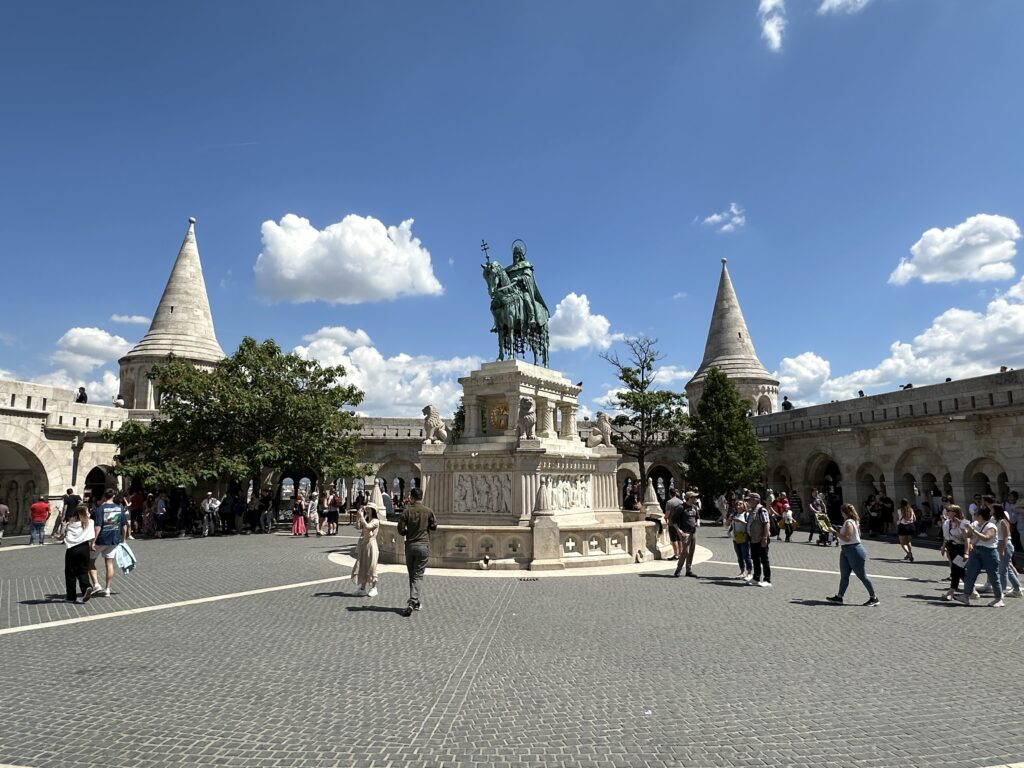
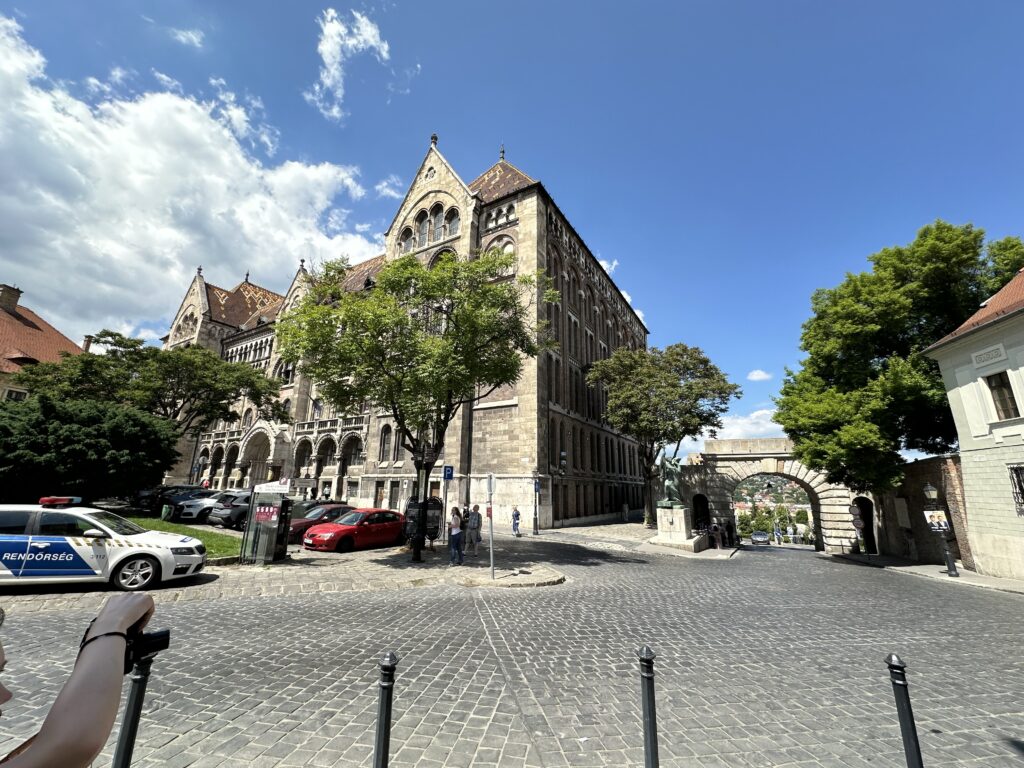
Budapest Castle and Castle District
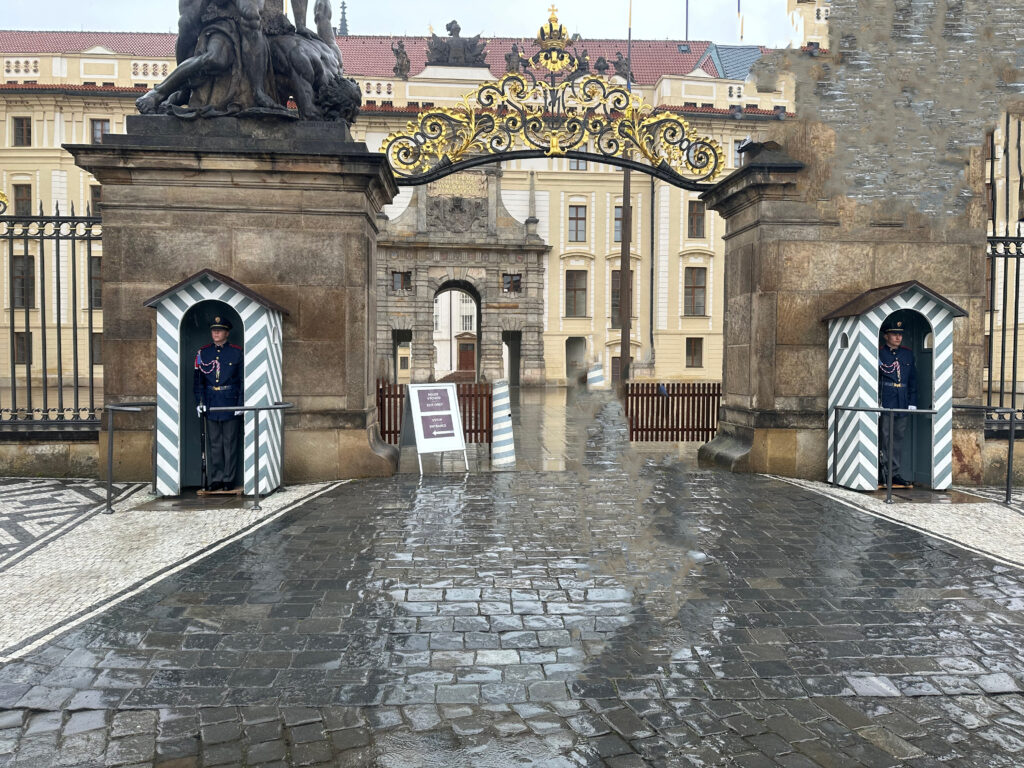
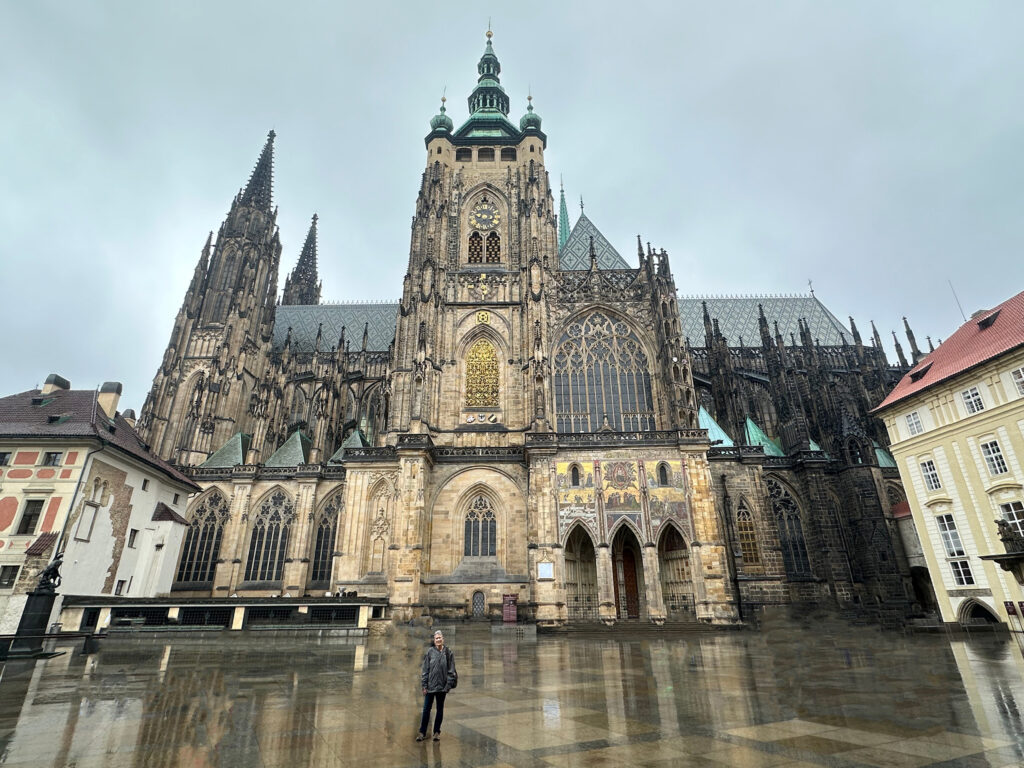
A visit to the Prague Castle and the Castle District is highly recommended. However, in 2024 the result of the visit was a mixed bag. The Castle and its grounds is undergoing a heavy duty level of reconstruction and refurbishing. Therefore some areas of the castle and grounds are not accessible.
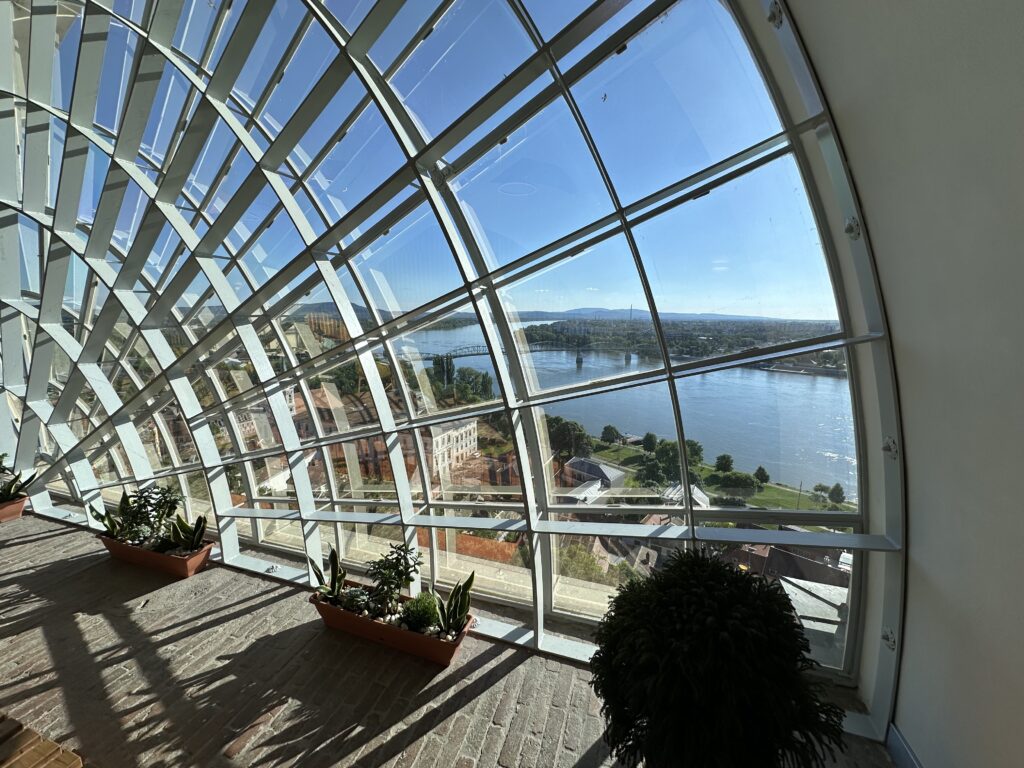
The views of the region from the Castle grounds and Dome are stellar. The National Gallery, Museum of History, and National Library are nothing short of superb. A walk of the Castle District is a joy.
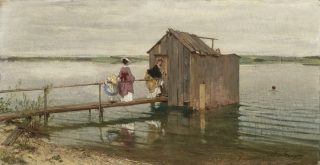
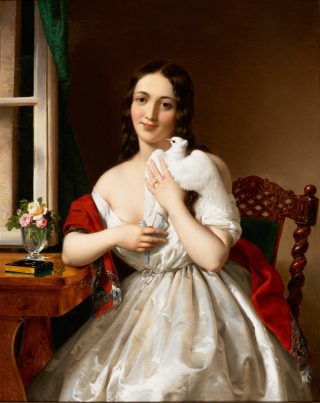
Hungarian artists gained world-wide recognition as Portrait and Landscape painting rose to prominence. I had hoped their works would be well represented in the museums. I was not let down. The museums also had examples from many of greats from the 19th century forward.
 |
|||
 |
 |
 |
 |
 |
 |
 |
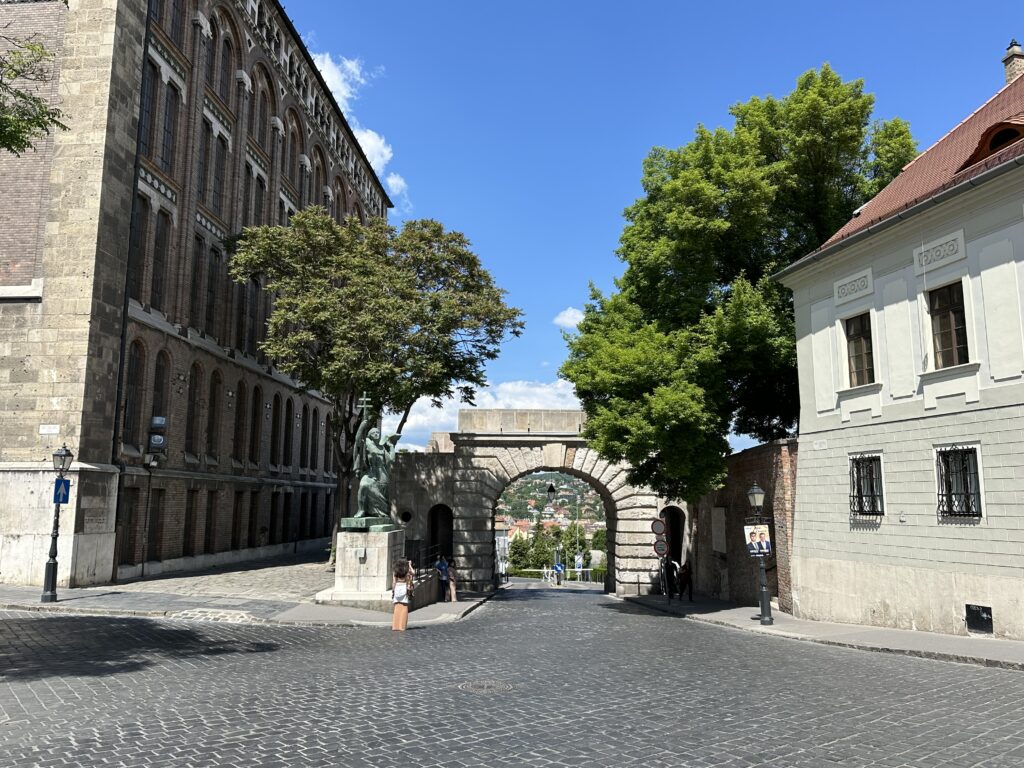 |
We chose to walk south to north from the Royal Palace and Castle up through Mattias Church, and Fisherman’s Bastion all the way to the Vienna Gate on Castle Hill. We combed through the neighborhoods and parks – which was rewarding. Linda and I headed north and back down to the Danube crossing the river on the Margit (Margaret) Island Bridge, with a return to our apartment exploring the neighborhoods as we progressed.
Beguiling Margit (Margaret) Island
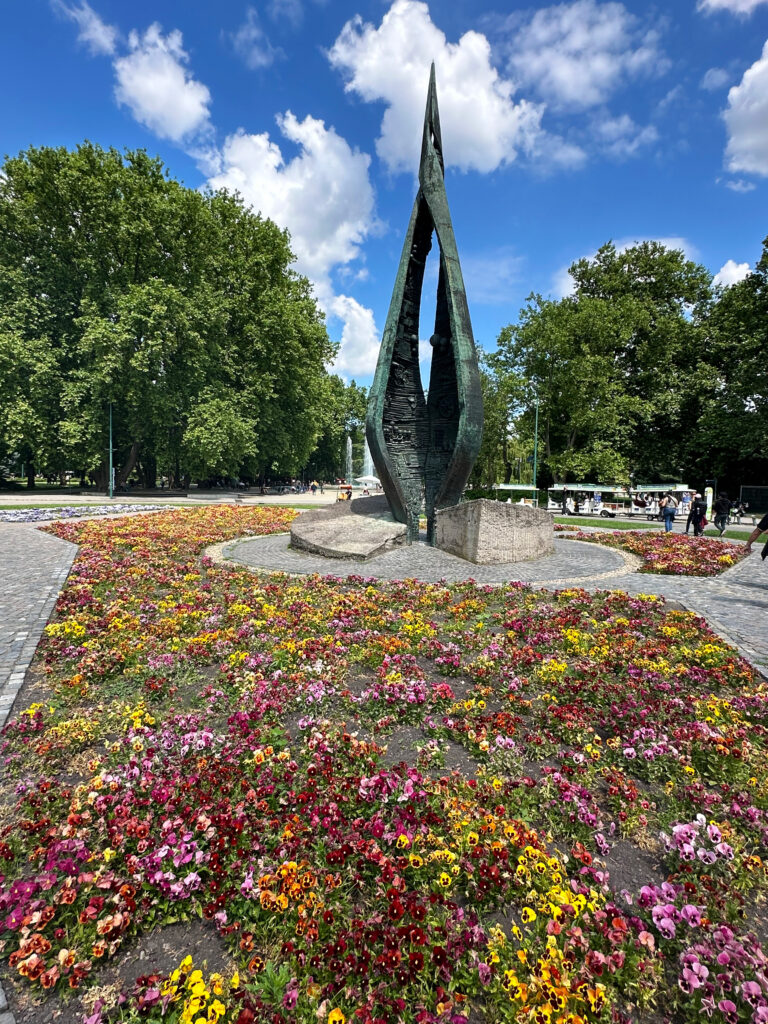
Linda and I noticed Margaret Island upon entering the city. We knew little about it. Today, it is large landscape park in the middle of Budapest on the Danube River. The island serves the residents of Budapest on a whole host of fronts. It serves them exceedingly well. However, people seem to appreciate it equally in return. Linda and I chose to walk to the island as part of another day of adventure. What a treat is was to discover and experience the island.
 |
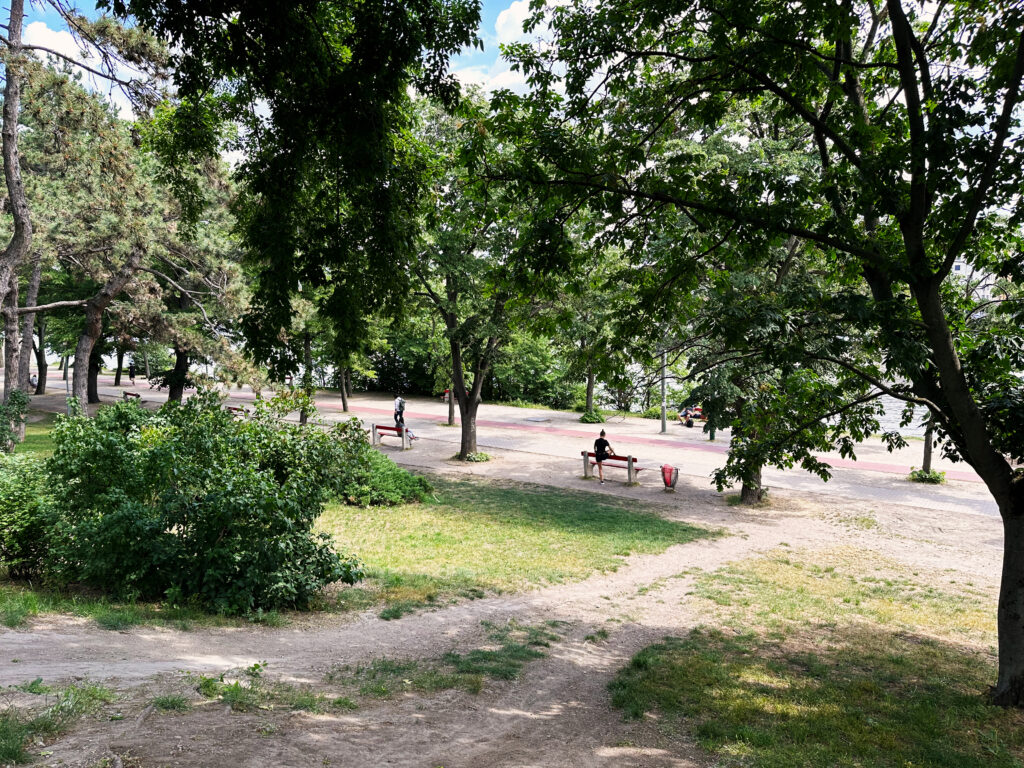 |
The island was first settled in the early 1200s. It was originally three islands – the Festő (Painter), the Fürdő (Bath) and the Nyulak (Rabbits). They were connected in the 19th century. The history of the island is no different than the rest of Eastern Europe – complicated. On the island are facilities for recreational sport, running trails, the City’s Zoo, and ruins from the 13th, 14th,15th and 16th centuries.
Museum of Fine Arts
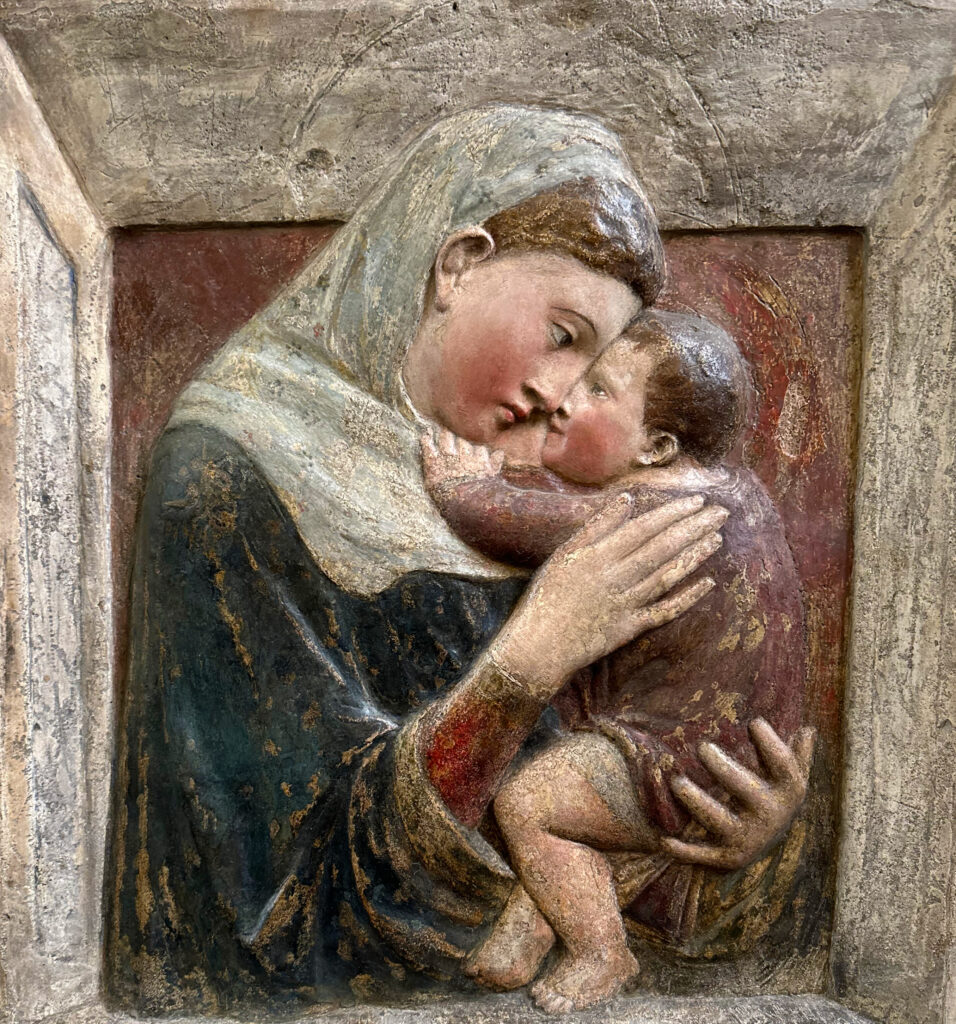
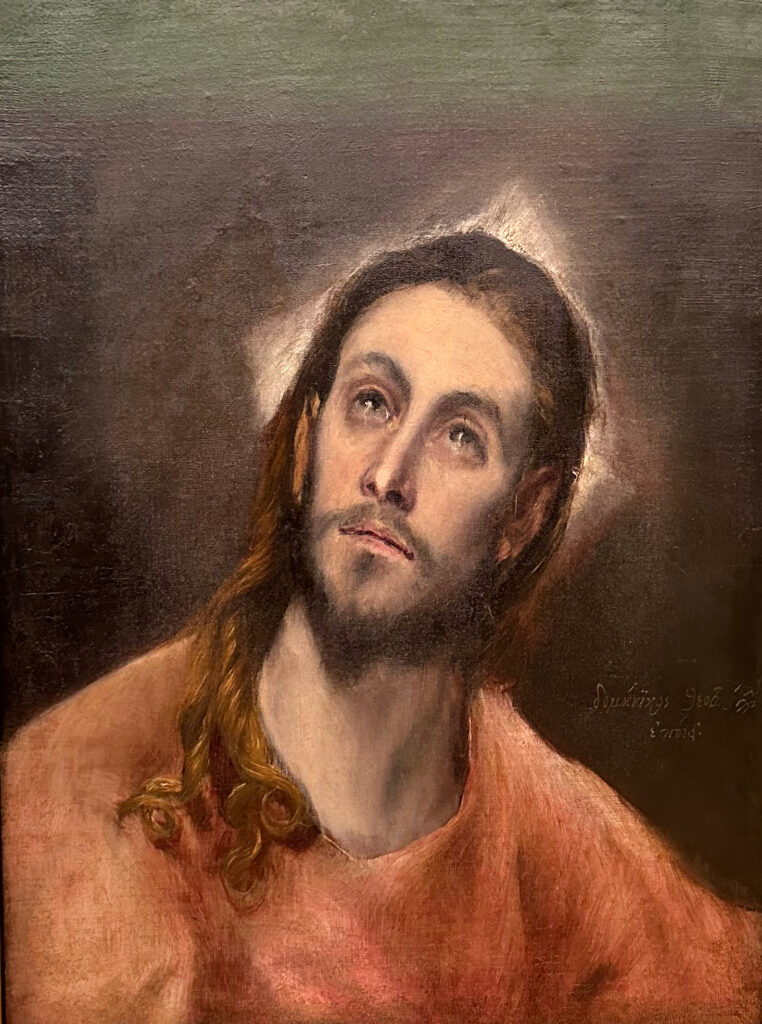
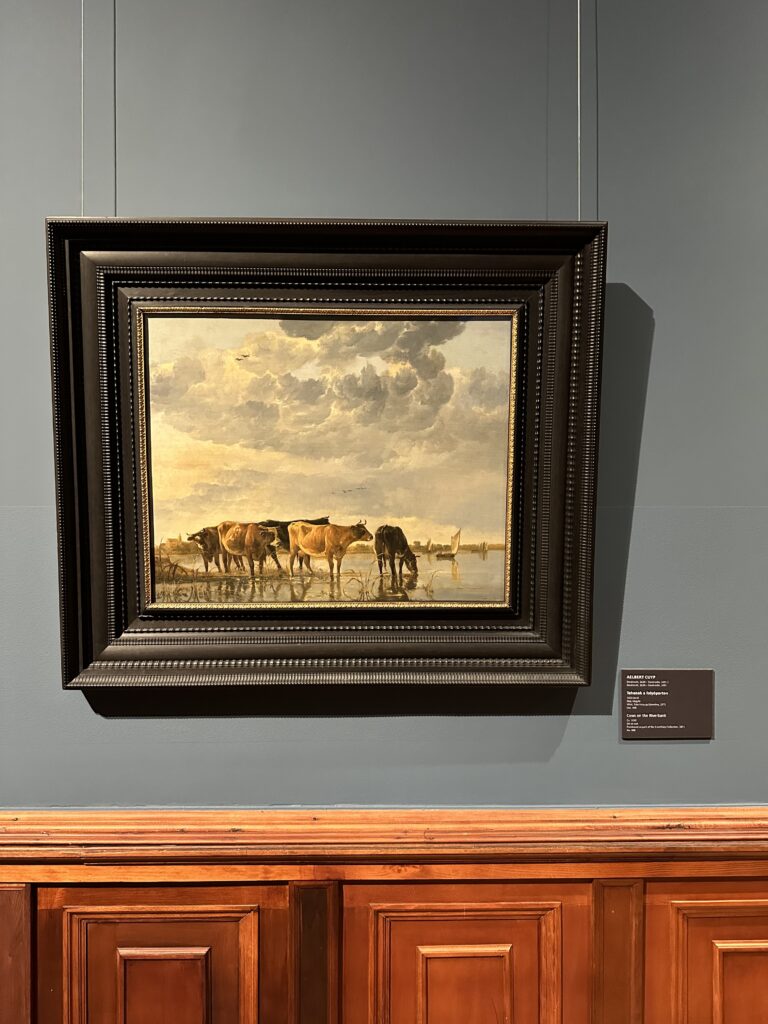
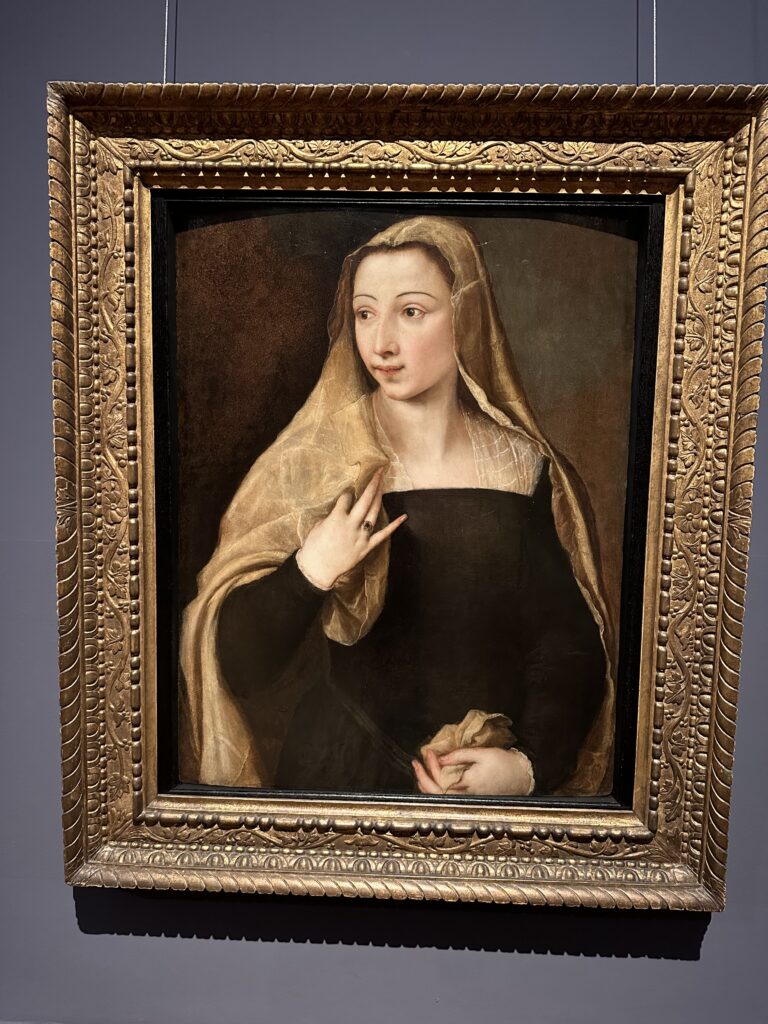
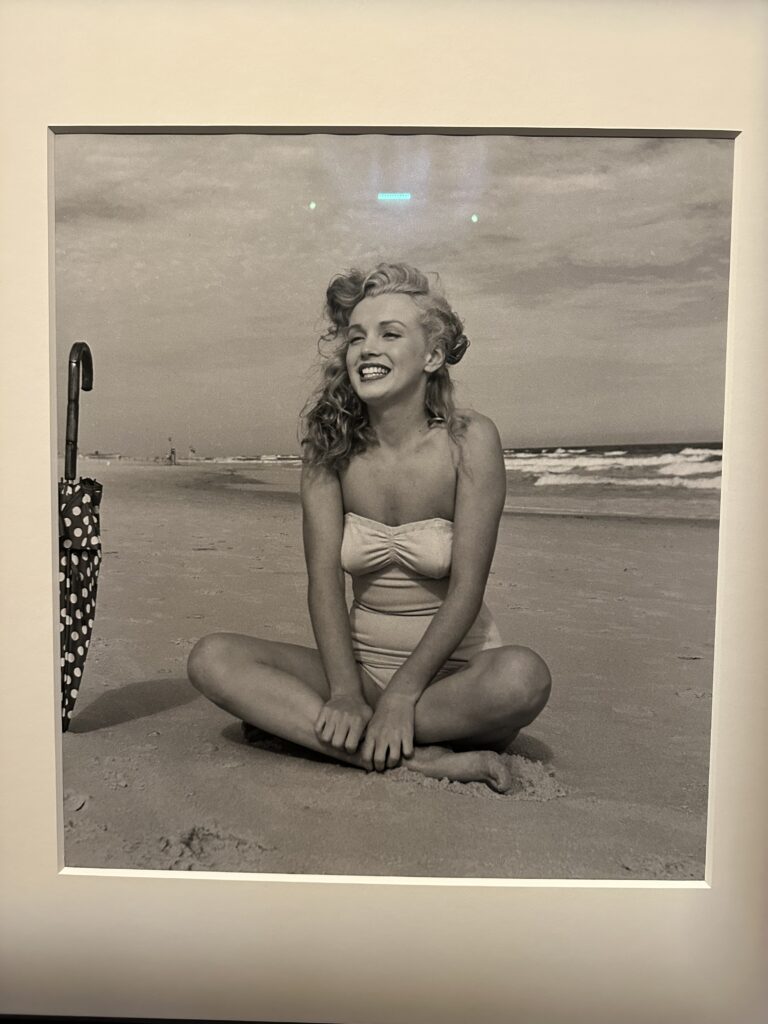
The Museum of Fine Arts in Budapest has as part of its Permanent Collection works mostly created prior to the 19th Century. A Special Exhibit which presented the best photographers in Hungarian History.
 |
 |
 |
 |
||
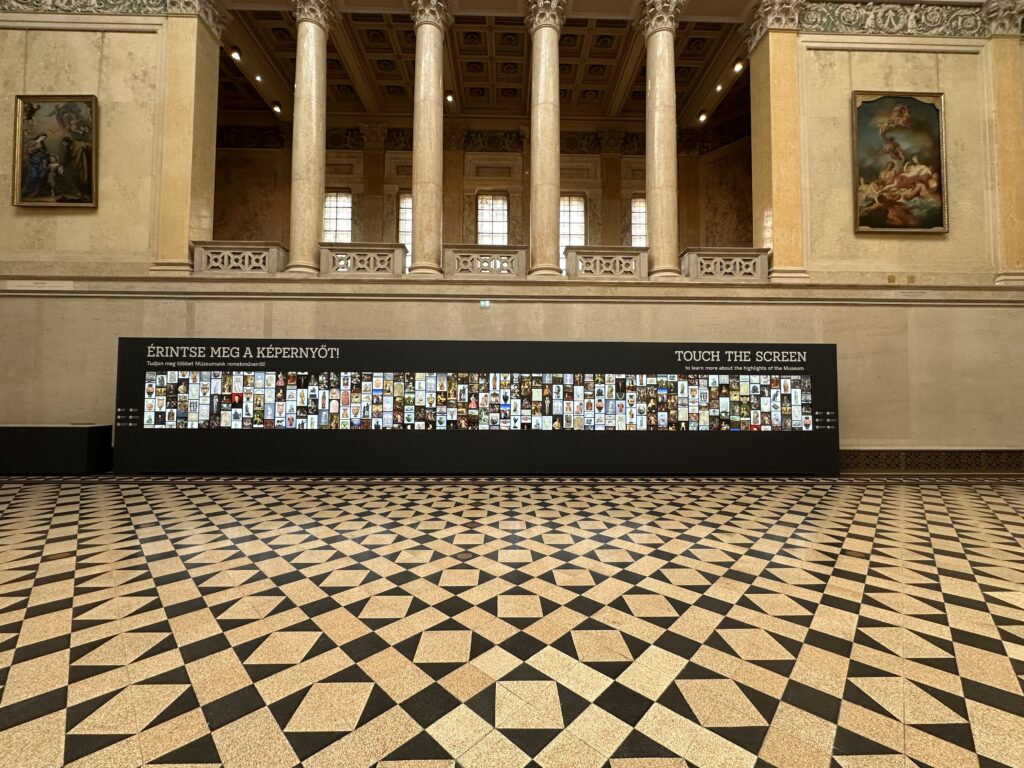
One of the cool things at the MOFA in Budapest, is that you can see every work in their collection, touch a screen, learn about its history and location in the Gallery.
I love the work of Dutch Master Albert Cuyp (landscapes) and Italian Master Titan (Religious Symbolism & Portraits). I was pleasantly surprised to see their works in the Gallery.
Similar to Hungarian Portrait Artists in the 19th century, Photographers from Hungary tended to set the standard for photography in the 20th Century.
The photographic artists presented in the Exhibit was substantial. Because they were exceedingly successful in America, I was under (the poor and wrong) assumption they were from the United States.
For example, one of the greatest of all time, André de Dienes is from Hungary. In 1945 he photographed 19 year-old Norma Jeane for five weeks. These images paved the way for Marilyn Monroe.
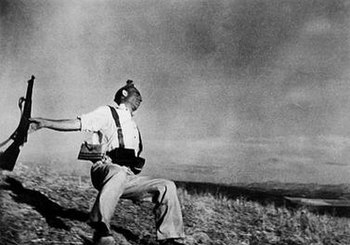
Robert Capa, is considered to be the one of the finest war photographers of all time. His Fallen Soldier is perhaps his best known work.
 |
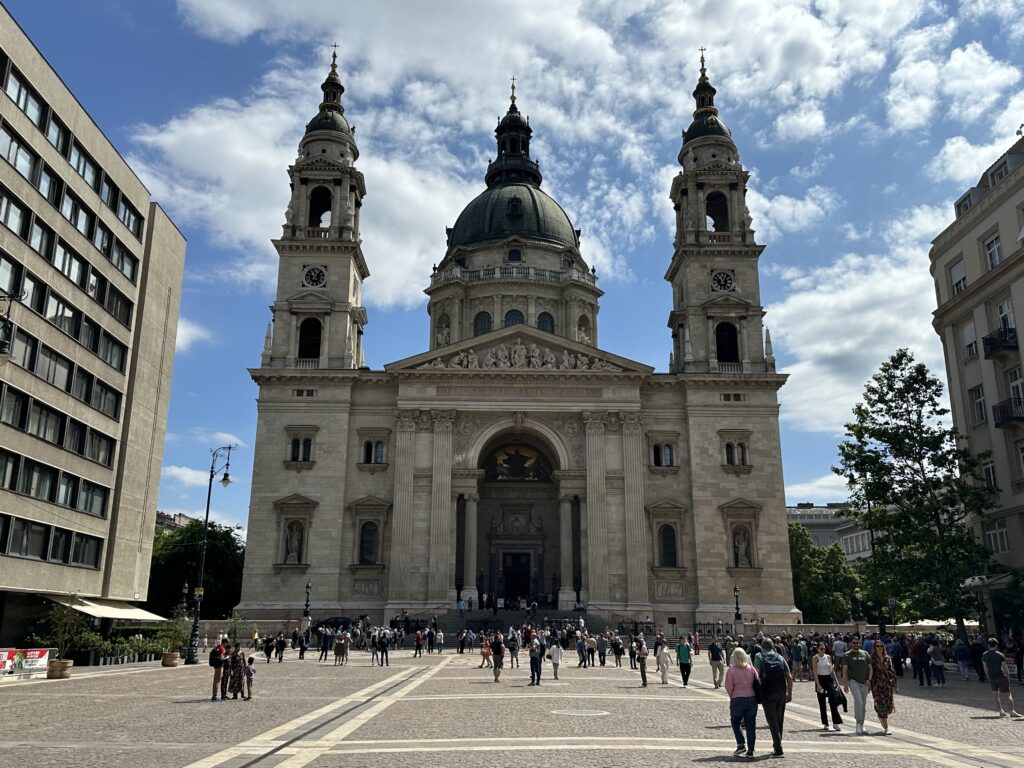
St. Stevens Basilica
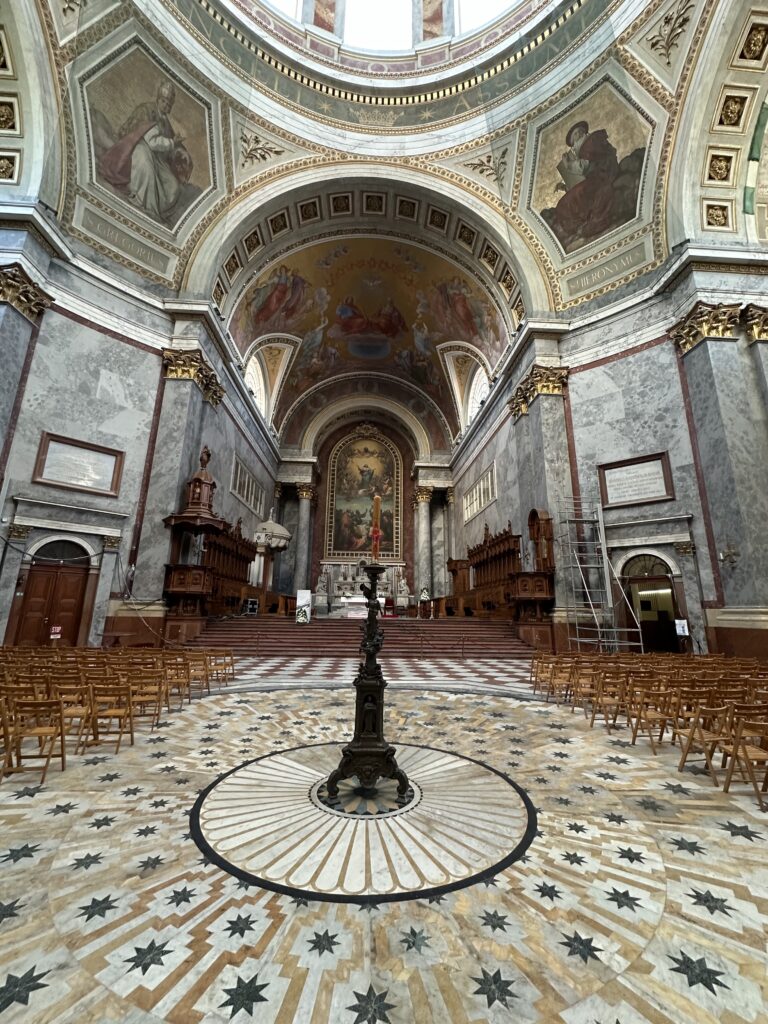
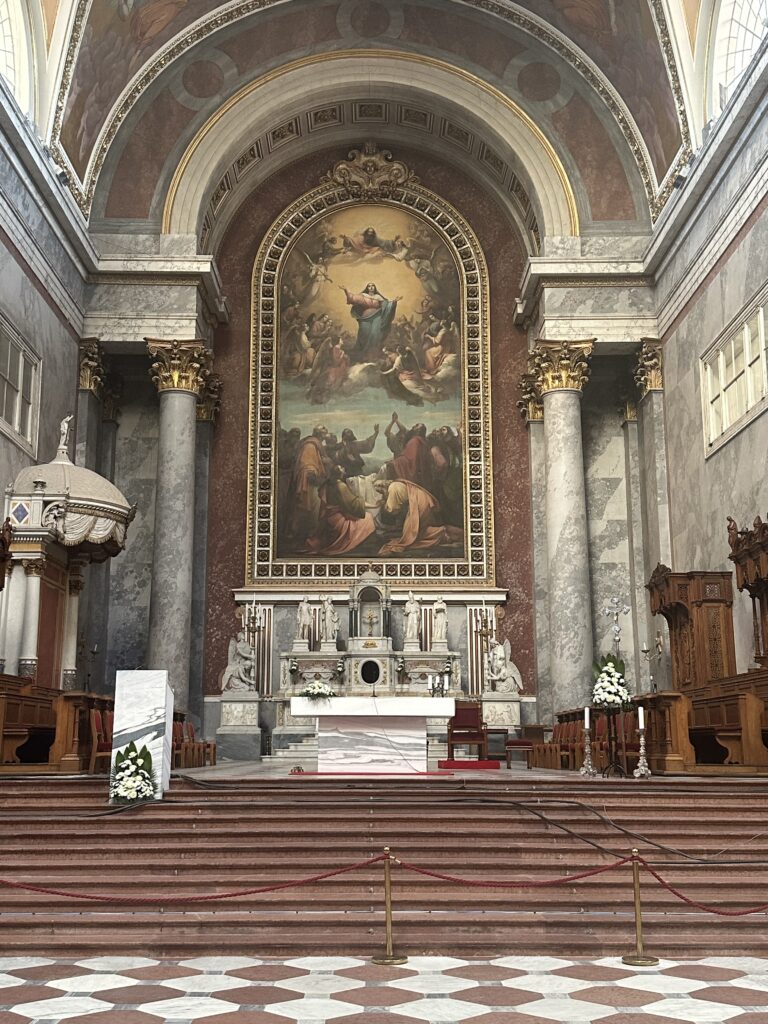
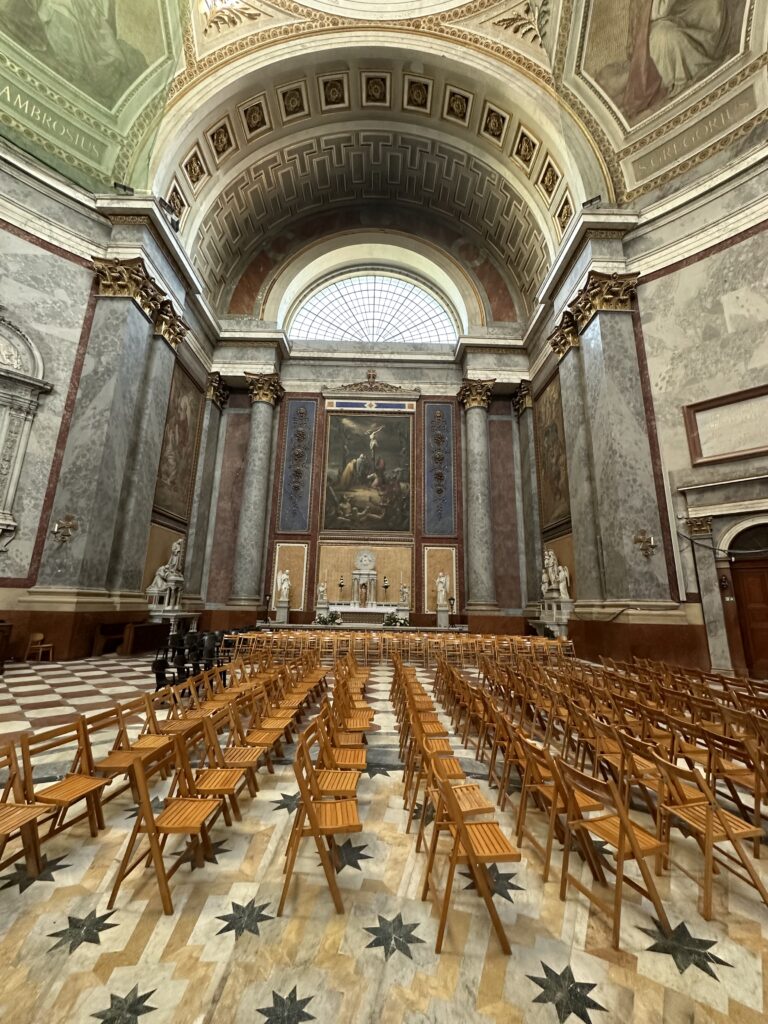
The Basilica was completed in 1905. A church on this site was built in the 1840’s. Construction for the Basilica began in 1851. The Dome collapsed in 1858, forcing a complete demolition and a restart. The Basilica was materially damaged by aerial bombing in WWII and subsequently repaired. It is named after the 1st King of Hungary. His left hand is preserved in the Basilica. The Basilica is a wonderful representation of neo-classical design.
 |
Beguiling Memorial For Victims of German Occupation
The walk in Budapest between St. Stevens Basilica and Parliament is fascinating and worthwhile. However, it will present some things that might prove to be a sobering and humbling reminder of man’s inhumanity to mankind.
To our pleasant surprise, the walk presents all kinds of interesting architecture and neighborhoods. Located in the middle is Freedom Square. On this day the square was packed with people attending exhibits and concerts. There were a number of community outreach type of exhibits.
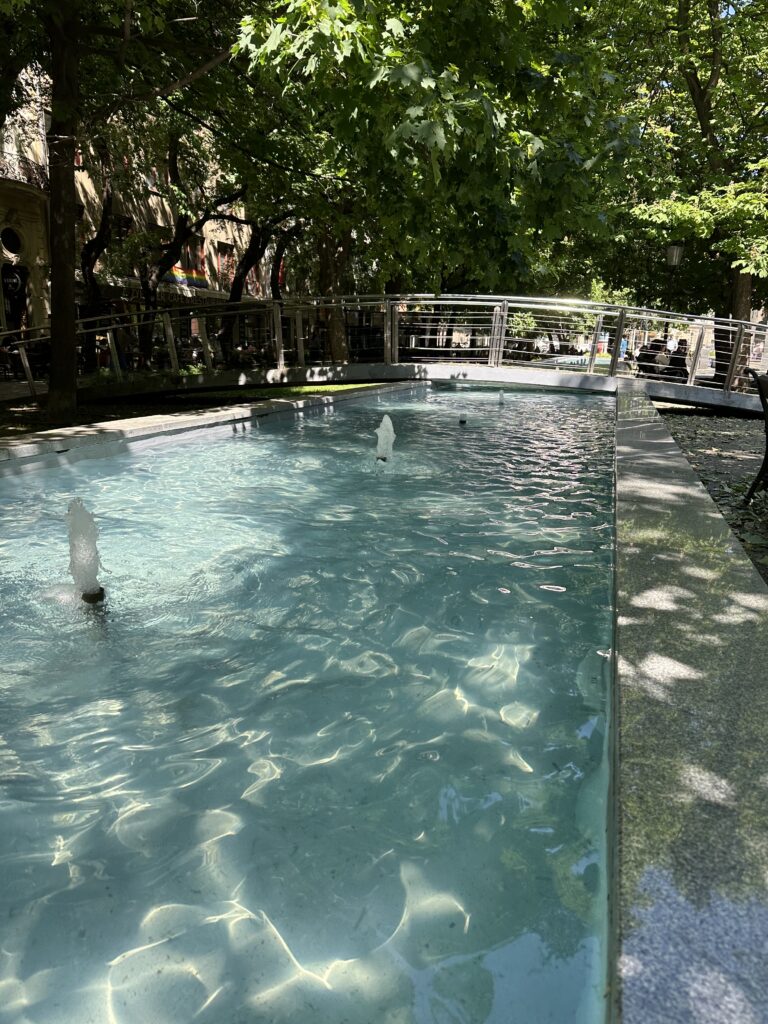
At the start of the square is a beautiful fountain. Its design allows for families and children to enjoy first-hand. It looked so simple, and elegant and pleasant.
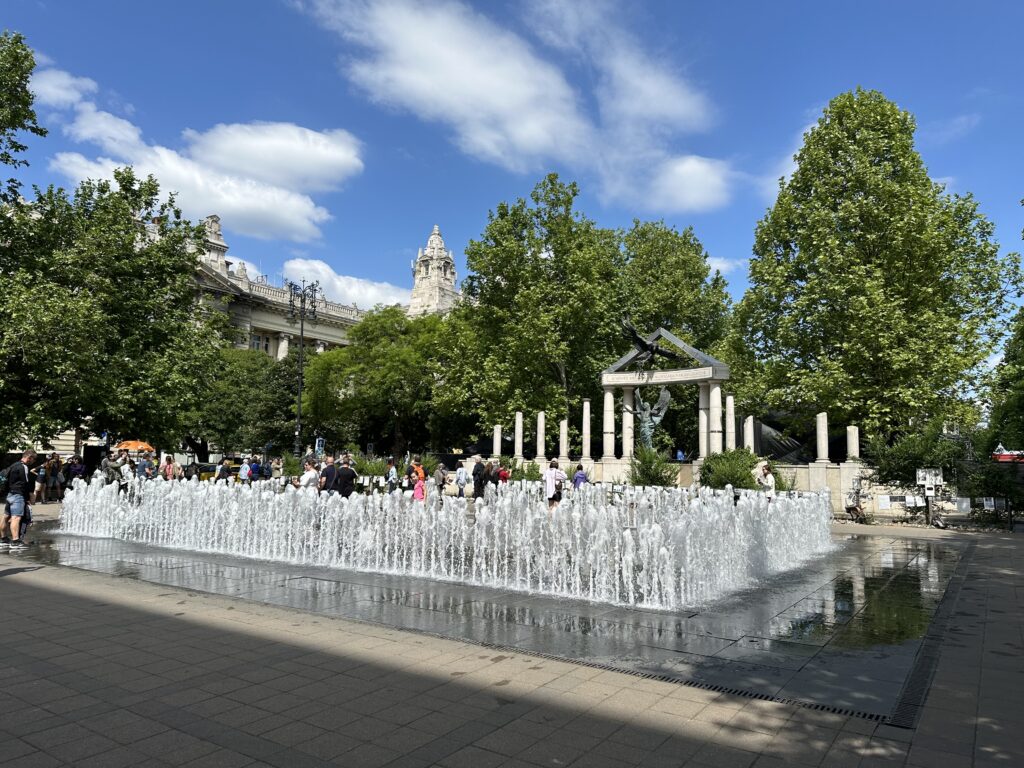 |
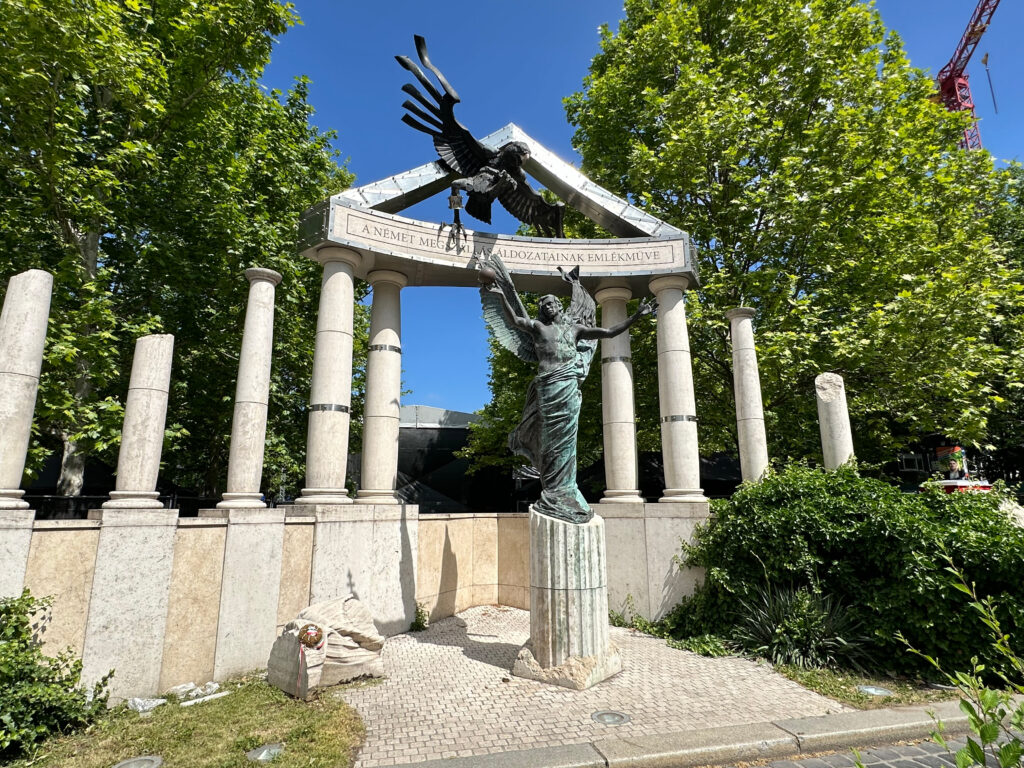
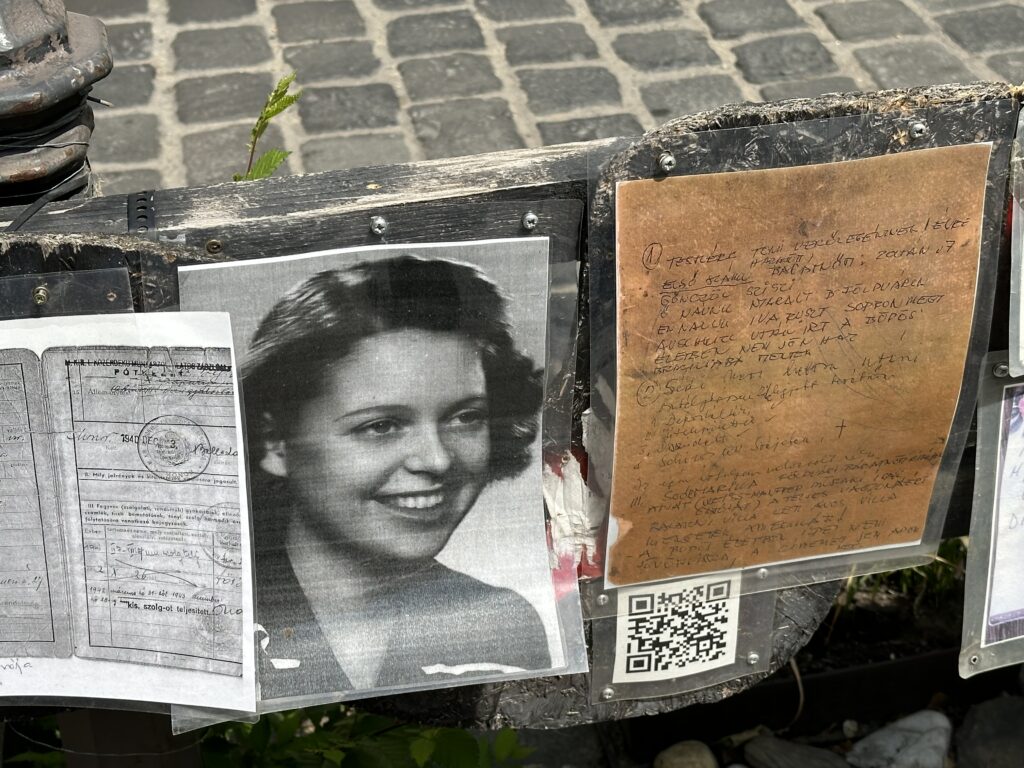
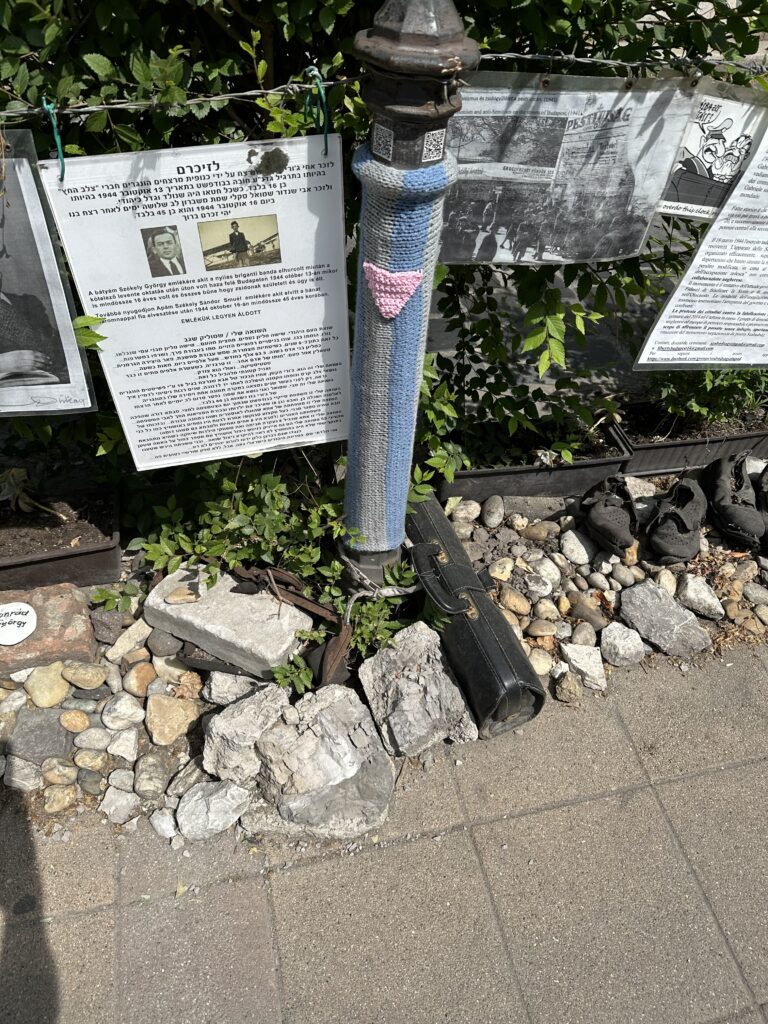
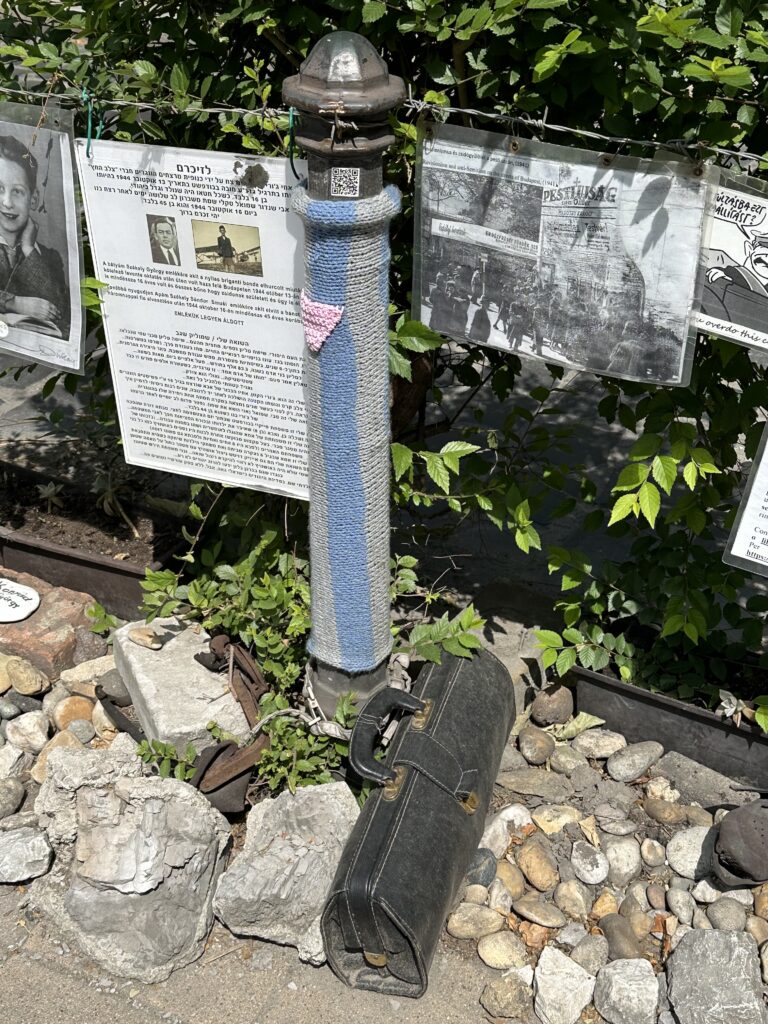
However, directly behind the fountain is the Memorial For Victims of German Occupation. Reviewing the Memorial with all the additional contributions was a sobering experience.
 |
 |
 |
 |
Parliament is Really Beguiling
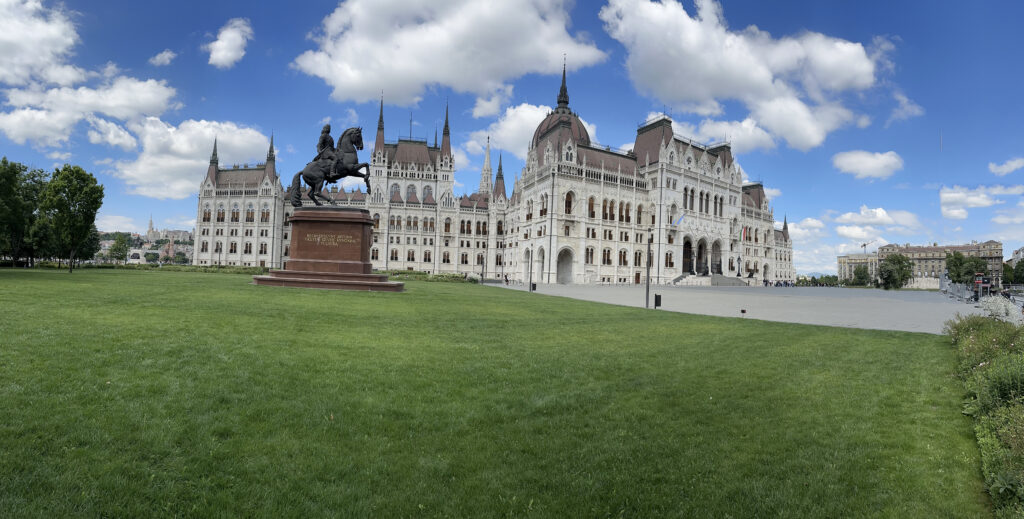
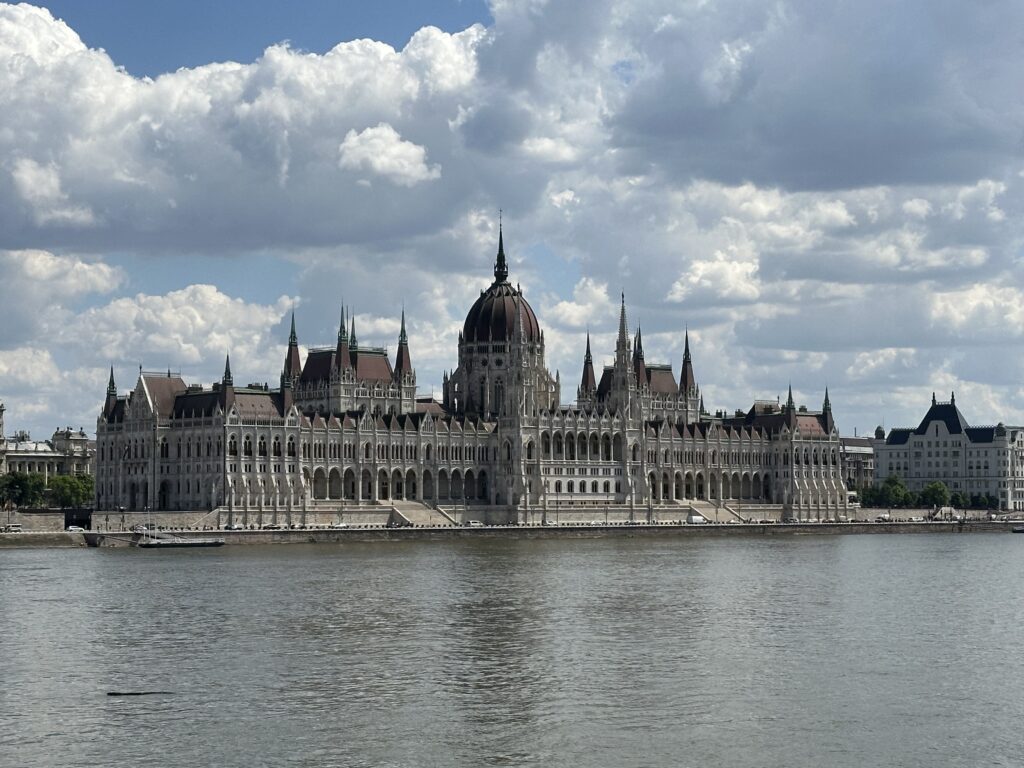
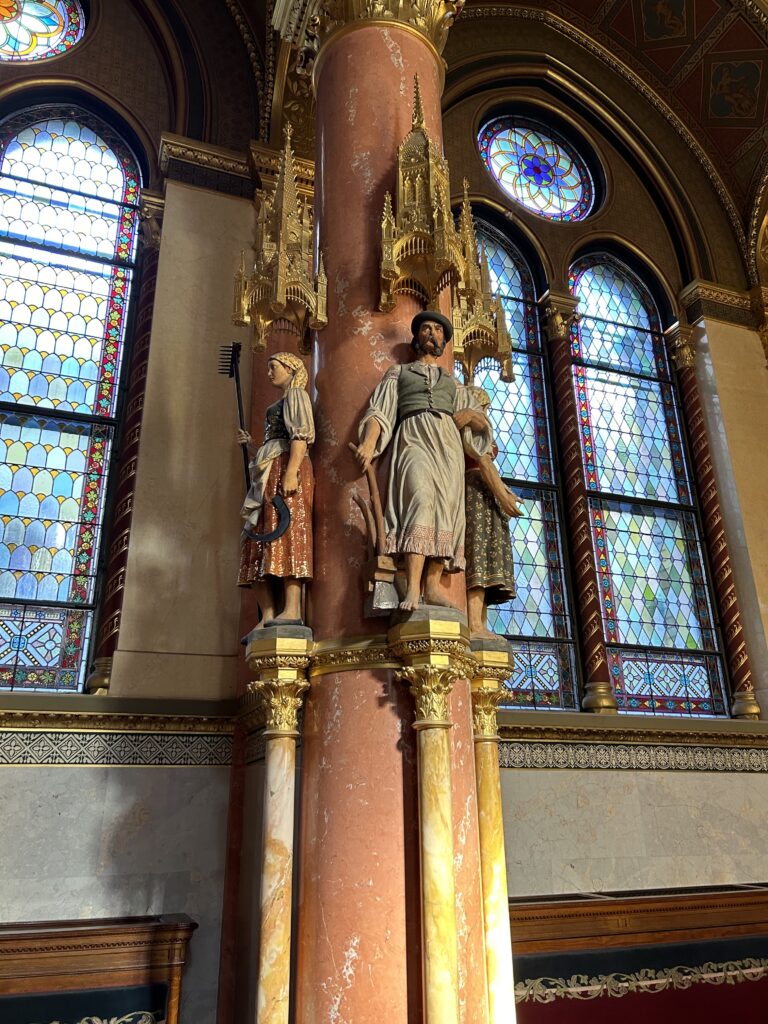
The Hungarian Parliament building and grounds is a stunning place to visit. The craftsmanship and detail was remarkable. The building was started in 1885 and completed in 1905. Construction included 100,000 workers, 40 millions bricks and 88 pounds of gold. It is the largest building in Hungary. The statues represent each of the type of workers in Hungary
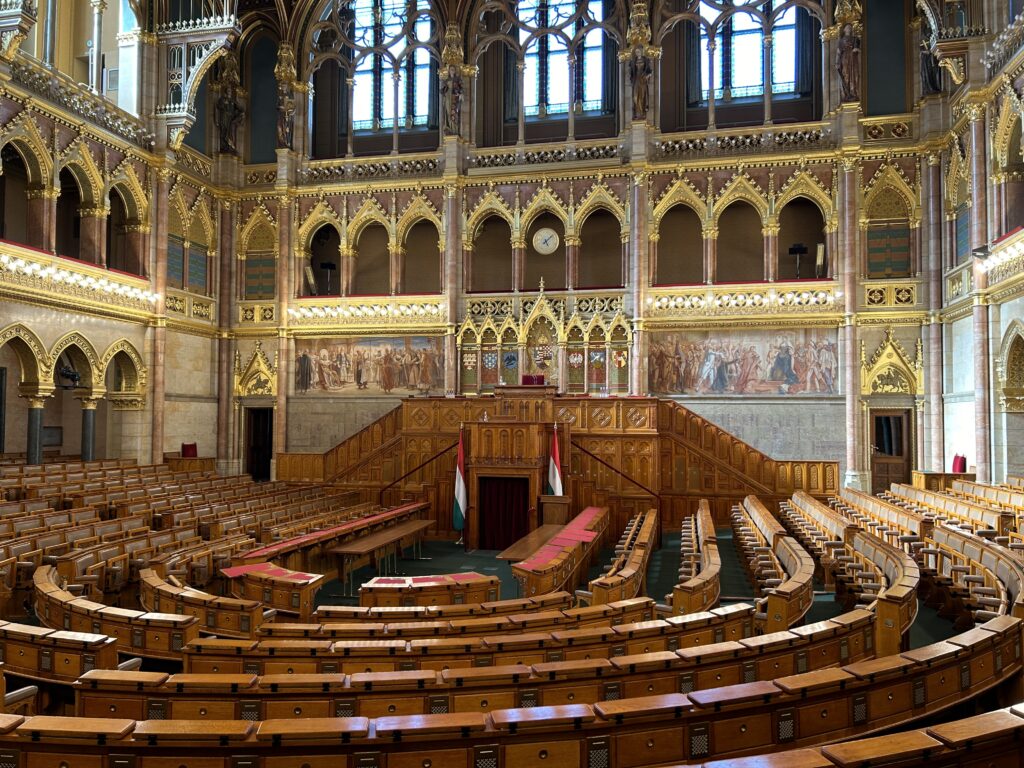
When designed, Hungary was a bicameral and a more complex government. There were two chambers built exactly alike. One for the Lower House and another for the Upper House. After the fall of the communist government, A unicameral government was established. Therefore only one chamber is used for regular sessions of government.
 |
 |
 |
 |
*** Jeff’s Thoughts and Worthless Trivia ***
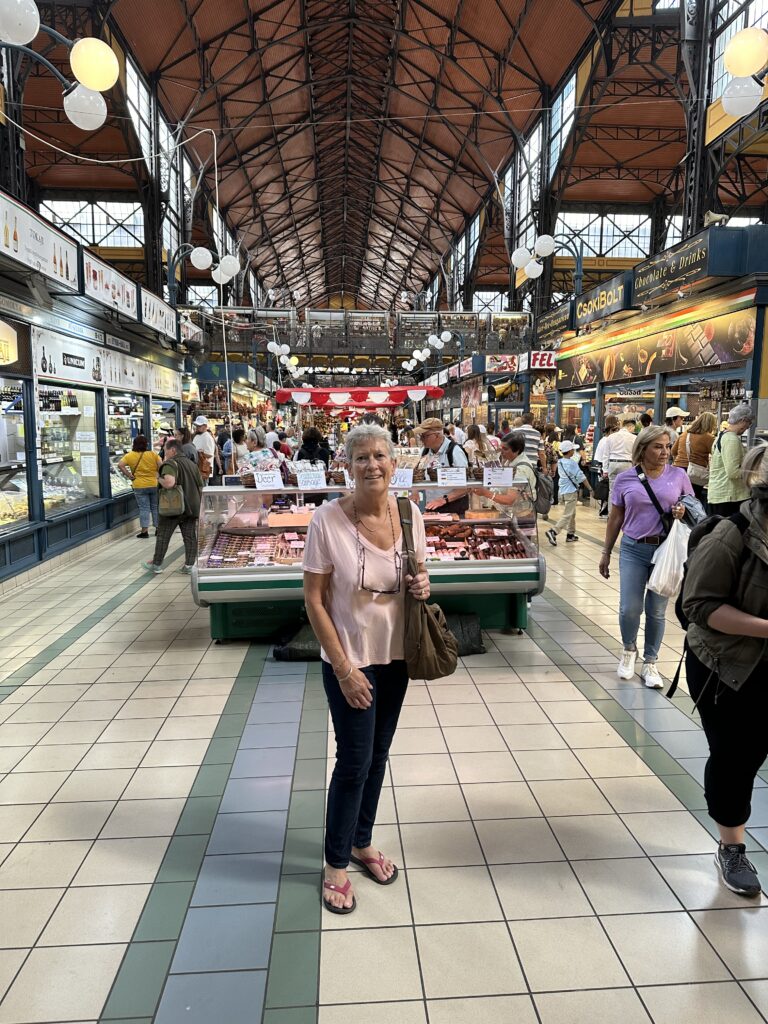
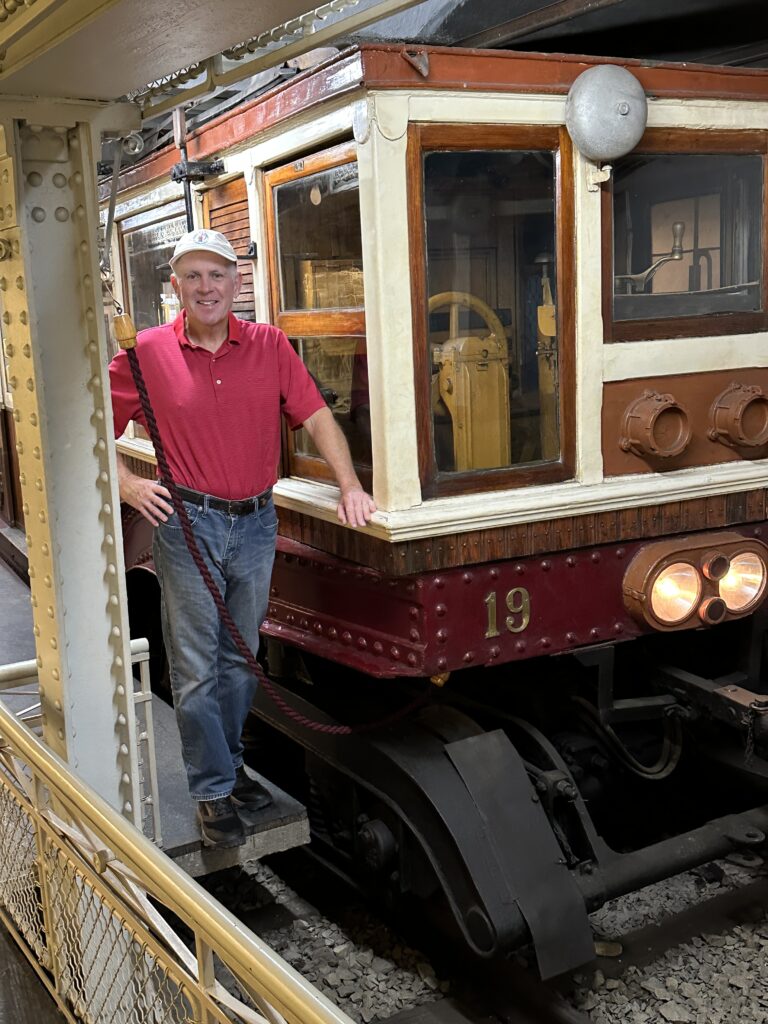
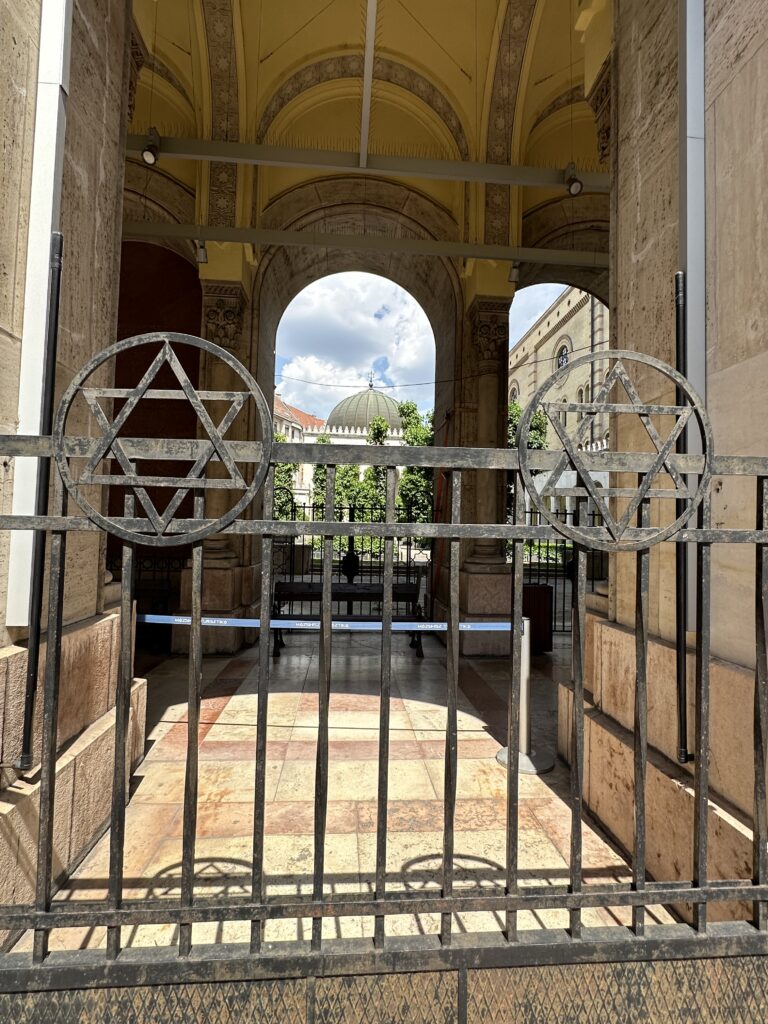
I like Budapest (the city) more and more as each day passes. Linda and I did not run out of things to see, do, or explore while visiting. I have not even covered things such as the Subway Museum, Mineral Baths or Central Market. Nothing has been put together on the food and restaurants. I would need a great deal more time to covers all of the churches and synagogues we visited. I think a will do a separate Post on all the religious sites
 |
 |
 |
 |