March 2026
M T W T F S S
 1
2345678
9101112131415
16171819202122
23242526272829
3031  

Capturing Nikon – 800mm Z – Action & Pushing the Limit

In my previous post, the task is to push the new Nikon Z PF 800mm Lens (Z 800) to its breaking point on its weakness’. In my mind the effort is needed, but not much fun. The Post detailing my test is [here].

I have concluded the Z 800 cannot double as a Race Car and as a Delivery Truck. Nikon tells us as much. 

So what about Action and Wildlife? Different story, different story in a big way.

The Z 800 is proving to be a superb Action Sports and Wildlife lens.  Especially if the target is within 1/4 of a mile distance.  Surprisingly, the same conclusion can be made about the use of the lens with Teleconverters.  While there are perceptible differences at the longest distances, they are almost imperceptible from the mid-range inward.  Oh my!
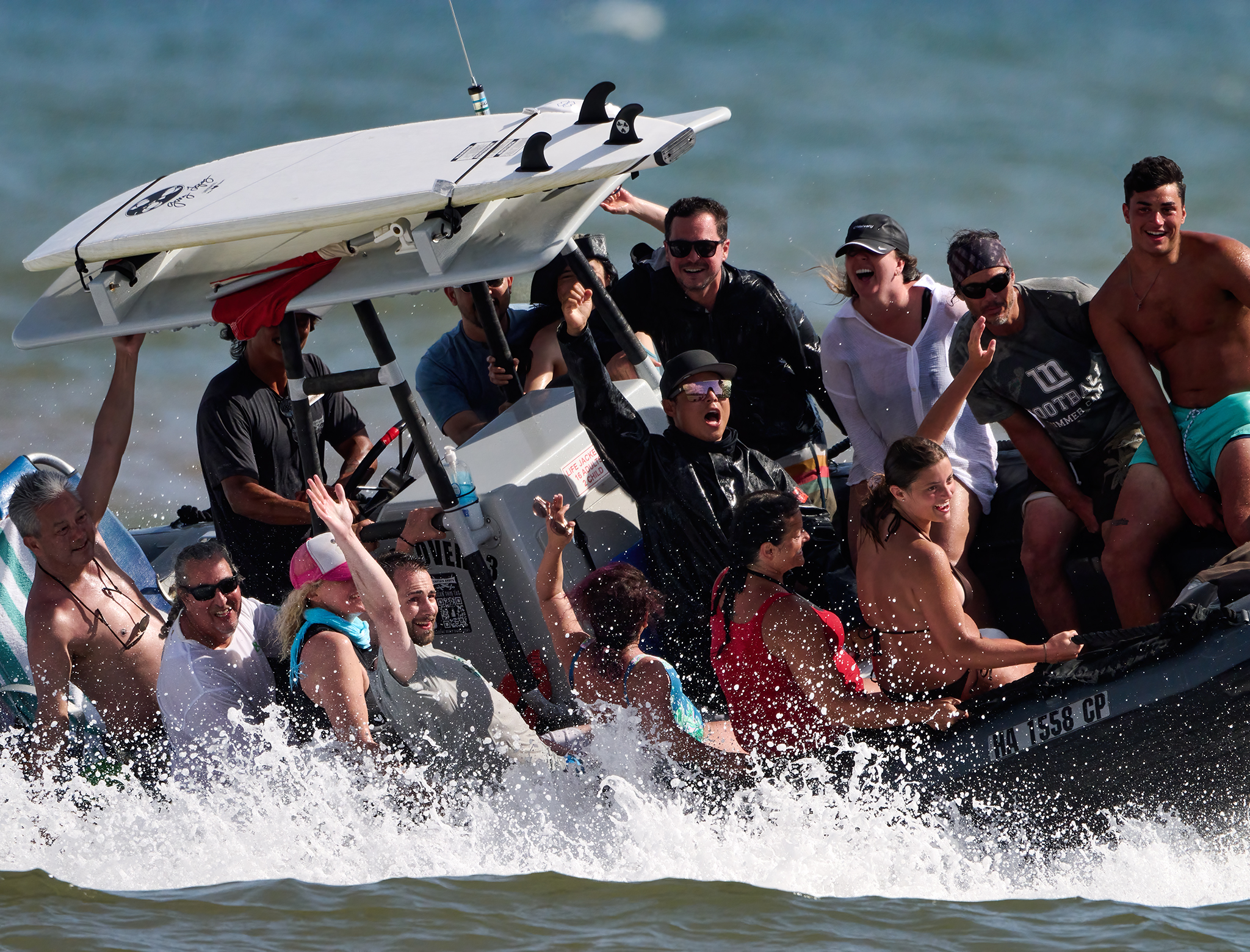
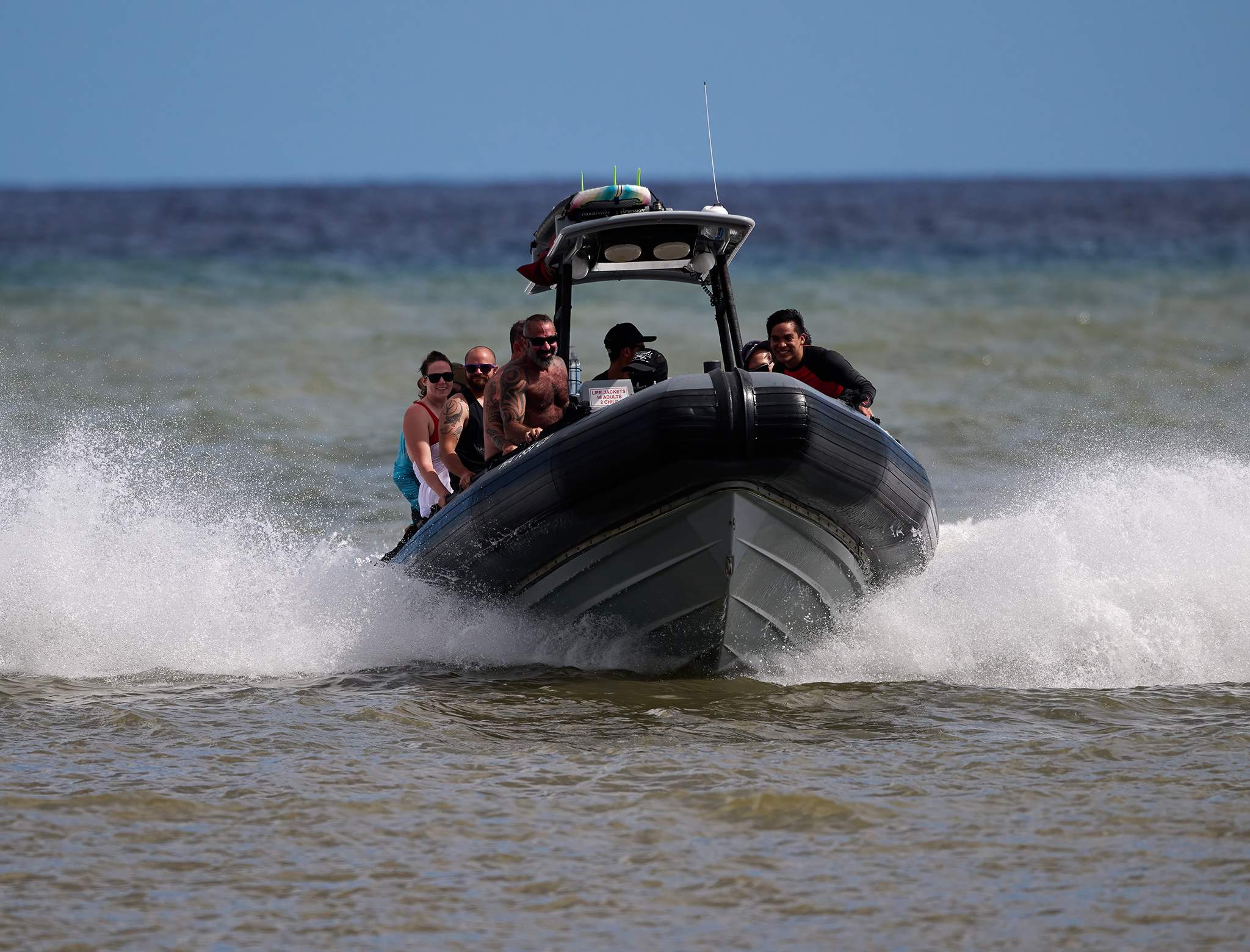
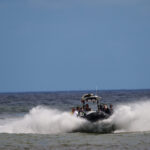
The Nikon Z9, Z 800, and 2x Teleconverter capture the image above.  This shot is not staged, planned, or the result of a paid engagement.

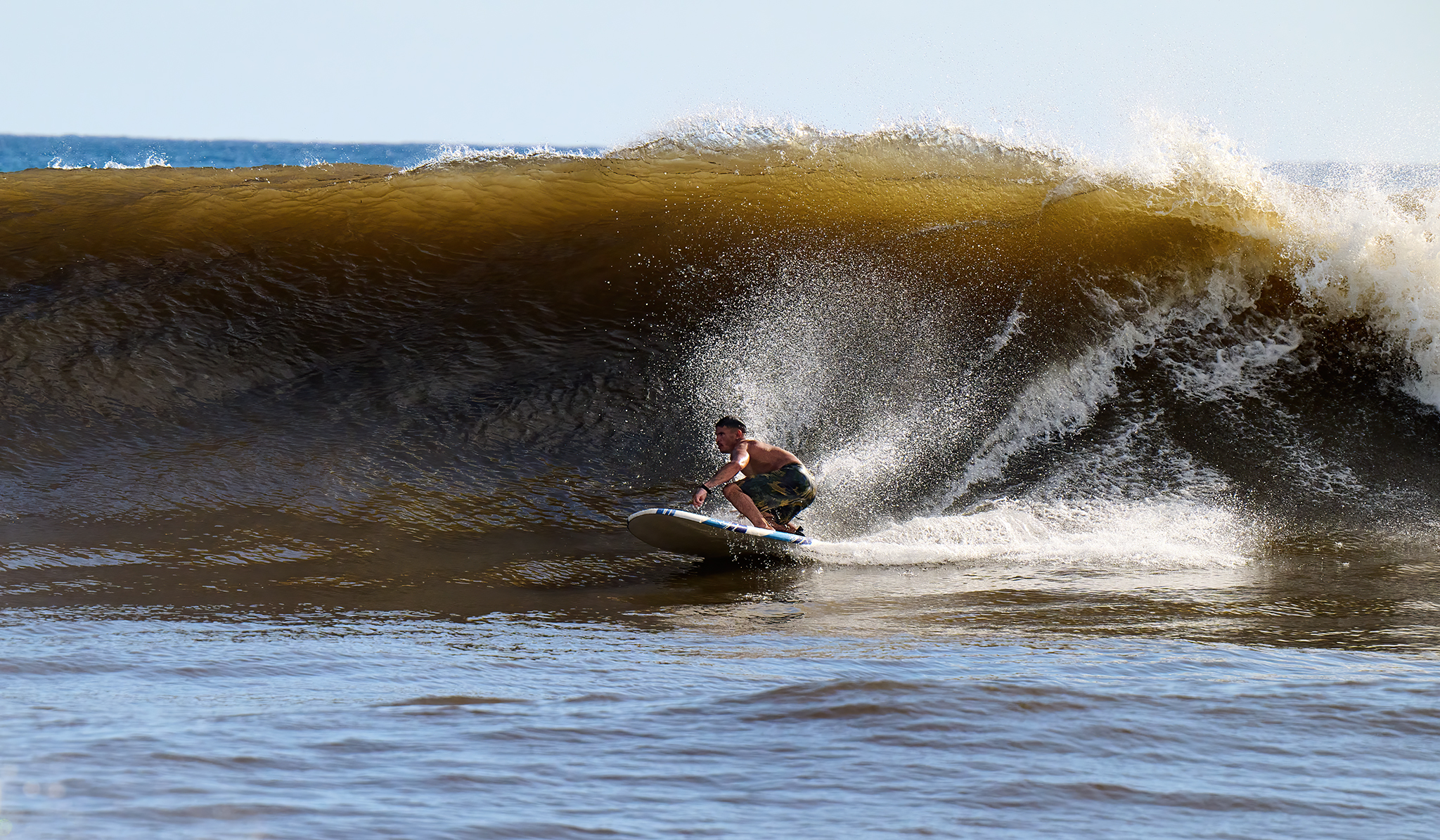
The Nikon Z9, Z 800 capture the images above.  They are not staged, planned, or the result of a paid engagement.
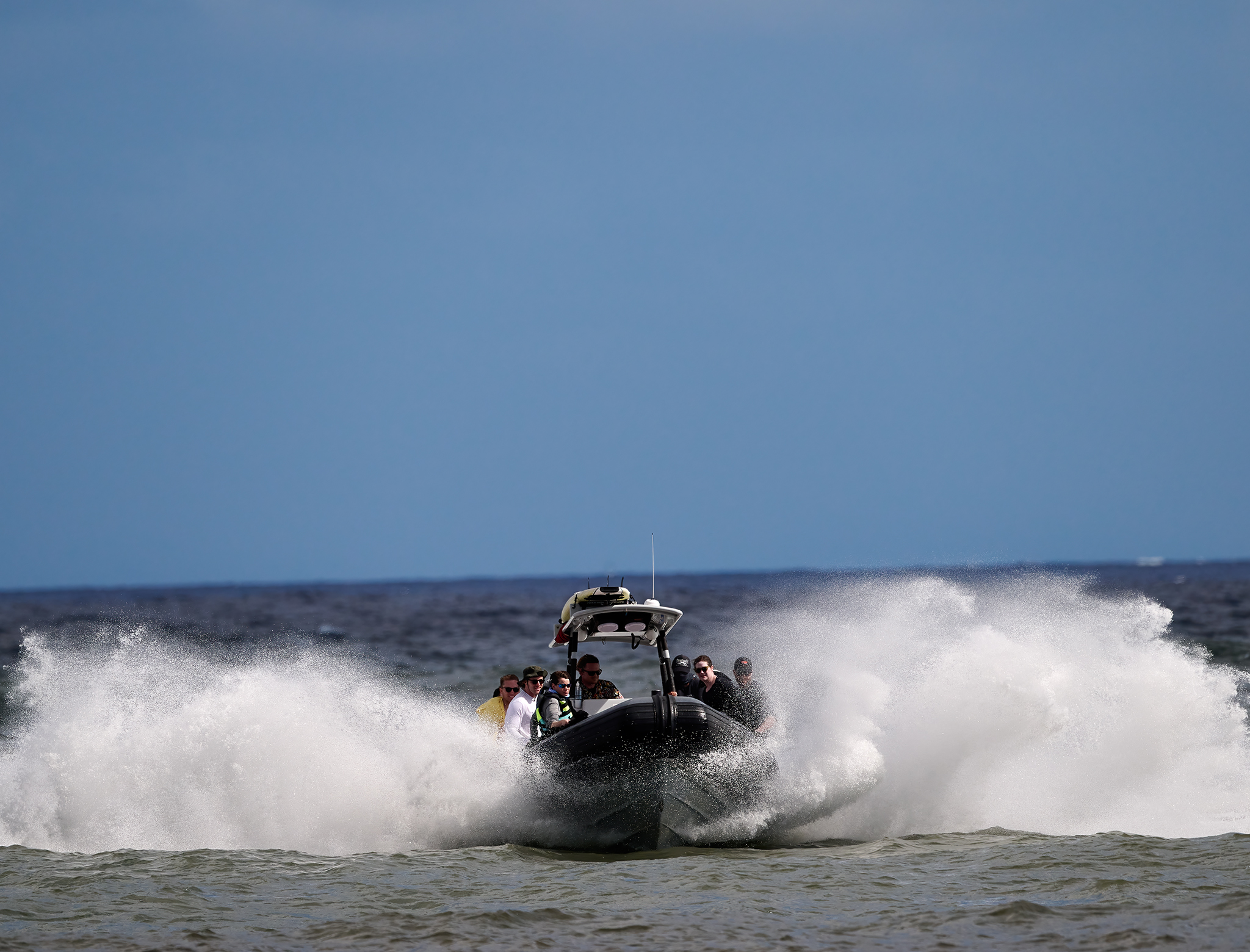
Shooting from the same vantage point (i.e., the Harbor), all images appear to be crisp and without material deficiencies.
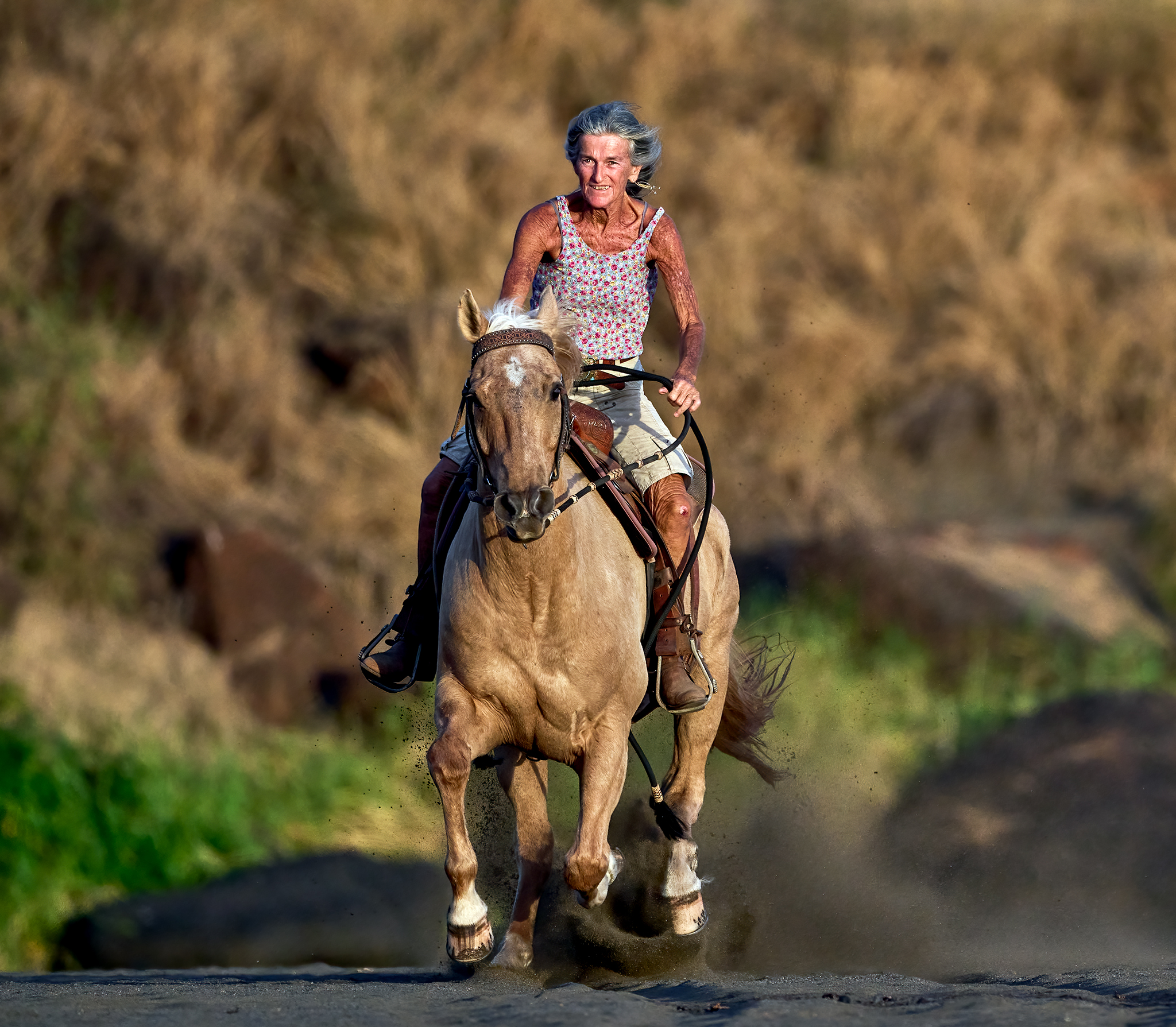
The Z9 and Z 800 capture our friend and neighbor (Marie and Dundee).  Both are sprinting on the beach in Waimea.  Look closely at the sand.
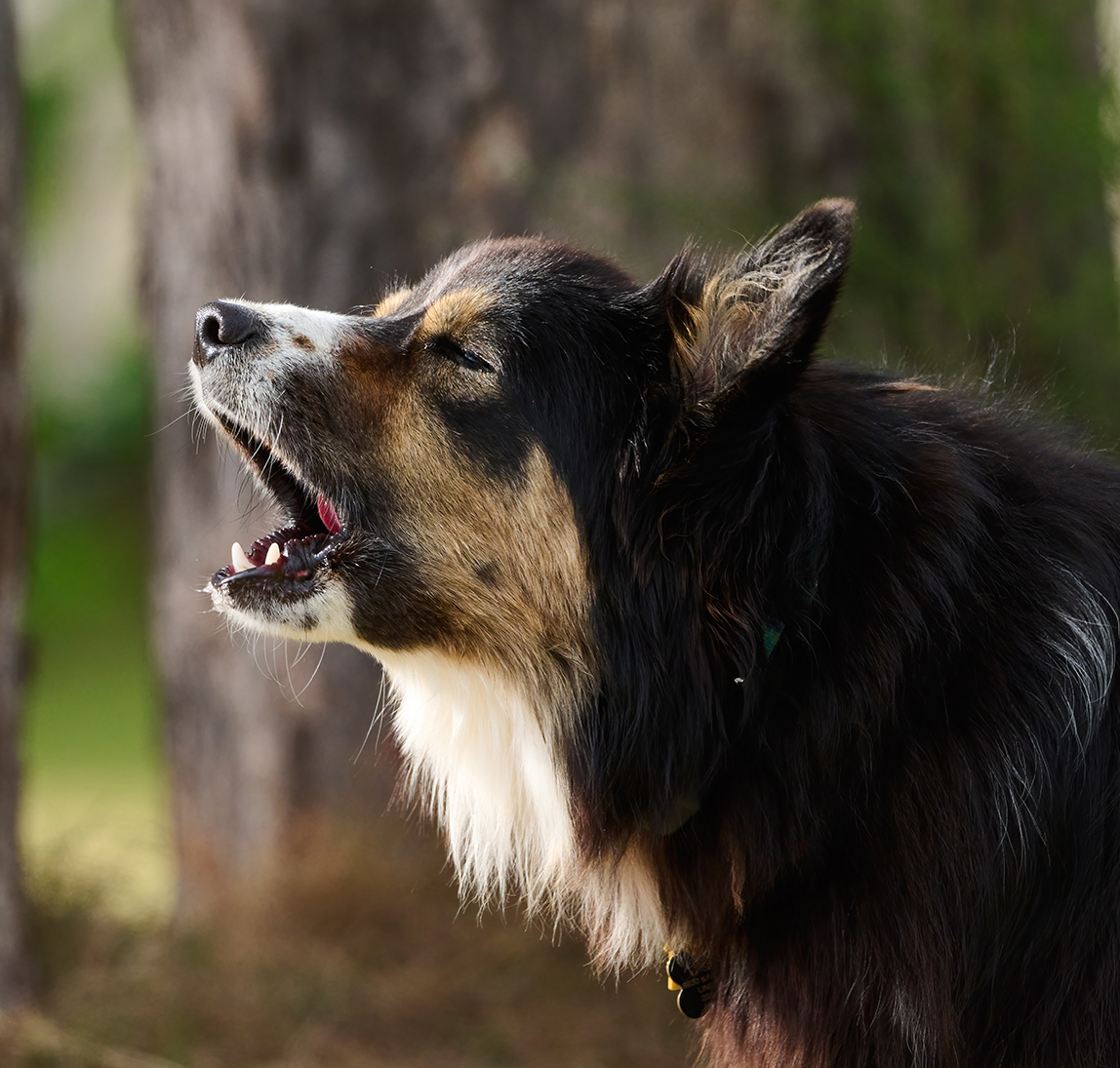
Sage Lubeck howls at passersby from her Front Yard Guard Post on the beachfront in Waimea.  This image is captured Hand Held.  This is not something even conceivable using the Z 800’s Father or Grandfather.  I can attest first-hand.   Look closely at the ear.

XX Frames Per Secord

So what is the implication of shooting with a camera that provides image capture at 20 or 30 frames per second? Is there any difference, if it is shot in 14 Bit Color RAW format, at almost 50 Megapixels at any desired ISO and 1/0000th rate?   

I feel, Photographic Artworks, displayed is large sizes printed on high quality surfaces benefit from the RAW format and 14-bit color in a material manner.  If the output is going to be JPEG and web-based (i.e., 72 DPI) you can reduce the format requirements and capture up to 30 frames per second.  Note: 24 frames per second is considered filming.

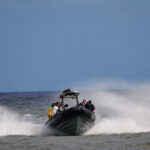
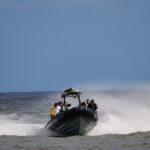
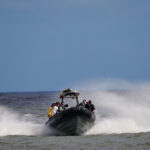
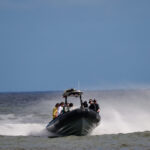
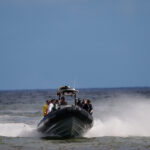
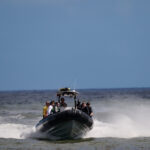
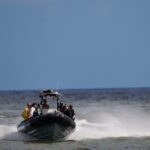
On this Post, I can show you 20 frames of pictures taken from the same Boat Harbor shot and you can decide if 20 frames per second matter. 

In my opinion, taking the time to learn about the behavior of the camera and the lens and adjusting the configuration of your gear is highly beneficial. The differences in the results can be material.  At a minimum, you will get more quality images from which to choose.

The Nikon Z9 Camera and Z 800mm lens captures 20 images in one (1) second as shown below. I am shooting with manual settings, except for 3D Image Auto Focus. ISO (800), f stop (F8) and speed (1/5000th second). I have 20 pretty decent images from which to choose.
 

Teleconverters at Long Distance

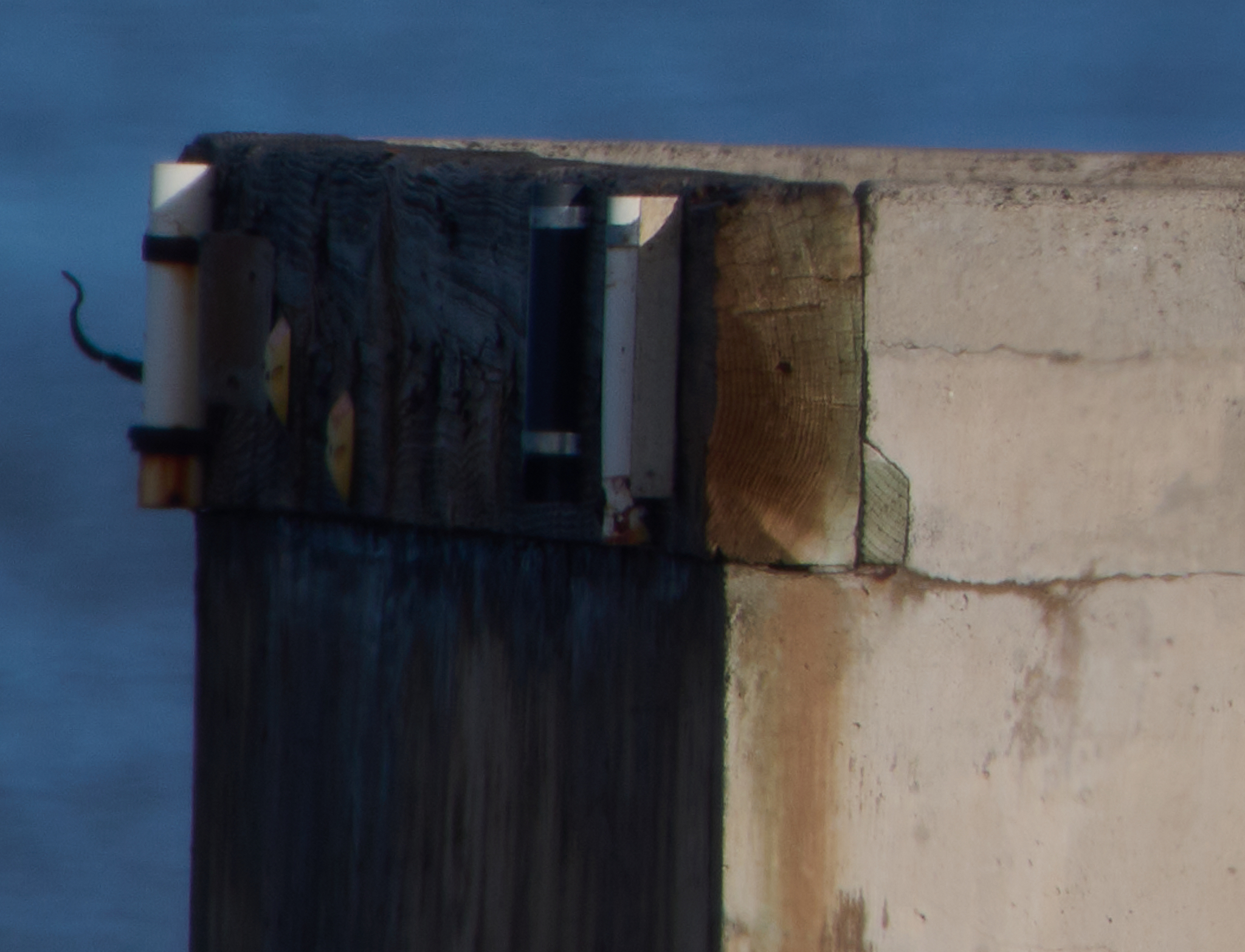
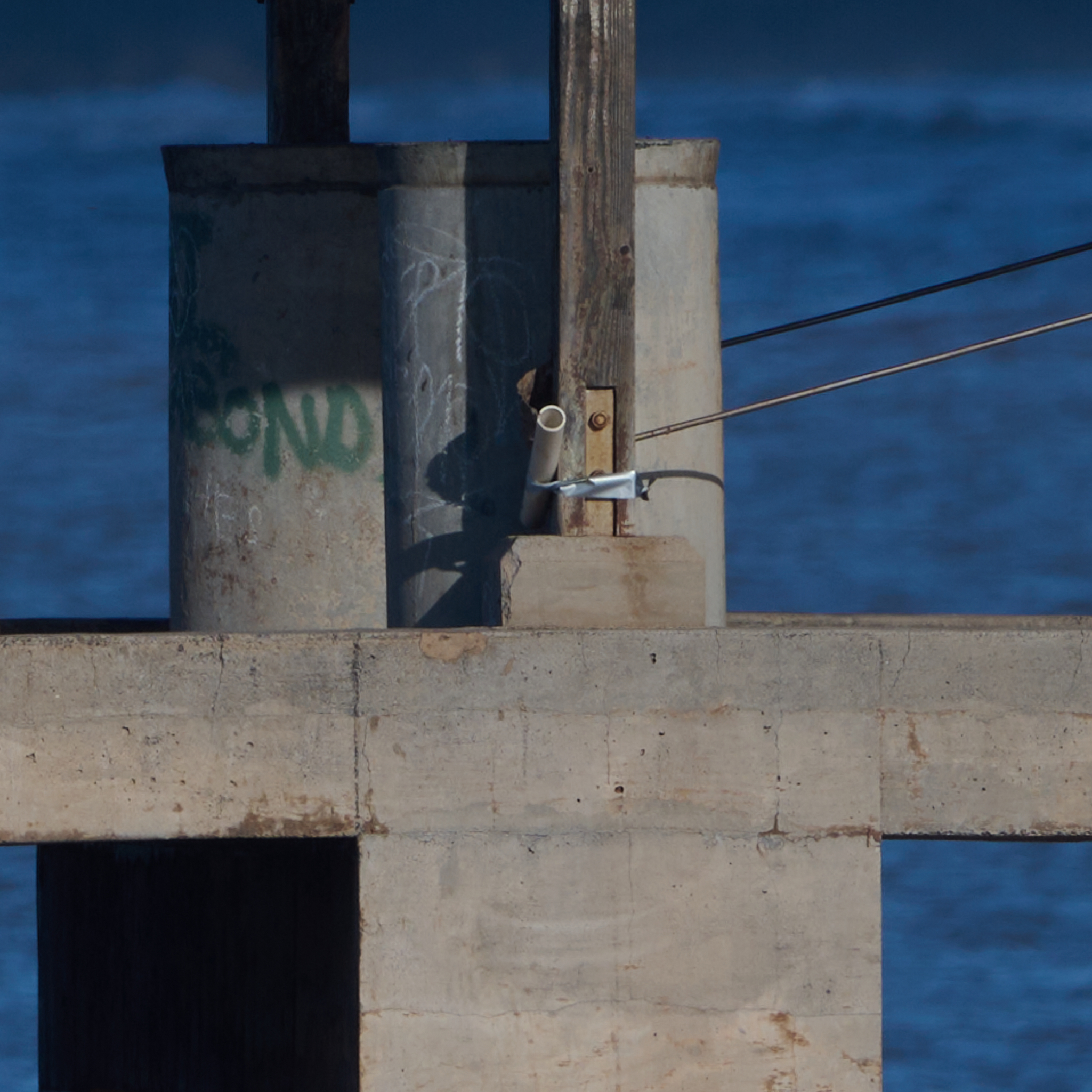
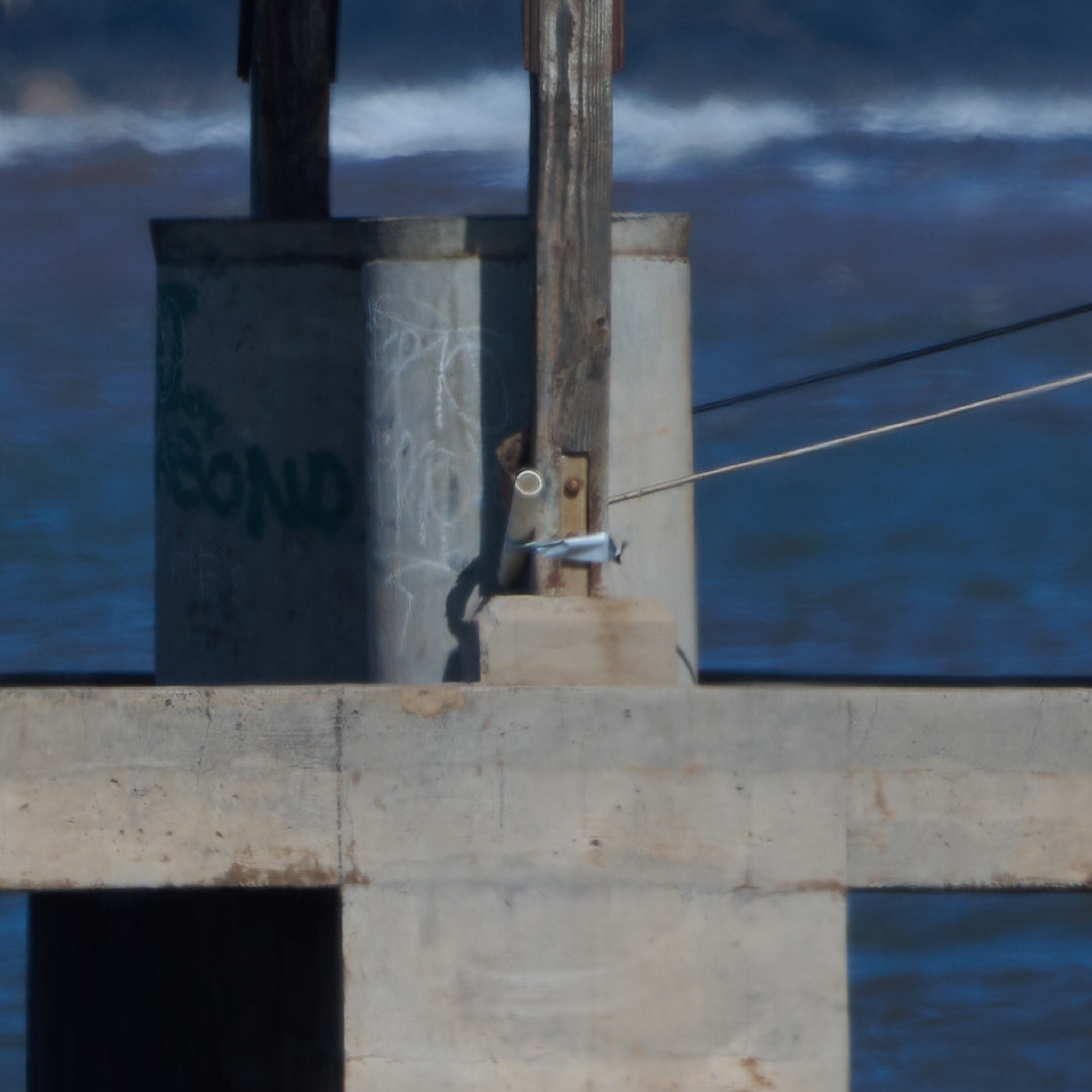
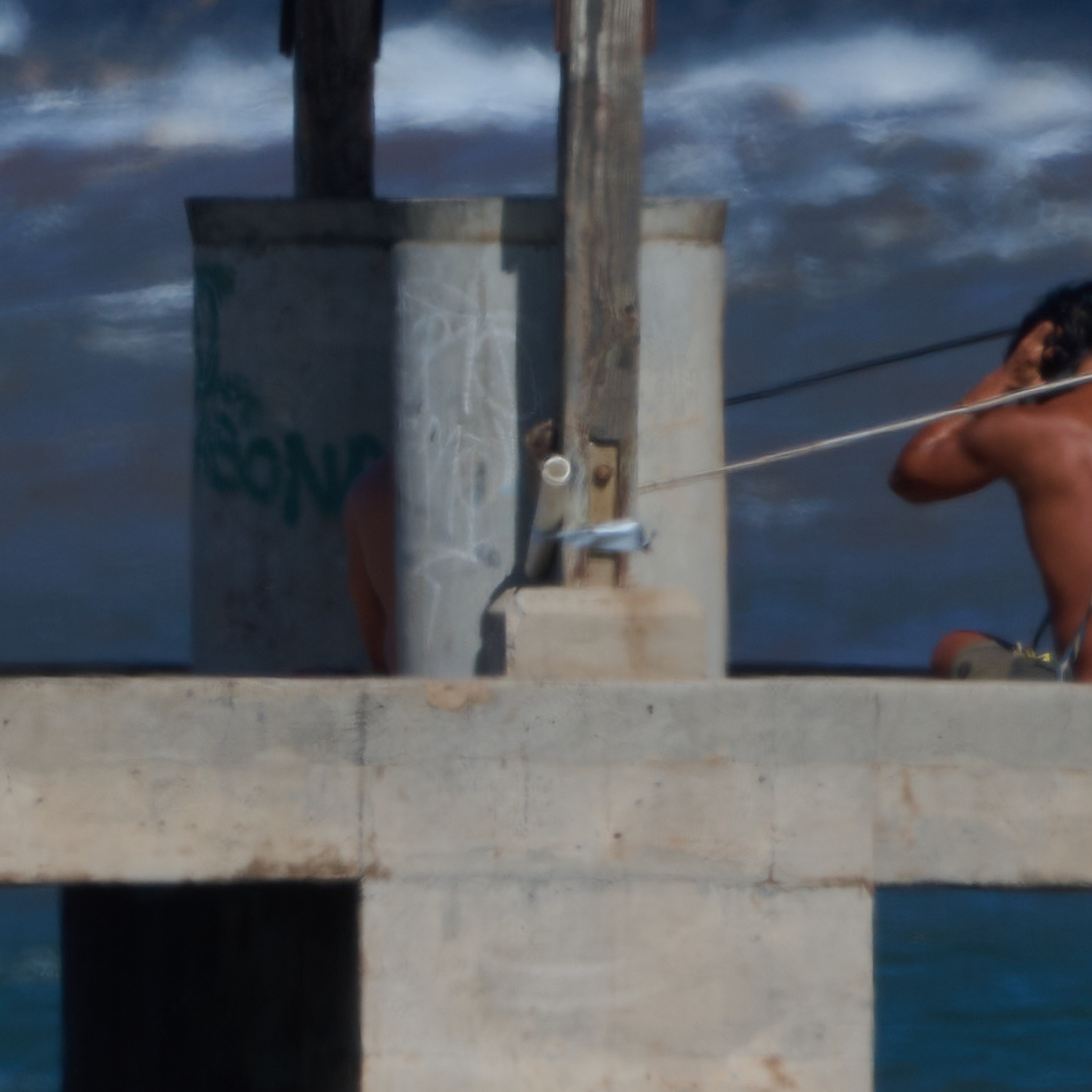
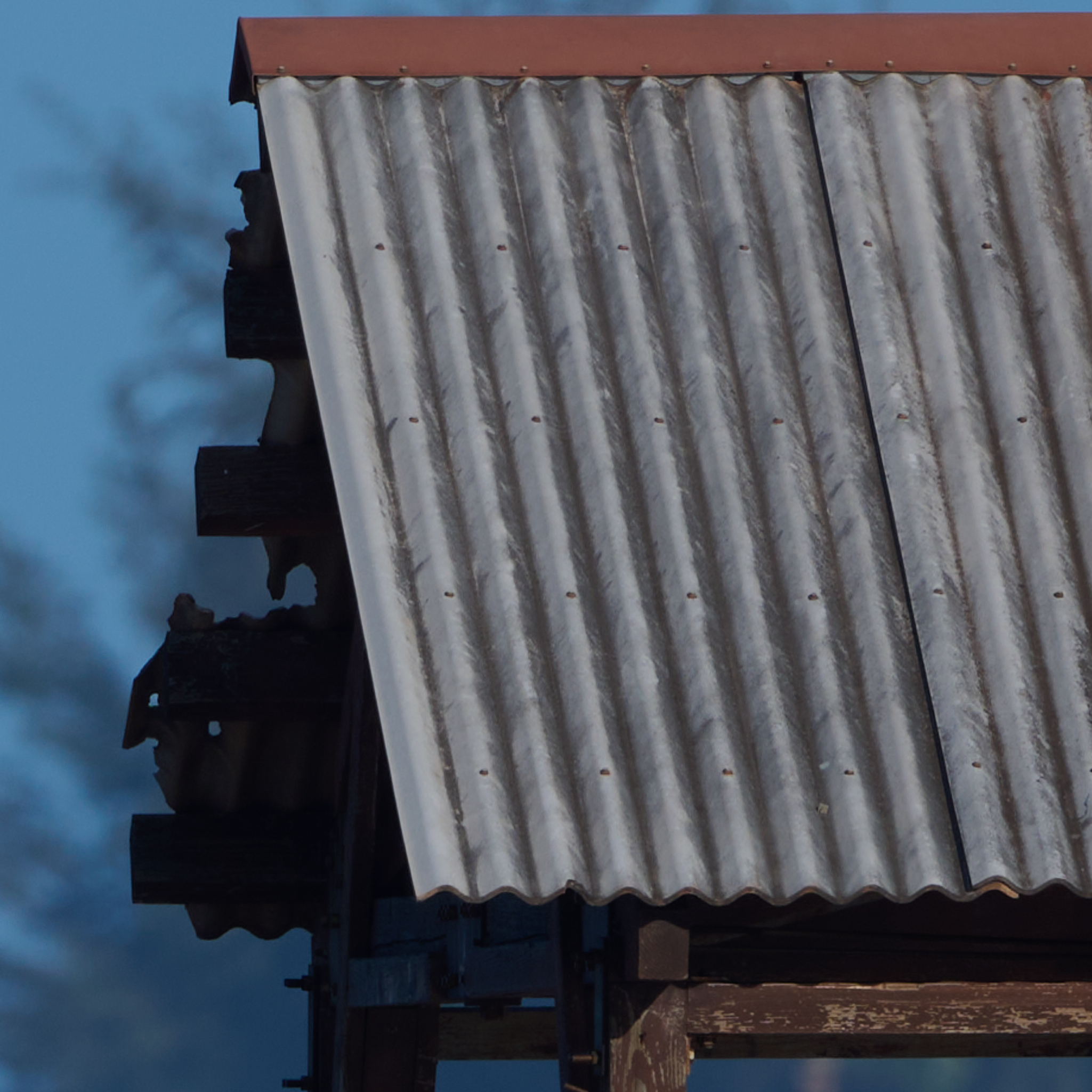
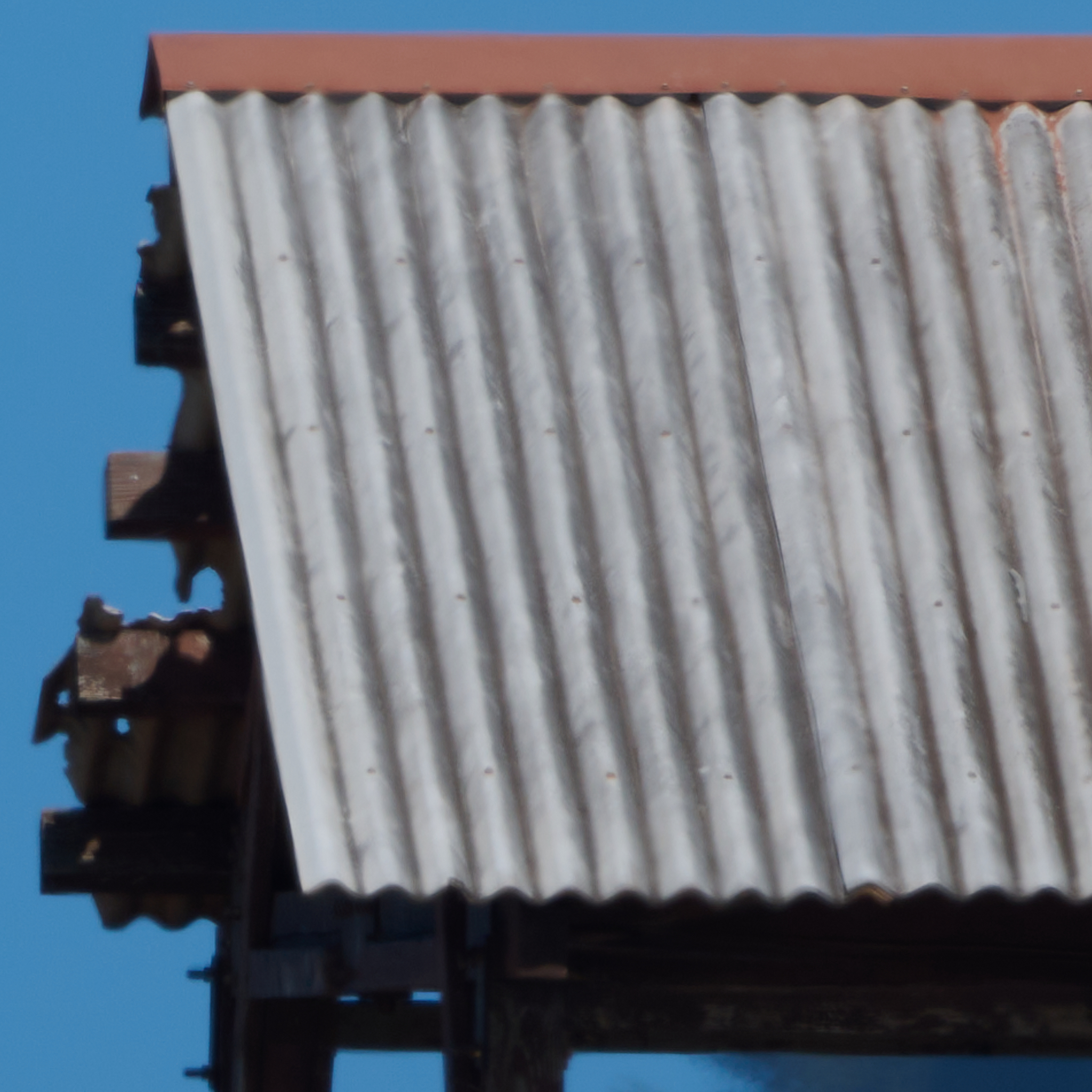
At long distances, differences in the quality of the image coming from the Z 800mm when a Teleconverter is in use (or not) are more noticeable.  Below are images shot with the 2x Teleconverter and without. The first two images are at Full Frame.  The last two are cropped at 100% size.
*** Jeff’s Thoughts & Other Worthless Trivia ***

The decision to move to the Nikon Z Mirrorless format starting with the Z9 Camera feels better and better as each day passes.  It feels better and better as each new Z S Type lens enters the marketplace.

For my action and wildlife shooting, the Z 800 is a great addition to the kit.  Given its low-price point (as compared to the other offerings) the Z 800 is a brilliant addition to the kit.  Is it perfect?  Hardly.

What pleases me most? I have the camera and gear to get a wide range of action shots at my fingertips. I feel I can get most every image I desire.  If the results are lacking?  It is the photographer.
Z 20mm
 

Z 70-200 with 2x TC at 400mm


Z 800mm with 2x TC at 1600mm
Capturing Nikon – 800mm Z – At Distance In Heat

The new Nikon Z PF 800mm VR 6.3 S lens has been receiving rave reviews.  Reviews from cameralabs, Photography Life, photoblogger, PetaPixel, and others sing its praises.  The lens is worthy of the praise.  I feel the same about the lens. The Nikon Z 800mm VR PF 6.3 S lens is a keeper for use in my kit. 

Almost all of the reviews point out the strengths and weaknesses of a Phase Fresnel designed and constructed lens. The images presented in these reviews show off the strengths of the lens – many of which are jaw dropping spectacular.  But what about the weakness’? What do those images reveal? What is the implication to me as a photographer? I could not find any discussion with example images. 

So I decided to test the Z 800mm in a shooting condition we might hope for it to perform well, but is not its strong suit.

First… There is a lot to Like

Below are example images I have captured with the lens Hand Held – an astonishing option for me as a photographer.

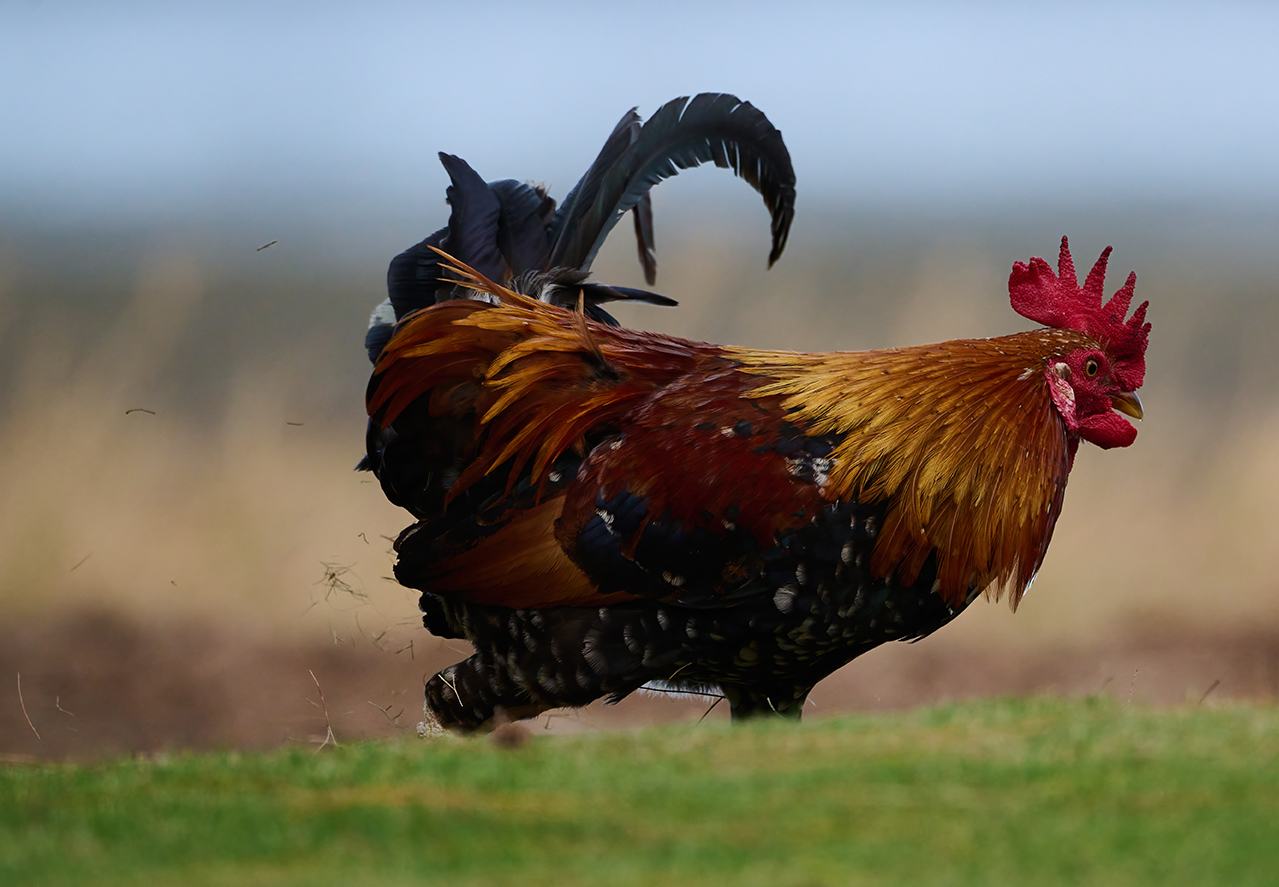
Rooster on the Roost – Hand Held Capture

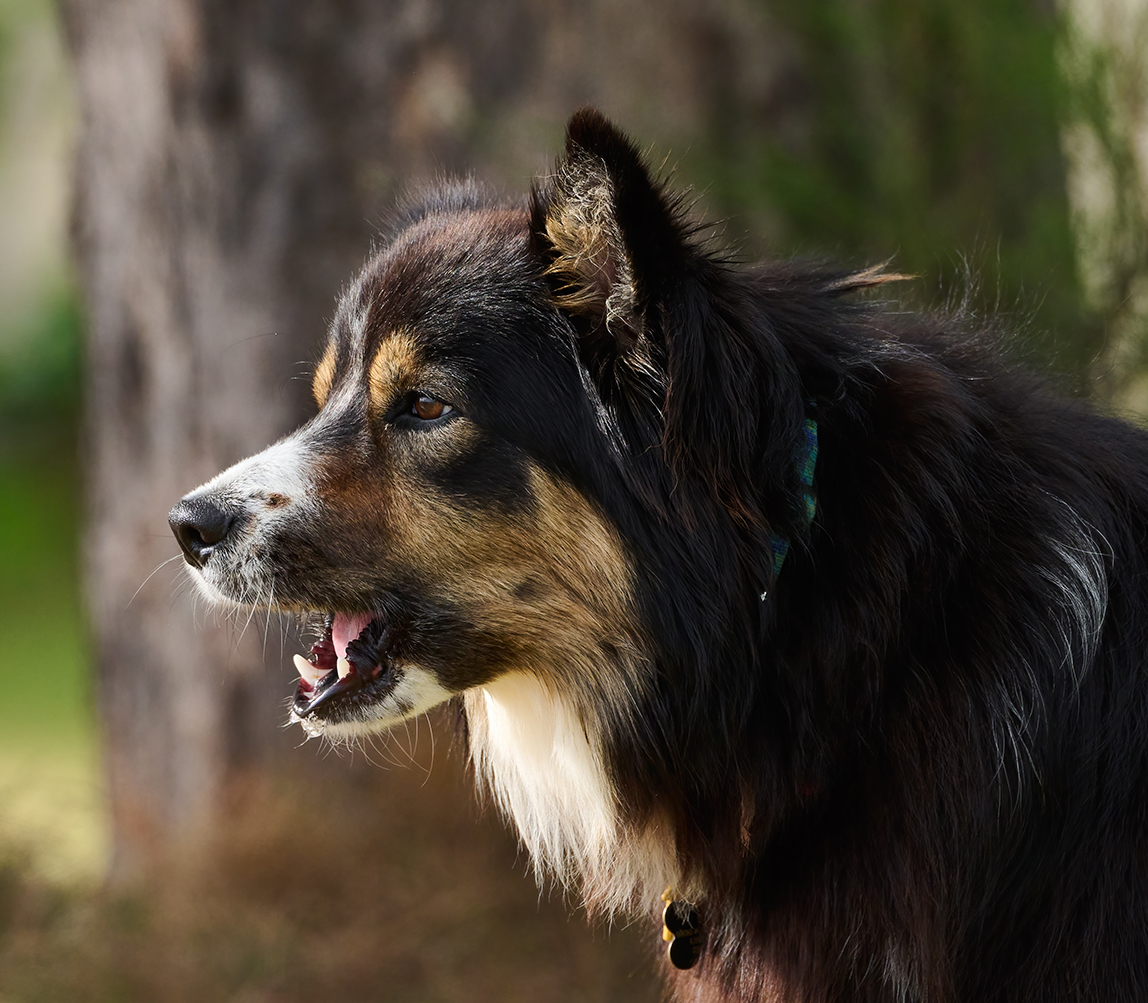
Call of the Border Collie. Hand Held Capture


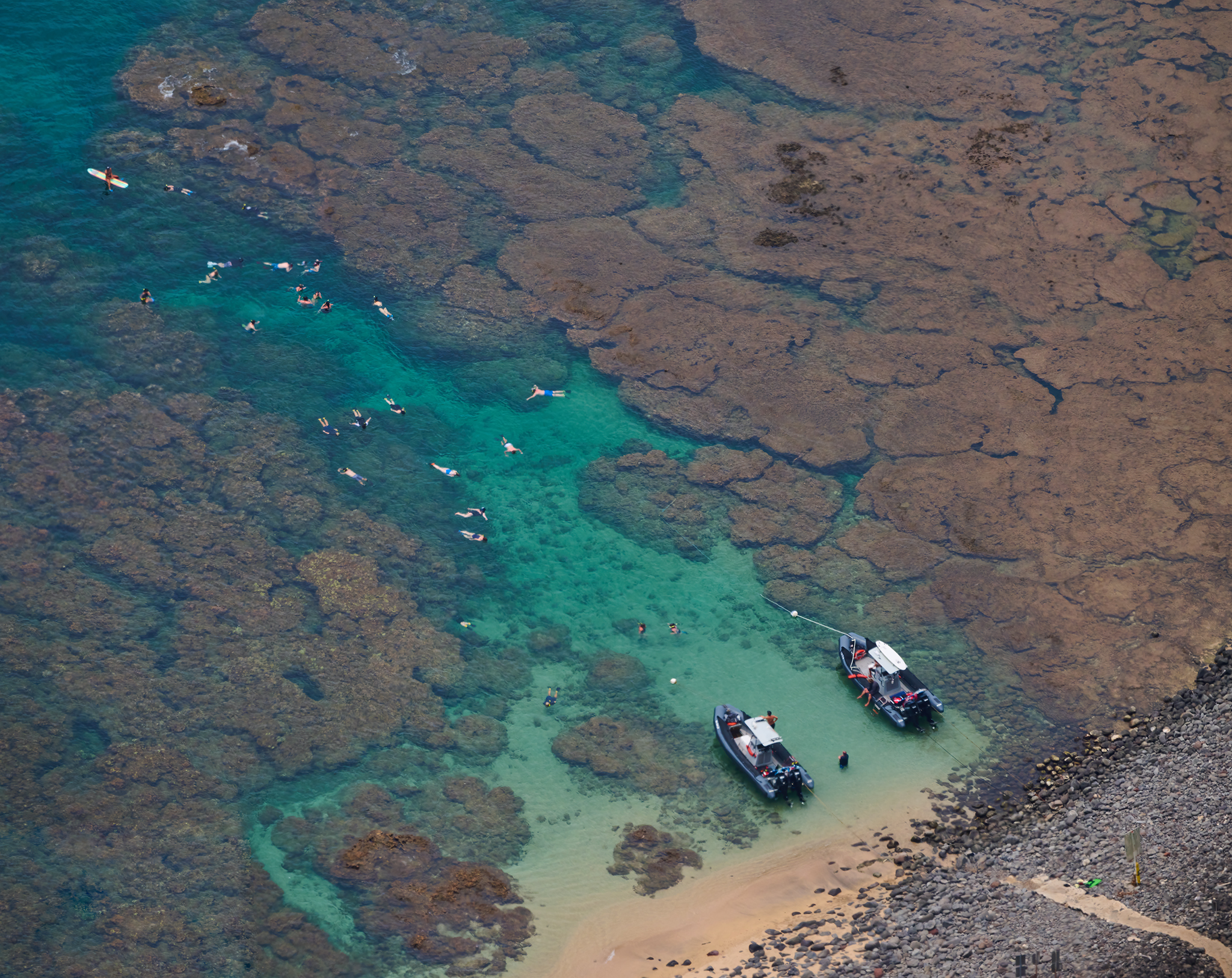
Swimmers and Snorkeler’s at Nua’lolo Kai Beach on the Na Pali Coast Kauai. 2,125 vertical Feet above and 1/2 mile away. Hand Held Capture

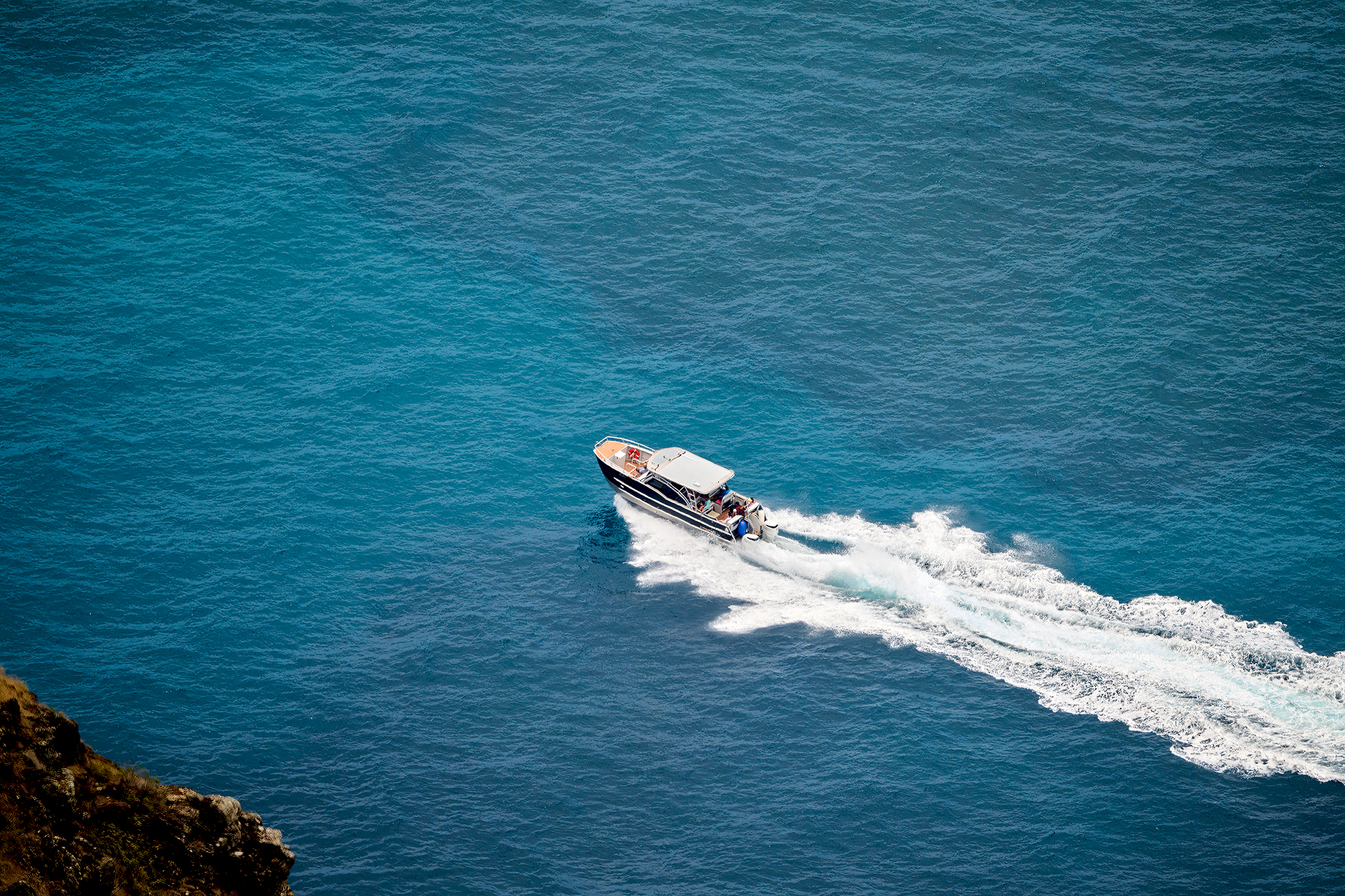
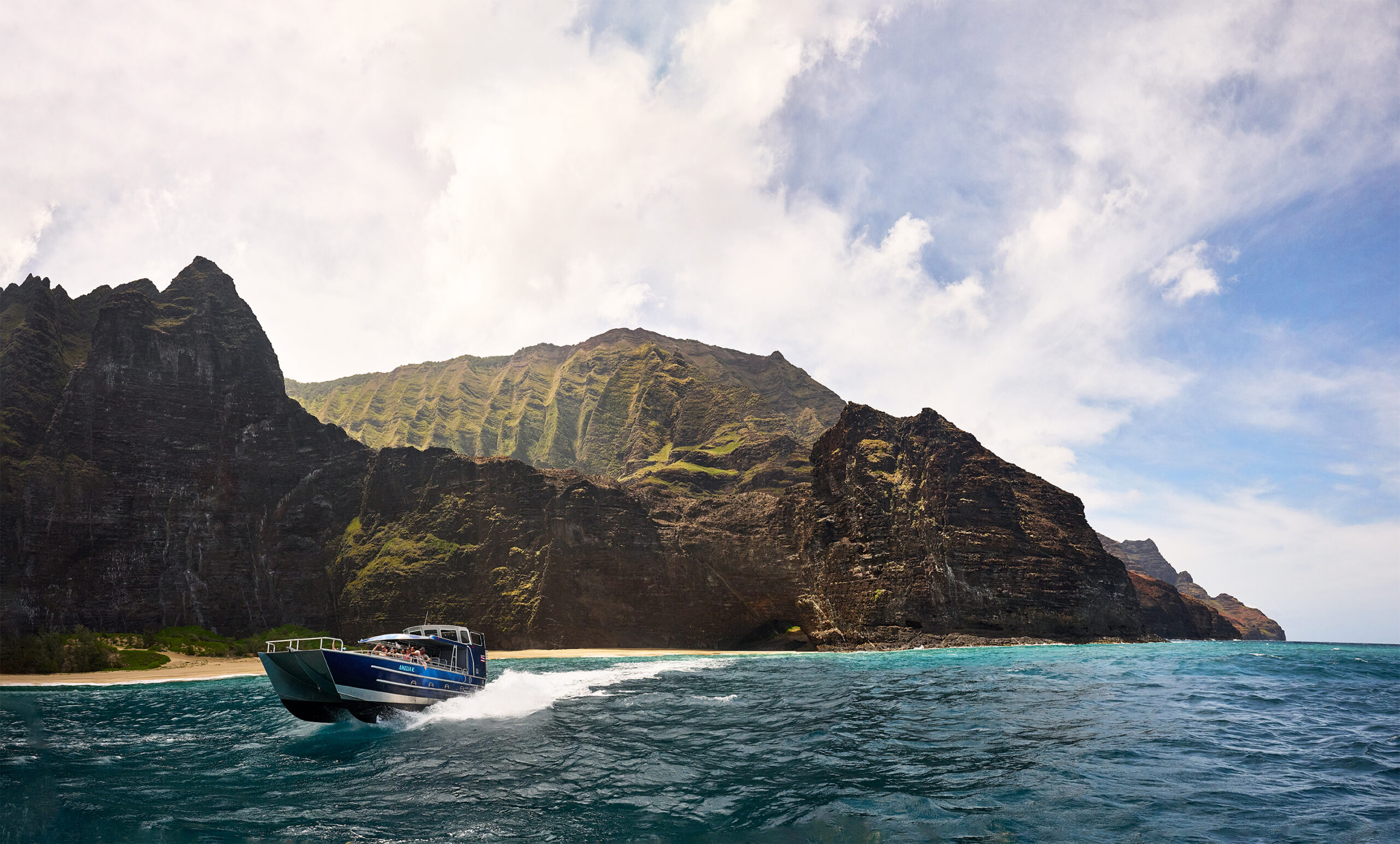
The Seiko of Makana Charter Tours leaves Nua’lolo at high-speed one mile in the distance. Hand Held Capture. My friend Dave often is the captain of this boat. The image is captured moments after arriving at cliffs edge and rushing to pull the camera and lens out of the bag. I was shocked to see a remarkably focused image.

The Test To Establish Where A Weak Spot Appears

Long lenses by their very nature are materially impacted by heat, sun angle, and distance to subject.  The Phase Fresnel type is even more subject to their presence.

So what does it mean to me as an owner of the lens?  The Nikon Z PF 800mm VR 6.3 S lens is going to struggle to produce an image of exceptional quality in 80+ degree (F) temperature, mid-afternoon, and the target is 1/3 of a mile in the distance. 

I am not telling a story most of us do not already know.  However, I believe it is important to know the limitations of your gear. This way you work to their strengths, and do not set yourself up to fail – unknowingly. It is great to have first hand experience and a fair comparison.  This approach allows me to know the true impact.  

The Test

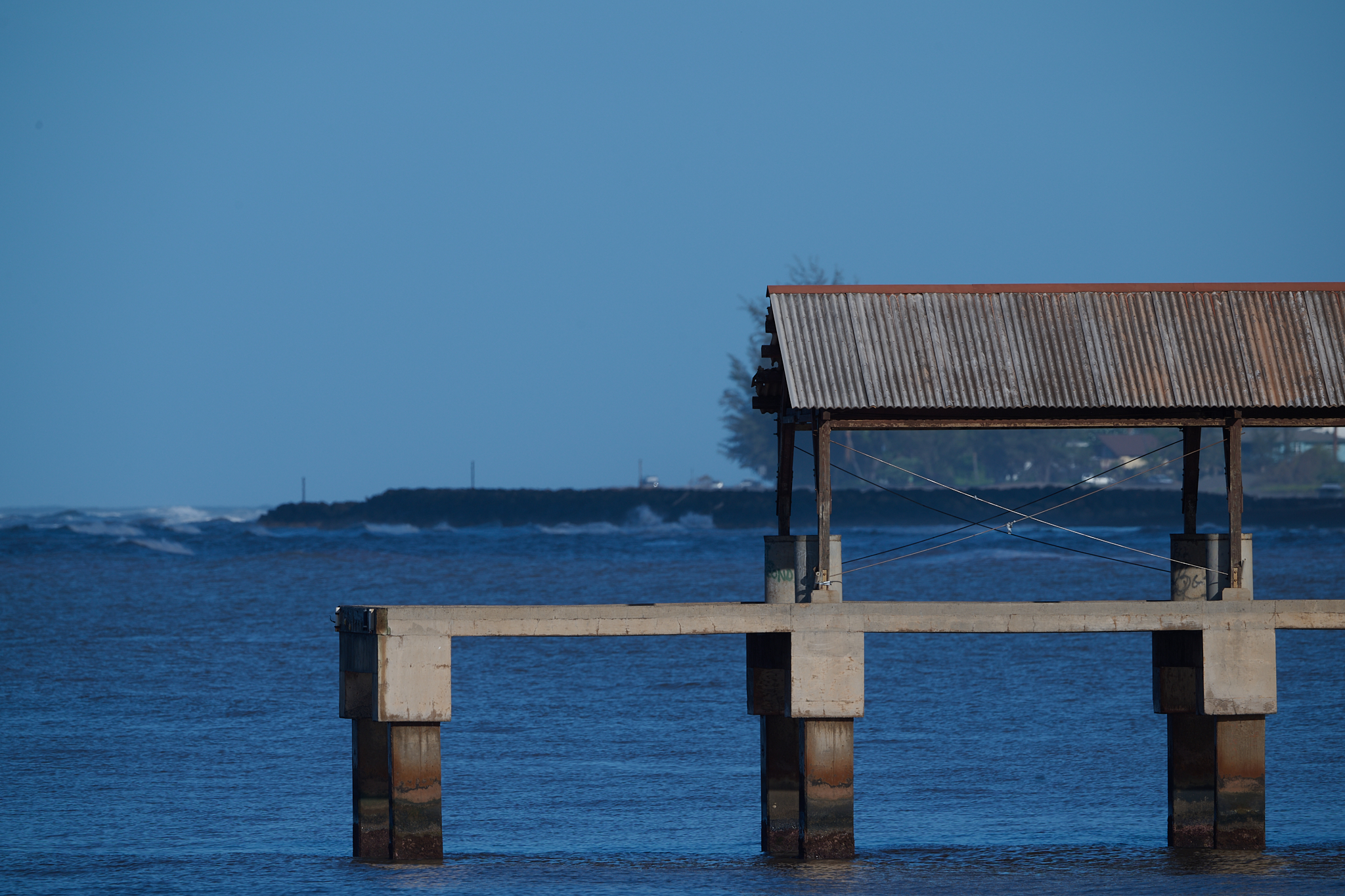
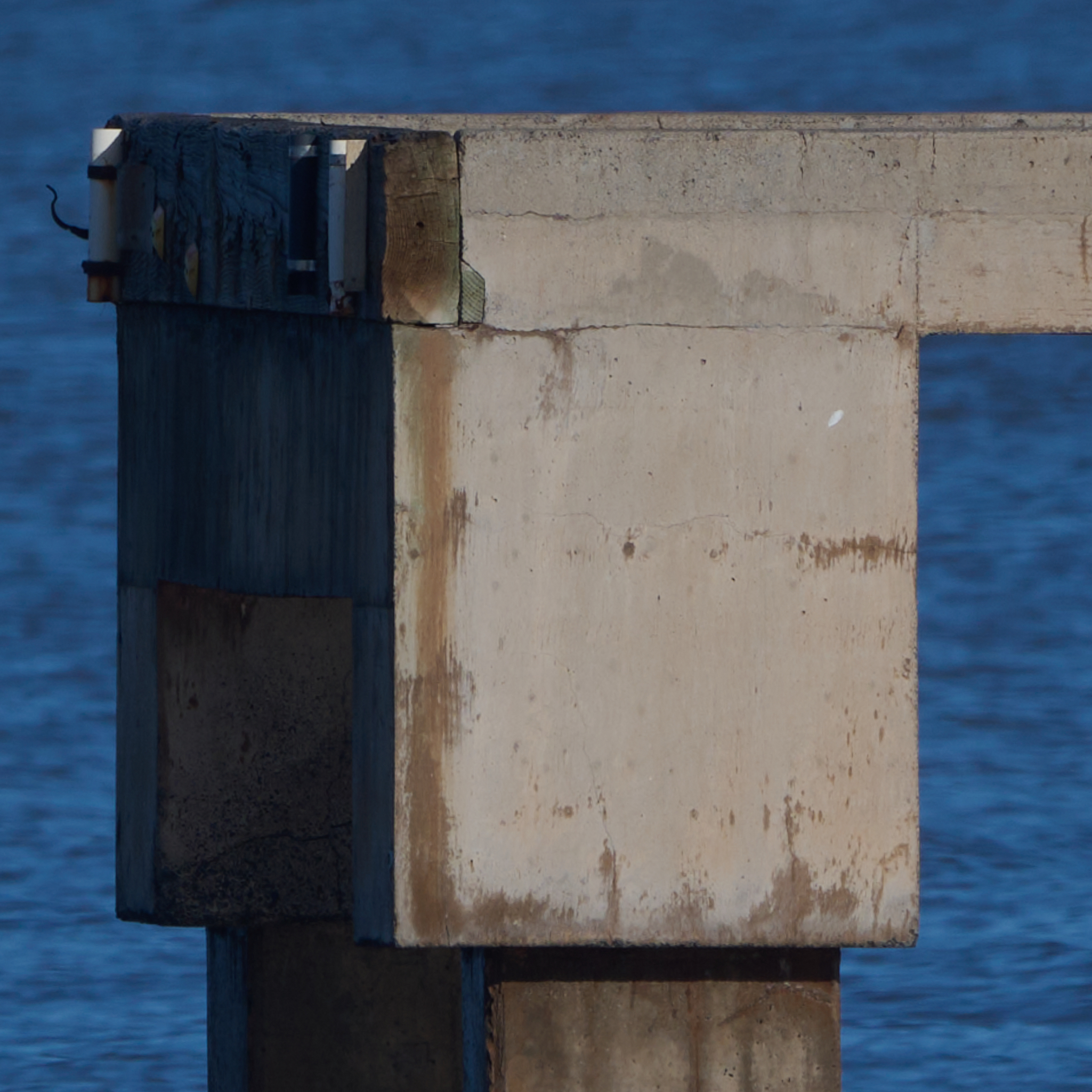
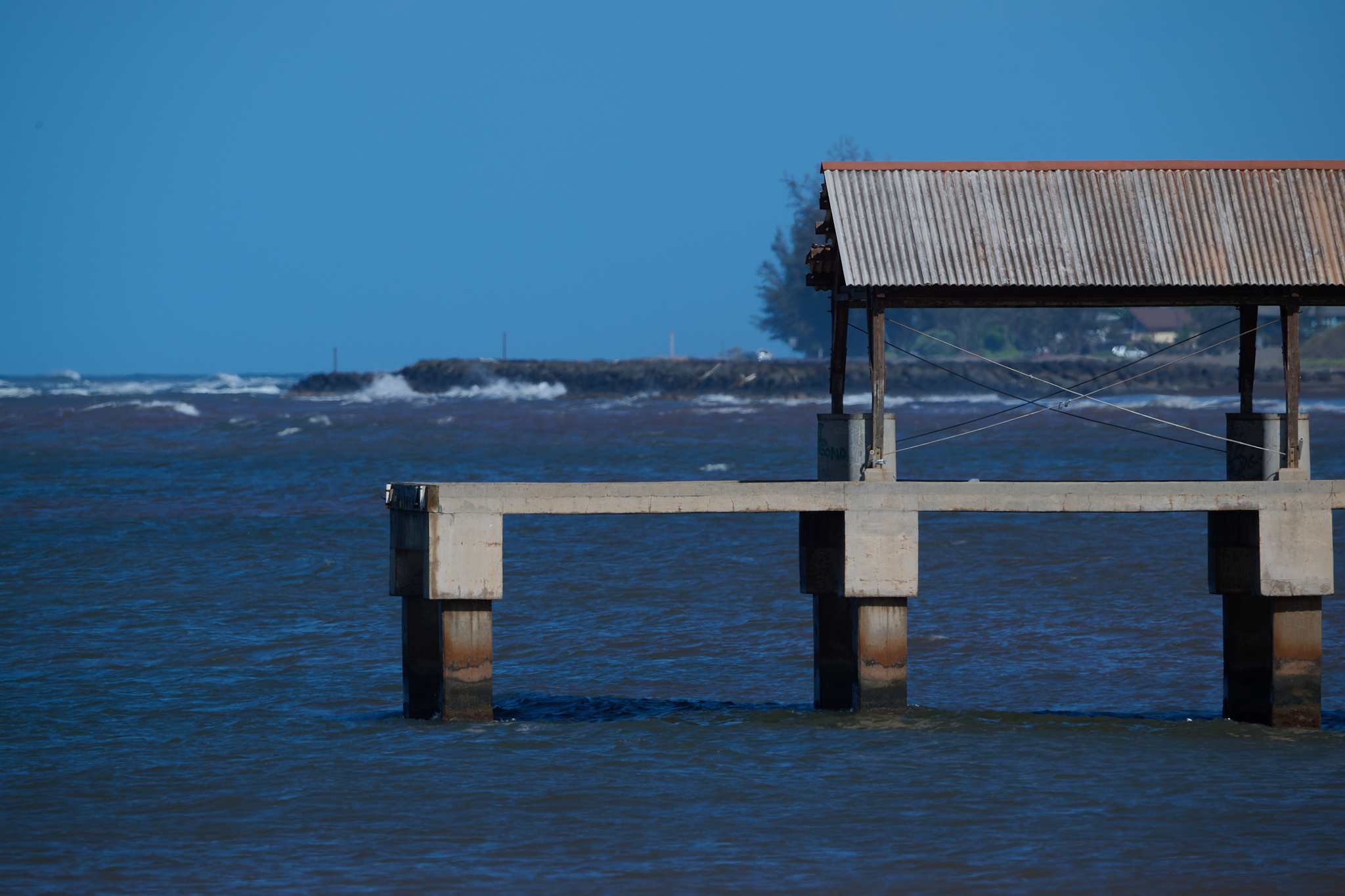
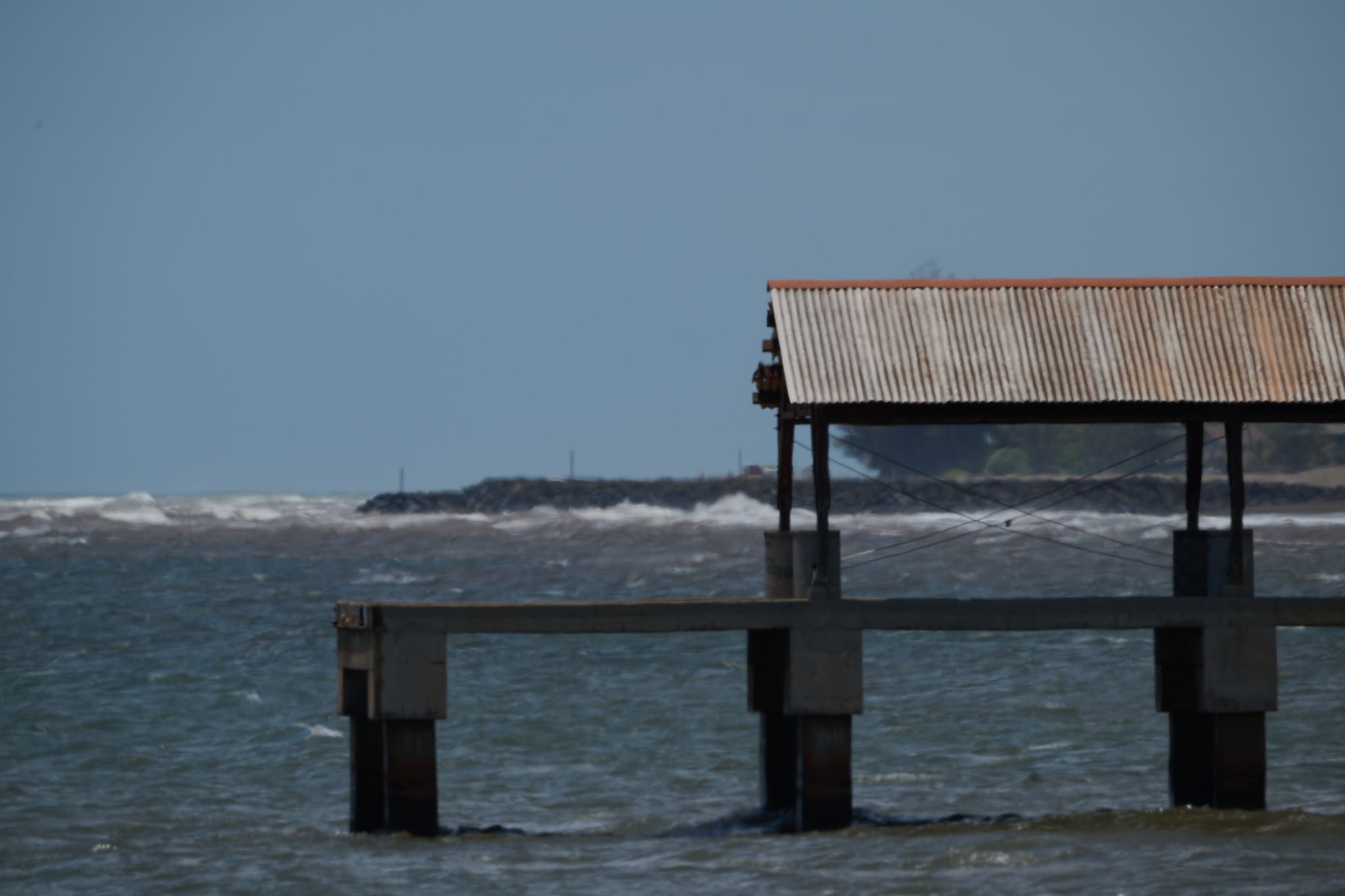
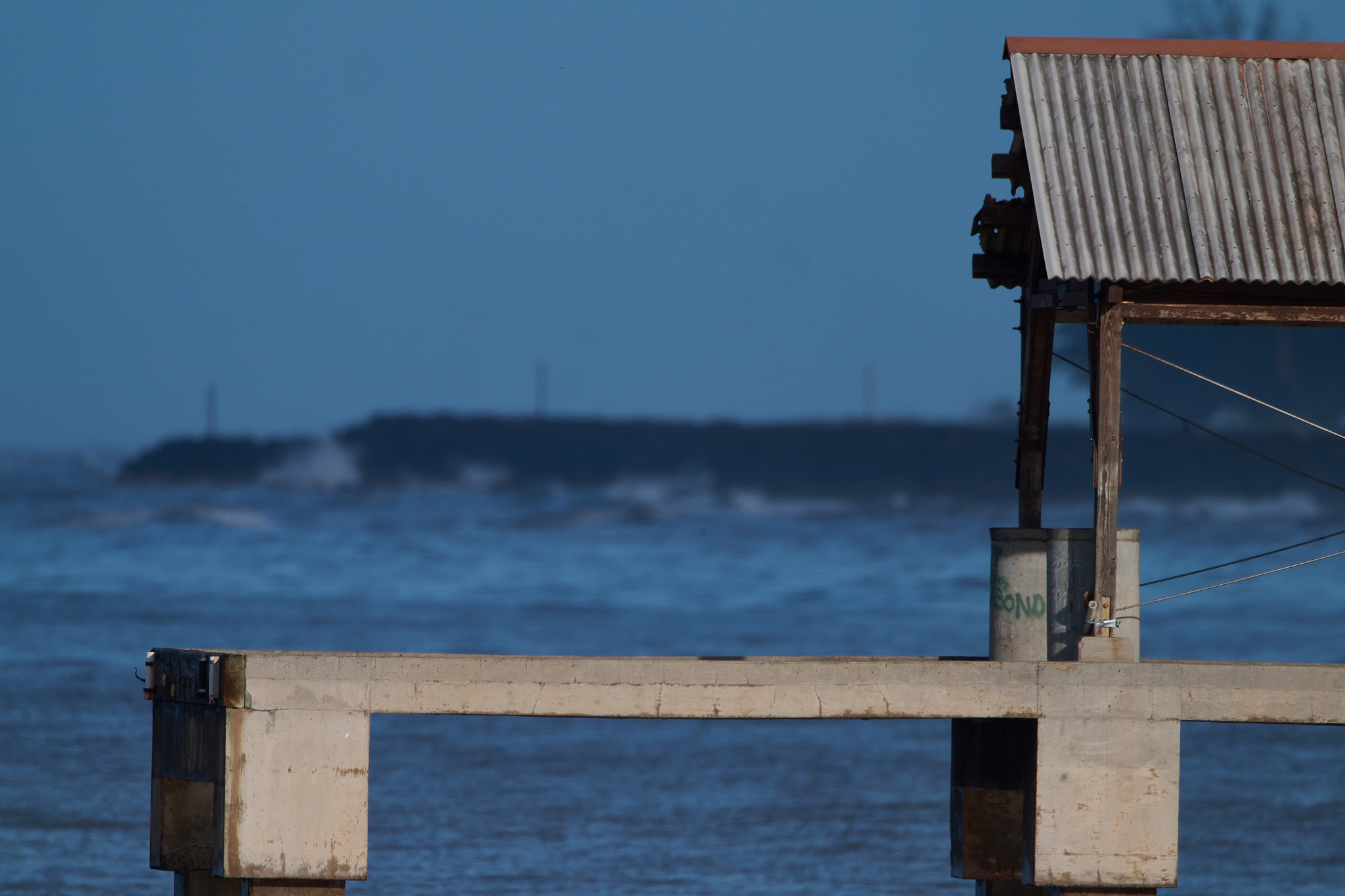
Below are images of the Public Fishing Pier in Waimea, Kauai, Hawaii, USA taken at 1/3 mile distance.

Tripod:  Yes – Gitzo with Arca Swiss Head. Properly leveled.

Camera:  Nikon Z9

Shooting Solution:  ISO 64, 1/250th of a second, f11, 14bit Adobe Color, RAW, Auto Focus, Focus Area sWide.

No adjustments are made to the images post capture and are exported as JPEG’s at 2048 pixels and 72 pixels per inch in sRGB Color.

Full Frame

7:30AM 74 Degrees (F)

9:00AM 80 Degrees (F)

10:00AM 83 Degrees (F)

1:00PM 85 Degrees (F)

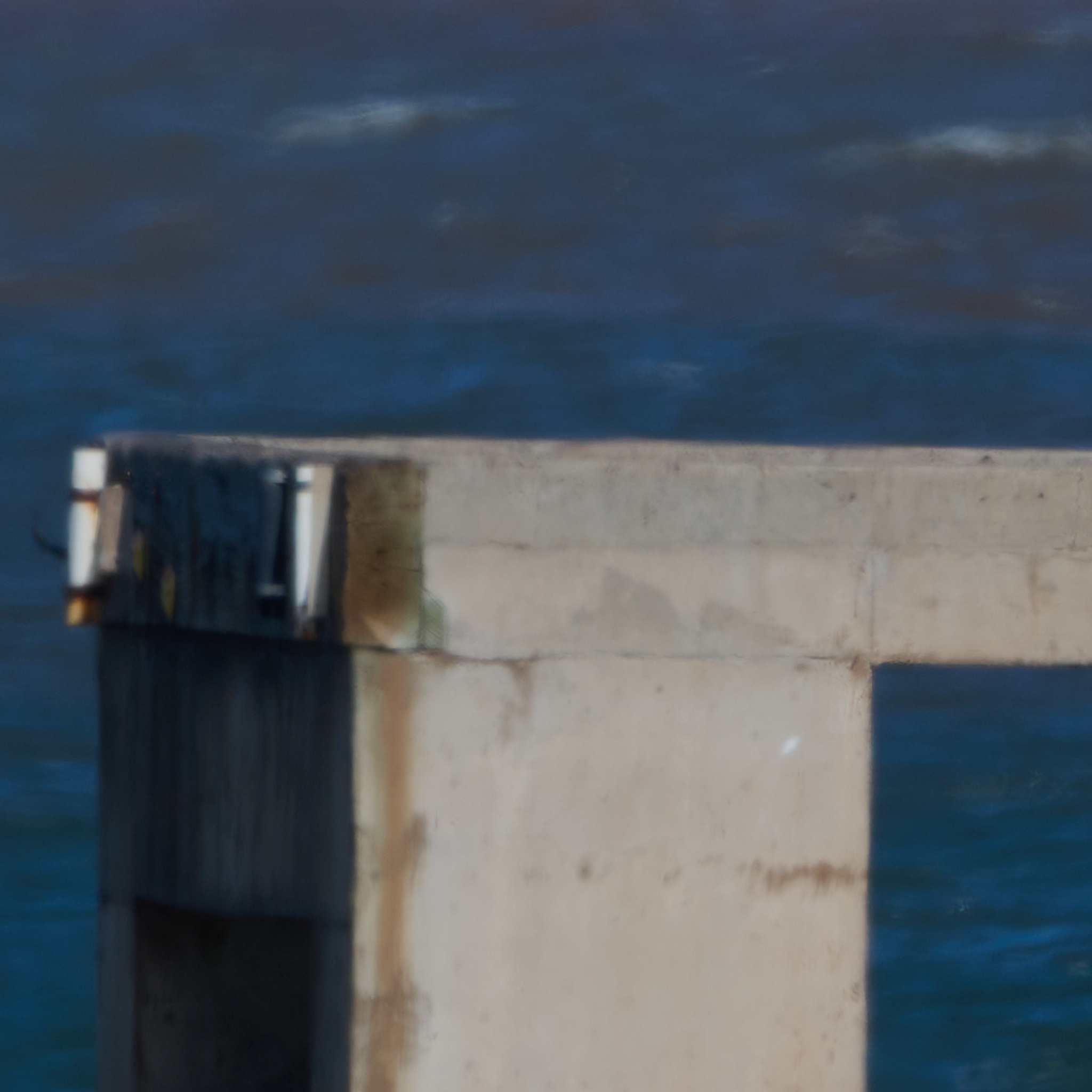
End of the Pier – 100%

7:30AM 74 degrees (F)

9:00AM 80 Degrees (F)

10:00AM 83 Degrees (F)

1:00PM 85 Degrees (F)

Middle of the Pier – 100%

7:30AM 74 degrees (F)

9:00AM 80 Degrees (F)

10:00AM 83 Degrees (F)

1:00PM 85 Degrees (F)

Roof of the Pier – 100%

7:30AM 74 degrees (F)

9:00AM 80 Degrees (F)

10:00AM 83 Degrees (F)

1:00PM 85 Degrees (F)

What is my conclusion after performing the test?

The Nikon Z PF 800mm VR 6.3 S lens is not going to be yielding its very best results when the sun is high in the sky, it is hot and humid, and your target if way off in the distance.  Let’s be clear, Nikon never promised such a result, and was upfront about the pluses and minuses.  It should also be known, these extreme kind of outlier conditions are not desirable for image capture anyway.

The Nikon Z PF 800mm VR 6.3 S lens is an outstanding lens.  I am pleased to own one. I look forward to the continuation of capturing superb images, that would otherwise not be available to me without this lens.  Also, I am glad I know, first hand, its limits and my limits in understanding how to use the lens.  I will continue to seek further understanding of how to best use the lens.  Great job Nikon.

*** Jeff’s Thoughts and Other Worthless Trivia ***

My friend and consul Alex Laws often says to me, “Do not go to a Hot Dog Stand expecting to be served Chinese food.”  What is the tie?  I did not make a mistake in expectations. I did not expect a PF lens to operate at its highest level of performance with the Sun beating beating directly overhead, in high humid temps and my target located way off in the distance.  This test successfully told me the limits as I currently understand them.


Capturing Kauai – Traveling with the 800 to the Cliff’s Edge at Nua’lolo

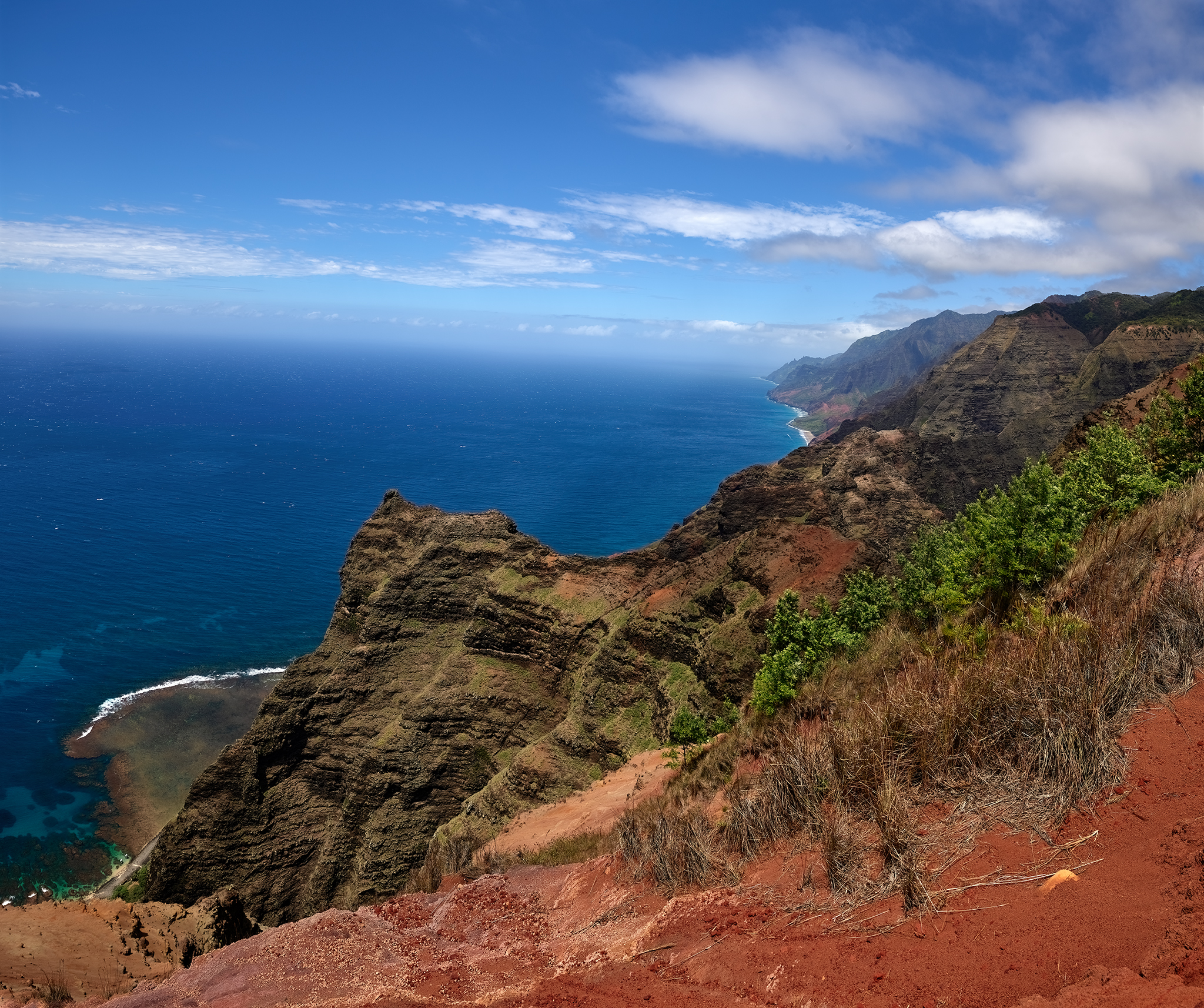
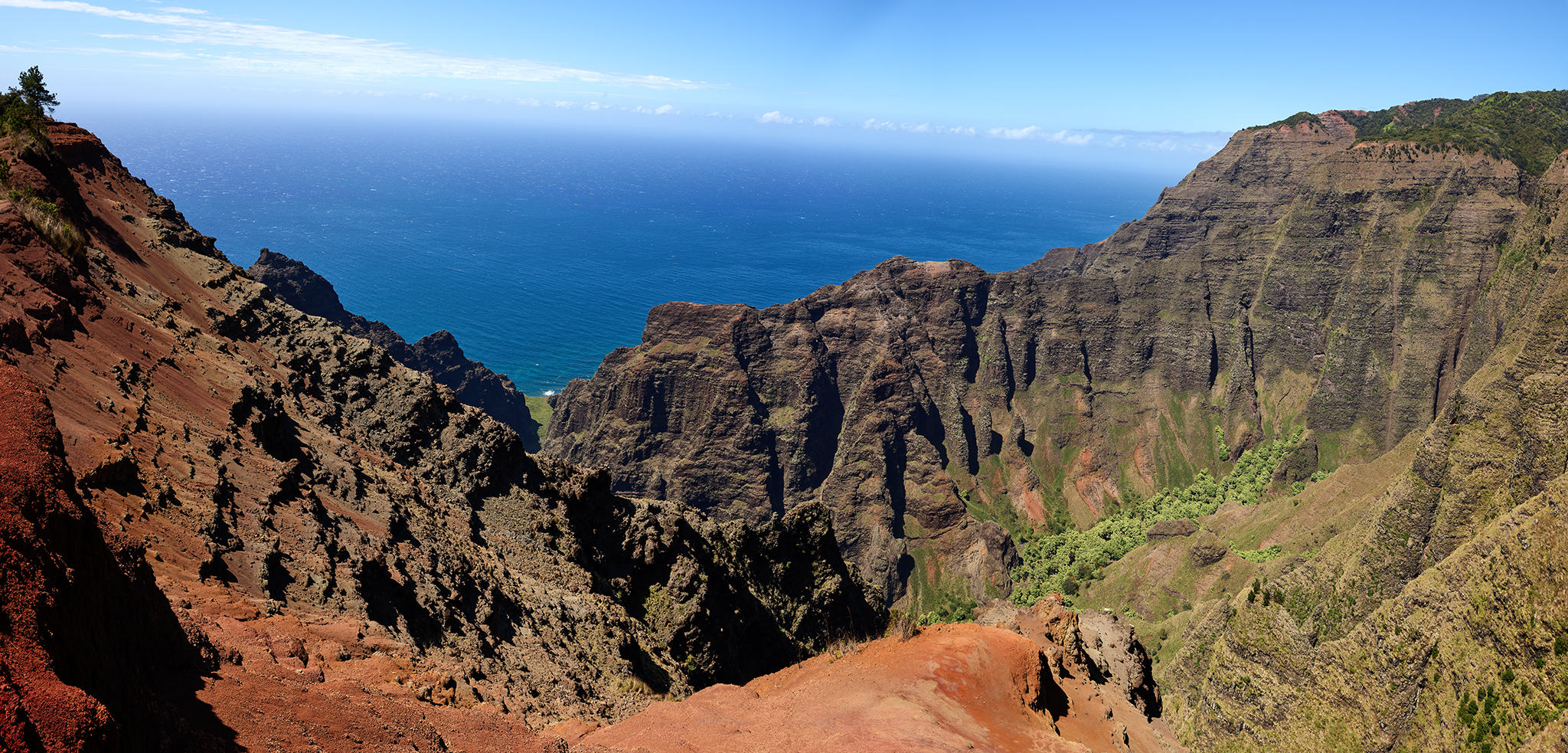
The setting is the Nua’lolo Trail on the Na Pali Coast on the island of Kauai.  I am hiking the route for the 2nd time in eight days.  This time I have added the new Nikon 800mm Z PF 6.3 S lens to the gear being carried on my back.  My intention is to perform distance resolution testing on the lens from the cliffs of Nua’lolo.  The vantage point is 2,125 feet above the Nua’lolo Kai beach at 1/2 to 1 mile distance.  In the image below, the beach and corral reef is located in the bottom left corner.

The Na Pali Coast mid-afternoon as seen from the cliffs at Nua’lolo.

The beach in the image above, is but a tiny piece of the total picture.  Below are pictures of the beach and the surround area using the 800mm lens from the same location.

Snorkeler’s take in the fish and corral reef at Nua’lolo Kai Beach on the Na Pali Coast of the island of Kauai.

Snorkel Away

Seiko, a boat that is part of the Makana Charter Tours pulls away form Nua’lolo.

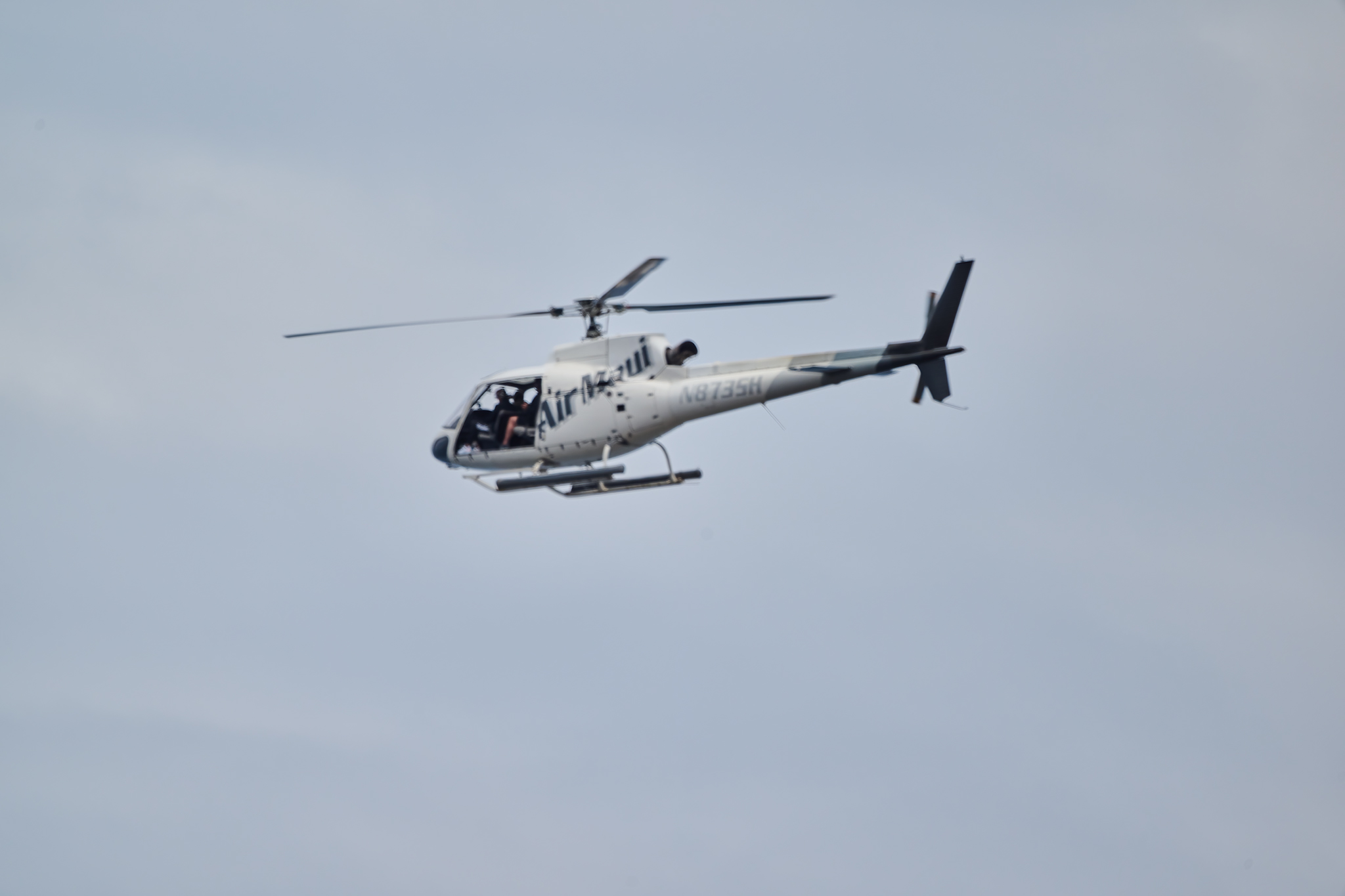
A helicopter part of the AirMaui tour groups flying over Nua’lolo.

I carry in a Mono-pod of which I plan to place on the lens.  This is to add stabilization.  Given the exceptionally steep terrain and materially downward focus, the monopod is effectively useless.  I remove the mono-pod.  Therefore all of the images captured are Hand Held.  All of the images are full frame 35mm without any cropping. The top image is actually multiple images stitched together and reduced in size.

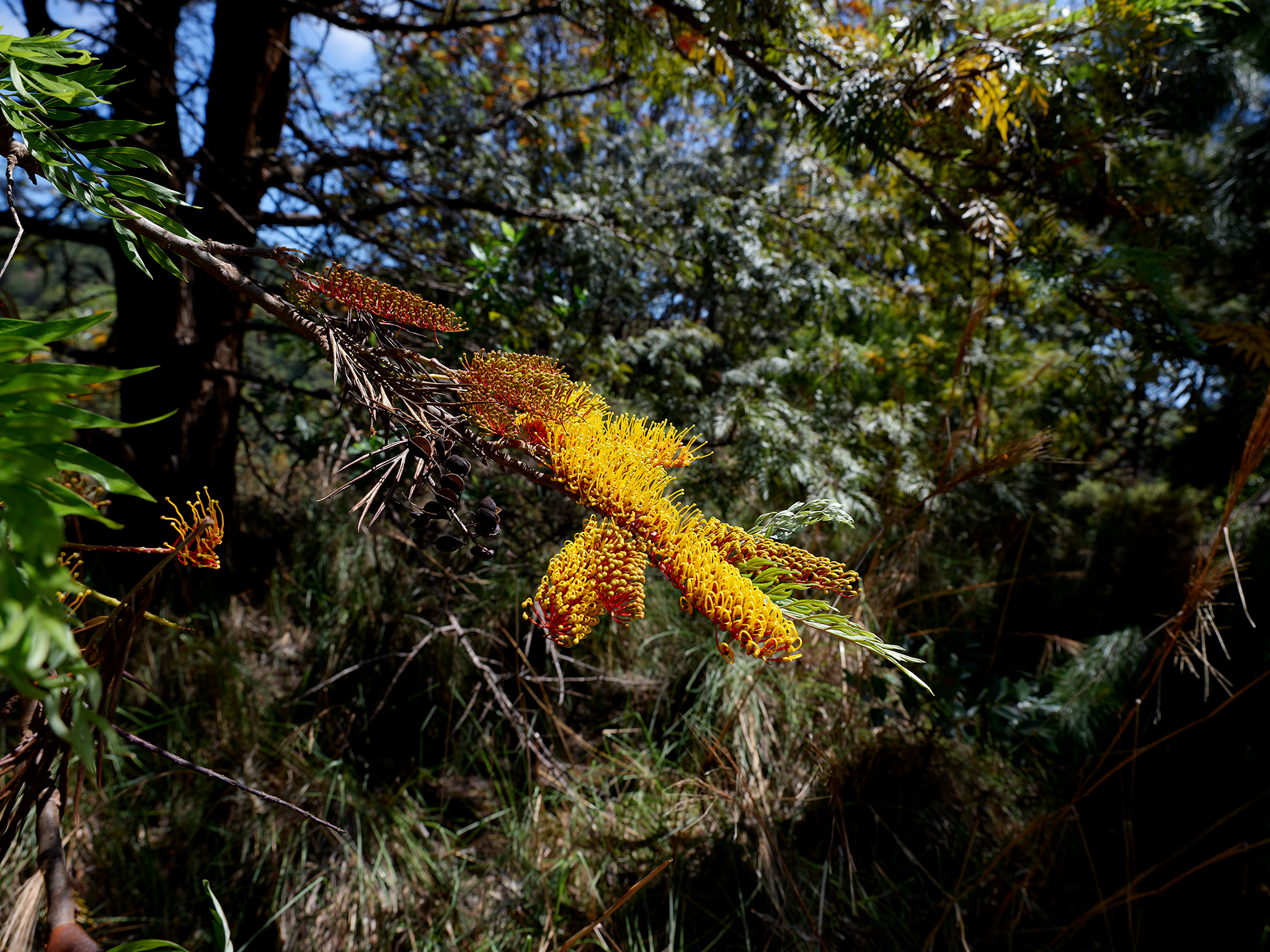
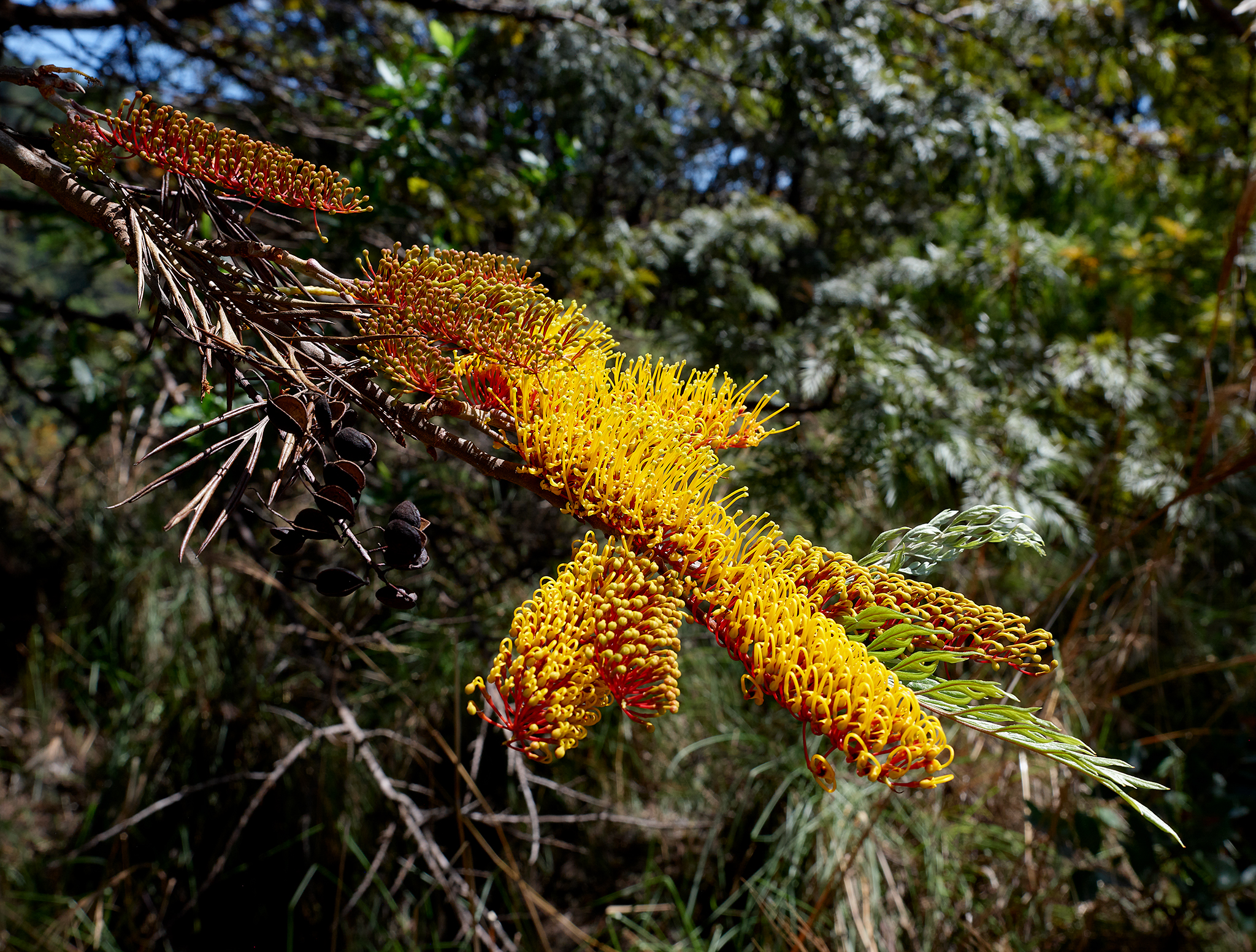
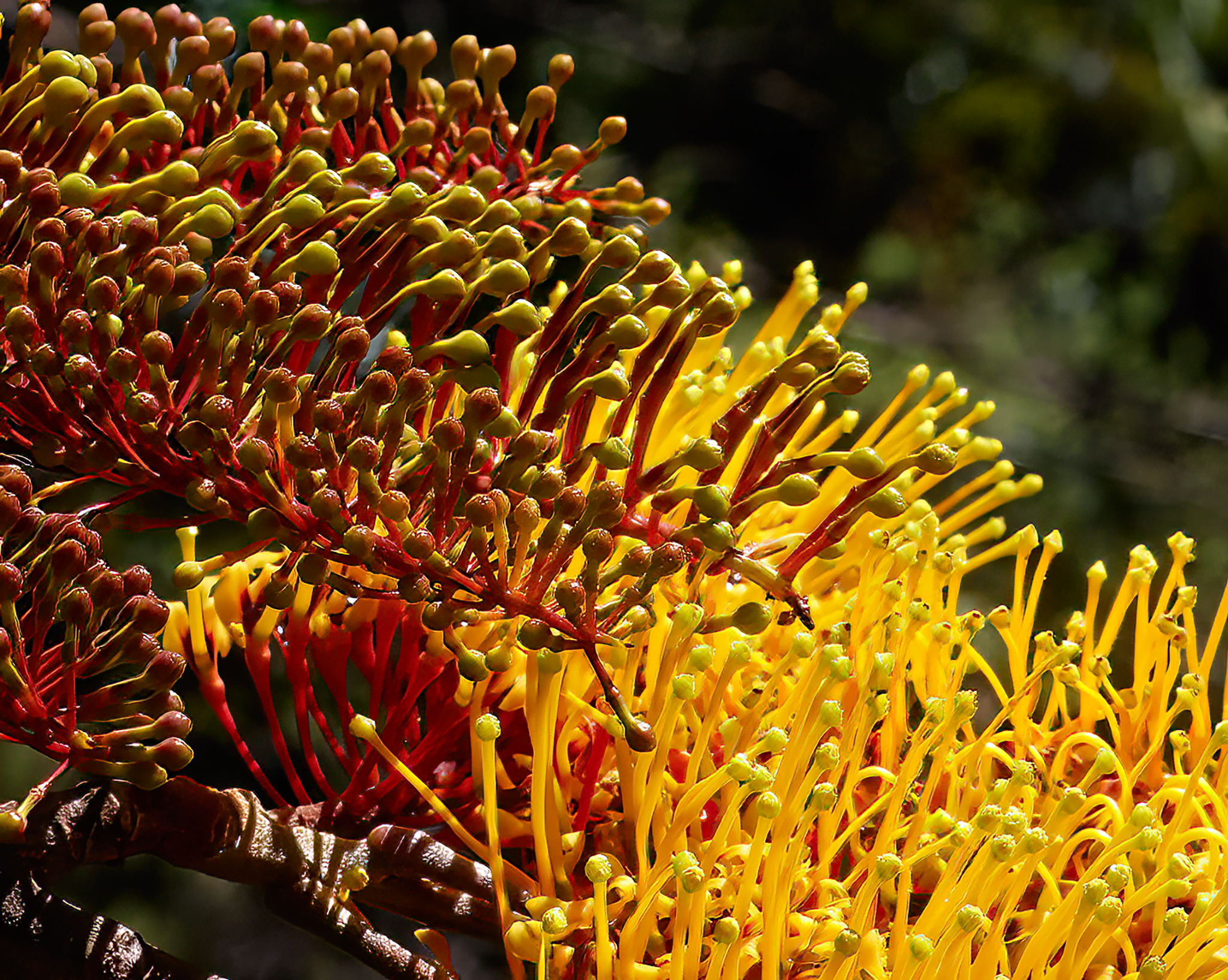
A Flowering tree in a grove of trees near the cliffs.

The Nua’lolo Canyon at mile 3.25 on the trail.

*** Jeff’s Thoughts and Other Worthless Trivia ***

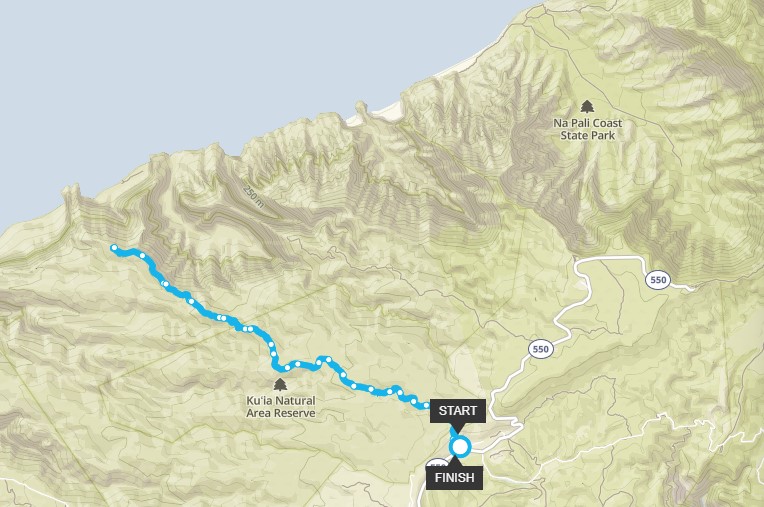
The Nua’lolo Trail to Lolo Point is 7.6 miles (round-trip) and involves about 2,500′ vertical gain\loss.  The addition of the Cliffs makes the trip 8.5 miles and 2,800 vertical.

Old Guy Lots ‘a Gear on the Back

Yesterday turned out to be a bigger test of me that for that of the lens.  My total hiking travel for the day would be over about 13 miles.  The 8.5 miles and 2,800 vertical feet of gain on the Nua’lolo involved carrying a bit north of 50 lbs. of camera gear.  The return to the trailhead was conducted in full sun and HI temperatures.  Last week’s shoot was conducted under partly cloudy skies, ten degrees cooler, and with 13 pounds less in weight on my back.  Luckily I had packed enough water and food for the trip.  I decided to conduct the return at 2/3 my normal pace.  This proved to be a smart move.

I bring extra water and food, not only for myself or the Border Collies, but other people on the trail.  Yesterday I gave rations of water and trail-mix to others who could benefit.

Who’s Crying Now

I am fortunate to be able to photograph with the very, very, best gear available to a professional photographer. Right now that means Nikon in the 35mm arena and PHASEONE in the 4×5 arena.  I brought kits from both on yesterday’s shoot.  The Nikon Z Mirrorless offerings are the new Darling of the industry. So far, Nikon has earned every bit of praise.  PHASEONE remains the industry standard for image quality.  While I whined and complained on the way down and up for this shoot – I am sure glad the gear was at my beck and call.