March 2026
M T W T F S S
 1
2345678
9101112131415
16171819202122
23242526272829
3031  

A Trip To Spain: Sevilla

Authors NoteLinda and took an 18 day trip to Spain.  It was not part of a professional photo-shoot. I carried only an IPhone and the Sony RXR1 as photographic gear.  It was agreed, as with most vacation trips we take, the photos would be captured as Tourist shots.

Sevilla is the Capital and largest largest city in the autonomous region of Andalusia in the country of Spain (685K city proper 1.5M metro). Sevilla is a special place.  Sevilla is old (founded 2,200 years ago) and it is new (hosting the World Expo in 1992).

As with many European cities. Sevilla is a walking town, and Linda and I are walking people. Linda and I stayed six nights in a wonderful home in the center of town (Triana).  The home was completed this year (2022) using a centuries old building that was gutted. We had easy access to museums, places of historical note, Flamenco shows and other terrific local establishments.

The big tourist spots (The river-front, Alcázar, Sevilla Cathedral, Barrio Santa Cruz, Archivo, General de Indias, and Hotel Alfonso XIII) are worth every moment of your time. We really like the fact we could walk from our home in the Triana District to these areas of interest.  It allowed Linda and I to learn a great deal about Sevilla and its residents.

While we visited, the Sevilla Film Festival was in full swing.  The Lubeck’s cannot pass up seeing a movie.

If the town looks familiar, there may be another reason.  Sevilla was used extensively in the series Game of Thrones.  Also Sevilla doubled as Cairo in Lawrence of Arabia (arguably my favorite film).

Since the age of five, I have dreamed of standing in the location set as the British Officer’s Club (Hotel Alfonso XIII atrium and parlor) where Lawrence demands a Lemonade for he and his companion who accompanied him across the desert.
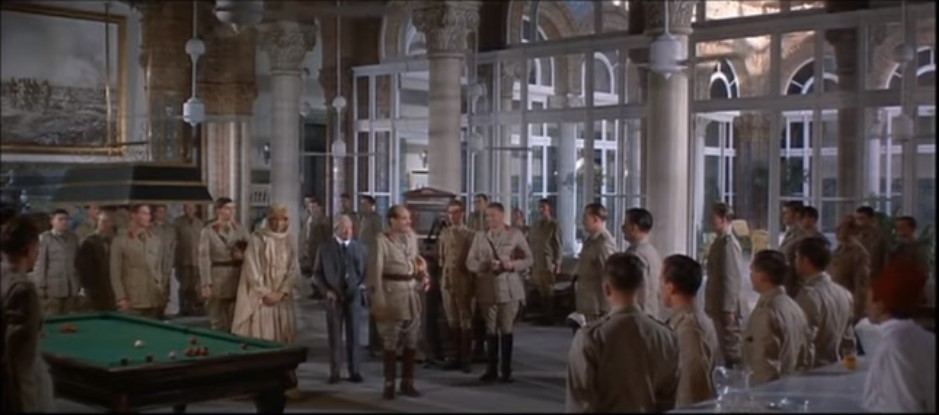
Lawrence enters the British Officer’s Club. Courtesy Columbia Pictures
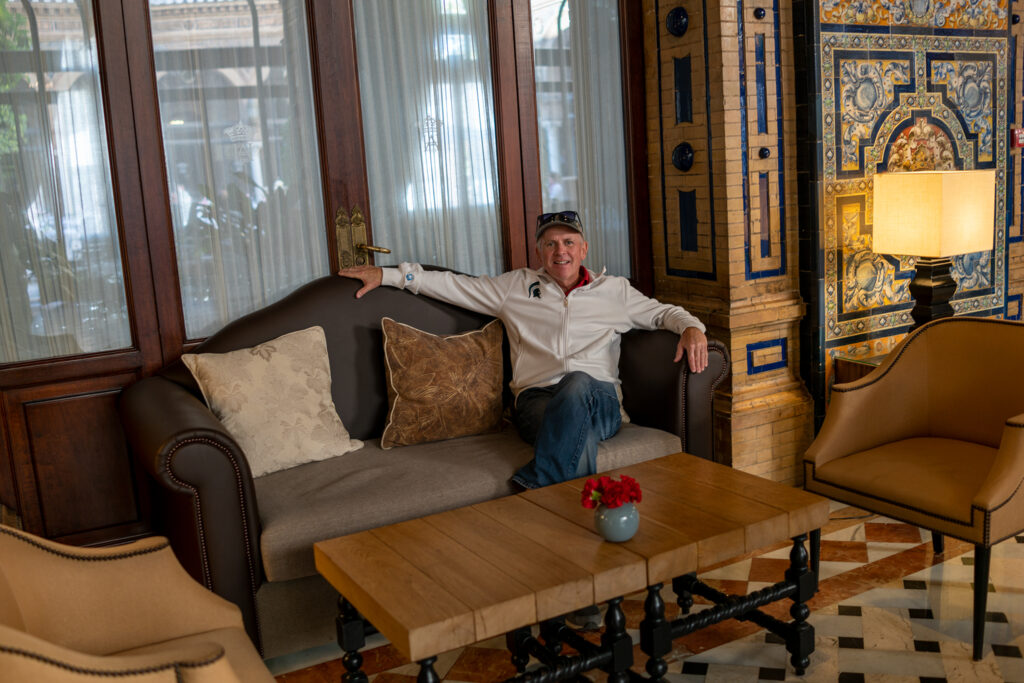
 

Jeff sitting in the Hotel Alfonso XIII in Seville where the camera would have been located to shoot the scene above. Notice the reflection of the atrium.
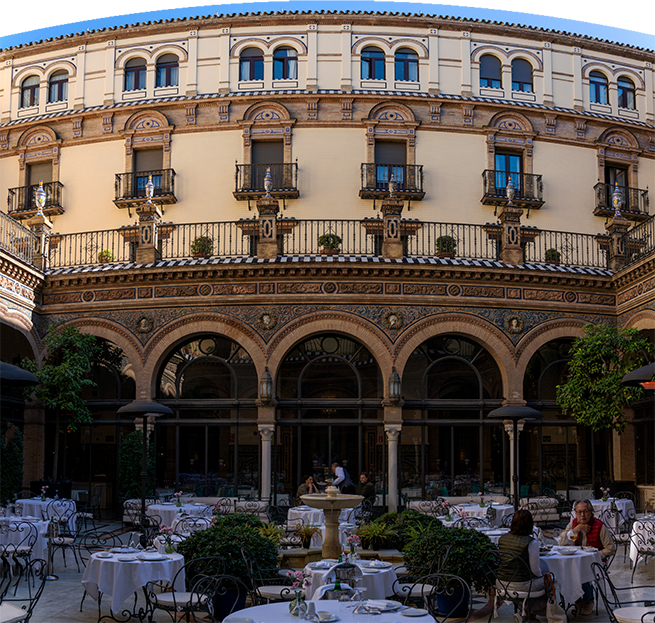
Hotel Alfonso XIII, Seville

Present day Sevilla has kept, respected, and integrated different cultures, religions and architectural styles.  Today its population is young and vibrant.  The city center (including Old-Town and Triana) are alive from mid morning to early afternoon and then again from mid evening to early morning.  While the river-front and big plaza’s are great, it is the endless narrow side streets and pedestrian walkways in Old-Town and Triana that separate Sevilla from just about any city I have visited.

Author James Mitchener may have characterized Sevilla best, “Sevilla doesn’t have ambiance, it is ambiance.”
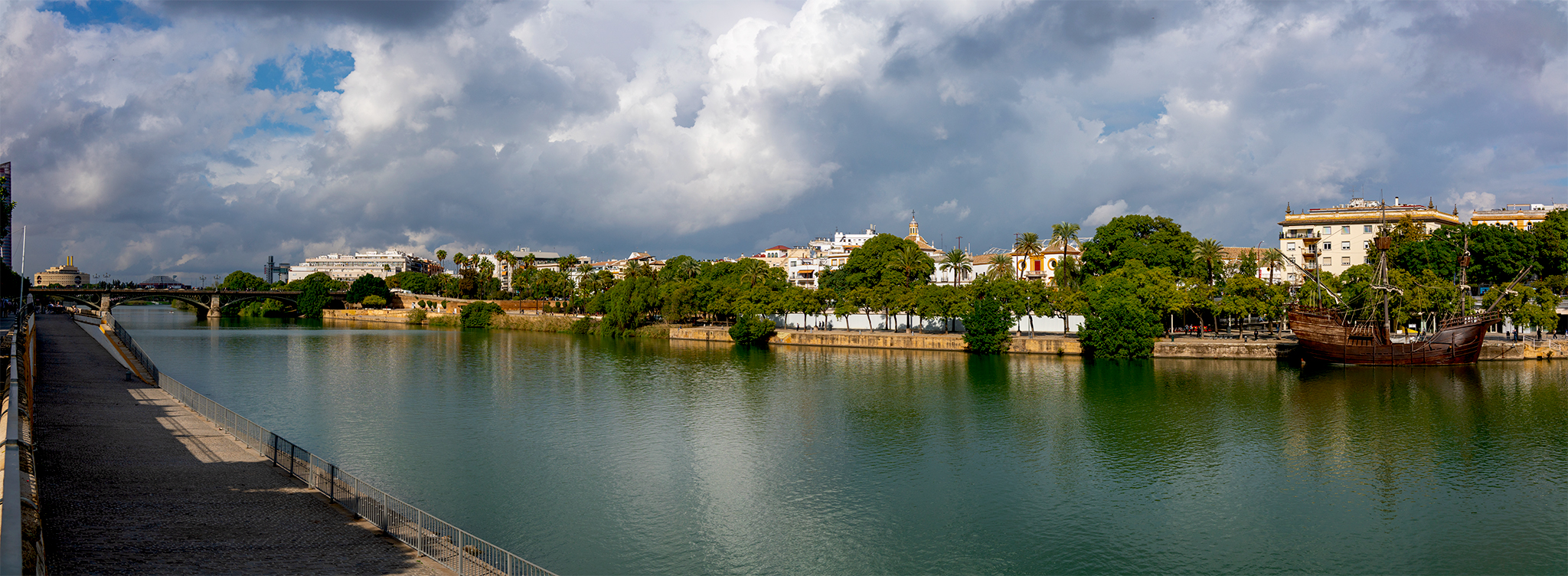
Guadalquivir River – Sevilla. The River of Columbus & Magellan
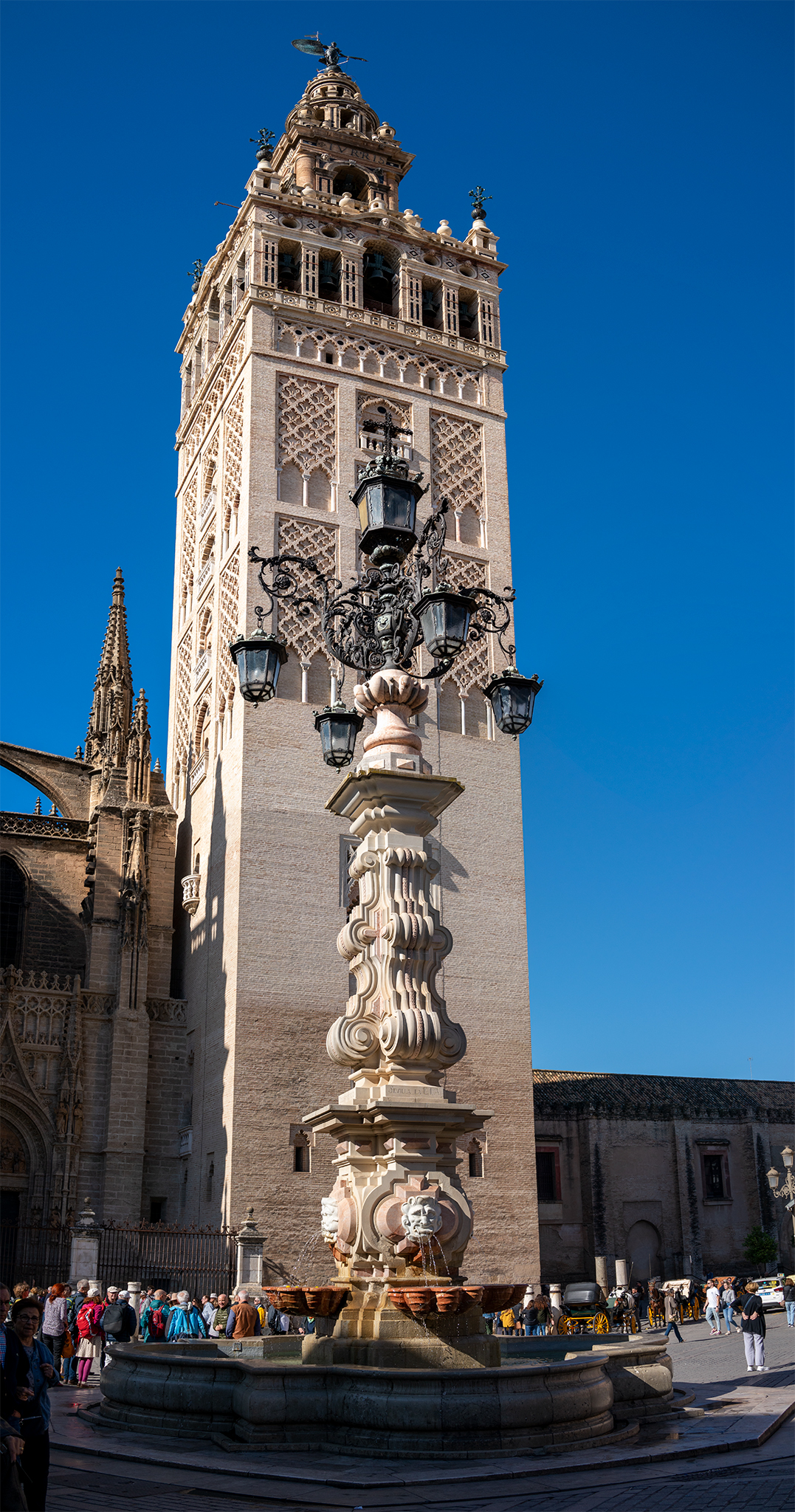
The Cathedral of Sevilla. Started in the 1400’s under Moorish Rule. Continued under Gothic Catholic Spain. Largest church (square feet) in the world.
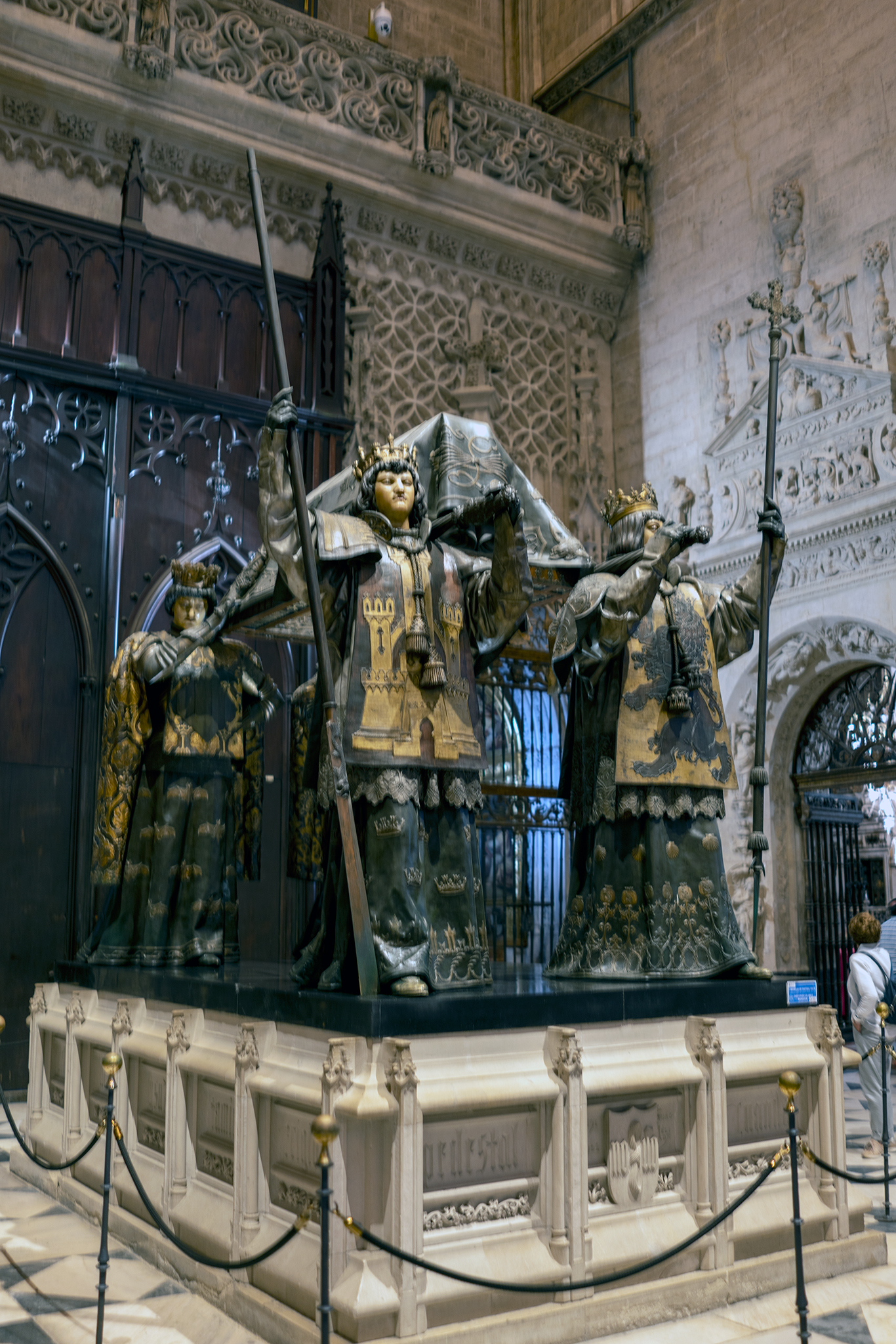
Tomb of Columbus (Coloma). In Cathedral of Sevilla. His remains moved with his son to where he lived. Only remains where DNA verified. Son buried in Church as well,
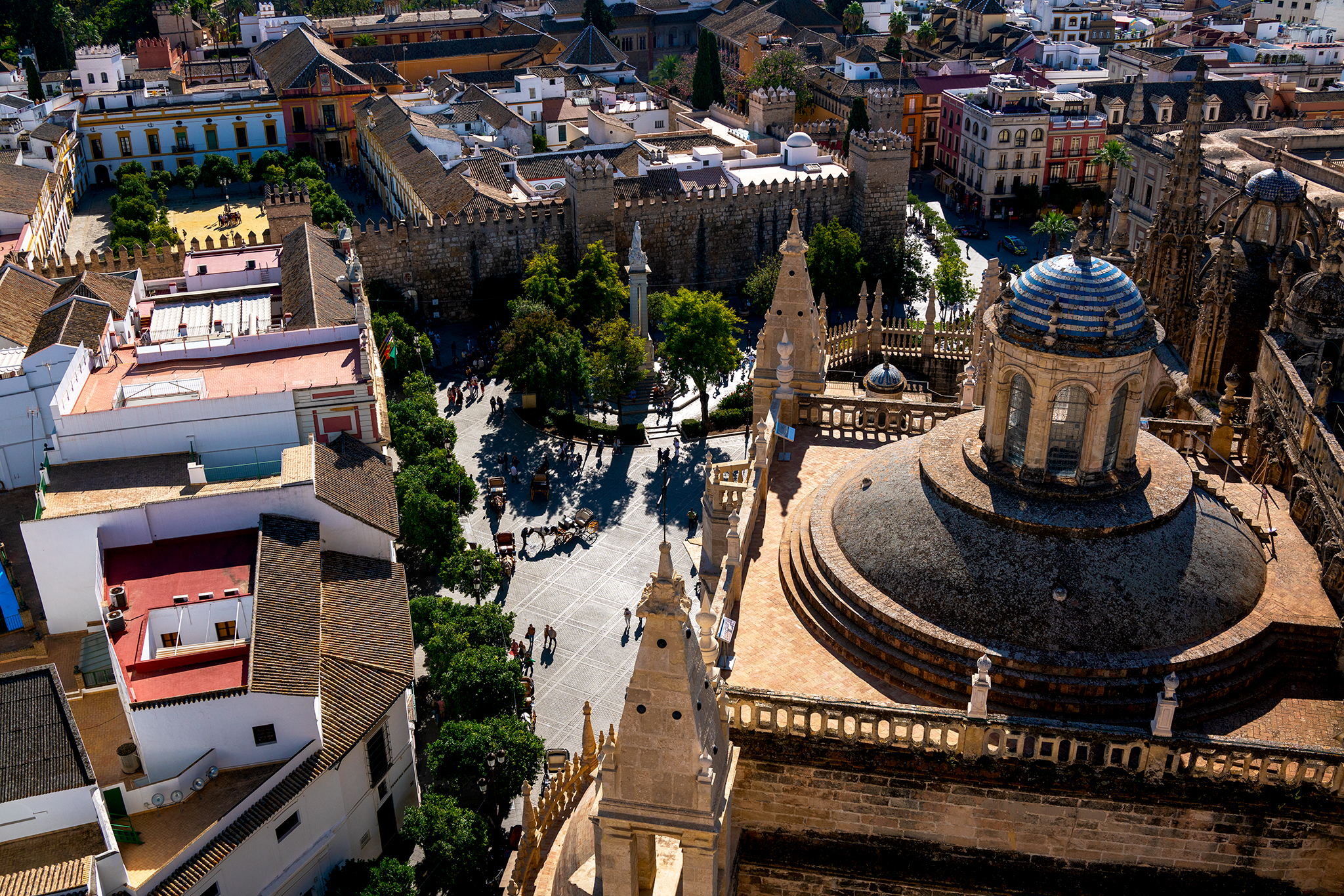
Seville Center Alcázar from top of Cathedral.
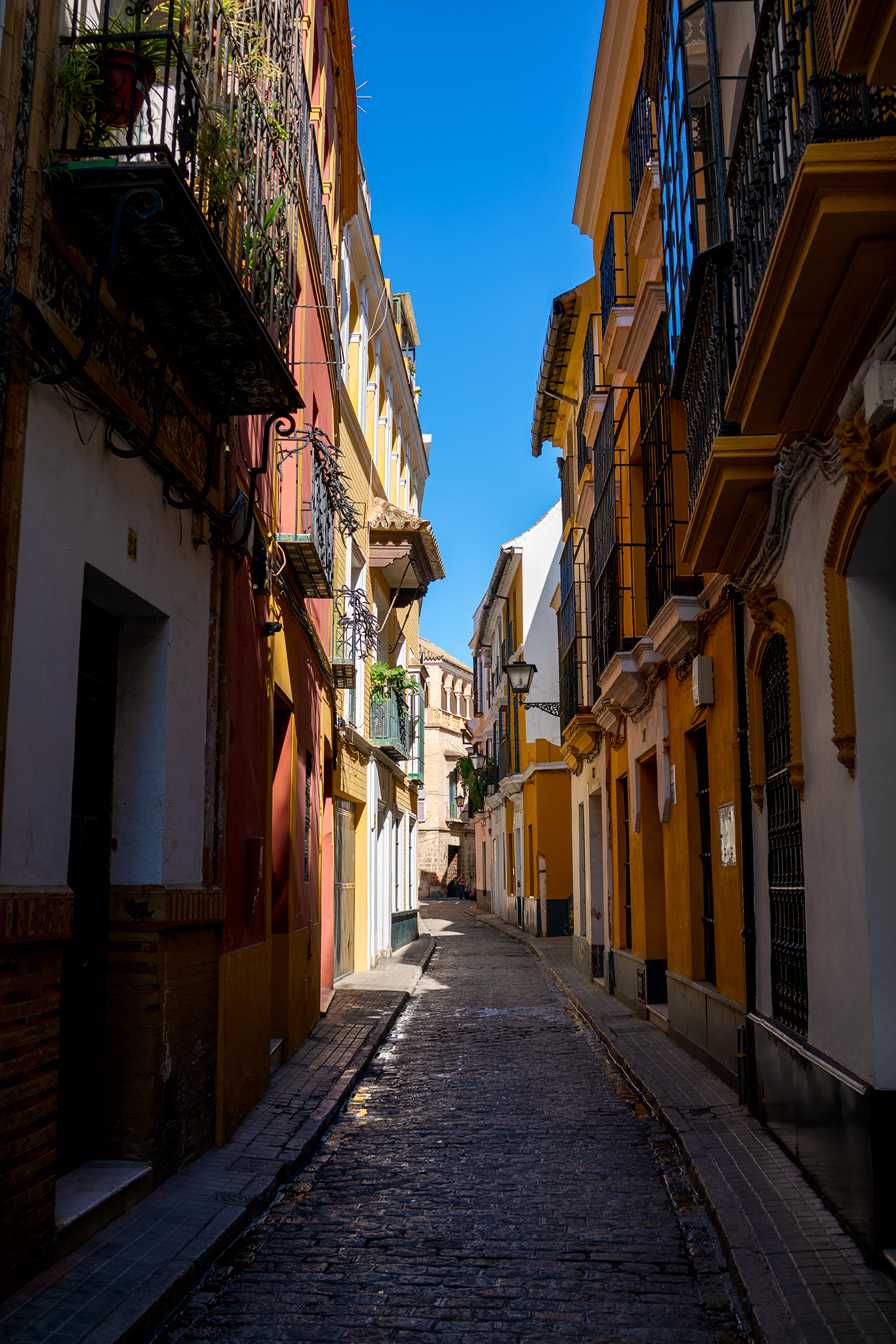
Sevilla Barrio Santa Cruz Residential
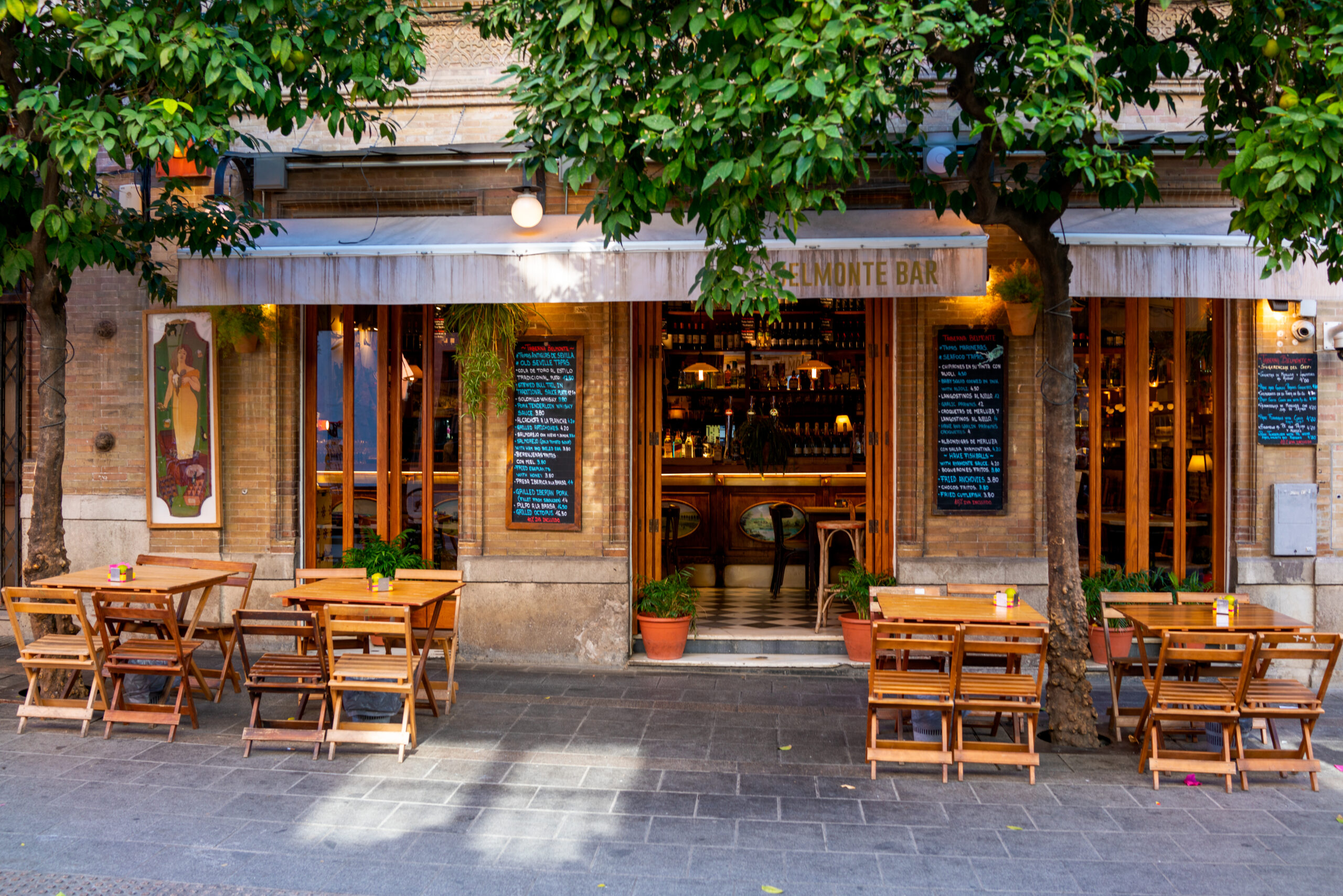
Sevilla Barrio Santa Cruz Restaurant
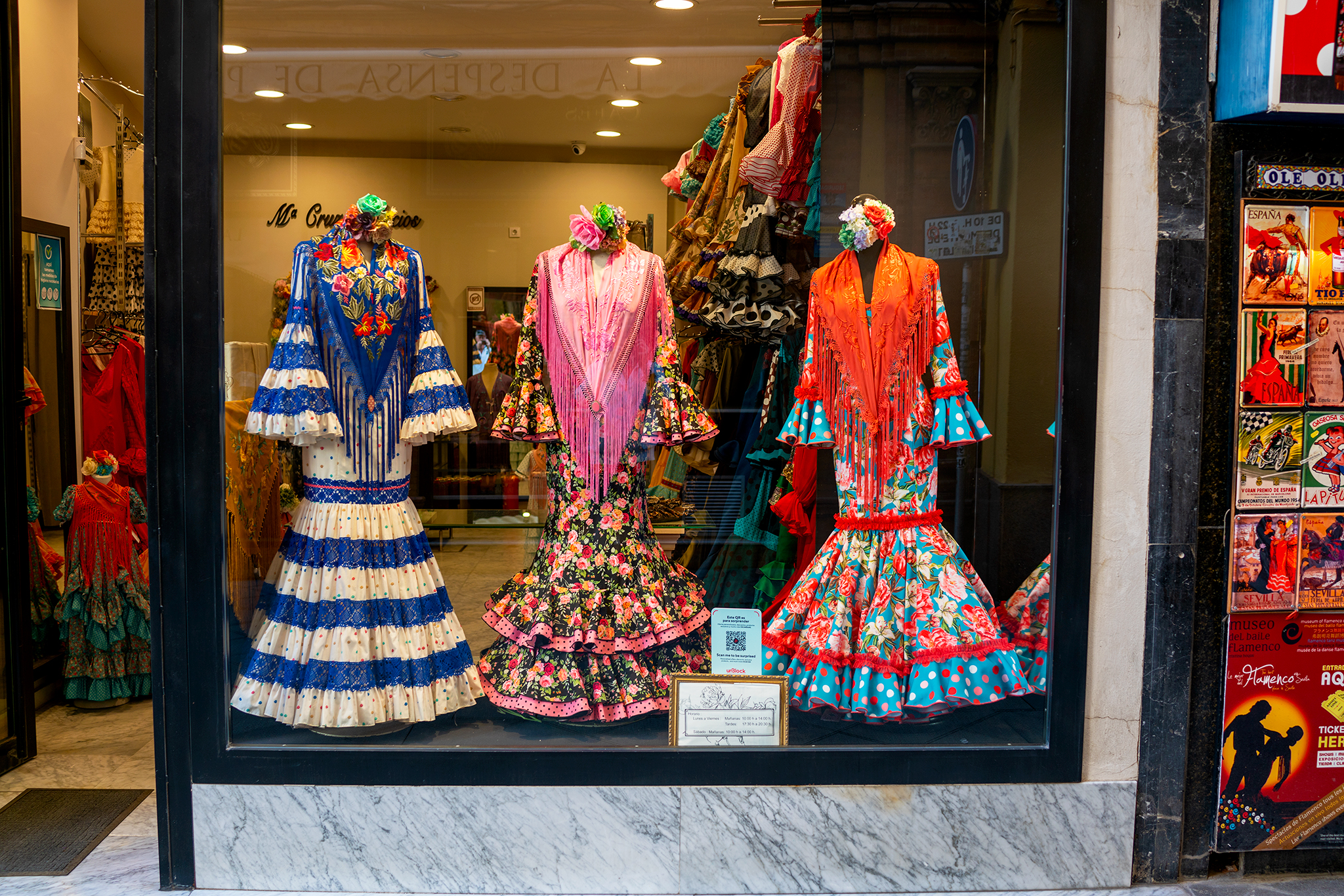
Sevilla Barrio Santa Cruz Retail
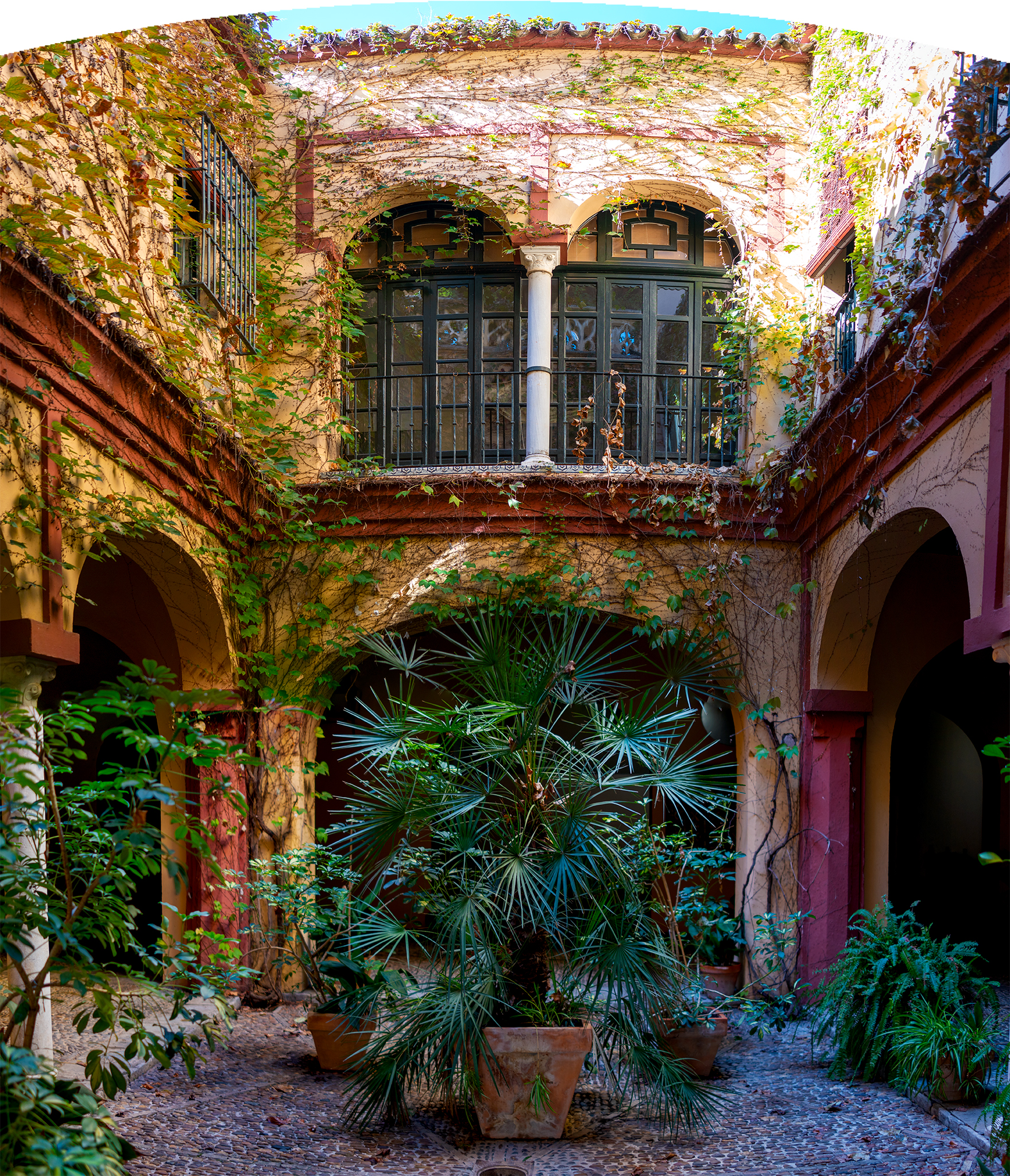
Sevilla Barrio Santa Cruz Academia (National Academy for the Arts)
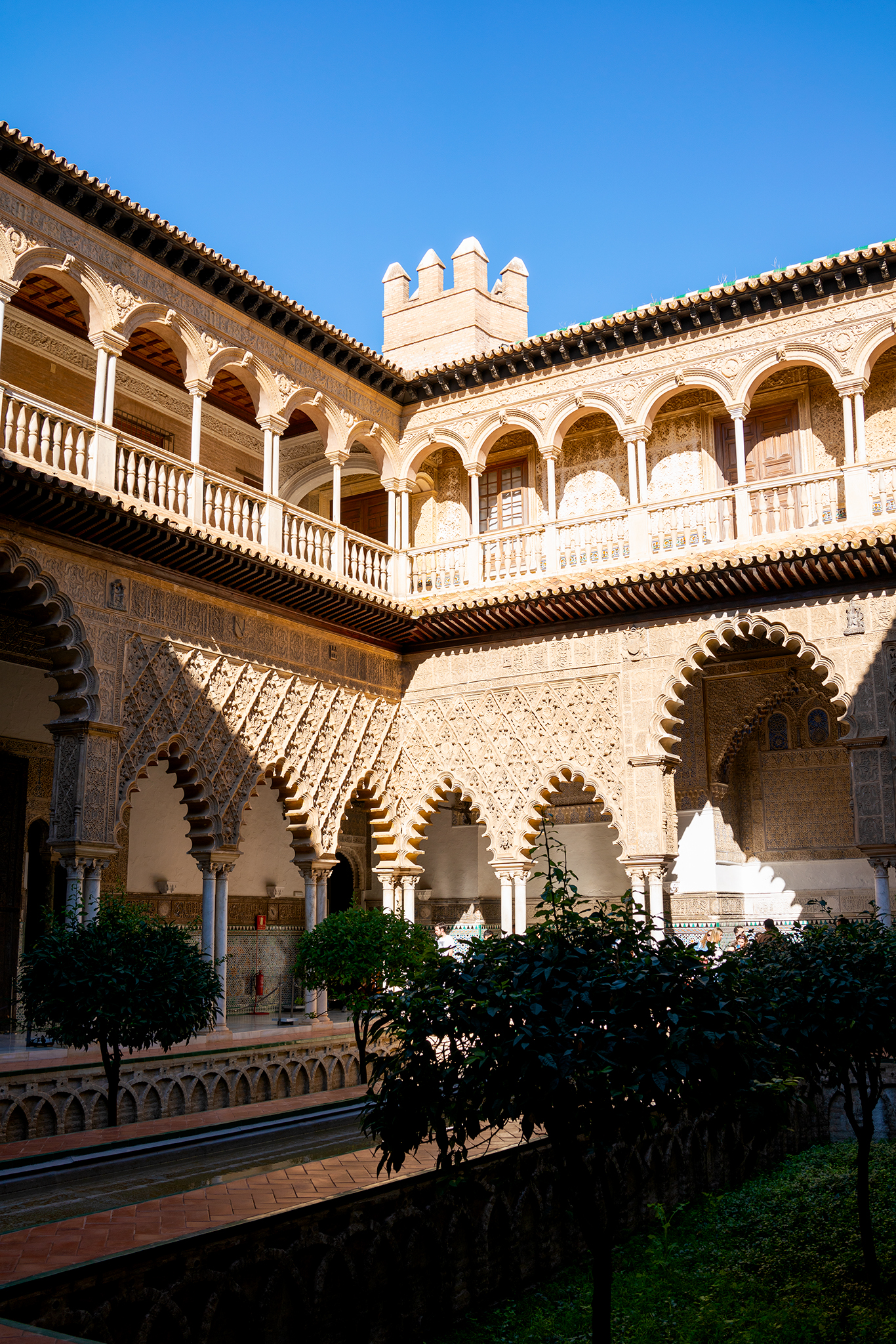
Alcázar
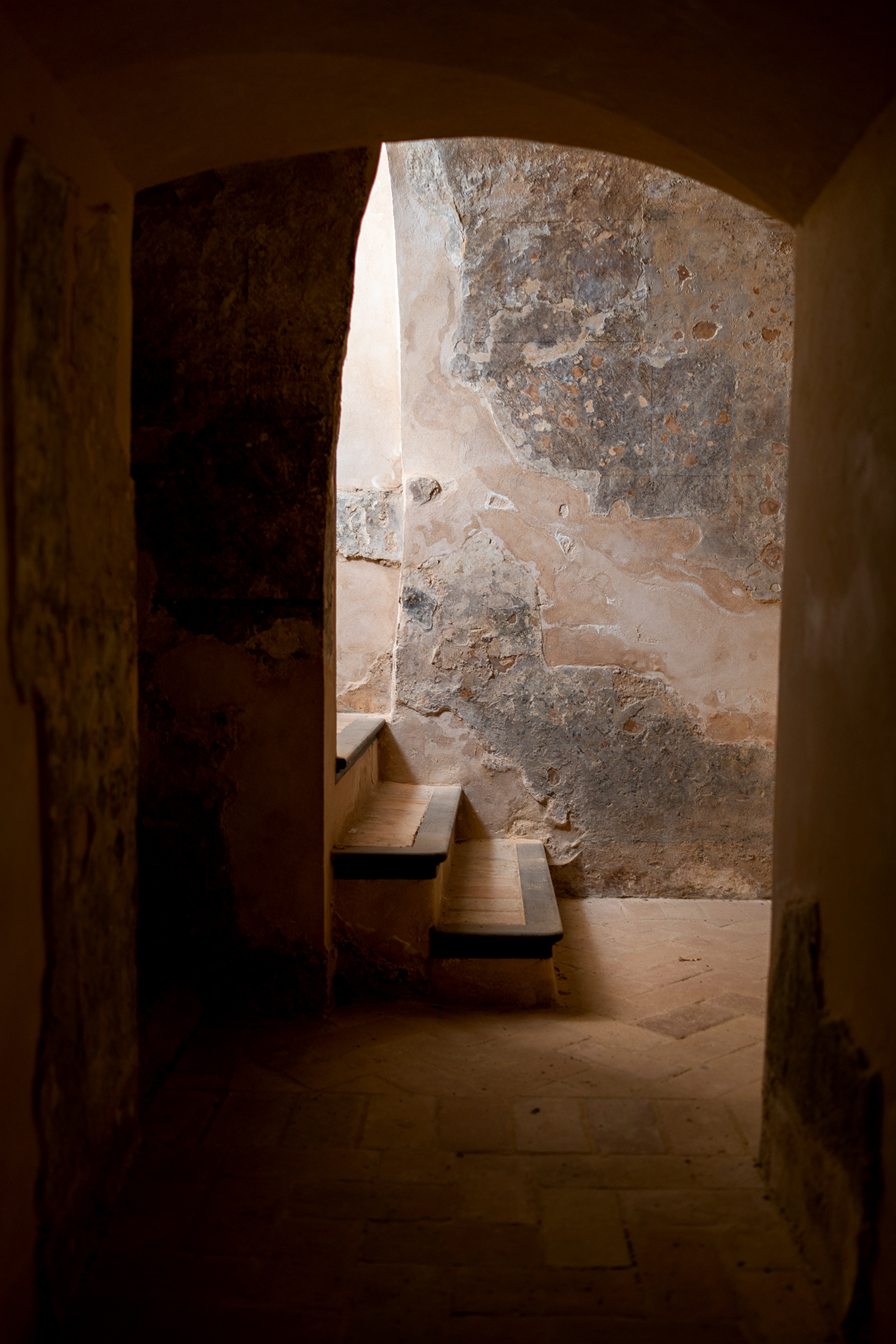
Alcázar
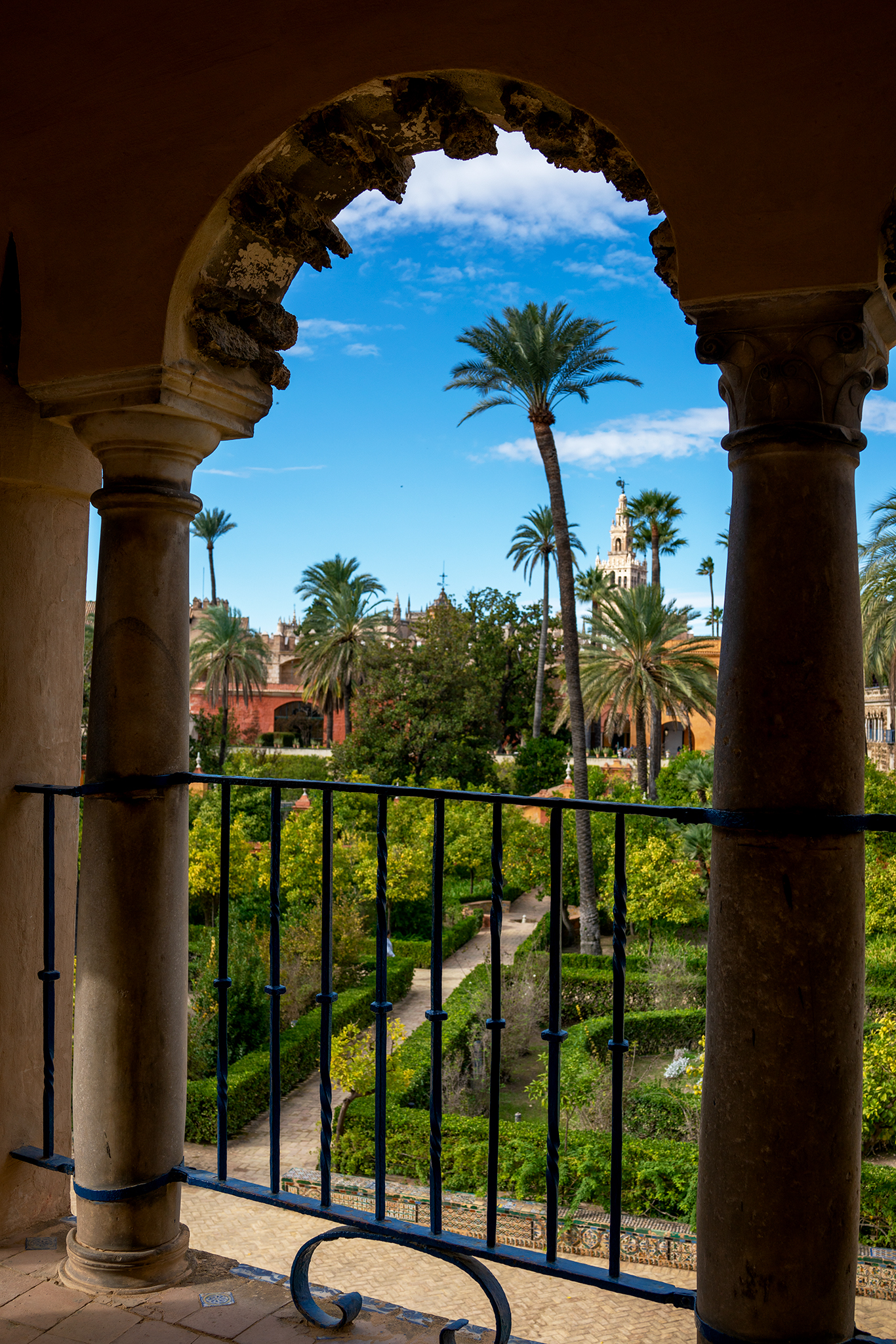
Alcázar and Cathedral
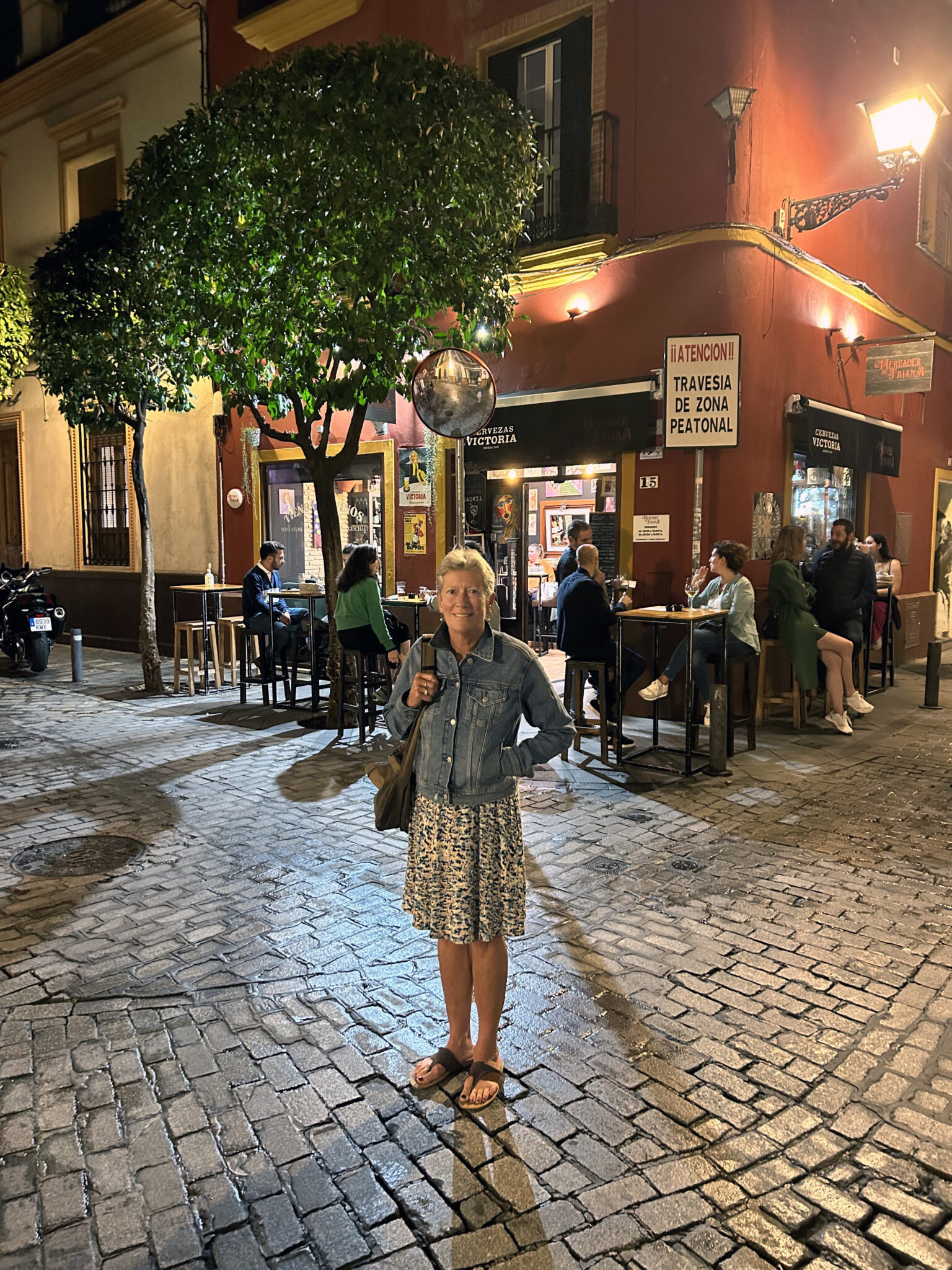
Linda at Cervesas Victoria Sevilla Triana 9:30PM Sharp!
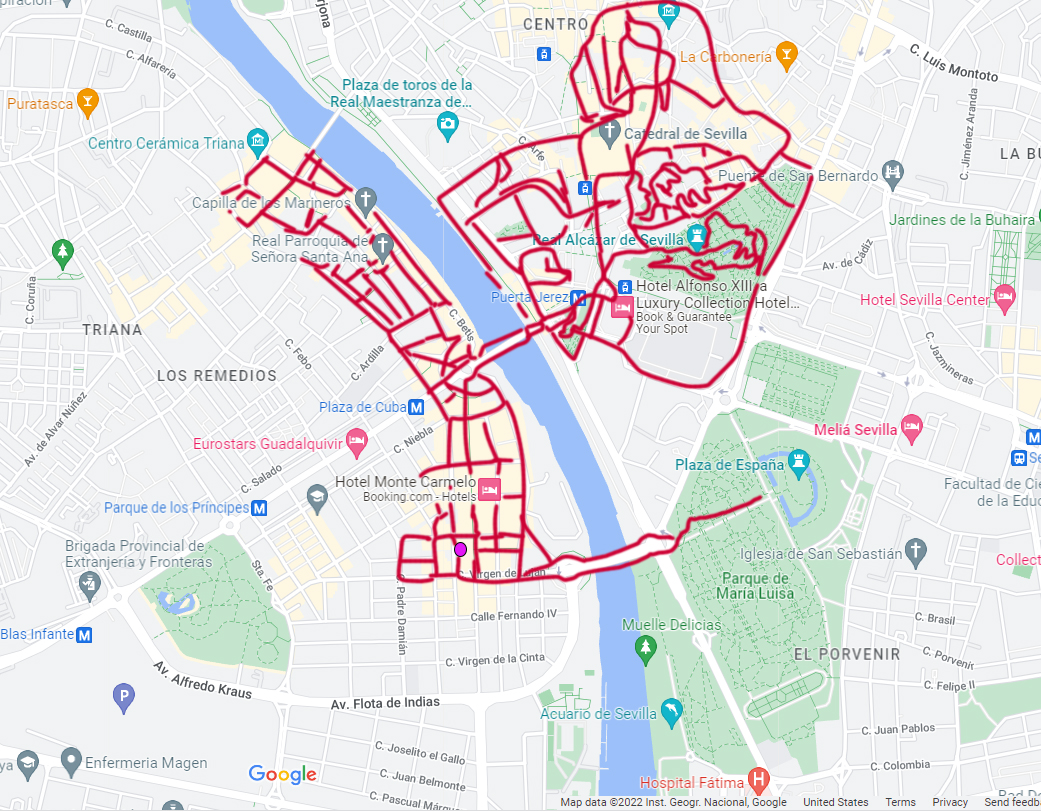
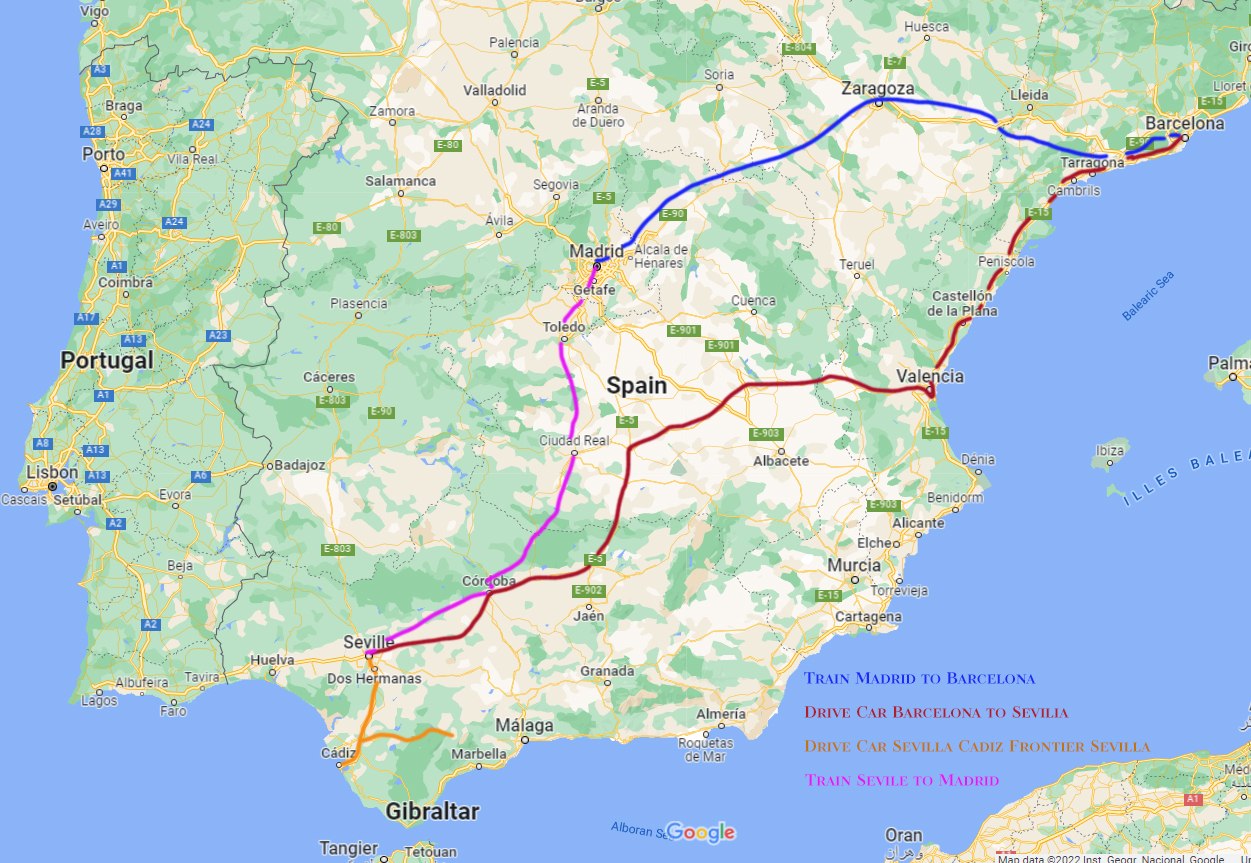
Linda & Jeff’s Walking Routes Sevilla.  Puple dot is the location of the home for which we exchanged ours.
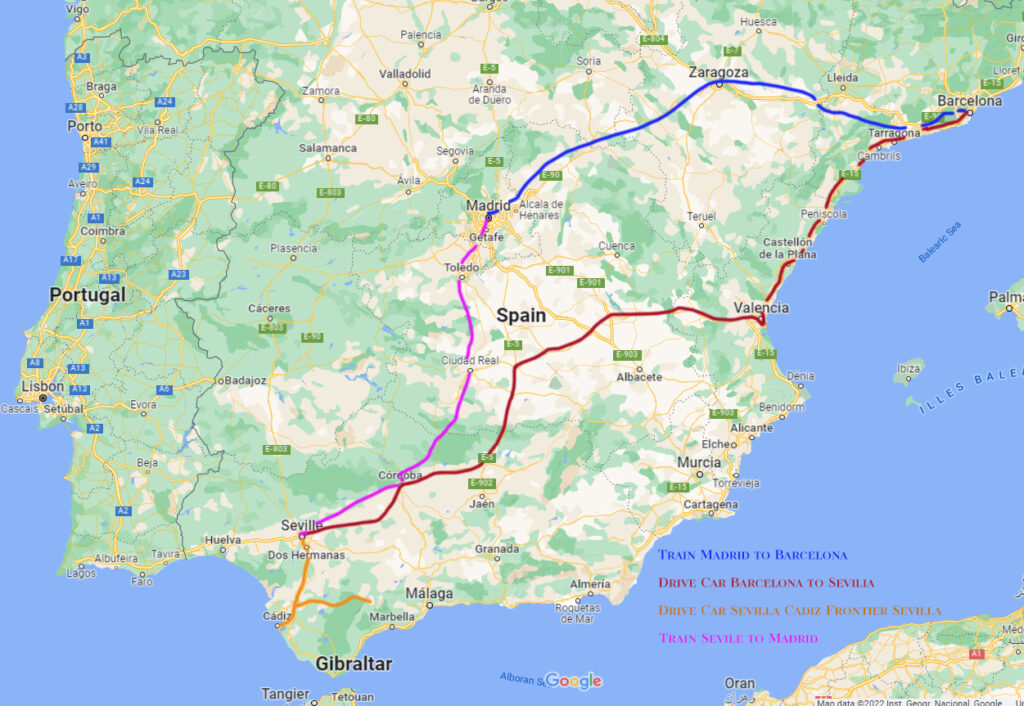
— Jeff’s Worthless Trivia and Other Thoughts —

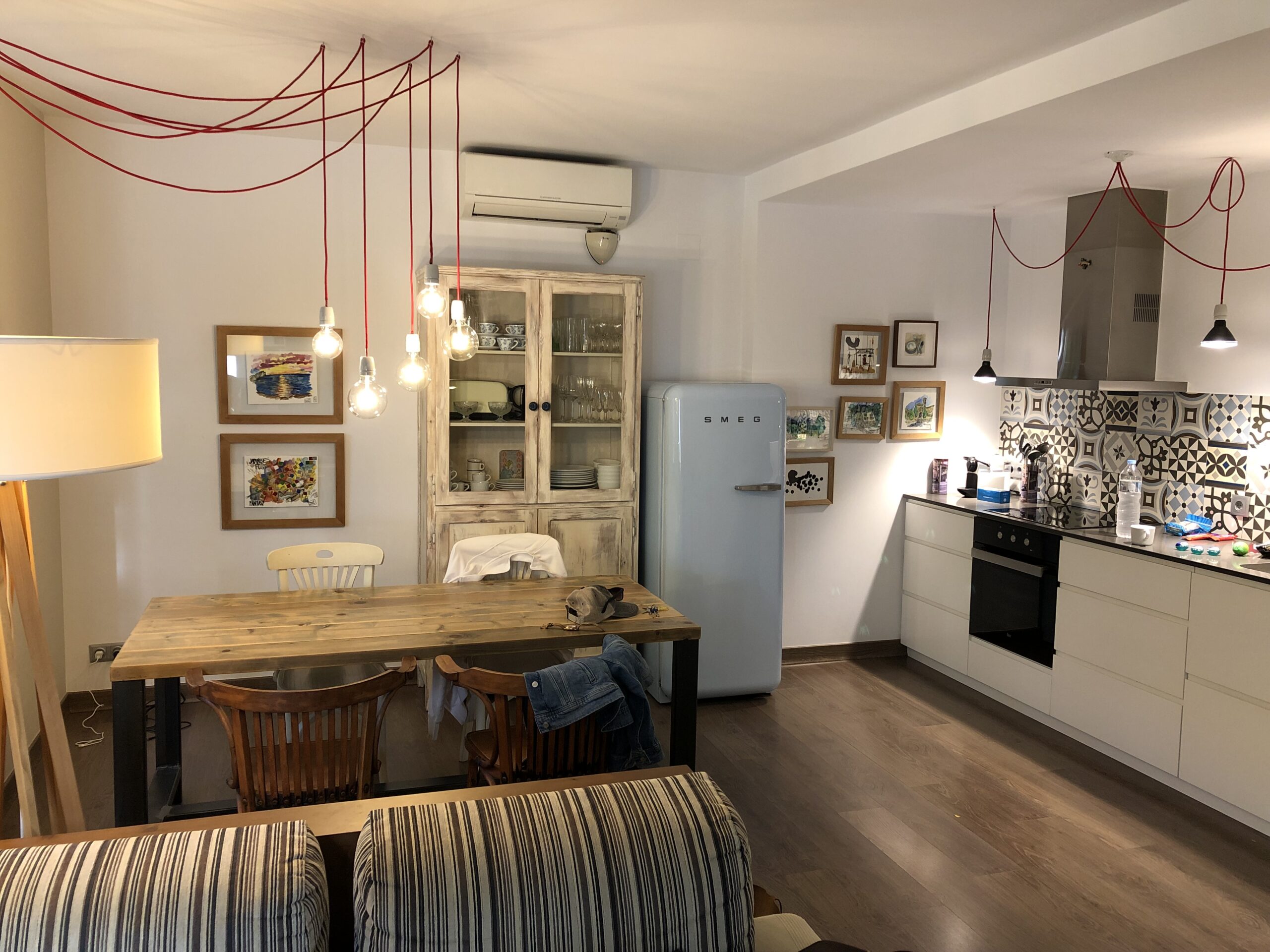
Linda and I are members of HomeExchange.  It is an organization of home owners who trade staying at each other’s home.  Linda and I have been members since HomeExchange’s inception in the 1990’s.  We exchanged with Manel & Pepa in Sevilla. Manel and Pepa’s home was terrific.  In my mind, staying in someone’s home is vastly superior to that of a hotel. The HE ground rule is no money is exchanged between the Members. Home Exchange verifies (prior to getting a membership), people are who they say they are, the home is real, and they own it.

As with many of the European countries, the operating aspect of daily life is distinctly different than the United States.  The day in Sevilla, does not really begin in earnest until 10AM.  Some shops (Coffee, Bakery, etc.) will open at 8AM.  They are few and far between.  Most operations close down for a few hours starting at 2PM and re-open at 5PM.  Most restaurants if open during the daytime will close at 2PM and re-open at 8PM.  Nightlife continues well into the morning hours.

Sevilla has an extensive rail, Trolley, bus, and cab system.  We walked, but if any of these transportation options are needed or desired – they were close by and readily available at all hours.  A car is not needed to enjoy central Sevilla.
A Trip to Spain – Barcelona


Authors NoteLinda and took an 18 day trip to Spain.  It was not part of a professional photo-shoot. I carried only an IPhone and the Sony RXR1 as photographic gear.  It was agreed, as with most vacation trips we take, the photos would be captured as Tourist shots.

Barcelona is a large city located on the Mediterranean coast in the autonomous region of Catalonia in the country in Spain. It is the second largest city in Spain (1.4M city proper 4.8M metro). Barcelona has a very distinct vibe.  Barcelona and Catalonia, go out of their way to let you know (with constant reminder) that they stand on their own from Spain.  Barcelona is overtly trying to put its rough hewn industrial past in the rear-view mirror.  For the most part, Barcelona is succeeding.

As with many European cities. Barcelona is a walking town, and Linda and I are walking people. Linda and I stayed six nights in a home in the Olympic Village district originally built in 1992 for the Barcelona Olympics  This is an area experiencing significant change.  It is moving from industrial to residential at a sprinter’s pace.  We had easy access to museums, places of historical note, and terrific local establishments.

The big tourist spots (Beachfront, La Sagrada Familia La Rambla, Rambla del Poblenou, Santa Maria Del Mar, The Picasso Museum, Park Güell, Montjuïc, and Sagrada Família) are worth every moment of your time. We really liked the fact we could walk from our home to these areas of interest.  It allowed Linda and I to learn a great deal about Barcelona and its residents.

Barcelona is experiencing a period of heavy construction. Whole sections of the city are being torn down to make way for new housing and buildings.  Major thoroughfares are being turned into pedestrian walkways and parks.  Madrid, and Sevilla are well established as pedestrian friendly cities  Barcelona is well on its way to reaching the same status.  Linda and I walked through some of the locations making the change – for example Diagonal Avenue. The result will be impressive.

However, the change is not complete.  Also, a few of the neighborhoods we walked through did not feel nearly as safe as those in Madrid or Sevilla. Graffiti in Barcelona is extensive – almost overwhelming at times. However, Old Town, Barcelonnette, Poblenou and the long stretch of waterfront – created as a result of hosting the Olympic Games are inviting as can be, and different from each other.  It is these areas that capture the hearts of those visiting Barcelona.

Barcelona has much more of a mix of old and new styles than Madrid and Sevilla.  It also has pockets of remarkable, eye-popping beauty that appear almost out of nowhere.

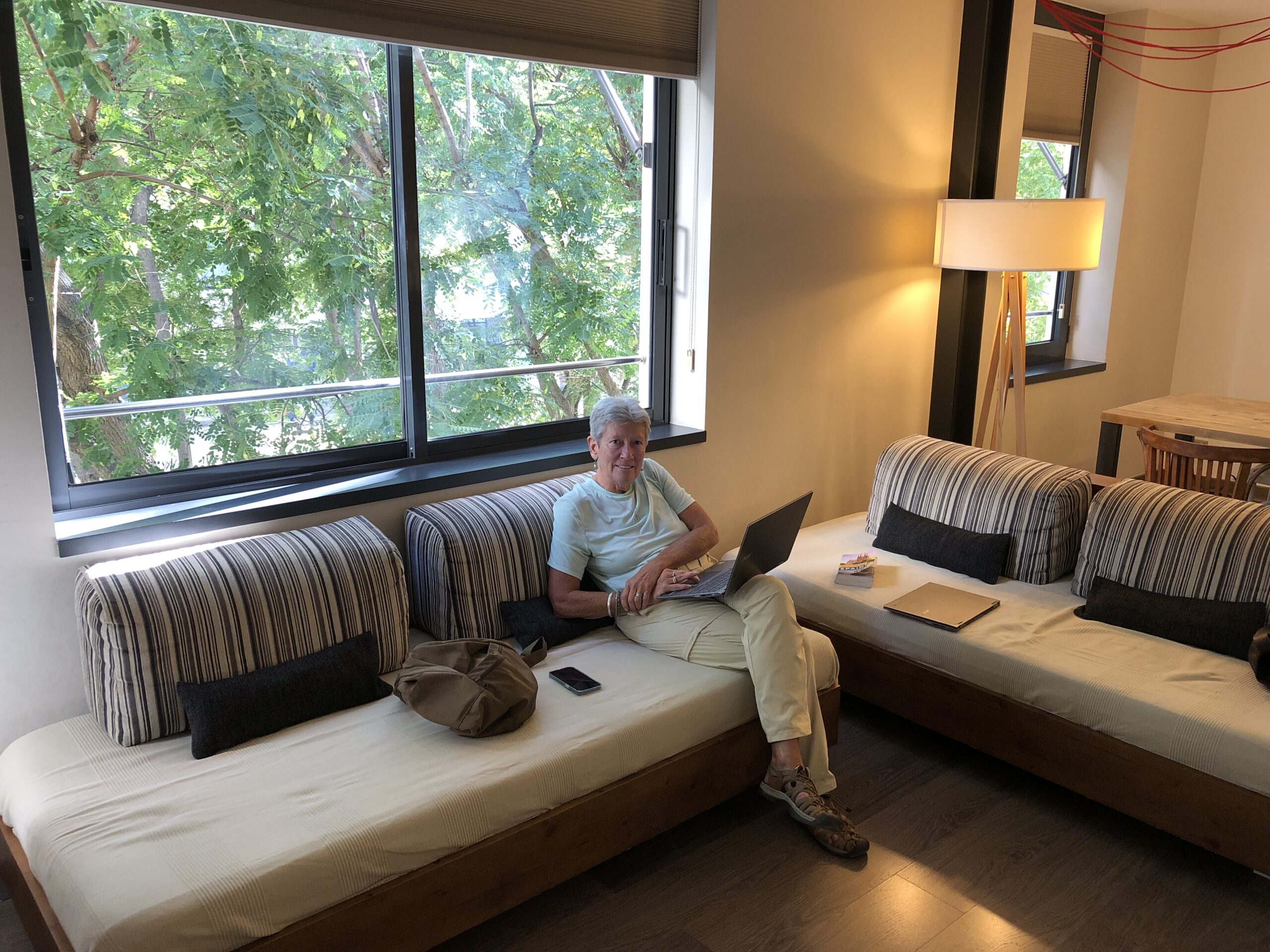
Jordi and Manuel’s home. Manuel is an artist gaining a strong following in Barcelona. Linda and I purchased Manuel’s “Still Life” (upper tight-hand side on wall).

Jordi and Manuel’s home. Jordi and Manuel have “buffed out” the unit built for housing referees of the games.

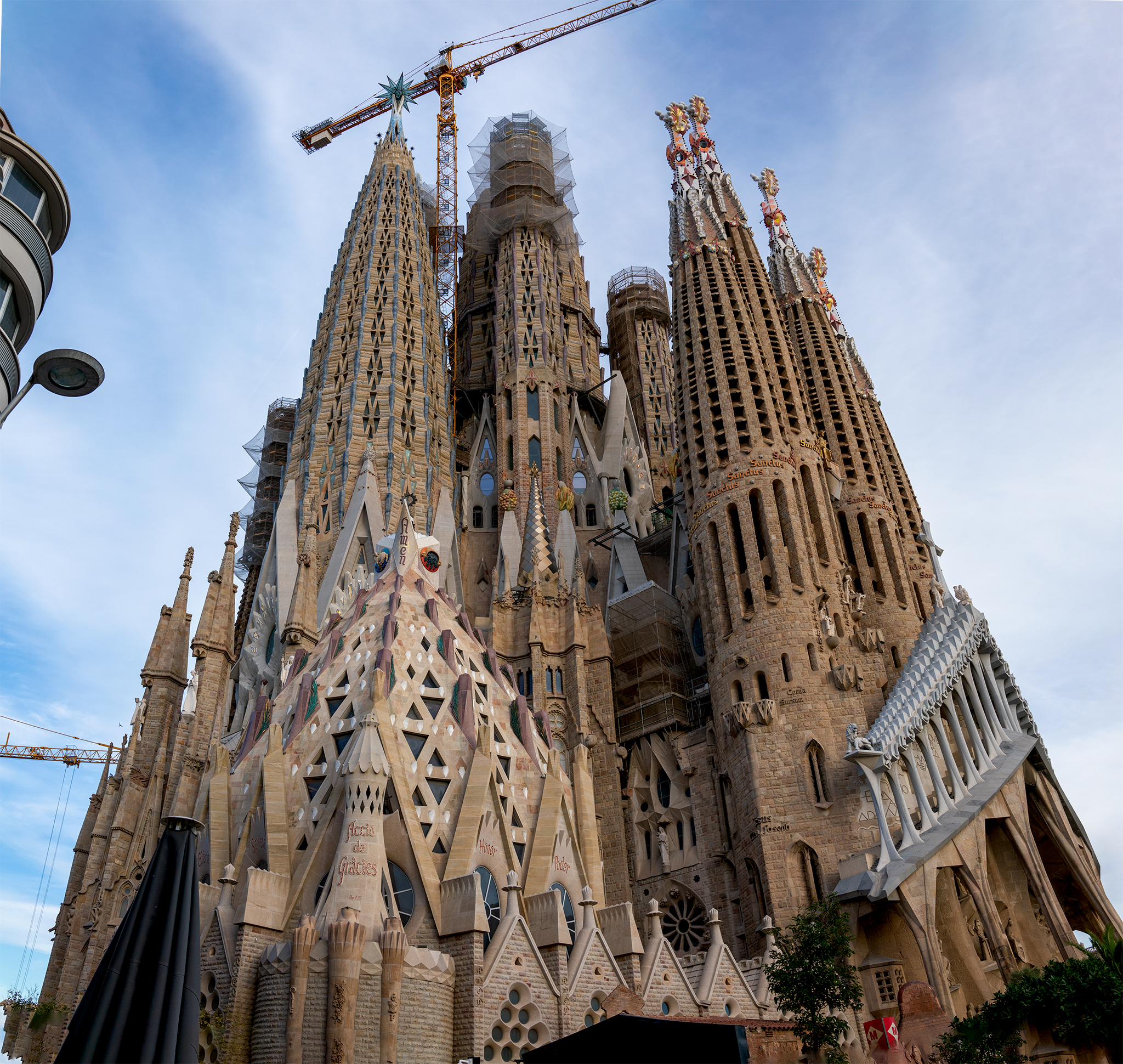
La Sagrada Familia. It is the largest (unfinished) Catholic Church in the world. It was started in 1882. It is slated to be finished in 2027.

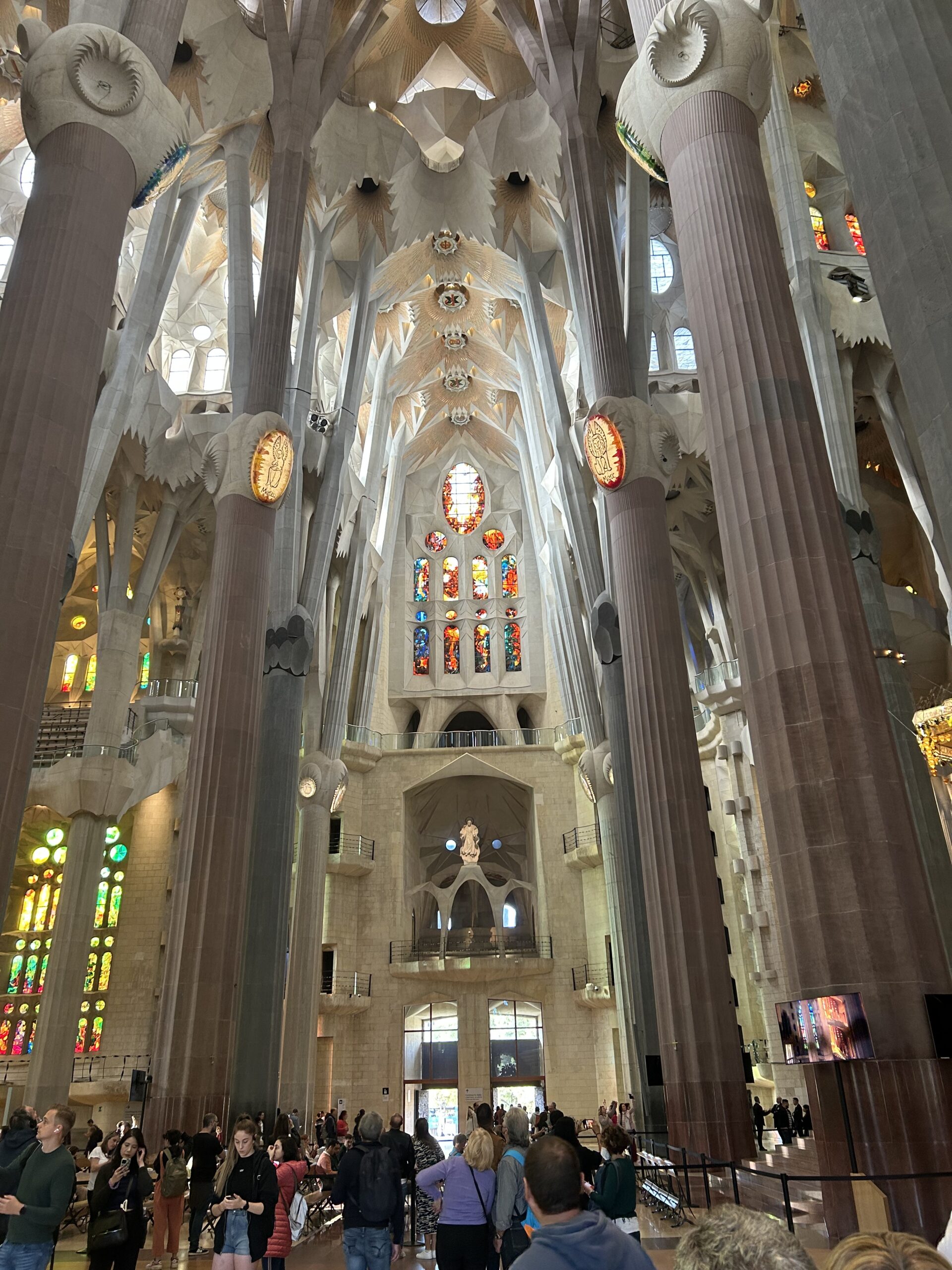
La Sagrada Familia

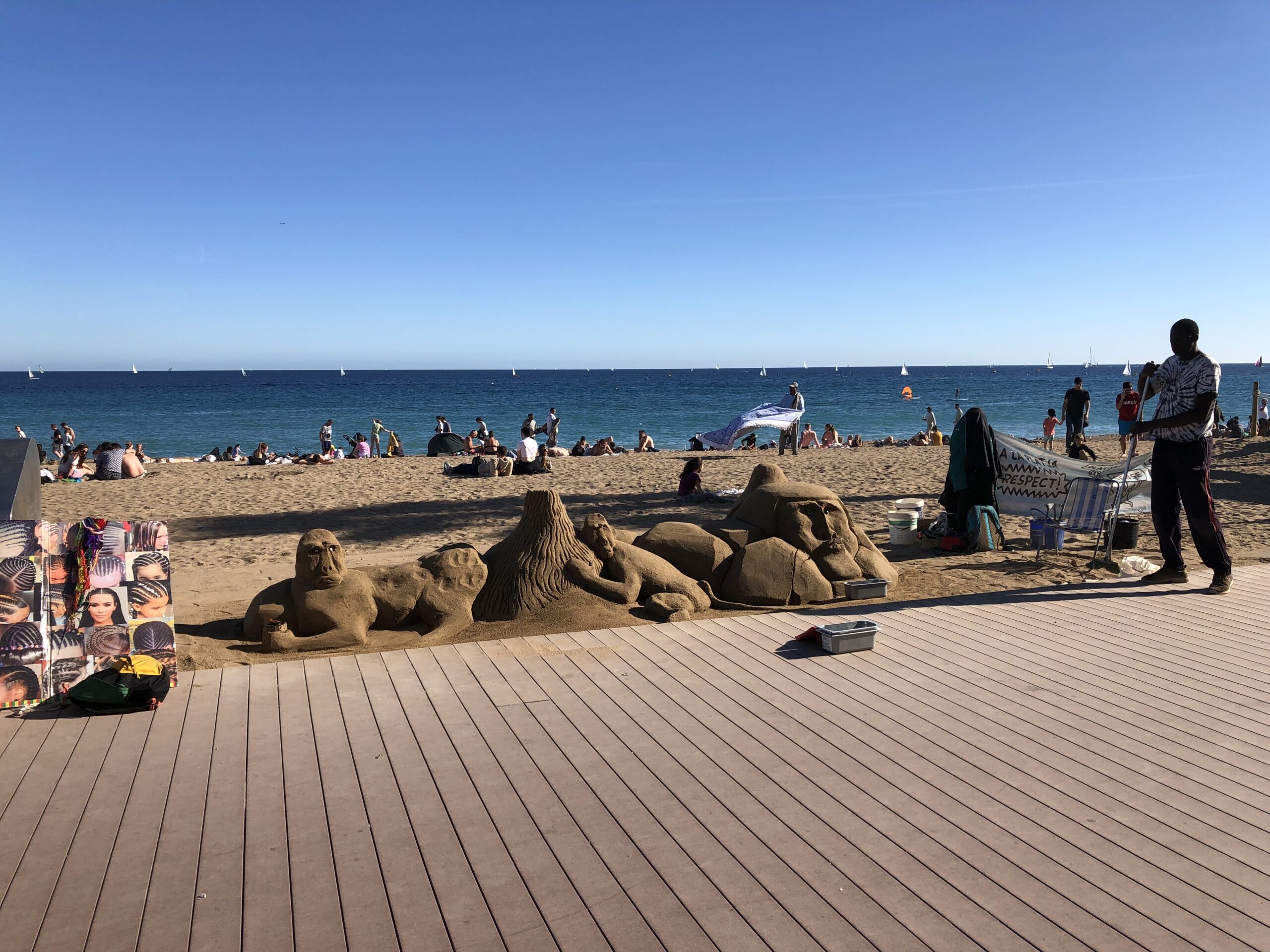
Sand art on the beachfront.

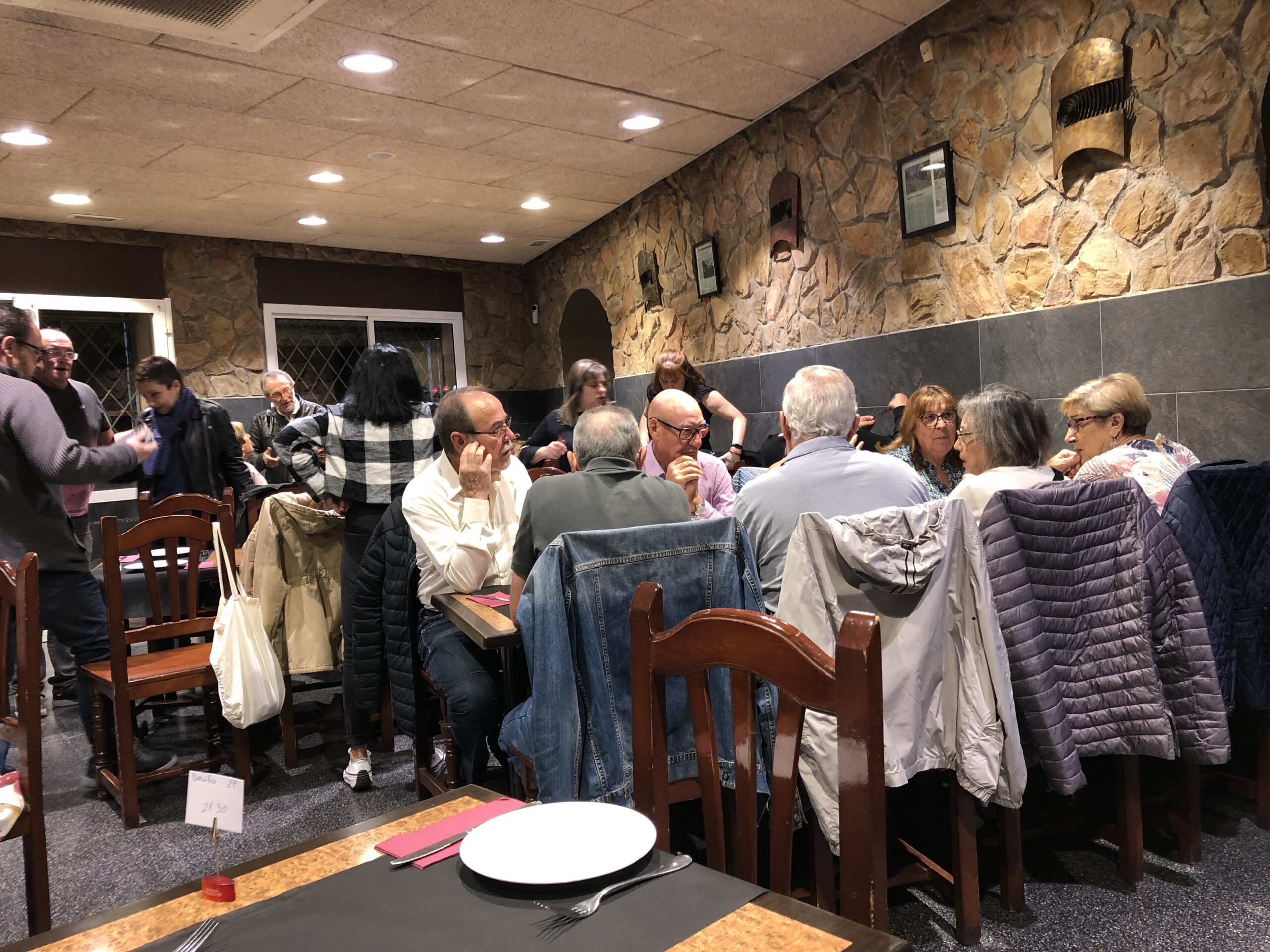
A family style Tapas restaurant up in the hills overlooking the city. It is 10:30PM and packed to the gills with families and their friends. A birthday party for a young teenager was occurring as well.

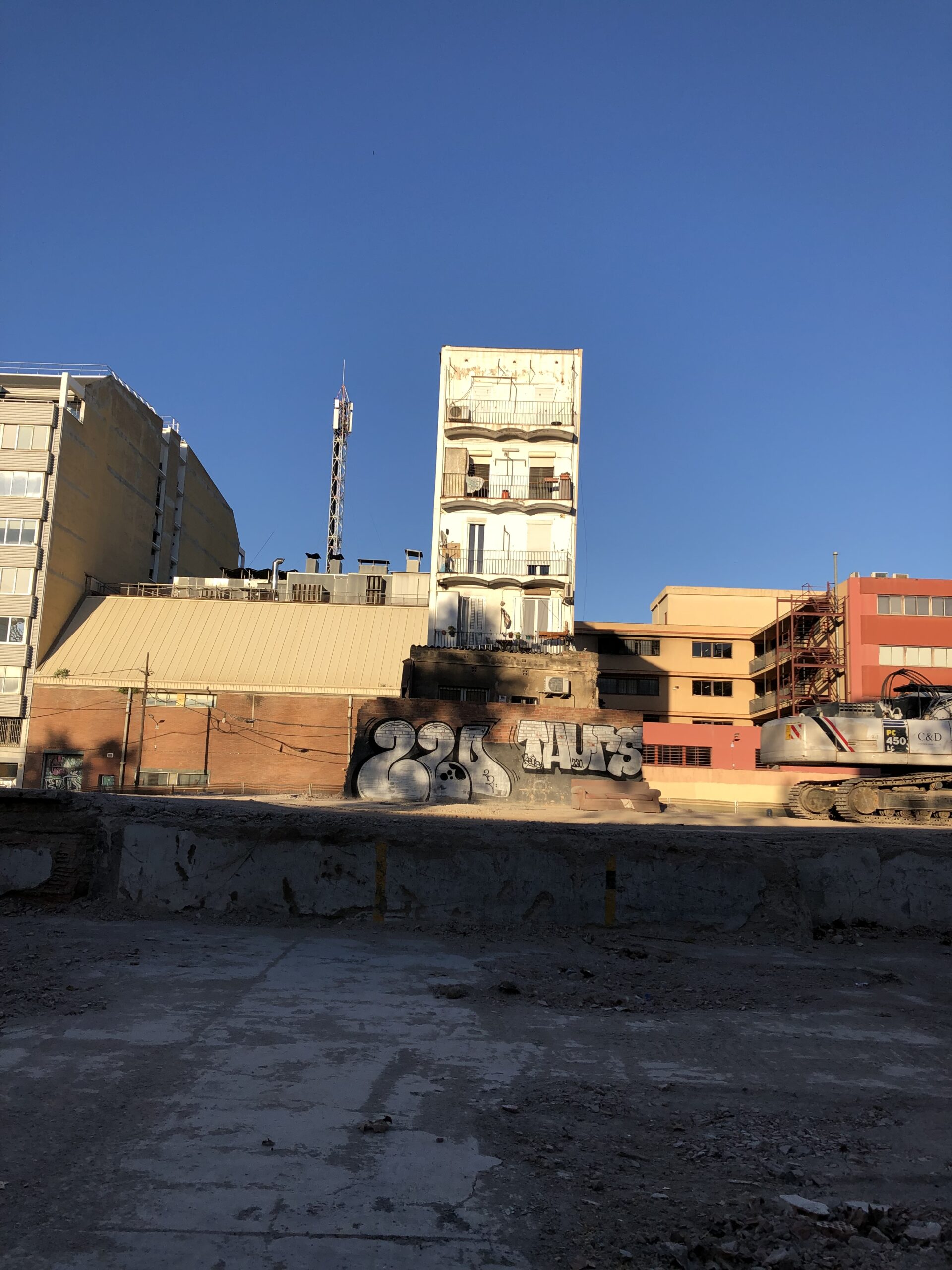
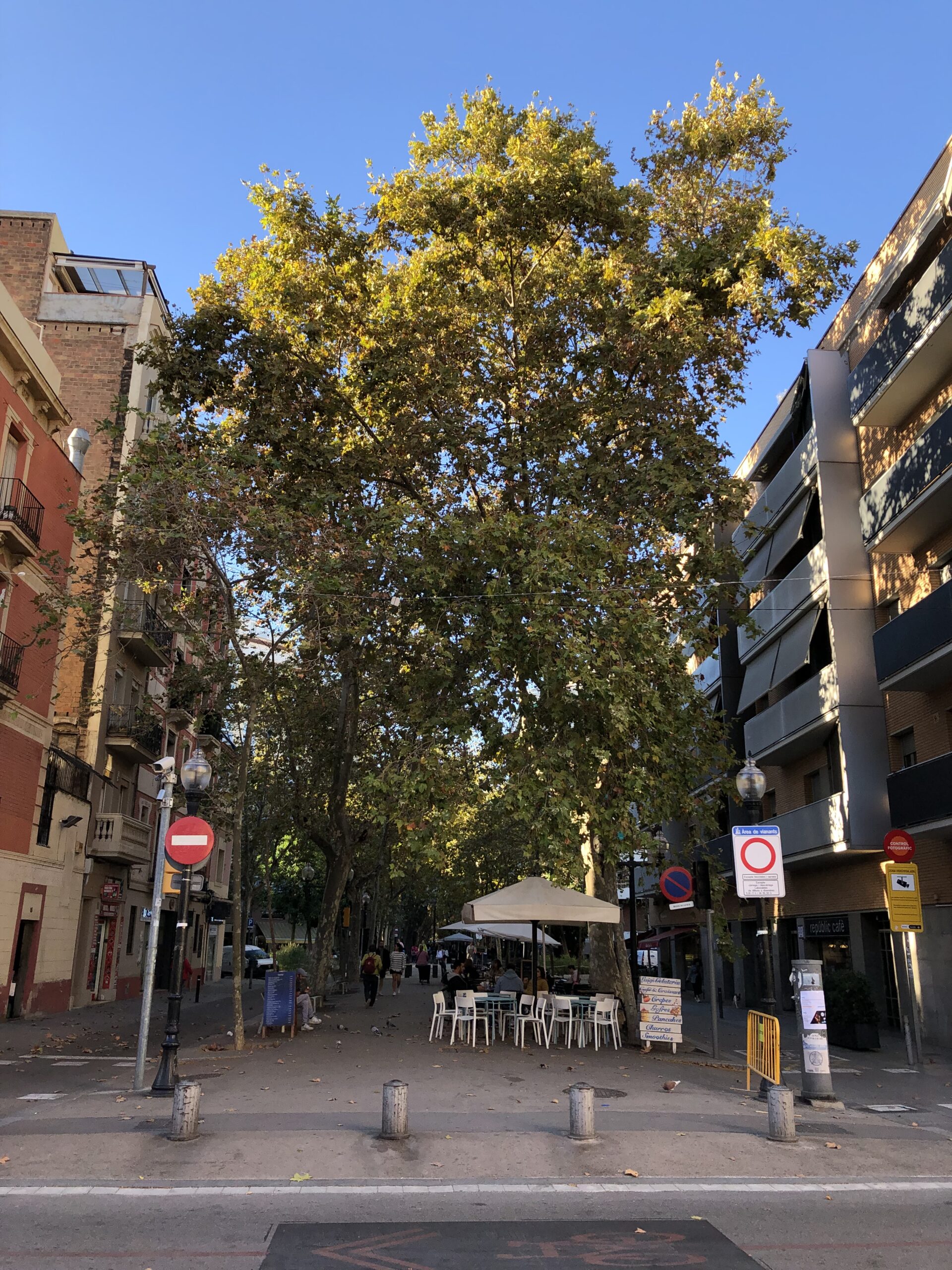
An entire block -across the street from Jordi and Manuel’s place – was leveled and being cleared as we visited. Well, almost and entire block. We learned the building owners had yet to give in.

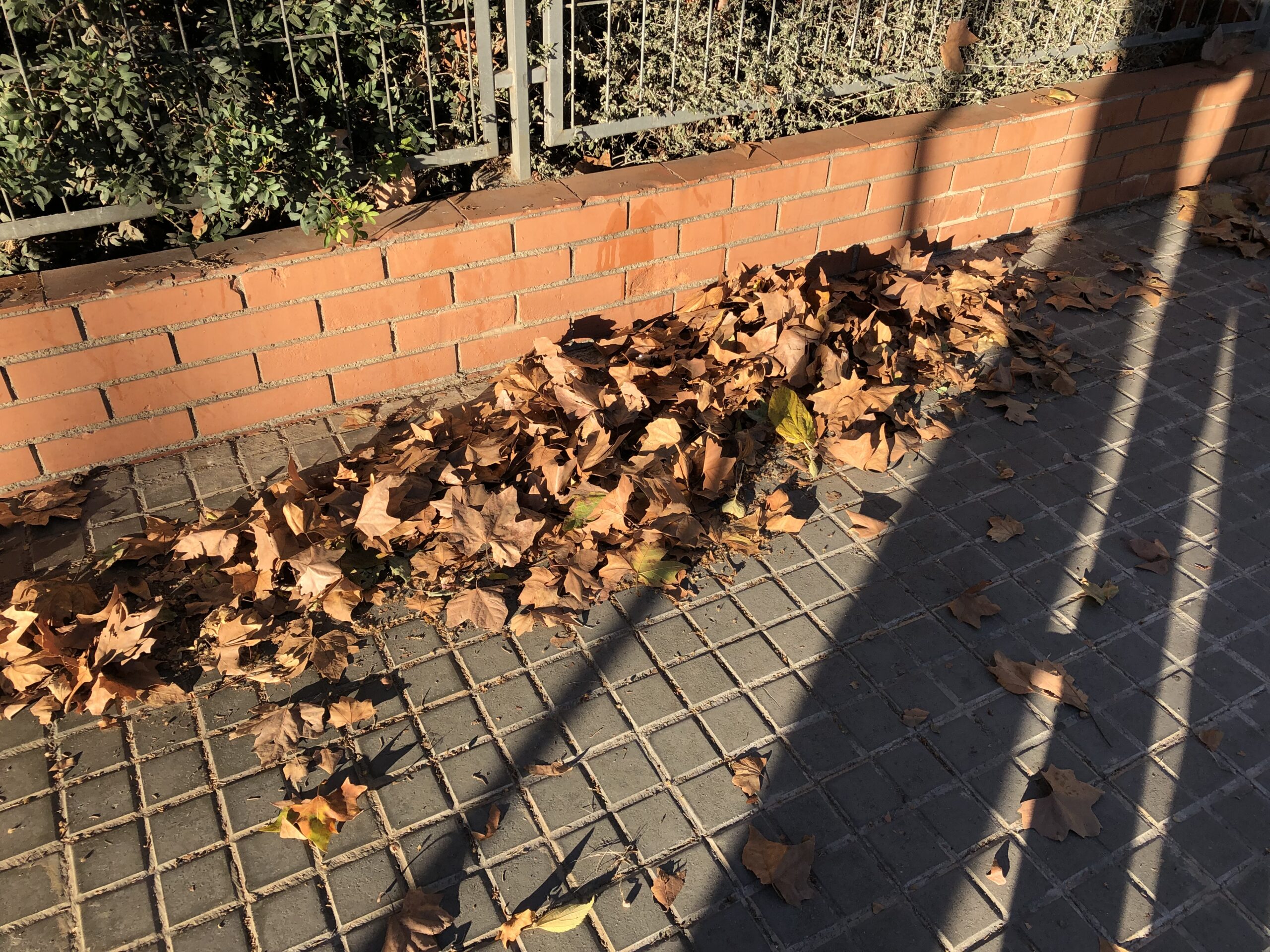
Barcelona is warm and comfortable in November. However, leaves do fall.

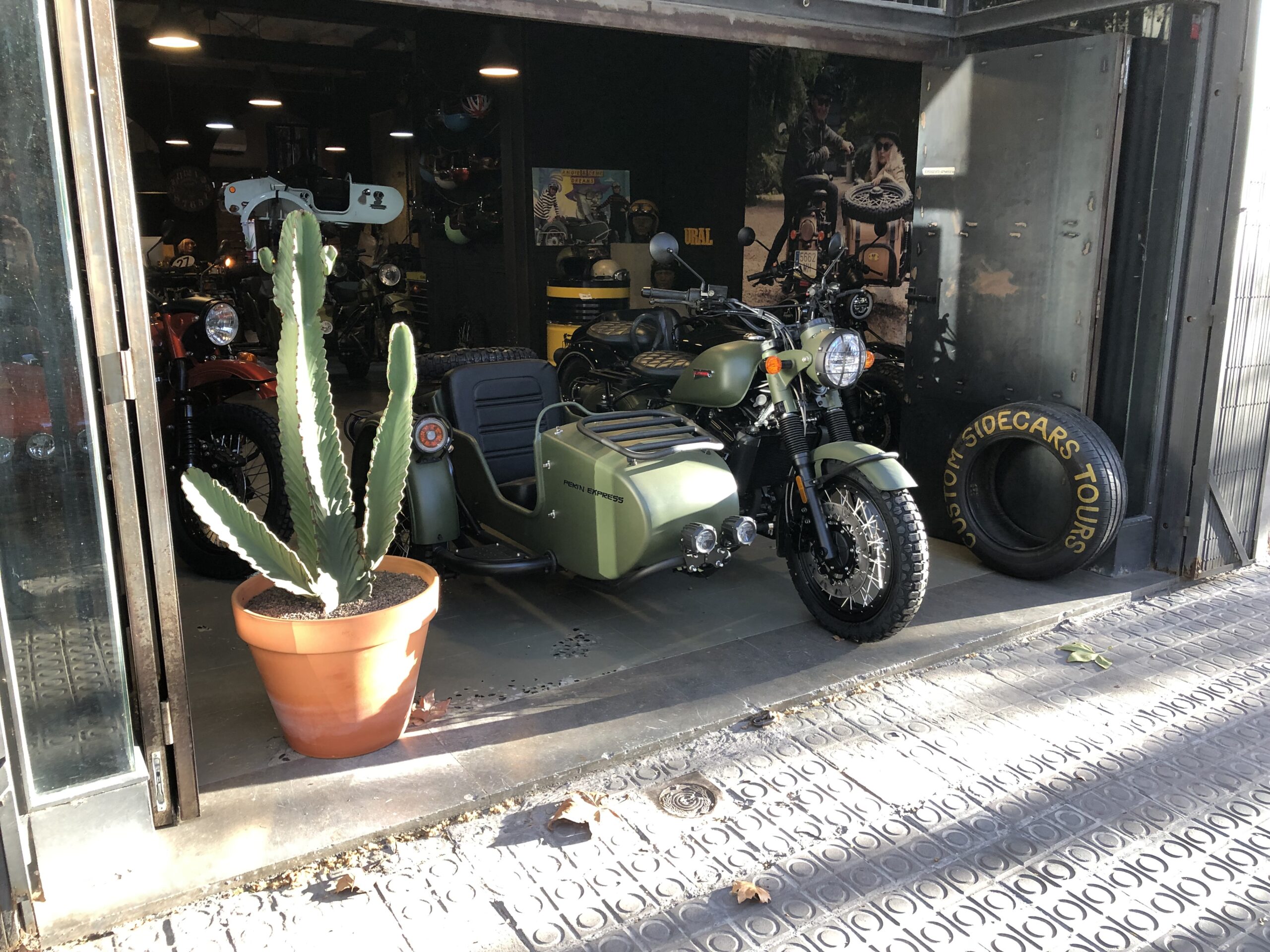
I constantly threaten Linda with the possibility of purchasing a Polaris Razor half-tack for the back-country in winter in Idaho, or a new boat for venturing up and down the Na Pali Coast in Kauai. I established a new potential threatened purchase while walking in Barcelona.

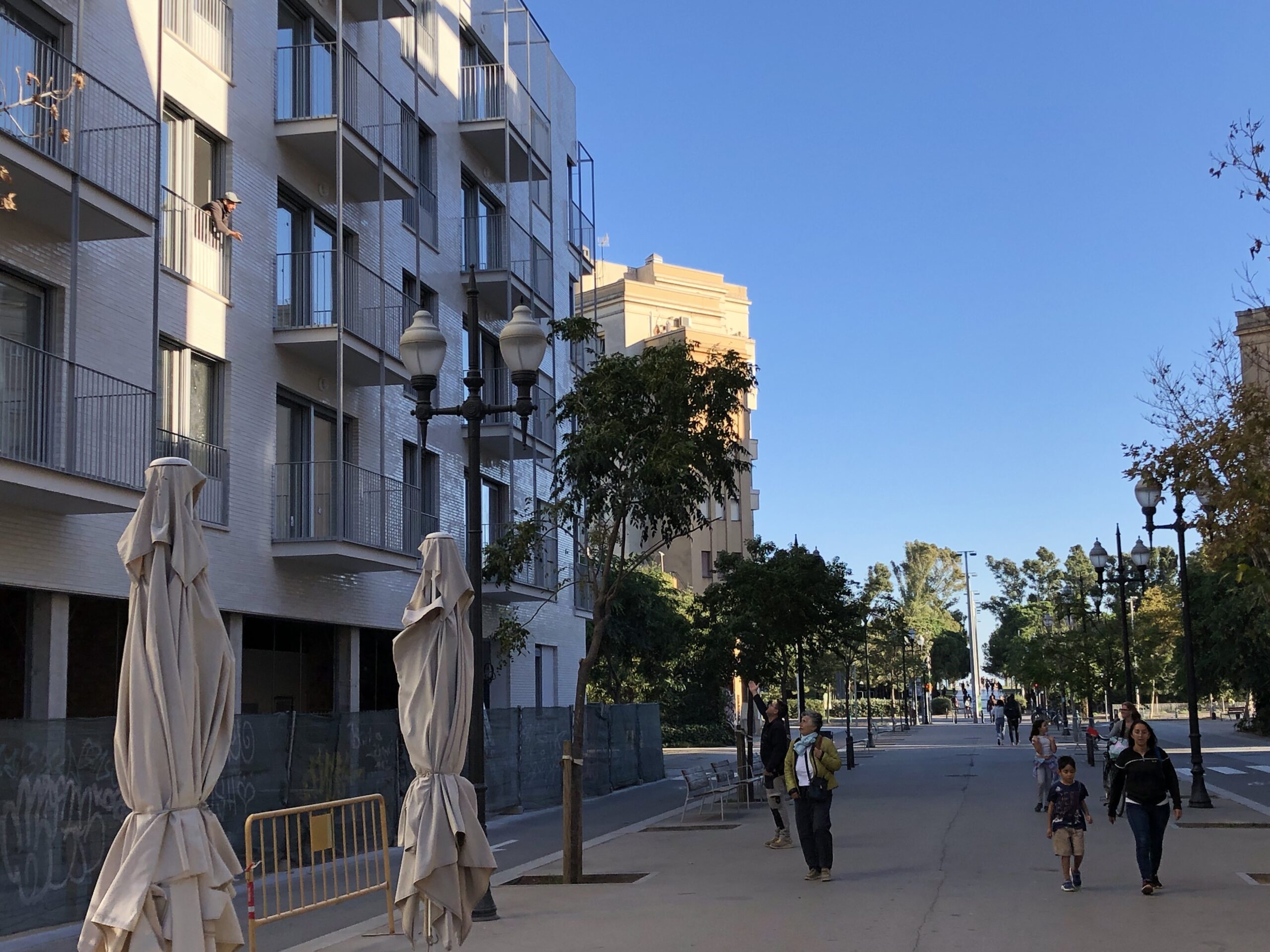
Rambla del Poblenou. A much more interesting pedestrian walk-way than the more famous La Rambla.

A new building of housing going up in the la Poblenou neighborhood. I did not need my lessons from Babble to teach me the building owner was not happy with progress toward completion. Or that the contractor did not seem to share the same concern.

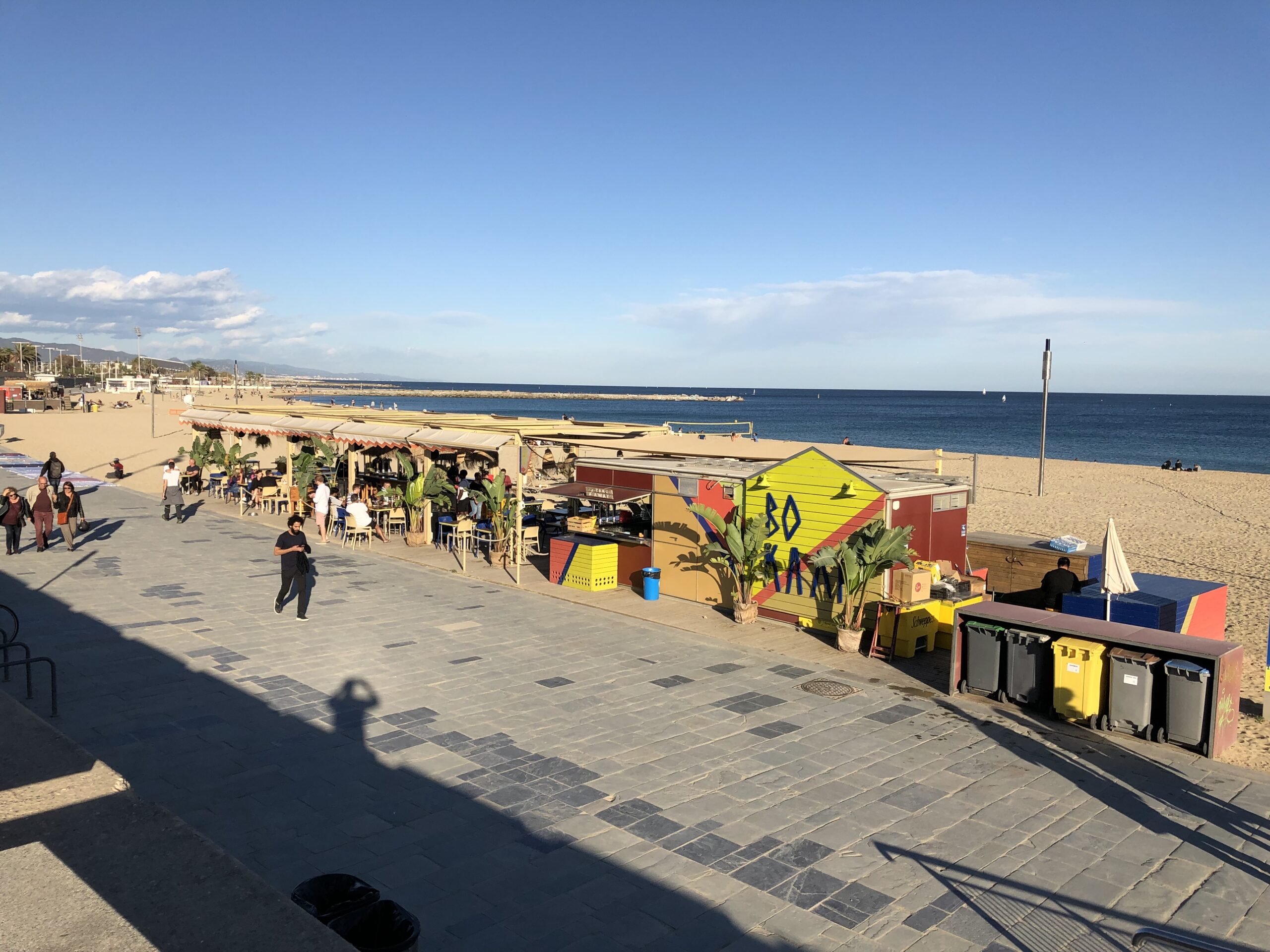
Places to eat and drink of a variety of style and cost exist on the beachfront.

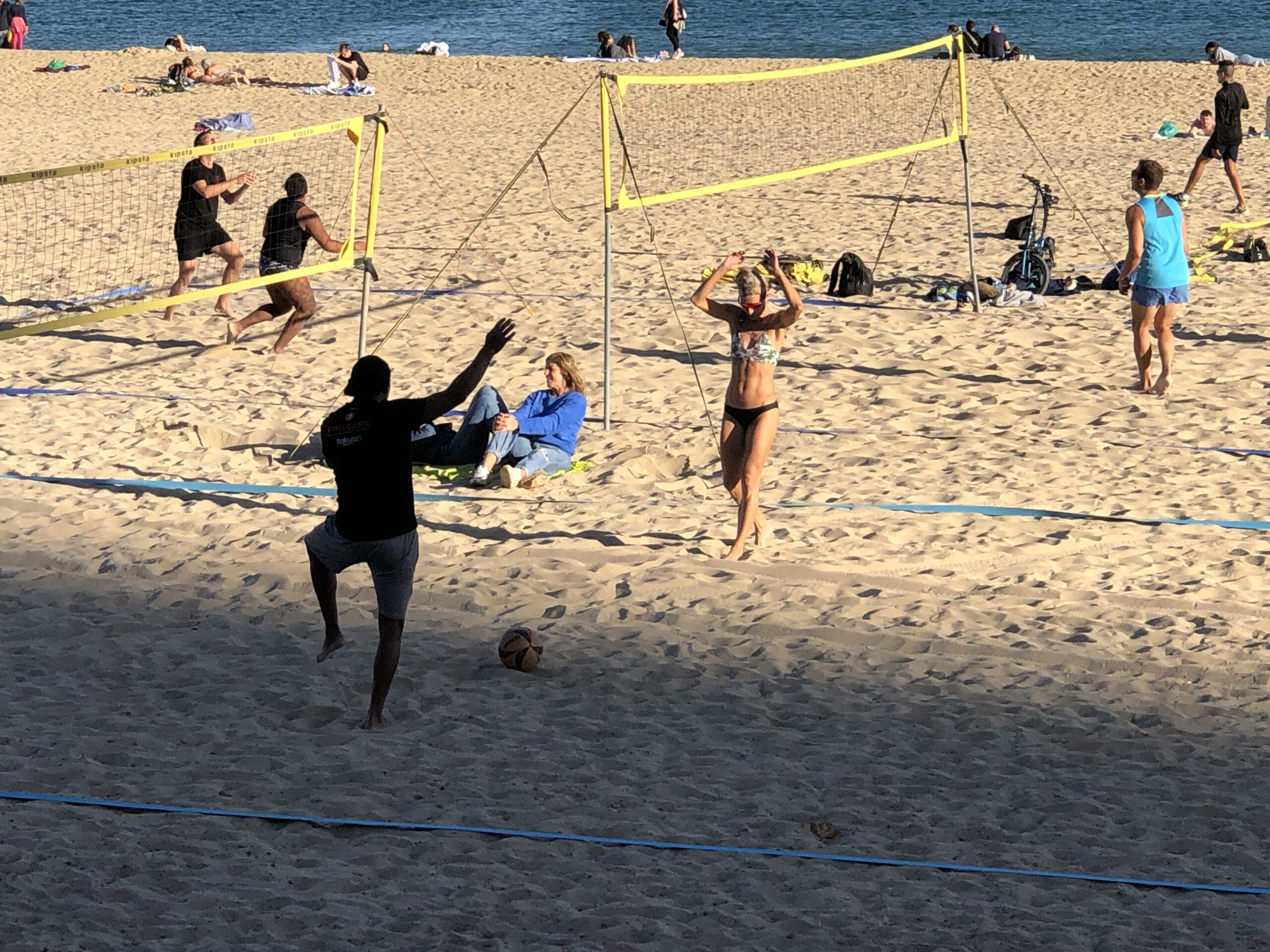
Beach Volleyball is definitely a thing in Barcelona.

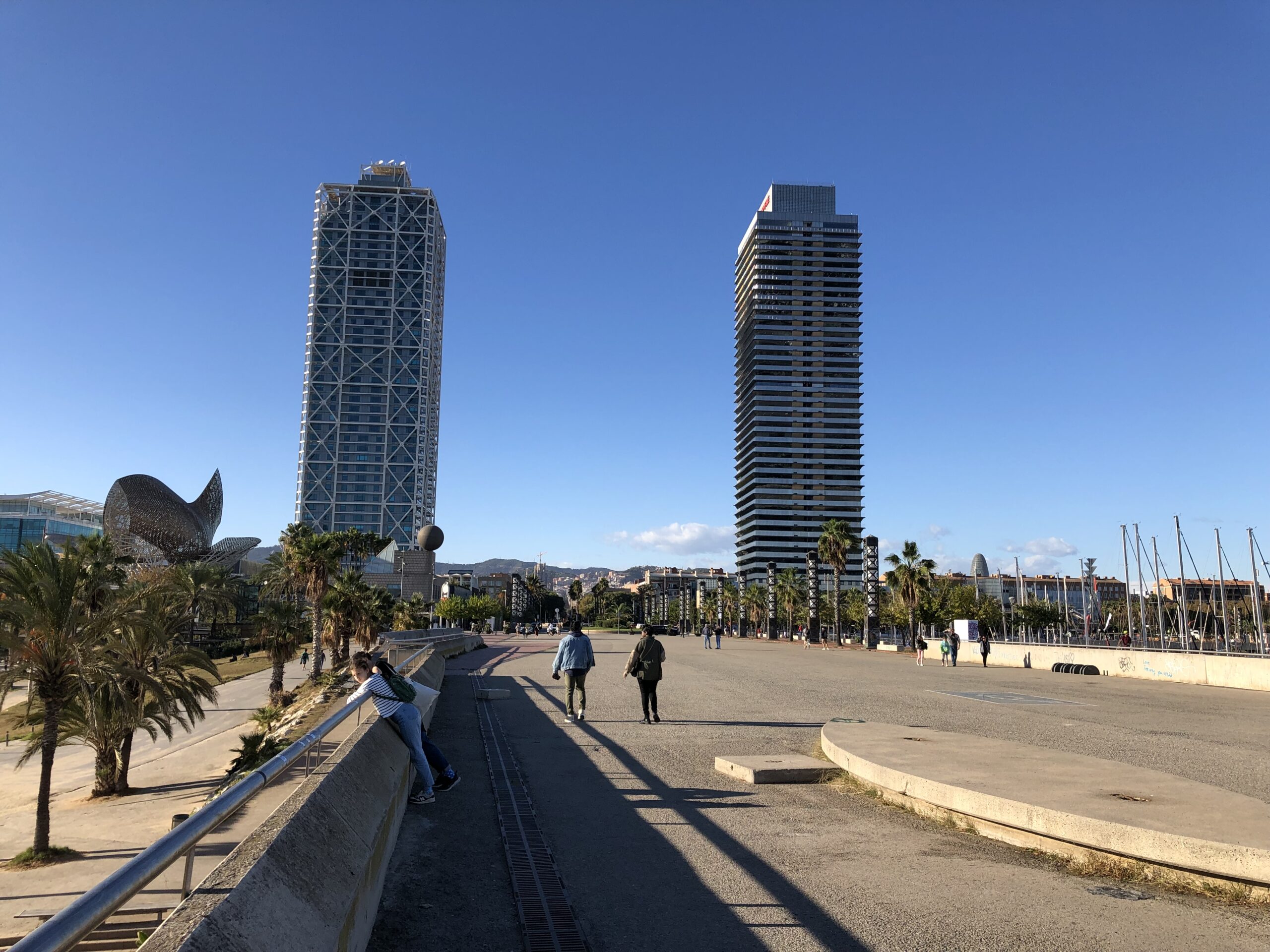
The city’s construction for the Olympics consisted of a great deal of glass and concrete.

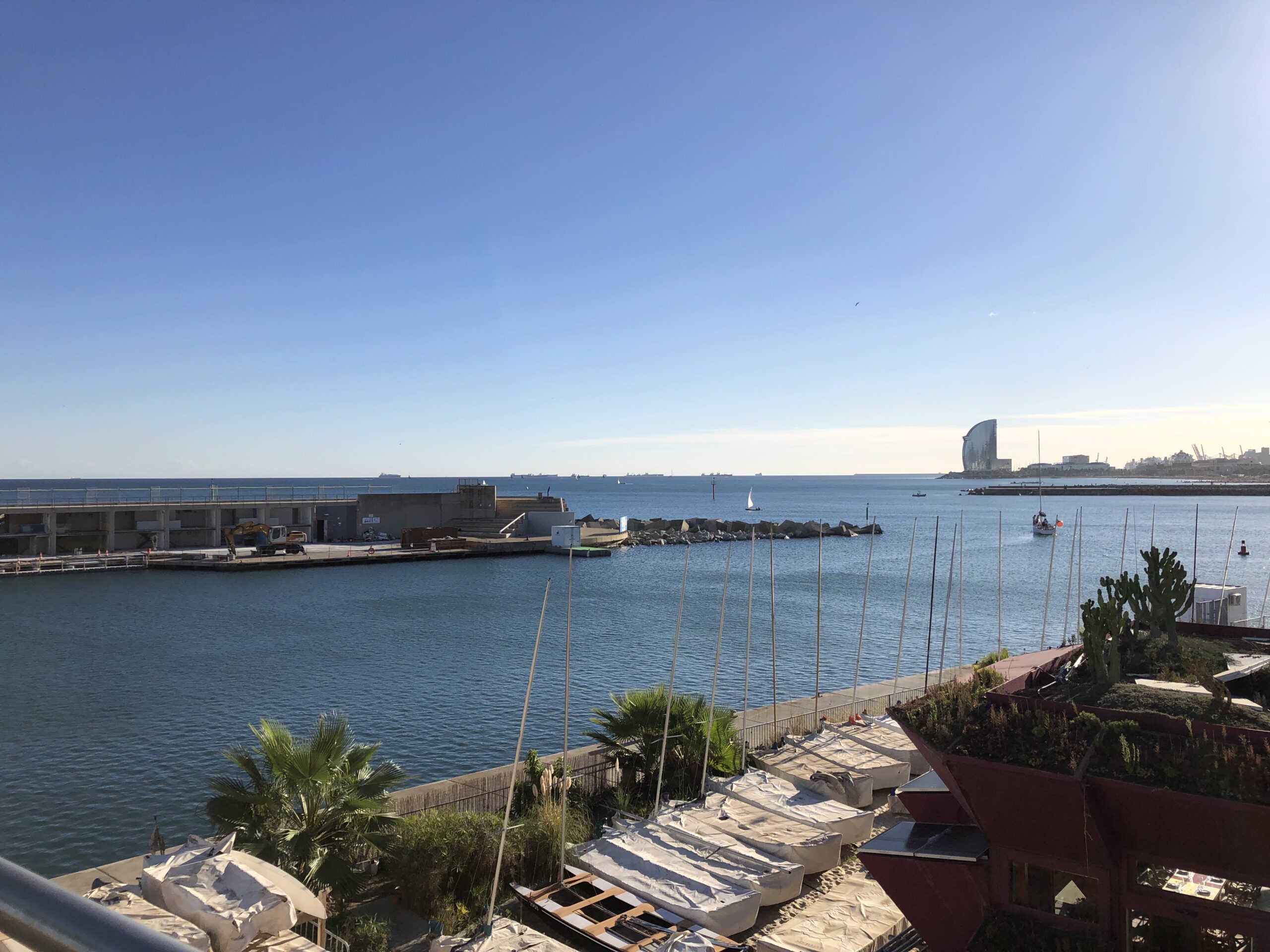
The Olympic harbor

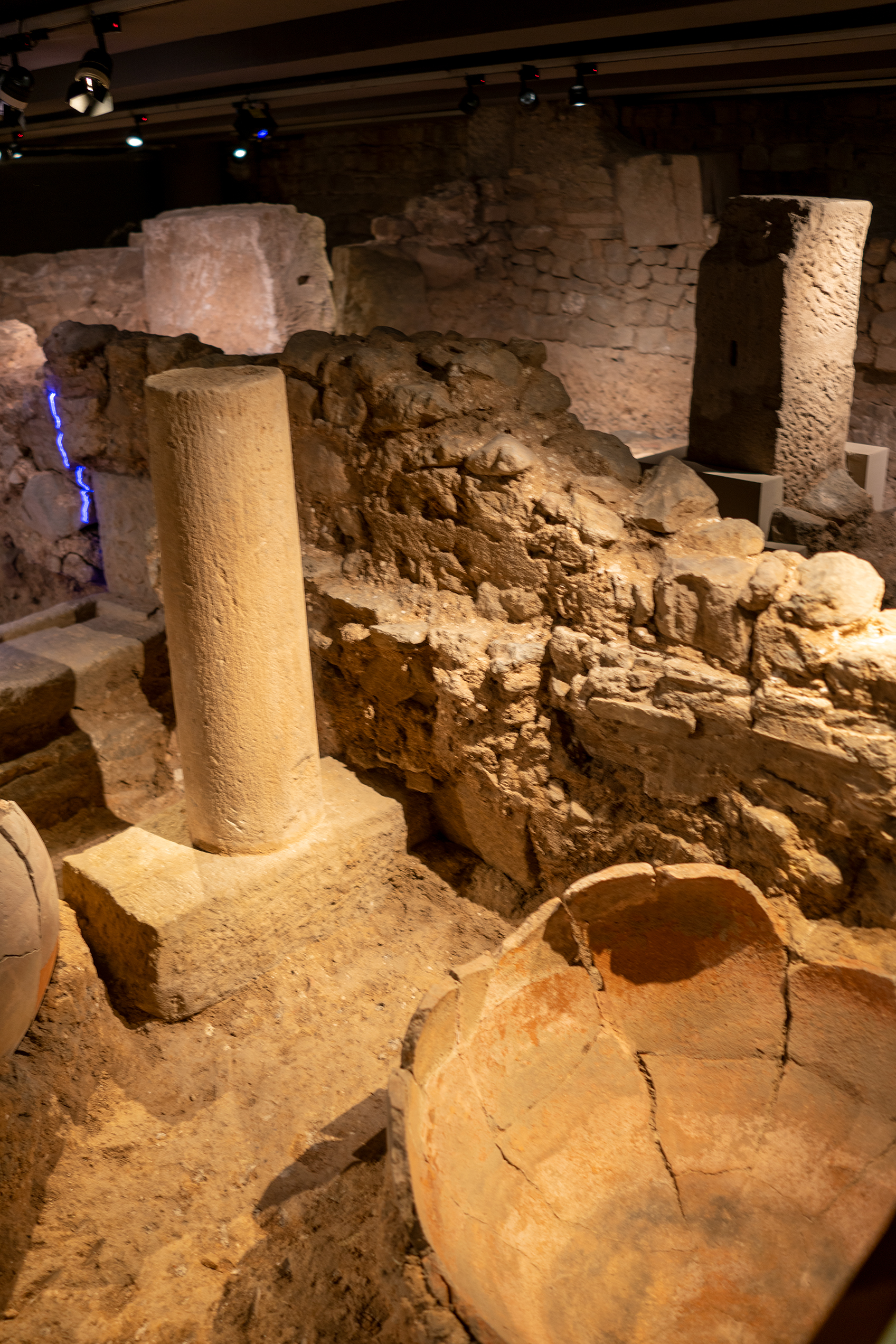
The City has an underground exhibit of its history from its start (as Bacila) in Roman times through the 8th century in one location. Absolutely fascinating.

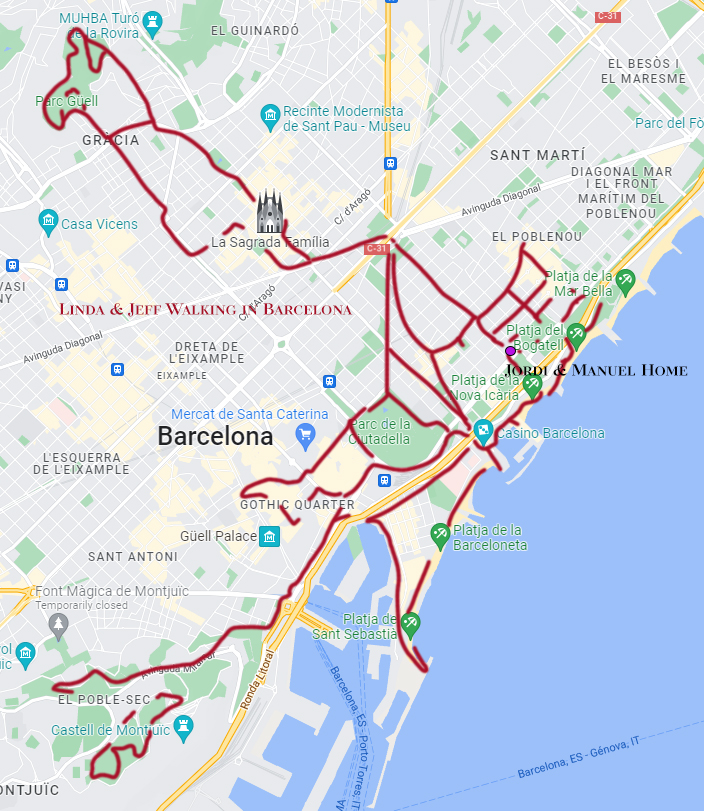
Our walking routes – marked in red.

— Jeff’s Worthless Trivia and Other Thoughts —

Linda and I are members of HomeExchange.  It is an organization of home owners who trade staying at each other’s home.  Linda and I have been members since HomeExchange’s inception in the 1990’s.  We exchanged with Jordi and Manuel in Barcelona. Because of its Olympic Village heritage the unit is just over 534 square feet. Jordi and Manuel have outfitted the unit in such a manner it would receive a Gold Medal for interior design.  It was a wonderful place to stay in Barcelona.  In my mind, staying in someone’s home is vastly superior to that of a hotel. The HE ground rule is no money is exchanged between the Members. Home Exchange verifies (prior to getting a membership), people are who they say they are, the home is real, and they own it.

As with many of the European countries, the operating aspect of daily life is distinctly different than the United States.  The day in Madrid, does not really begin until 10AM.  Some shops (Coffee, Bakery, etc.) will open at 8AM.  They are few and far between.  Most operations close down for a few hours starting at 2PM and re-open at 5PM.  Most restaurants if open during the daytime will close at 2PM and re-open at 8PM.  Nightlife continues well into the morning hours.

Barcelona has an extensive rail, subway, bus, and cab system.  We walked, but if any of these transportation options are needed or desired – they were close by and readily available at all hours.  A car is not needed to enjoy central Barcelona,  In fact it is a liability.

A Trip to Spain: Madrid

Authors Note: Linda and I took an 18 day trip to Spain.  It was not part of a professional photo-shoot. I carried only an IPhone and the Sony RXR1 as photographic gear.  It was agreed, as with most vacation trips we take, the photos captured would be Tourist shots.

Madrid is a sophisticated, large, and magnificent city. After Berlin, it is the largest in the European Union (3.4M city proper 7M metro). Madrid has its act together and is progressing to the positive.  Madrid has an elegance and sense of stature to it.  With England, and therefore London, leaving the European Union, Madrid is taking a larger role and presence in the financial space.

As with many European cities. Madrid is a walking town, and Linda and I are walking people. Linda and I stayed six nights in a home in the Chamberi – Salamanca district. This is one of the nicer areas in Madrid.  We had easy access to museums, places of historical note, and terrific local establishments.

The big tourist spots (The Royal Palace, San Miquel Market, Prado Museum, City Mayor, Retiro) are worth every moment of your time.  Do not pass on a visit to any of them. The architecture of multiple centuries remains to a great degree. What was most enjoyable to me was the walk from our home to each of these areas of interest.  It allowed Linda and I to see first hand how the city lives and breaths. 

There are the usual Tourist Trap type of streets.  Luckily, there are not too many. However, they exist, are grimy, and are sprinkled with homeless people whom live in make-shift corrugated cardboard boxes set in building door wells. It is not as pervasive as that of today’s Manhattan, Seattle, Portland, San Francisco, or Los Angeles.  The difference is that Madrid, especially its superlative parks, have no enclaves of homeless tent cities.

However, the beauty of the city’s core is at times undermined by graffiti.  At least that is how I see it. In some places, it is extensive.

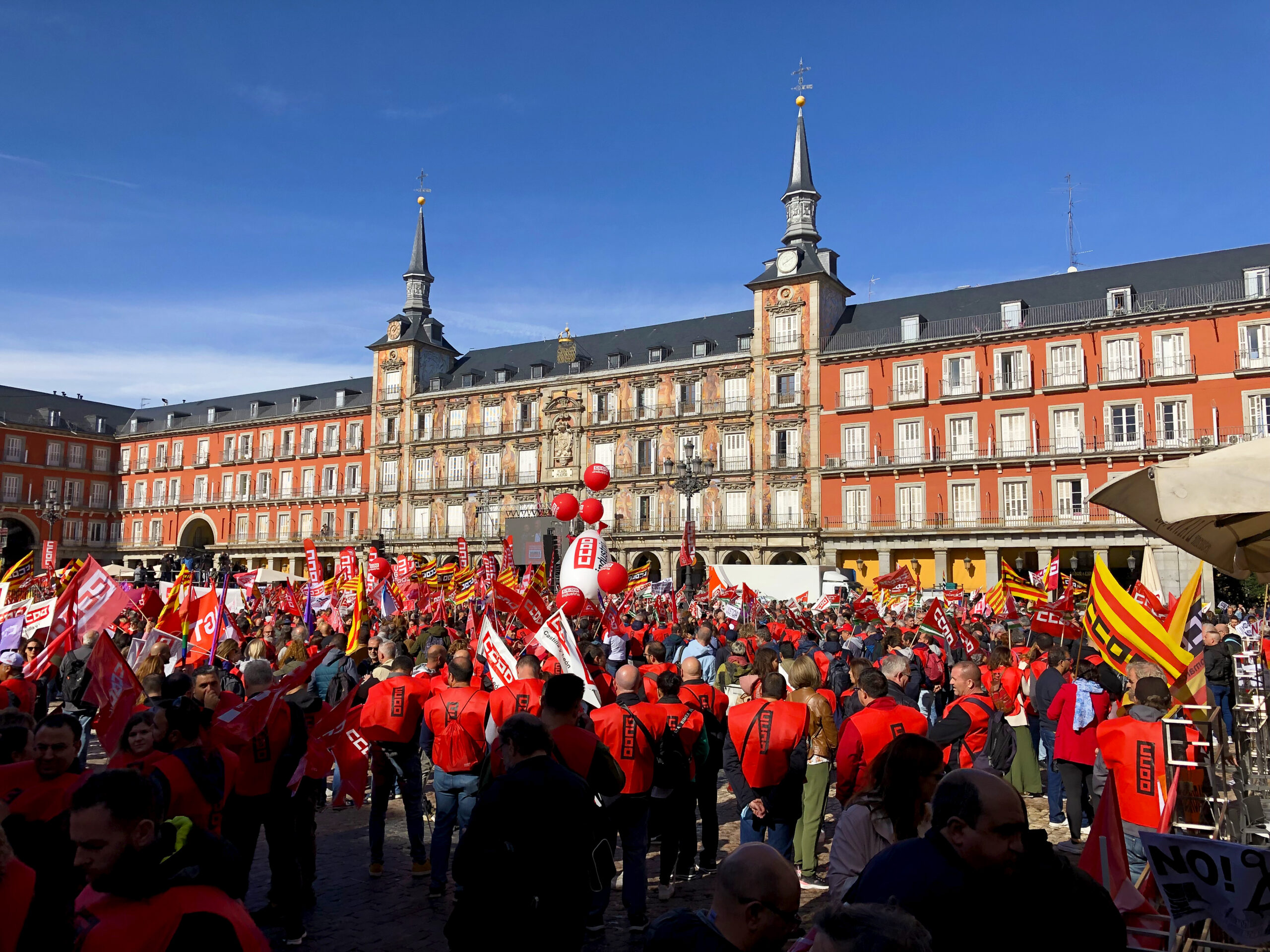
The Plaza Mayor

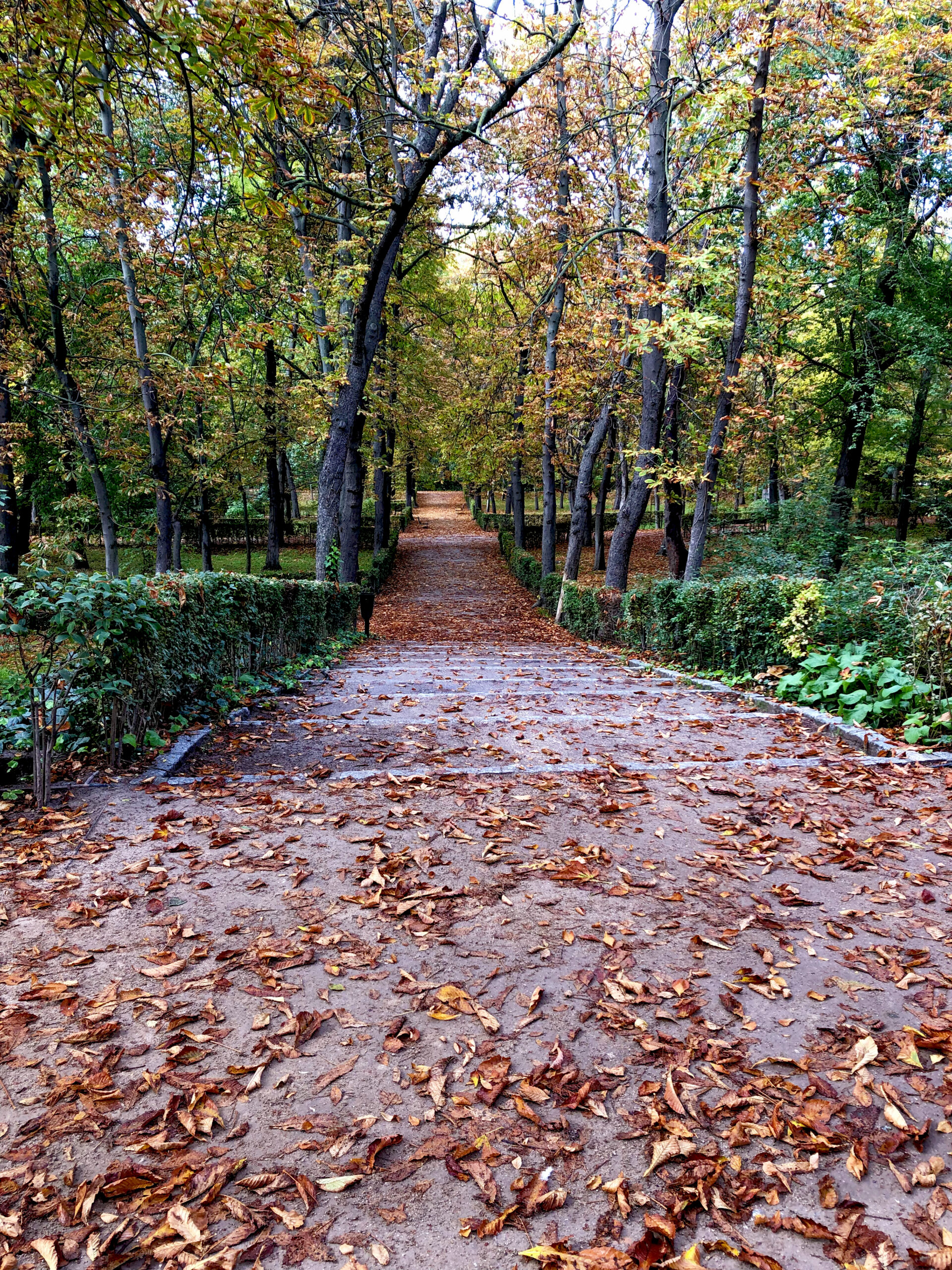
The Retiro

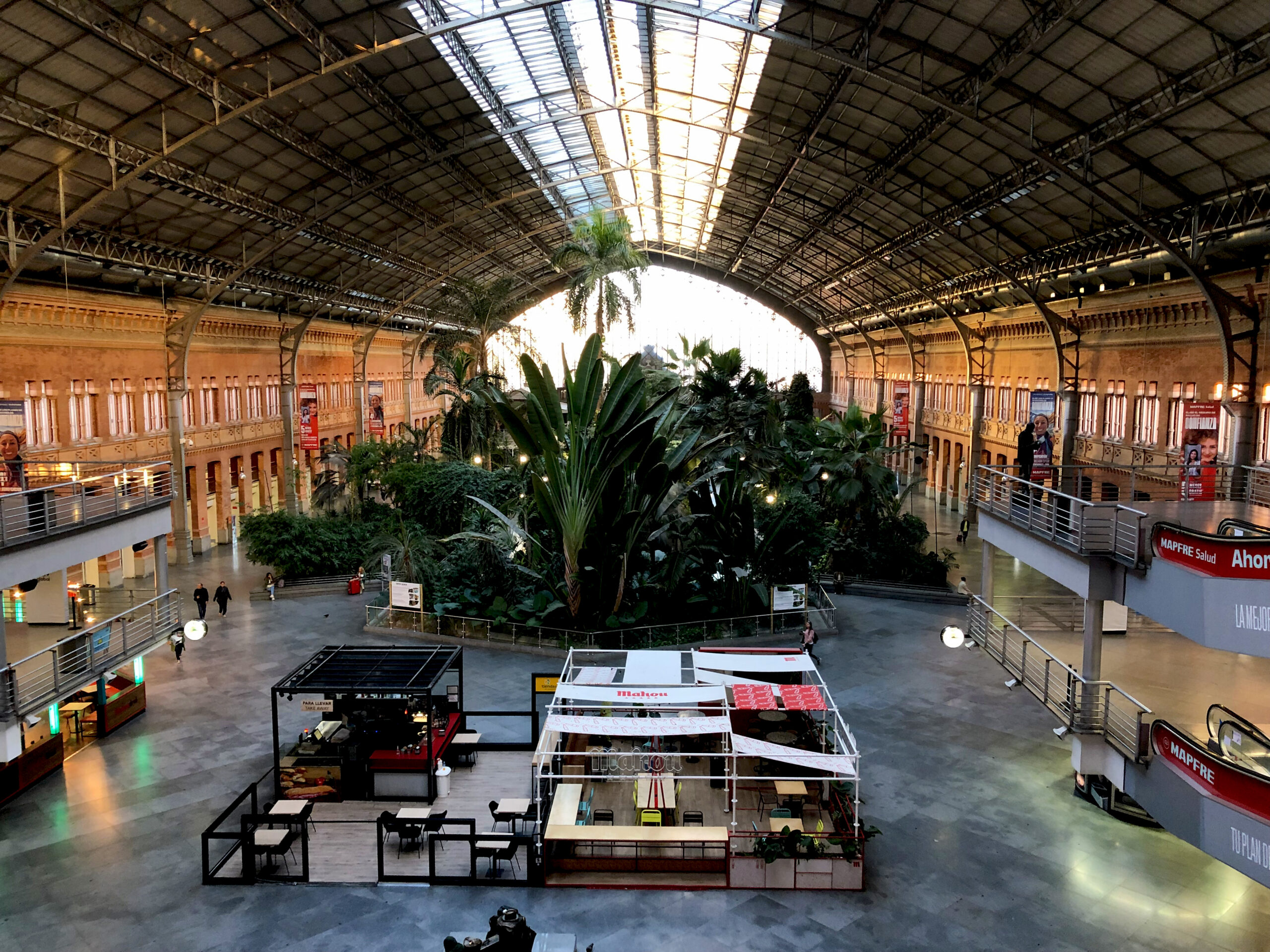
The Train Station in Madrid

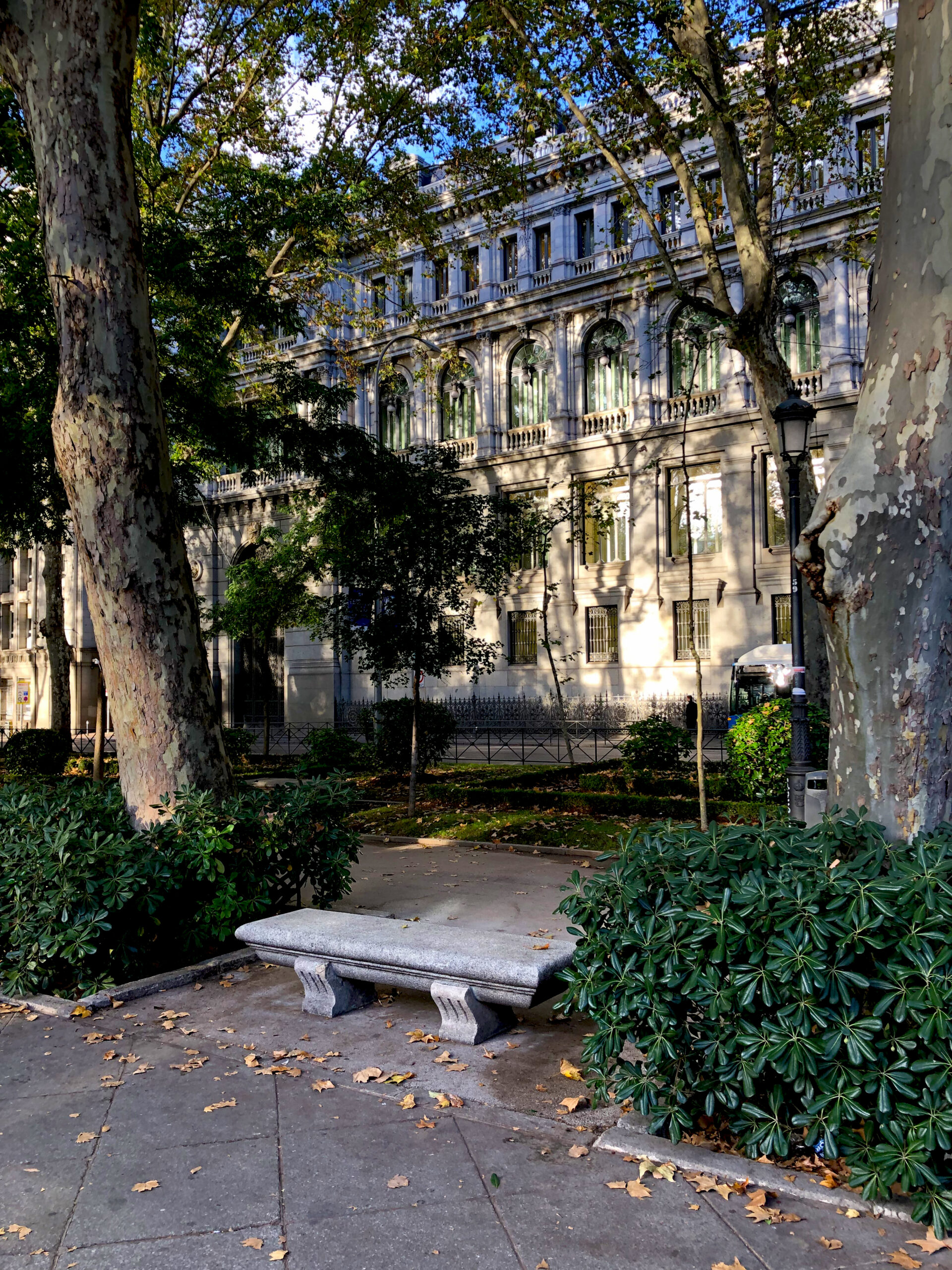
Walking on the way to the Prado

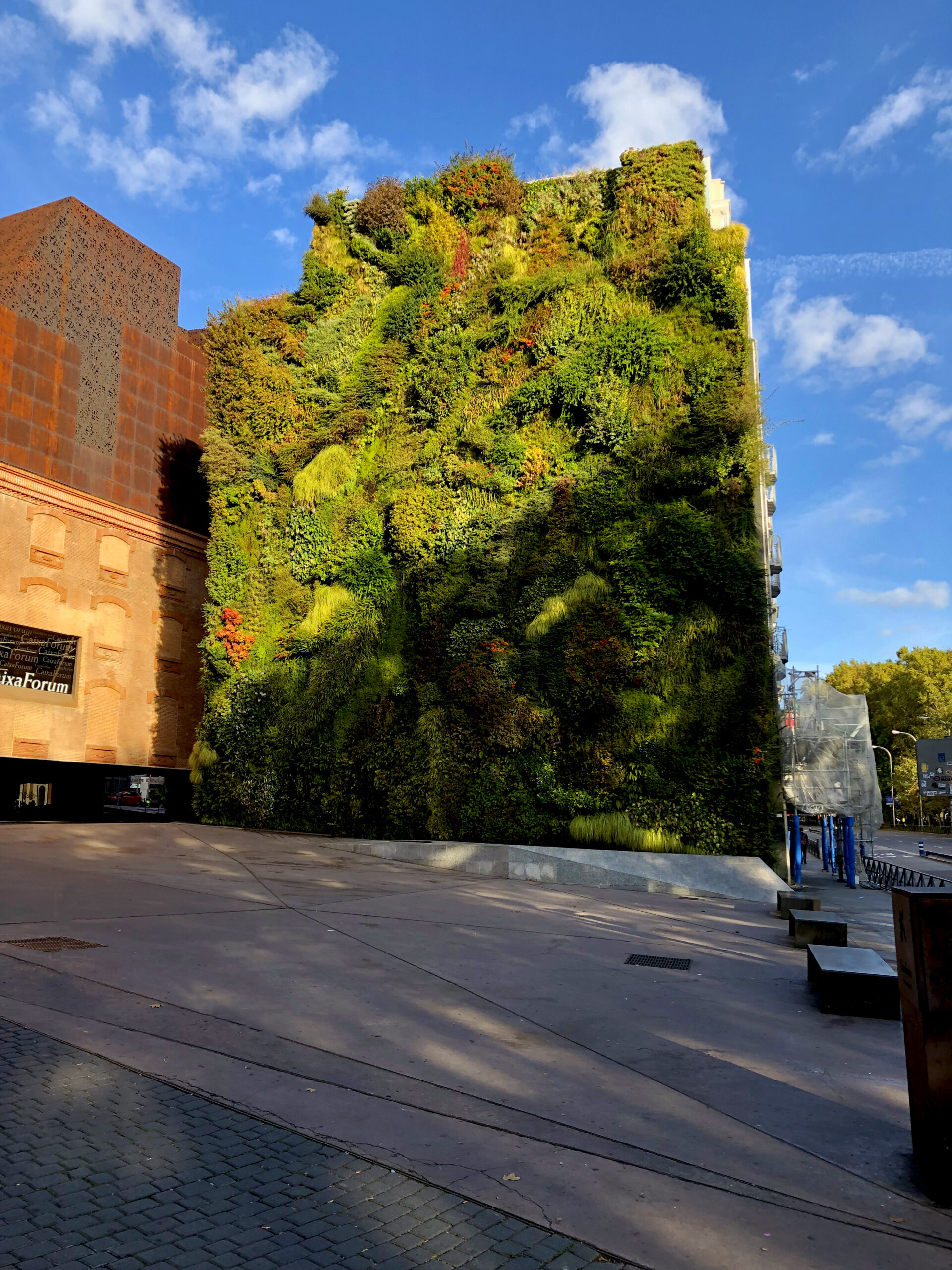
The Wall of Nature

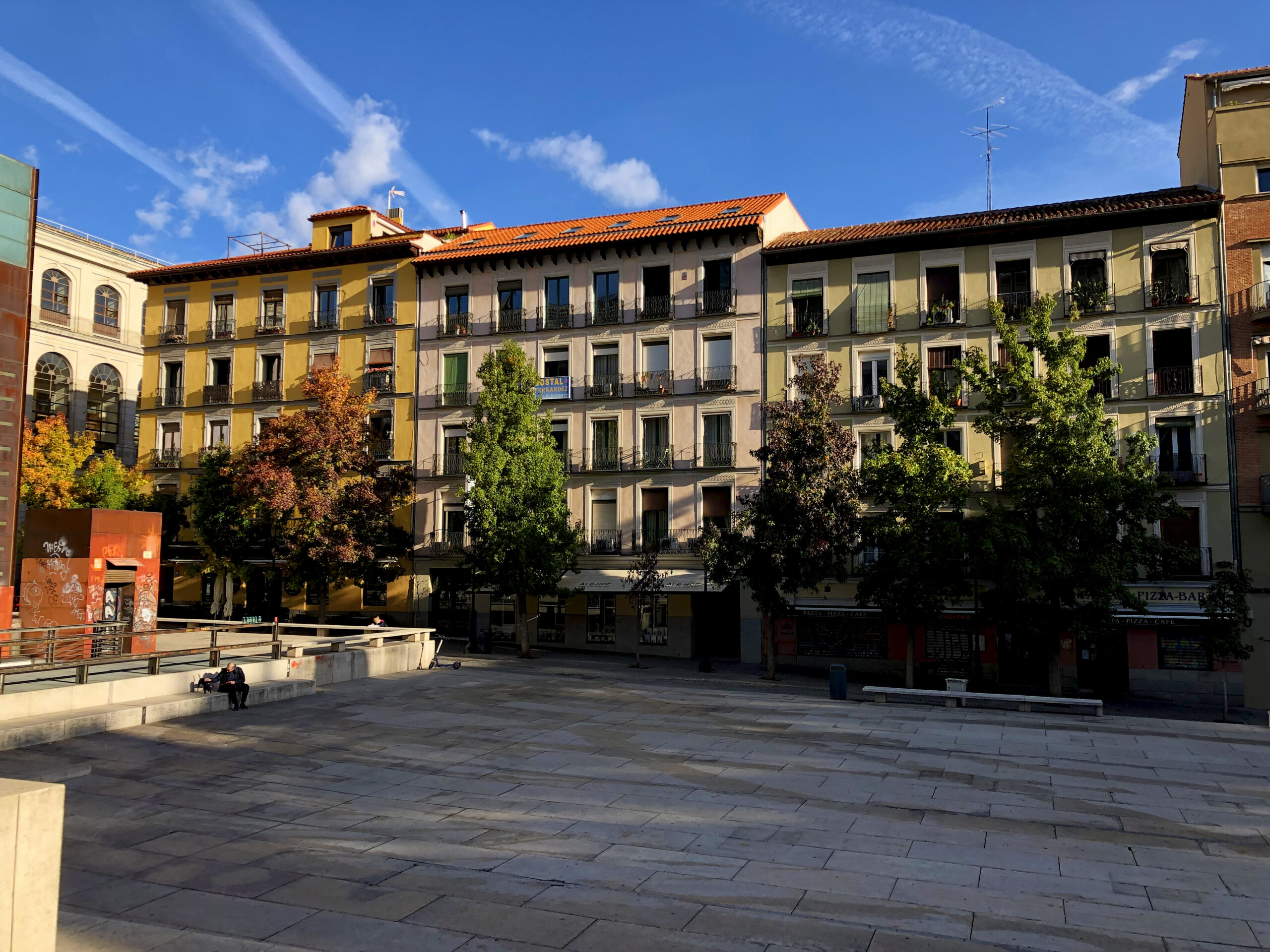
Madrid, a city of well kept buildings with city squares.

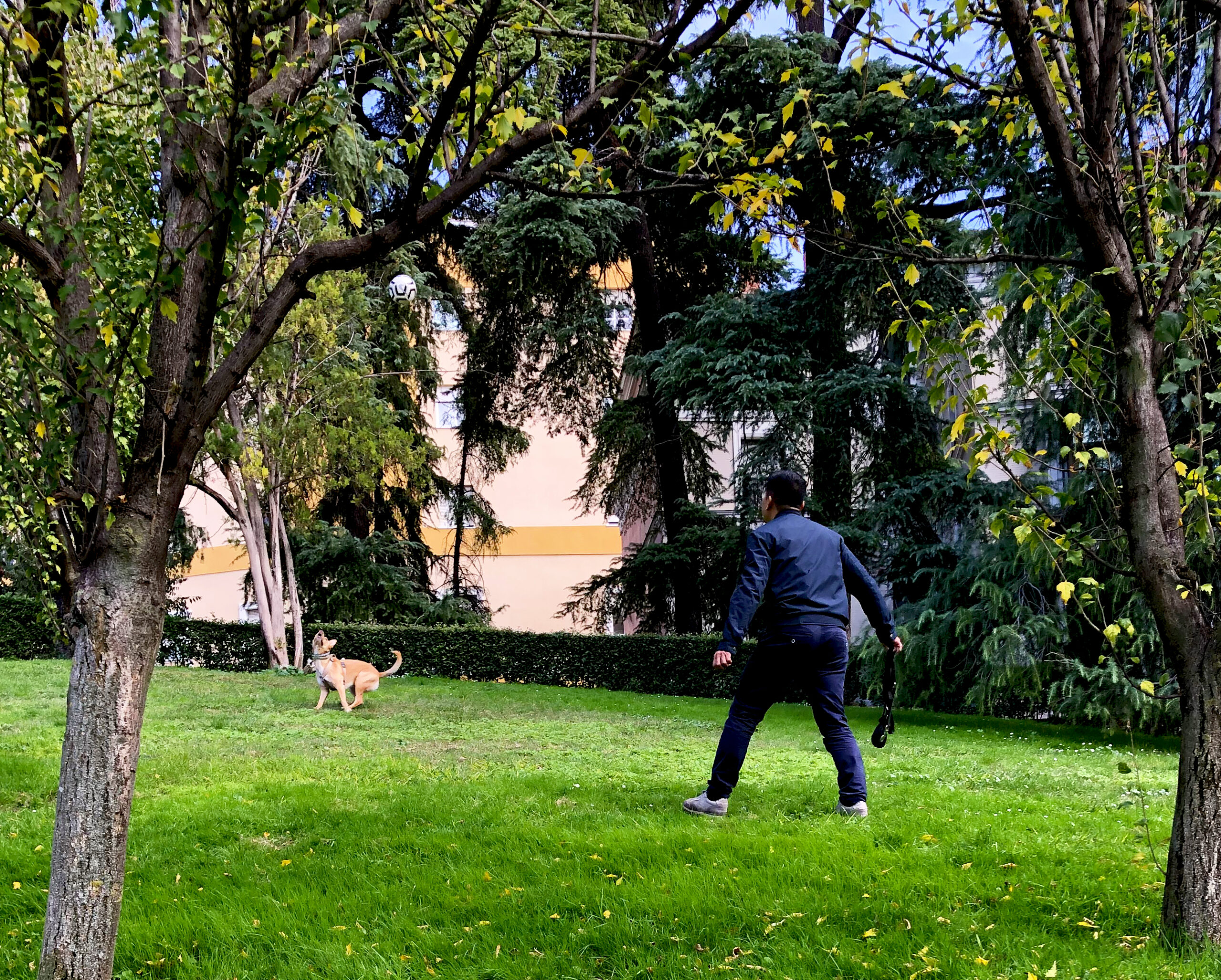
I’ve Got It!

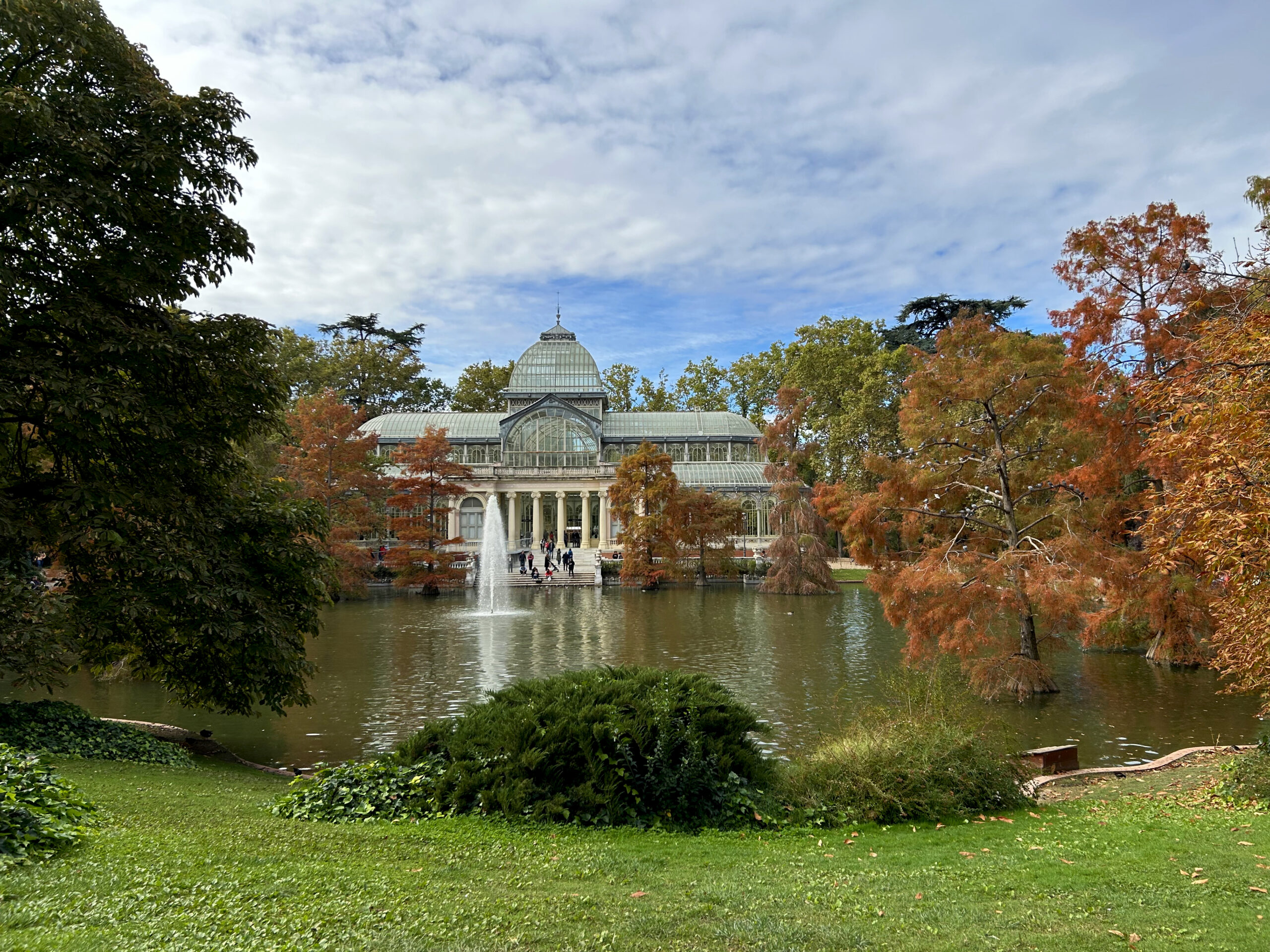
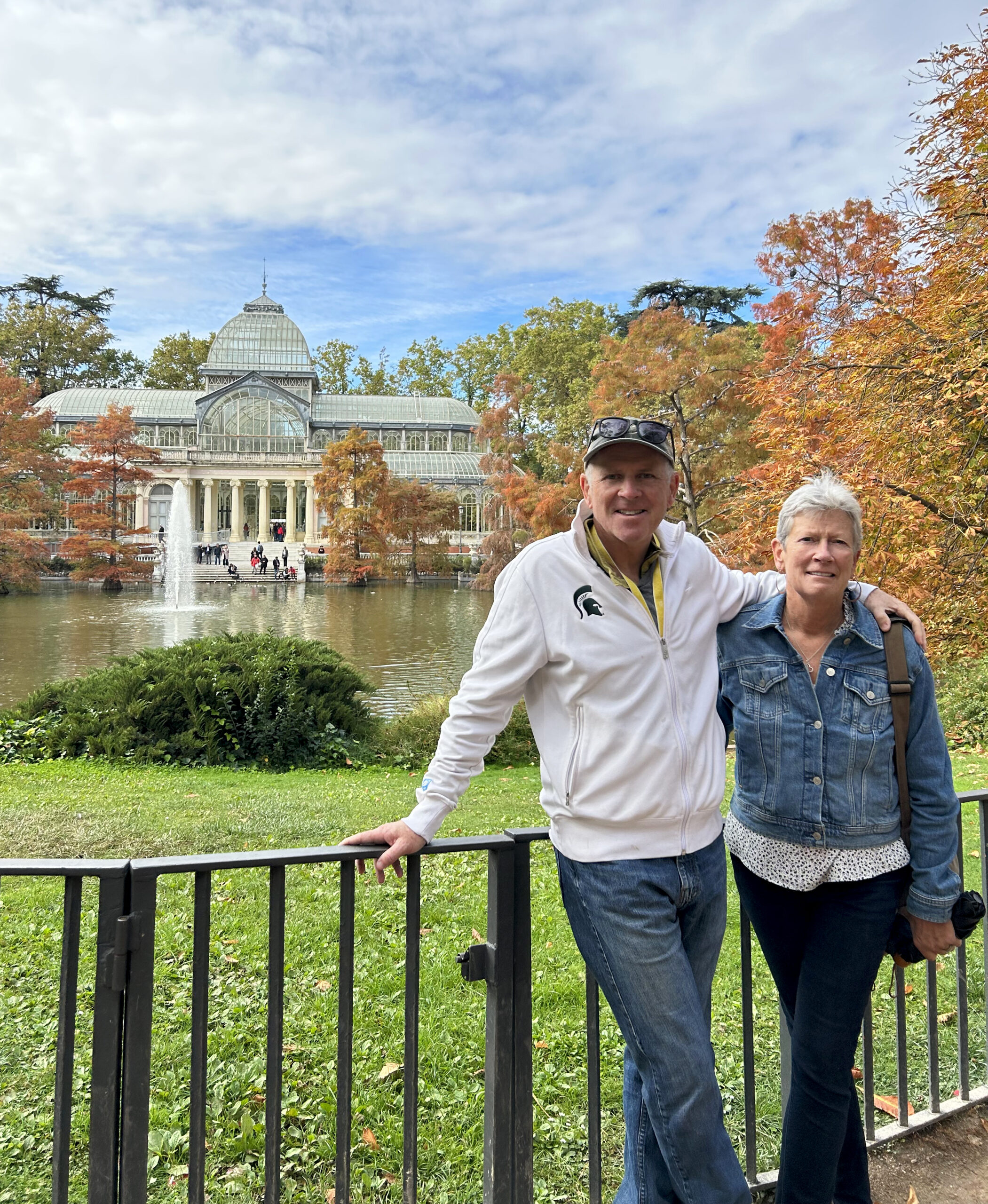
Crystal Palace Retiro Park

Me with my Best Girl by my side.

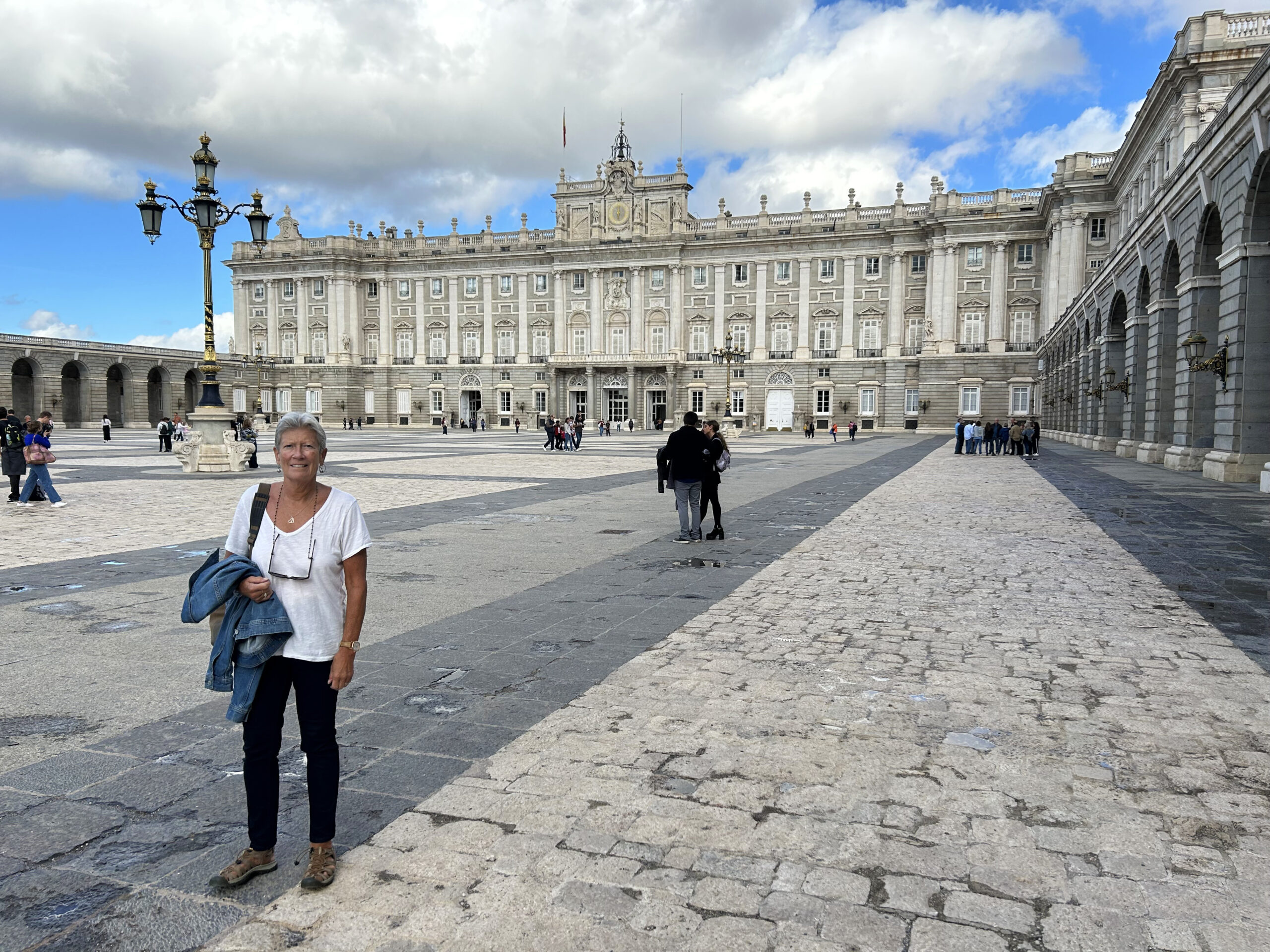
Linda at the Royal Palace

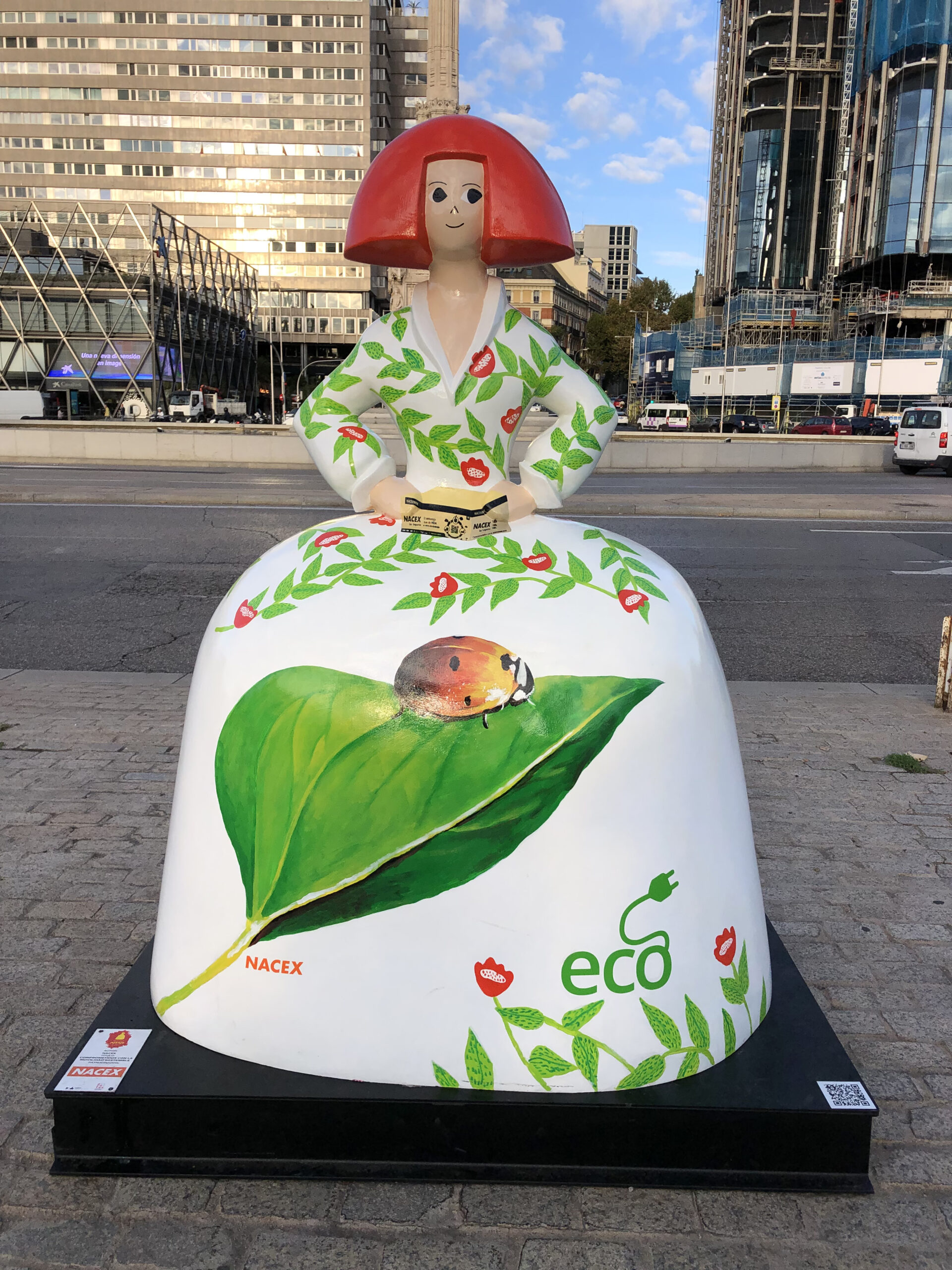
Each town has its Icon. This is Madrid’s.

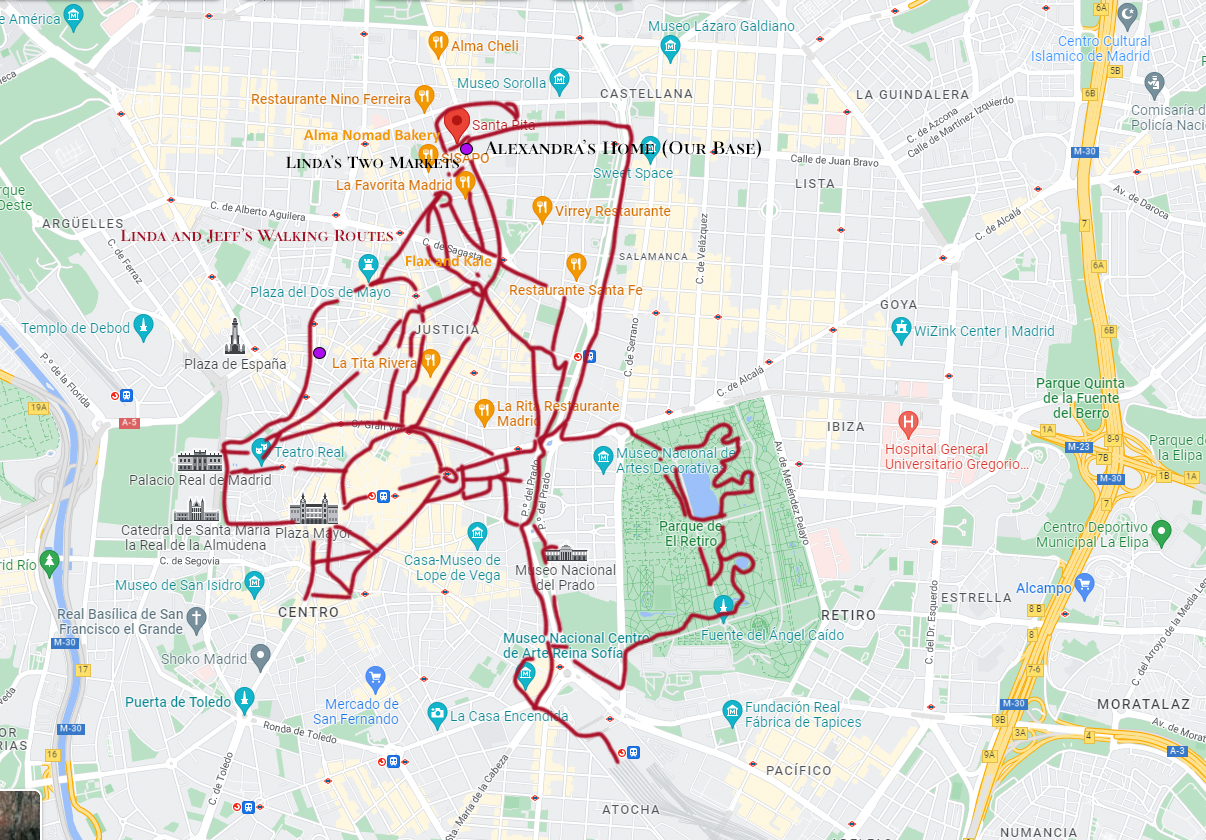
Madrid and what we were able to cover walking. As a reference the distance between Alexandra’s home and the Atocha Train station is a little over 3 miles.

— Jeff’s Worthless Trivia and Other Thoughts —

Linda and I are members of HomeExchange.  It is an organization of home owners who exchange staying at each other’s home.  Linda and I have been members since HomeExchange’s inception in the 1990’s.  We exchanged with Alexandra who has a wonderful place in Madrid.  In my mind, staying in someone’s home is vastly superior to that of a hotel. The HE ground rule is no money is exchanged between the Members. Home Exchange verifies (prior to getting a membership), people are who they say they are, the home is real, and they own it.

As with many of the European countries, the operating aspect of daily life is distinctly different than the United States.  The day in Madrid, does not really begin until 10AM.  Some shops (Coffee, Bakery, etc.) will open at 8AM.  They are few and far between.  Most operations close down for a few hours starting at 2PM and re-open at 5PM.  Most restaurants if open during the daytime will close at 2PM and re-open at 8PM.  Nightlife continues well into the morning hours.

Madrid has an extensive rail, subway, bus, and cab system.  We walked, but if any of these transportation options are needed or desired – they were close by and readily available at all hours.  A car is not needed to enjoy central Madrid,  In fact it is a liability.

Each of the neighborhoods are filled with small specialty stores, markets, pharmacies, coffee shops and the restaurants.  Do not expect to load up with everything at Costco at the start of the trip.

I strongly recommend you purchase tickets to the museums and other exhibits on-line with designated start times.  This action may prove to be the greatest provider of satisfaction and saver of time for the entire trip.

I am a coffee drinker.  I am used to a hot full mug of Joe, with cream and no sugar to start my day and continue throughout as needed.  No such concoction exists in Spain, Nespresso makers produce small luke-warm products one-quarter the size I expect.  there is no concept of Cream for your coffee in Spain.  Pastries and breads are simply wonderful. However, a breakfast bagel with sausage and swiss cheese will not be found.  I did not miss it!

Jamon is the legendary food product of Spain.  Most often it is Iberian Ham cured, and stored for weeks and then dried for months.  The best of the best is the the presa and the pluma.  They are two different cuts of meat, but they are similar in size. The presa is sometimes known as the pork’s caviar for its exclusivity — it’s hidden between the cabecero or shoulder collar and the shoulder itself. The thick-cut is insanely juicy, and it’s best enjoyed when grilled at high heat.  I enjoyed a presa cut prepared to perfection,  My goodness it would fool the best steak lover.

After a week in central Madrid, I had come to believe there was no such thing as a Shopping Mall. Boy, was I wrong.  We had heard about a really good Argentinian restaurant near the Hilton Hotel at the airport.  As always Linda and I found a way to walk to it.  What we did not know, was the restaurant (CHE!!!) was located on the 3rd floor of the Plenilunio Shopping mall. The mall was the best (or worst) of U.S. Malls in their heyday.  We had dinner at 9PM on a Sunday night.  The mall was packed with people and families until well past 10PM.

I strongly suggest reading up on Spain and Madrid’s history, prior to arrival, It is fascinating, and will help you understand the interplay of religion, society and cultures that have influenced what you will experience.