March 2026
M T W T F S S
 1
2345678
9101112131415
16171819202122
23242526272829
3031  

Exceptional Story about an Icon & Life At Sea

Conclusions presented in books and articles about the Icon known as Captain James Cook vary to the extreme.  Some paint him as a glorious explorer and hero or the lead character in the scourge of colonialism.

Smart Choices Made by Sides

Historian Hampton Sides does not fall victim to taking one side or the other. He presents a remarkably detailed and considered look into Cook, the people around him, and the world at the time.  Sides takes great care to present the facts in an insightful and balanced 350+ pages. The Wide Wide Sea is a not a long dense slog of a read.

Sides smartly chooses the narrative on which to focus, Cook’s third Voyage – to find the Northwest Passage.  He makes sure the reader is provided the proper background and context before taking you deep into the journey and its implications.

Sides is known to be the ultimate researcher, who can pull out fascinating information and present a gem of a story.  With The Wide Wide Sea, Sides has done it again.  There are a multitude of stories, plots, and sub-plots revealed in this book.

Worth the Read

It would be easy to take a pass on reading another book on someone and something that has been covered ad nauseum. To do so, would be a mistake of material proportion.  If you desire to really know the story about Cook, this journey, and the world and culture at the time, read The Wide Wide Sea.

Fore more information about Hampton Sides go [here].

For some more pictures of the beach front in Waimea go [here] and [here] and [here].

**** Jeff’s Thoughts and Other Worthless Trivia ****

The Hawaiian islands are now and have been important to me for most of my life. A good deal of the book deals with Hawaii and its role in the world, and the life and death of Cook.  As a resident of Kauai I was especially interested in how the first documented contact between a European and Hawaii and its people would be told.  Kauai is presented front and center in the Prologue and in Chapter 24.  Sides narrative is compelling. Kauai considered itself then, and to a degree today – a Separate Nation. Sides expertly points it out.

Cook, his two ships, and crew first made contact with Kauaian’s at the mouth of the Waimea River and the Pacific ocean. 

They landed on the ocean front on the western side of the mouth of the Waimea River.

I live in Waimea. 

My home is on the ocean front on the western side of the mouth of the Waimea River.

In Pictures

The view from Atoo oi (Waimea) today. My guess is the location of the drawing would put the scene and view two blocks past the Highway 50 bridge (in the distance).

Where the Waimea River meets the Pacific. In view, the River, Canoe Club and my house behind them (white roof). Note:  The sand bar builds with lack of rainfall and can be almost completely washed away after heavy rainfall. At present the sand bar is about 50% of the size shown in this photo.

A view of the mouth of the Waimea River and the Pacific. If there is an extended period of no rain, the sand bar will grow and almost close off the river.

The ocean front from our yard. For context, the waves from where the ocean meets the river can be seen through our Ironwood trees on the left.

Our house from the ocean beach front
The Longest Migration and a dragonfly

The world’s longest migration was not on my mind as the day began.

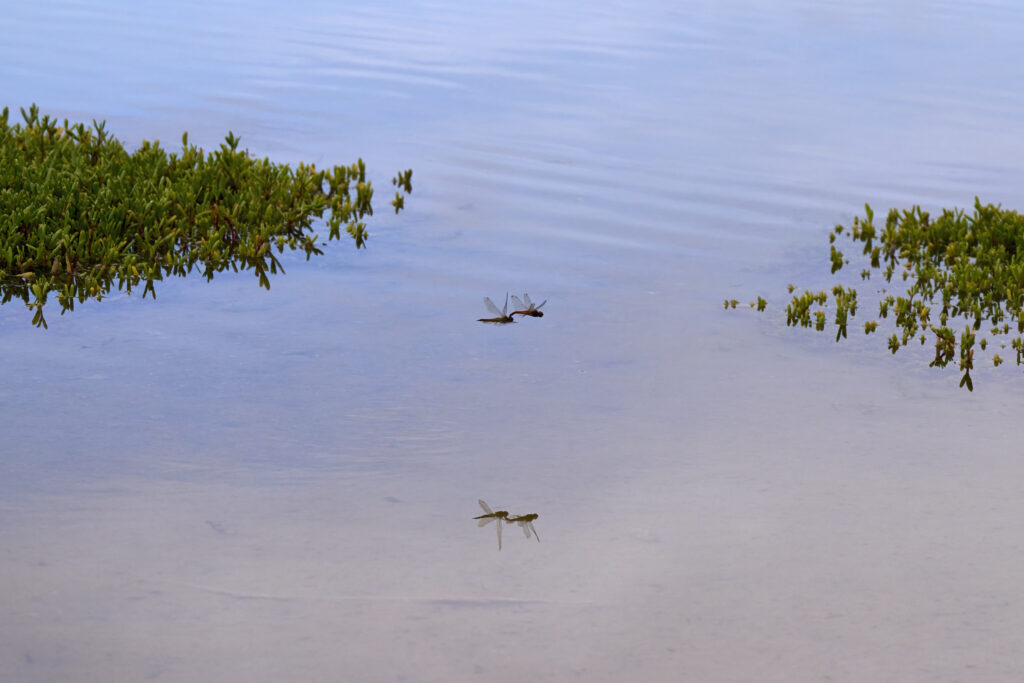
dragonflies on migration in kauai.

My goal was to conduct an early morning photo-shoot a the Kawaiʻele Waterbird Sanctuary a few miles west of my home in Waimea Kauai. 

However, I would learn that an unplanned subject of the photo-shoot would be a record holding migrator. Kauai in general and the Sanctuary in particular is a major stopping off point for migrating birds and aquatic life.

Upon entering the sanctuary, I see many of the principle subjects of previous photo-shoots.  The Hawaiian Stilt and the Hawaiian Goose are present.

A New Visitor and it is on a Migration

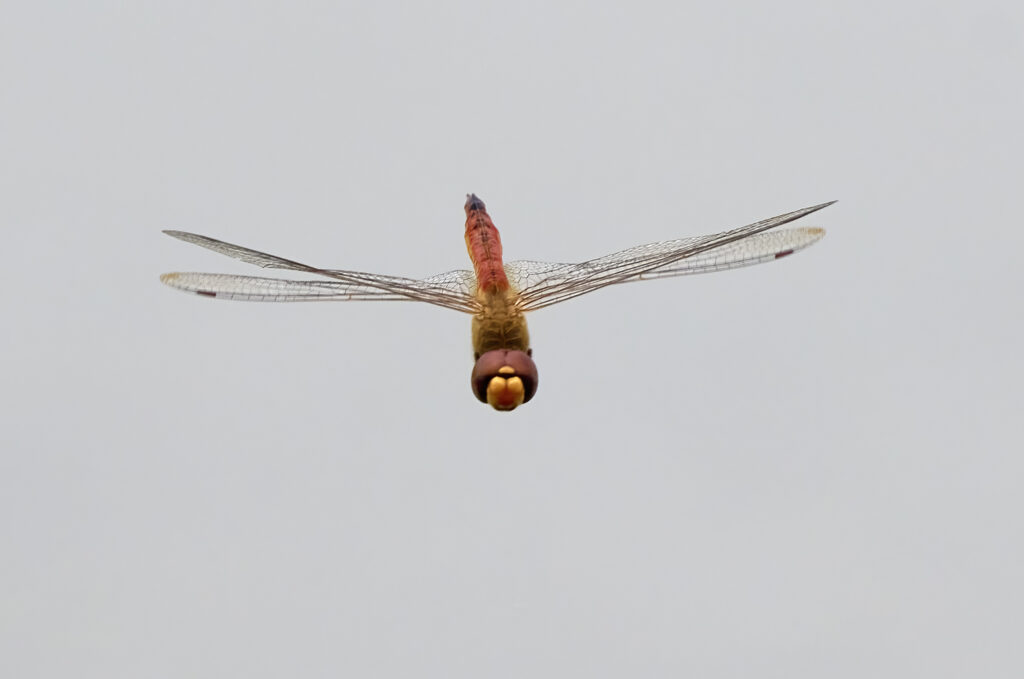
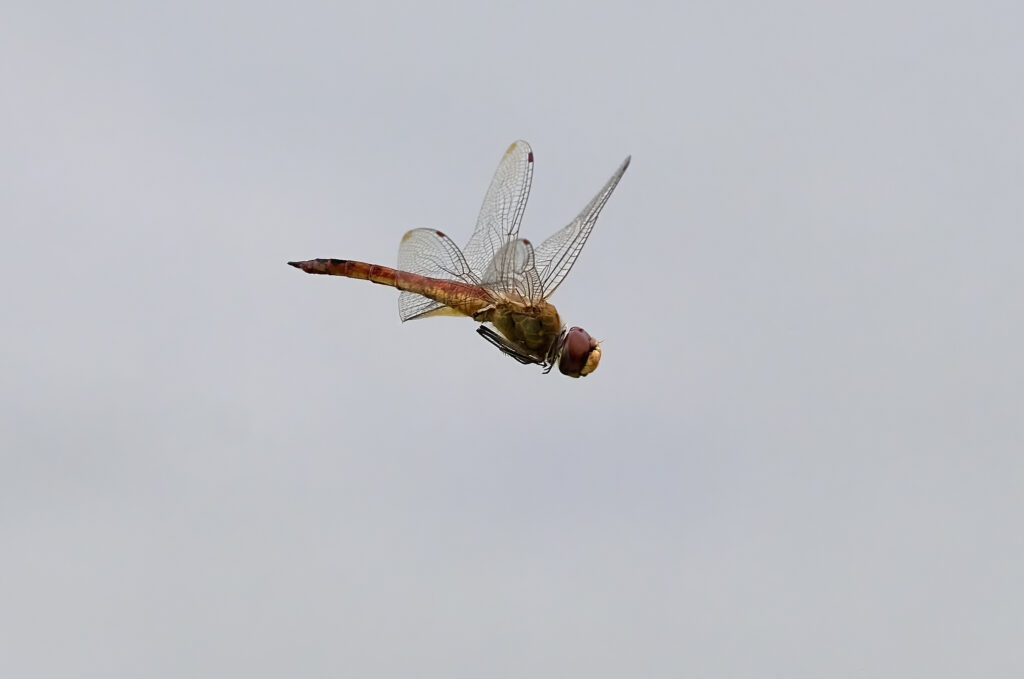
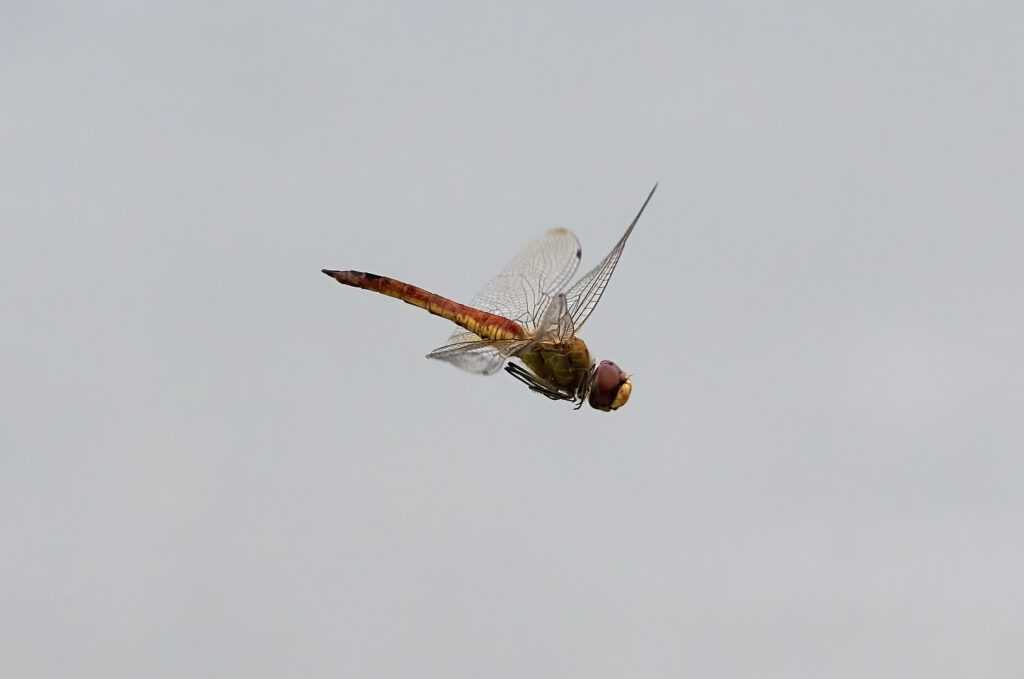
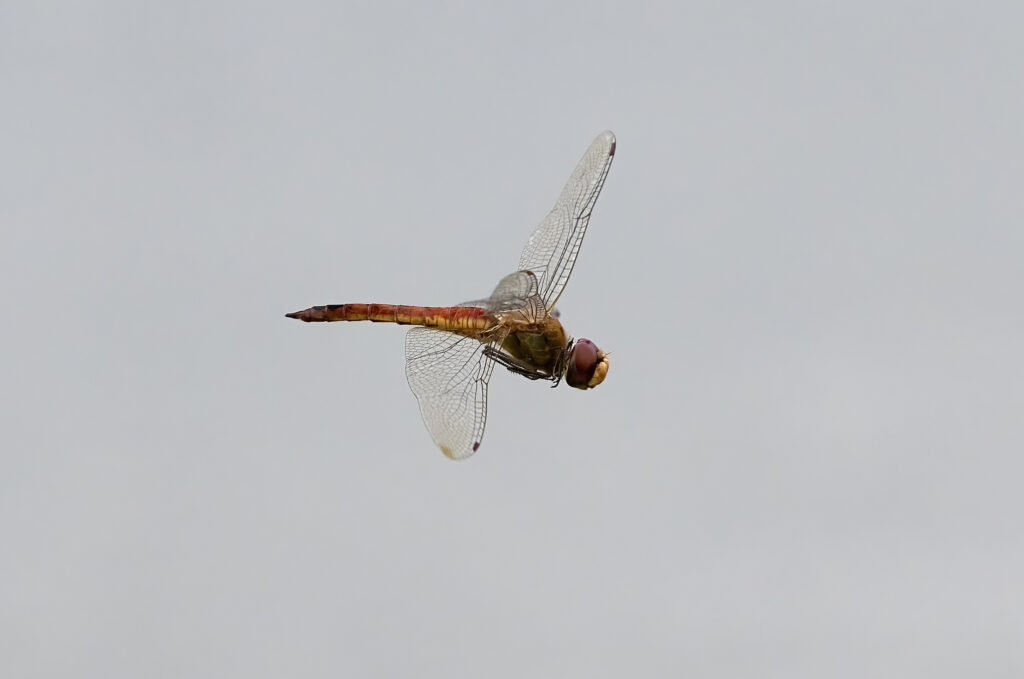
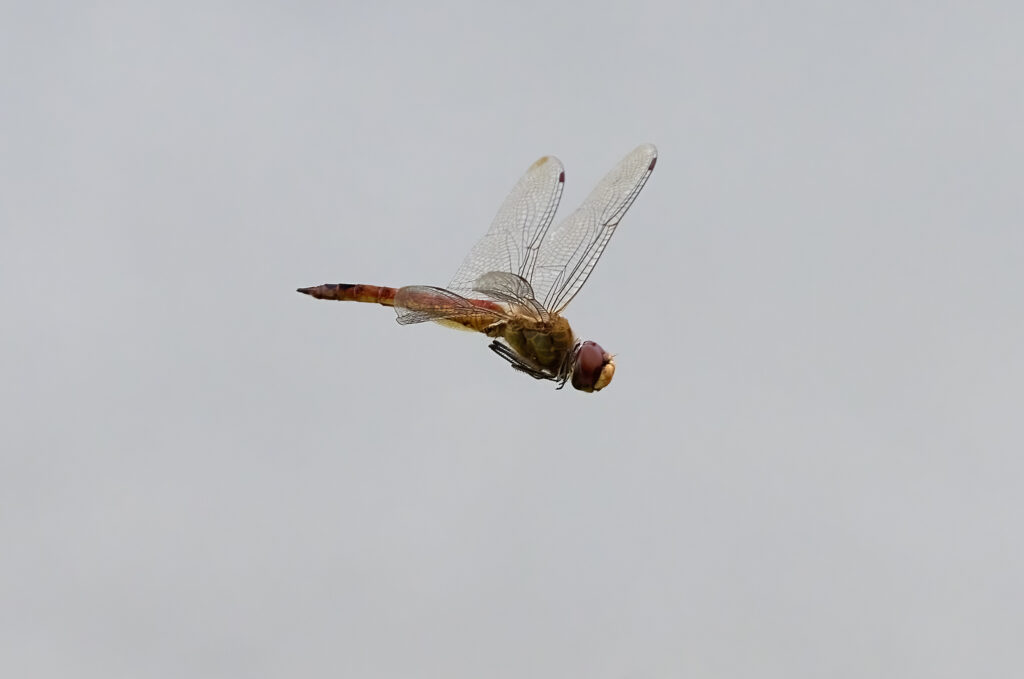
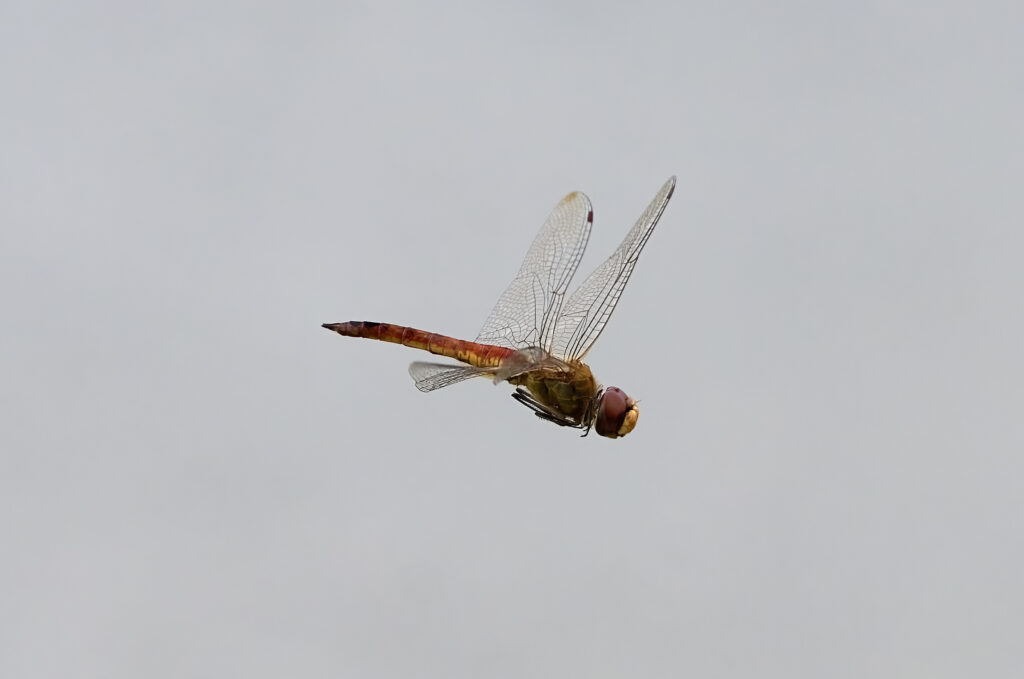
There is something different and new going on. A type of dragonfly is buzzing around. I have not seen it previously and do not know its name or origin. The dragonfly is definitely not the Hawaiian [anax stenus] dragonfly – the world’s largest. The Hawaiian dragonfly is colored blue and six inches in length.

It looks like I have a new subject to photograph.

The Globe Skimmer on Migration is in the House

The dragonfly is known as the globe skimmer, globe wanderer, or wondering glider [Pantala flavescens].  The insect has flown from India to Kauai – 7,500+ miles.  The globe skimmer travels up to 11,200 miles in a single migration — arguably the longest of all insect species.

The Plants are in Full Bloom

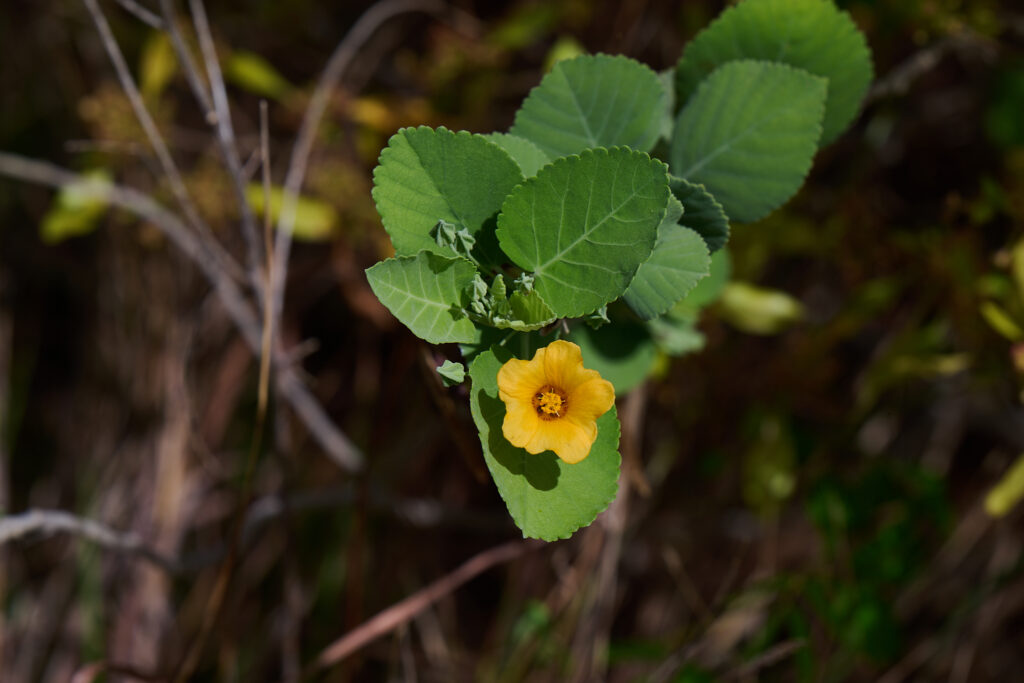
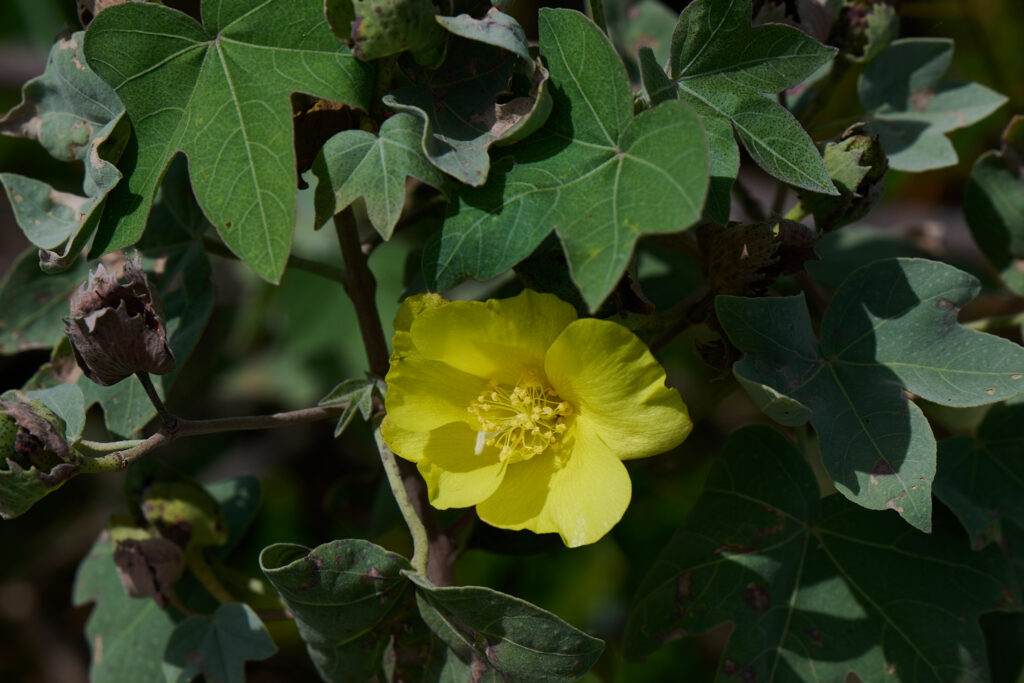
April is a big blooming month of Kauai.  The blooming of many plants is occurring at the Sanctuary as well.

The Sanctuary is a quiet and unassuming place.  If you enjoy waterbirds it a is wonderful place. 

Previous Post’s and more links

A previous Post about a late afternoon photo-shoot is located [here].

A previous Post about an early morning photo-shoot is located [here].

More information on the Kawaiʻele Waterbird Sanctuary is [here].

—- Jeff’s Thoughts and Other Worthless Trivia —-

The dragonfly by the numbers:

  • Can reach speeds of 35 Miles Per Hour (56 KPH).
  • Wings move at 30 times per second.
  • Can move forward, backward, spin, and hover.
  • One of the first winged insects – 300 million years ago.  Yes, they were around at the time of the dinosaur.

I utilized two cameras and two lenses to capture the images

  • 2 Nikon Z9 Camera
  • Nikon Z 400MM | 560MM f2.8 Prime Lens
  • Nikon Z 70-200MM Zoom Lens coupled with Nikon Z 2.0 Teleconverter

I shot hand-held with manually configured settings combined with Auto Focus for the dragonfly shots

  • Auto Focus
    • Mode: AF-C
    • Area: LS Wide or 3D
    • Subject Detection: Birds
  • ISO: 640 – 1000
  • Shutter Speed: 1/5000s
  • Aperture: f5.6 – f8
  •  


Revealing Something Mythical – Wolf Island


There is not much better in life than reading a good book about a place and a subject that while real, feels mythical.  One such place is Isle Royale.  Isle Royale is an island located in lake Superior in Lake Michigan.  I have dreamed of visiting Isle Royale since learning about as a little child.

The good book is called Wolf Island by L. David Mech with Greg Breining.  It is the story behind the longest running field study of an animal in history.  The story reveals all about the Wolves who inhabit Isle Royale.  Wolves have long mysterious and mythical history with humankind.  Wolf Island provides insights, amplification, and corrections to how wolves operate in the wild.  Mech and Breining supply storylines that are fantastical and scientifically enlightening.

The Island is Real Yet Feels Mythical

Isle Royale is itself a mysterious and exceptionally isolated place.  It is located on the largest body of freshwater (by surface area) in the world. The island is 45 miles long and 9 miles wide. Isle Royale is actually part of an archipelago with another 450 island surrounding the main island.

In addition to being isolated, the island is mountainous and rugged.  Only 19 mammals survive on the island.  82 species of birds live on the island.

Isle Royale became a United States National Park in 1940.  It gained Wilderness designation in 1976.  There are only two developed locations on island. The island is open to visitors from April through October. In 2023, Isle Royale was the least visited National Park in the Continental U.S. at 28,965 and 59th out of 63 if Alaska and American Samoa are included.  For perspective Great Smoky Mountains National Park was the most visited at 13.3 million. Grand Canyon was next at 4.7 million visitors.

The Mythical Wolf

The grey wolf (aka Timber) began life on the island in 1949.  It is believed a pair of wolves crossed onto Isle Royale via an ice bridge.

The Moose

The Moose began life on the island in 1900. It is believed they swam across the lake to Isle Royale from Minnesota.

The Story

There is only one place on earth with a single predator – single prey situation.  The location is Isle Royale National Park.  The predator is the grey wolf.  The prey is the moose.  A study of this unique situation began in 1958. L. David Mech began the study. The study continues to this day. It is the longest study of its kind in history.

Wolf Island is story of the life and experience of L. David Mech, the wolf, and the moose throughout the study.  It is a story filled with wonderful technical, statistical detail wrapped in humanism.

Links

For more on Isle Royale look [here].