Duero and Duoro are names for a dynamic and dramatic European river. Regardless of the naming, the 554-mile waterway is rich in history, crucial economically, and replete with spectacular views and great-tasting wines.
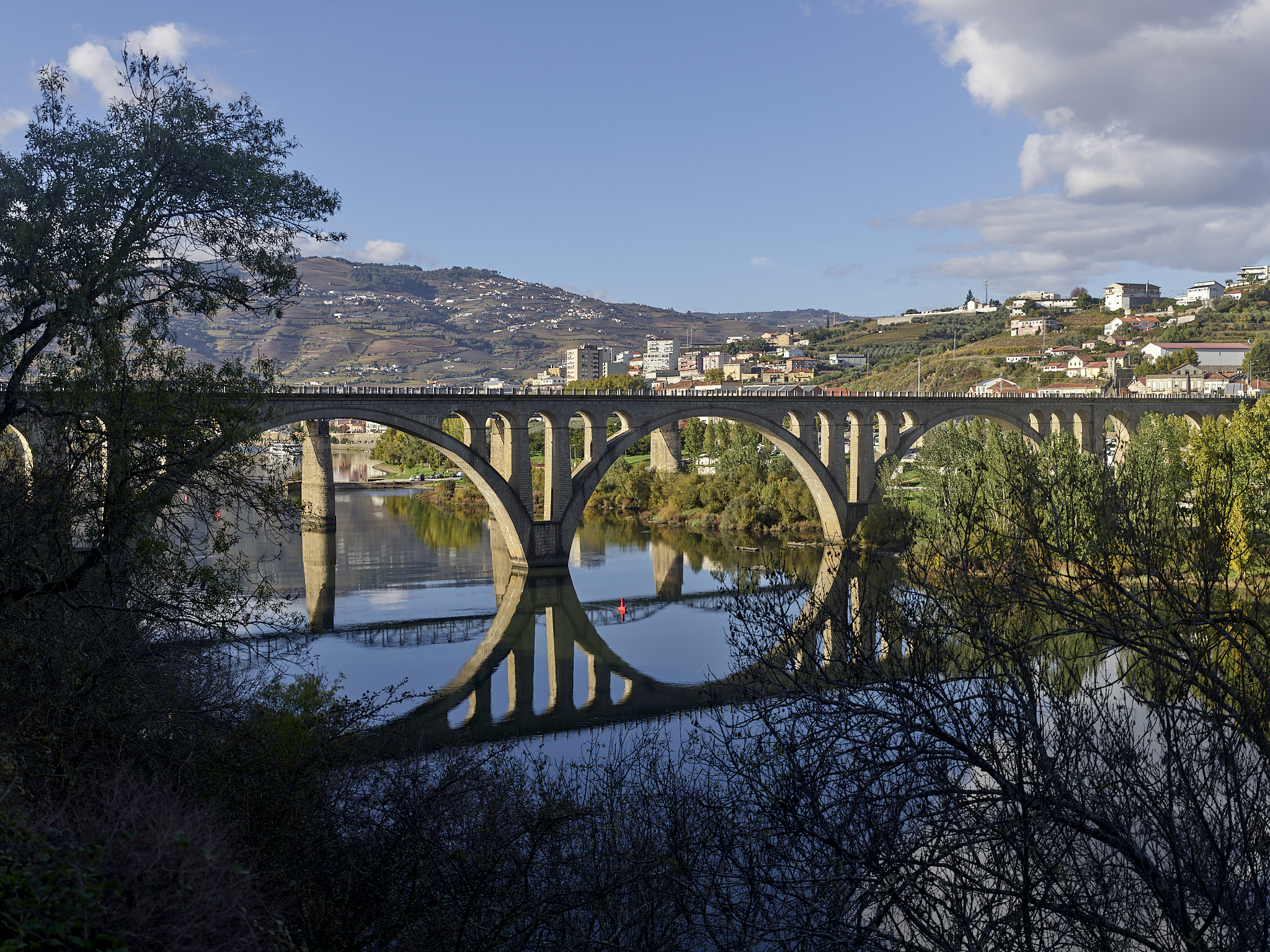
The Duoro River at Peso da Regua
River and Its Wine
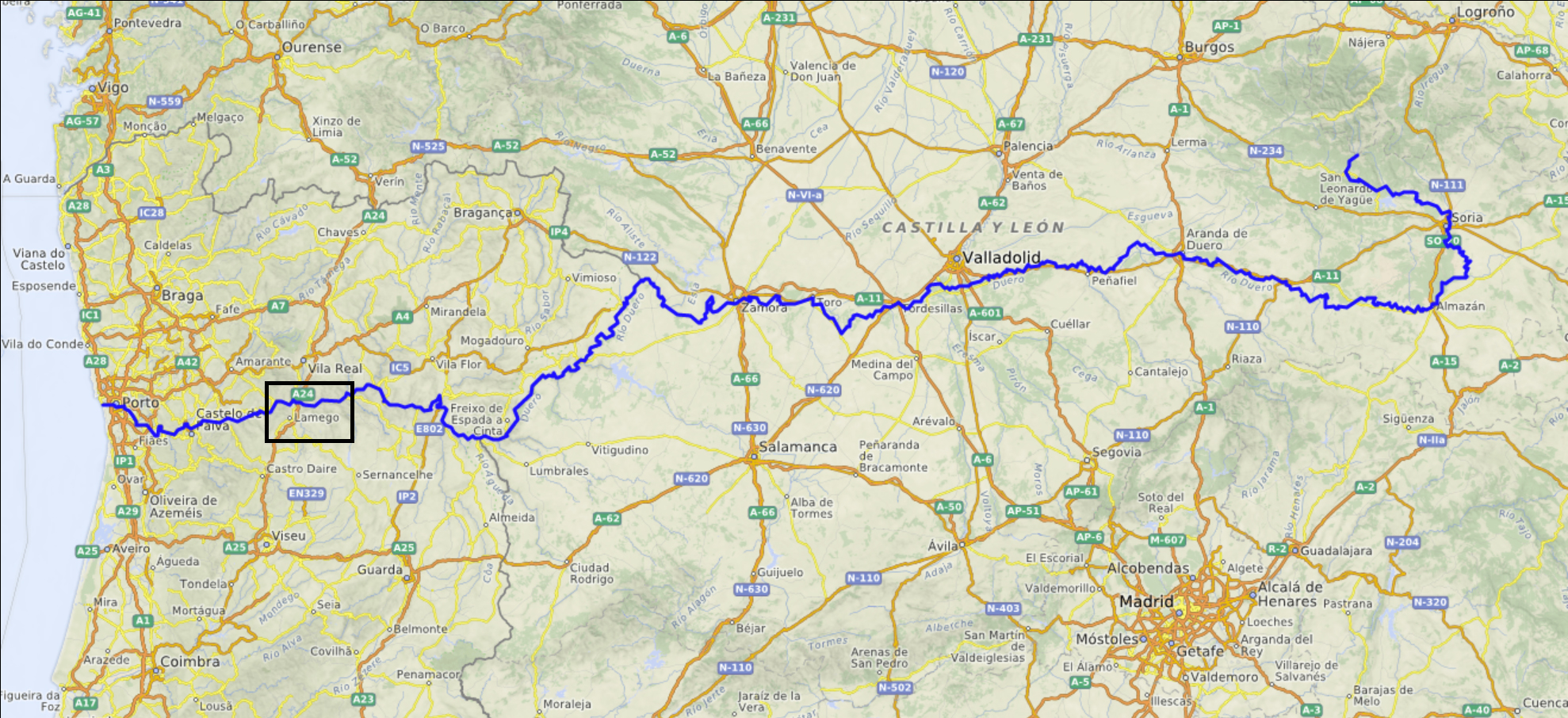
The Duero and Duoro River with Trip Area Highlighted
Spain is where the Duero originates. Upon reaching the border with Portugal, its name changes to the Duoro. Ironically, the type of wine produced in each country also changes.
The Duero region in Spain is where you can find Tempranillo grapes, known for their deeply colored wines. Port, a fortified wine from Portugal, is a worldwide favorite.
Portugal has very strict rules for classifying wine. Protection of the designation of origin (DOC) is part of the classification process. Douro possesses the highest wine classification in Portugal.
Visit to the Duoro
This journey centers on Portugal’s Douro River, from Peso da Regua to Pinhao. Arrival time is between the end of October and the first week of November. Enormous crowds at the late summer harvest have disappeared. Deep red and burnt orange, the colors of fall, are reaching their peak. For a visitor, the Duoro is accessible and stunning.
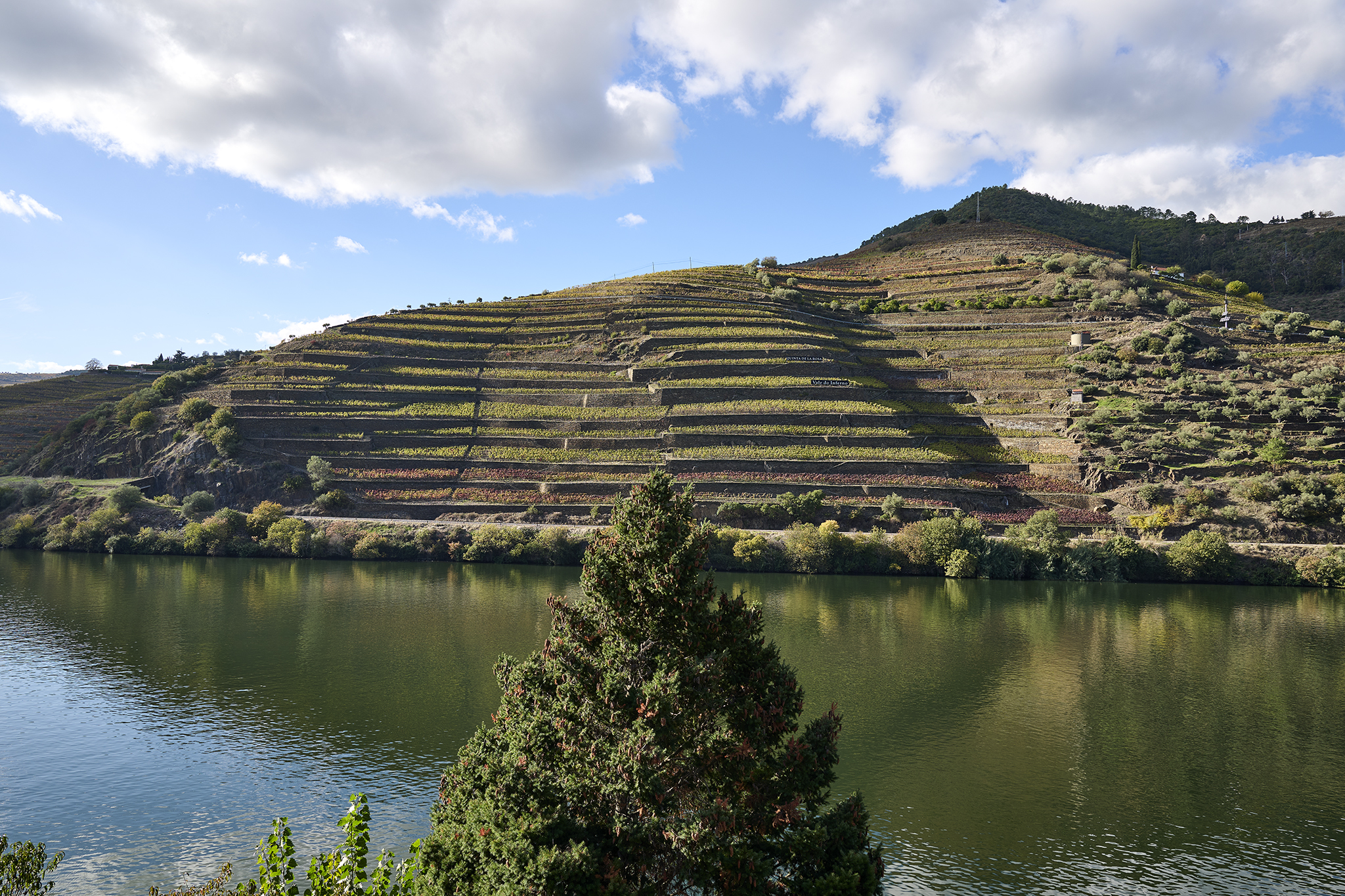
This portion of the Duoro River Valley has a steep landscape. Really steep. Stone terraces are prominent. They exist to better facilitate the wine growing and to protect against deadly pests. The terraces are powerful in appearance.
The Duoro River Near Pinhao
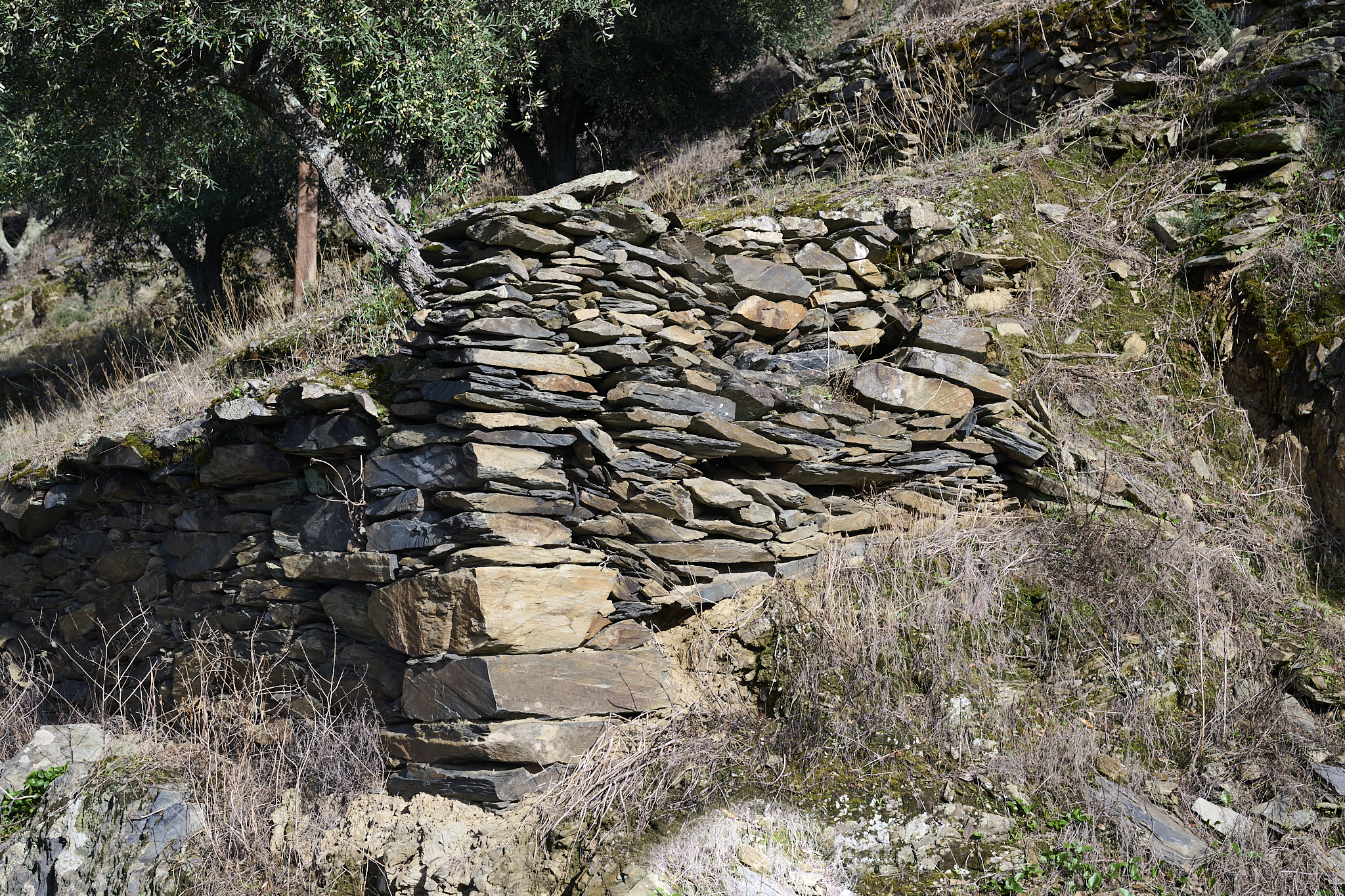
The Terraces on the Duoro
Peso da Regua and Pinhao look like picture postcards. Peso da Regua feels alive, full of locals drinking coffee while gossiping at cafes. Pinhao feels sleepy, ready to provide a day that is private and comfortable.
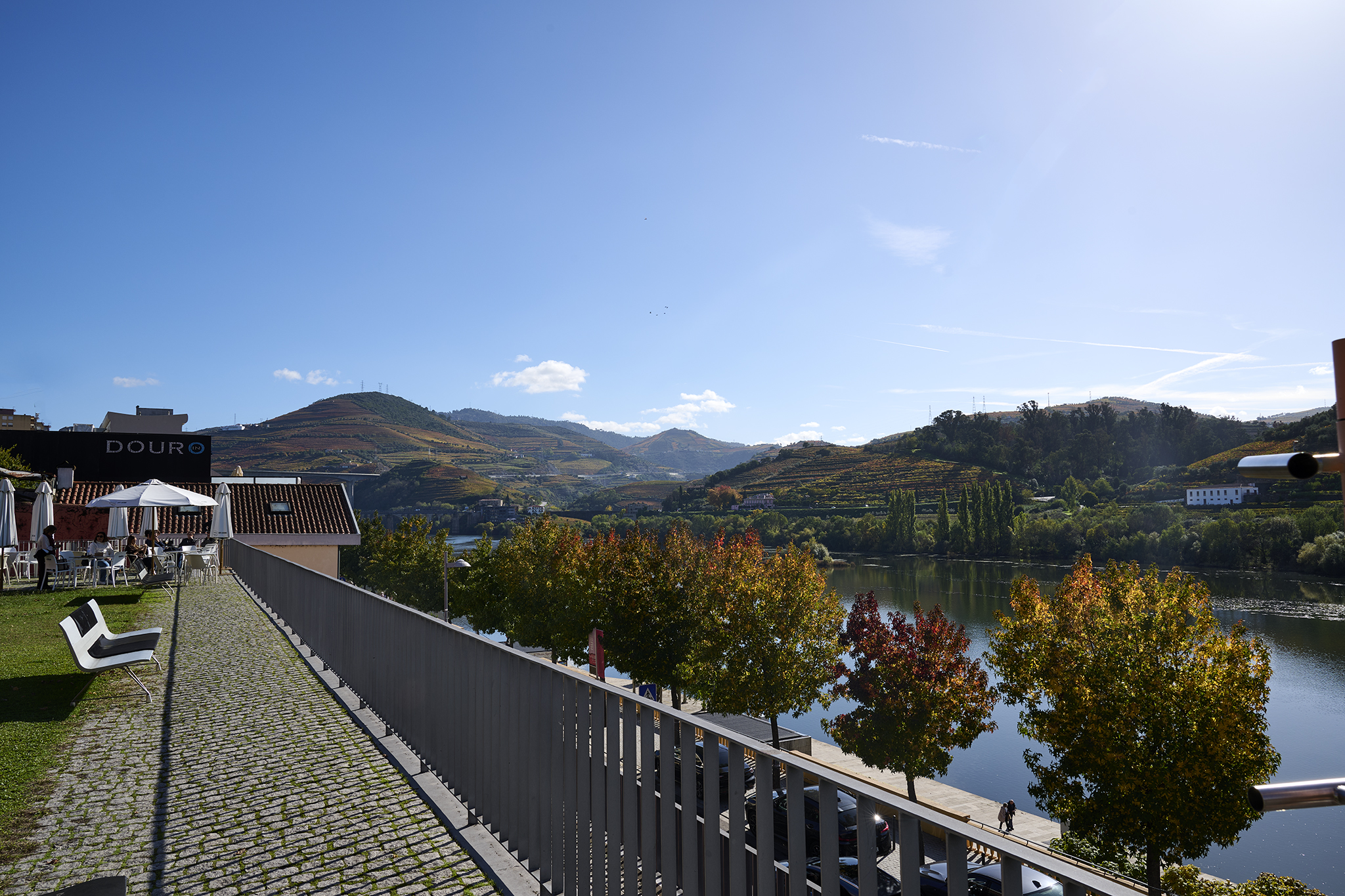
Peso da Regua Portugal
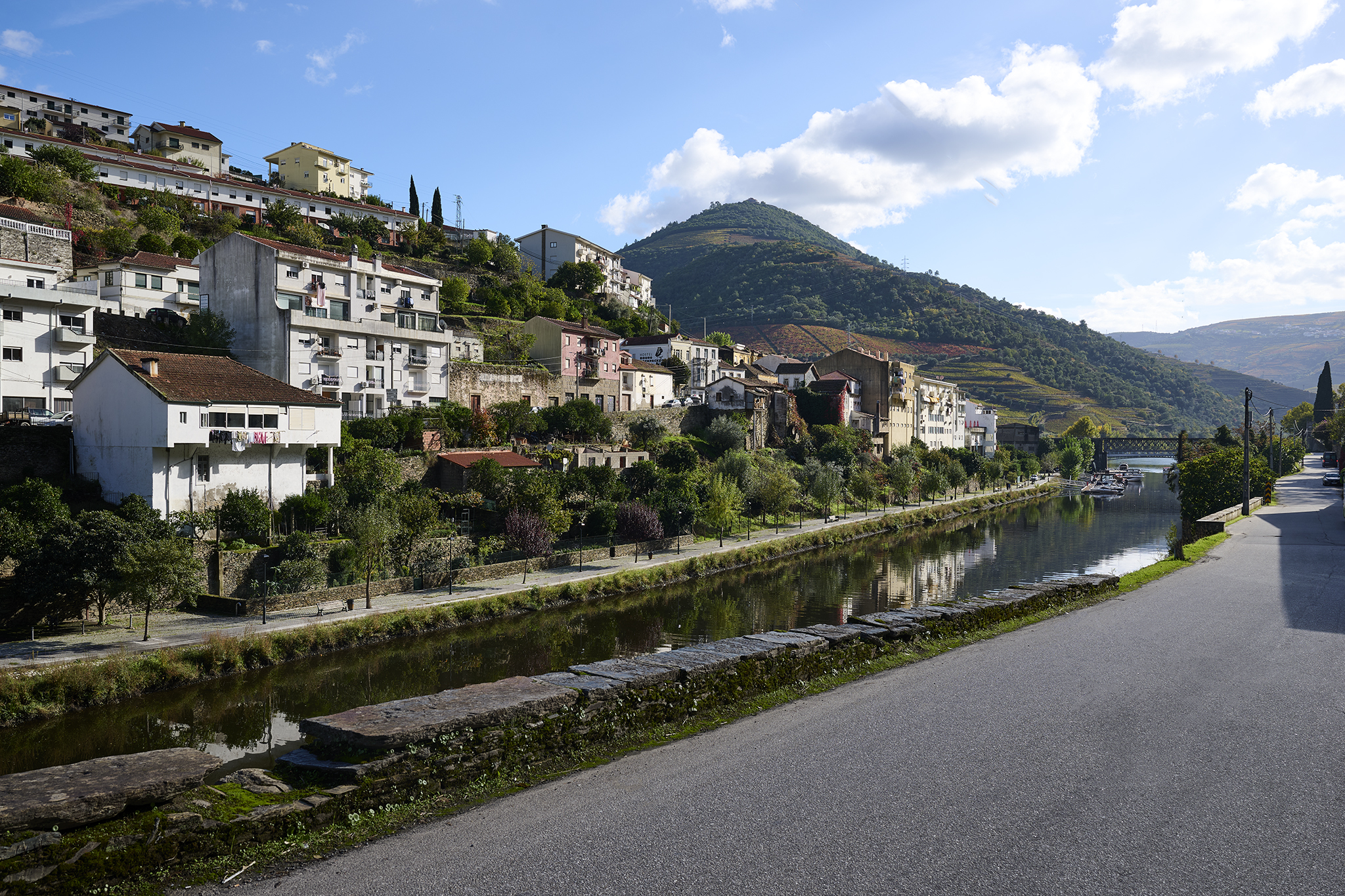
Pinhao Portugal
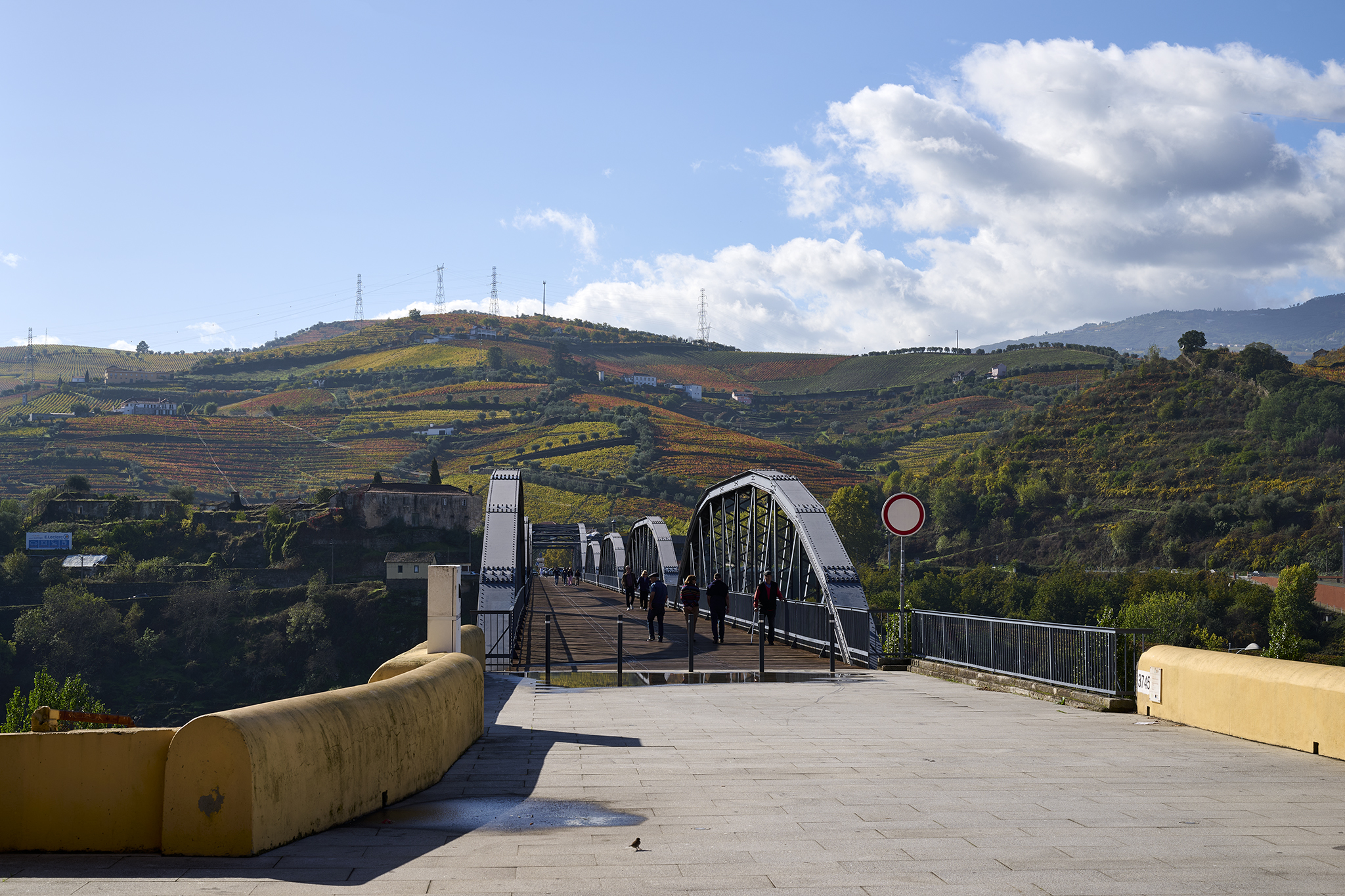
Pedestrian Bridge Crossing of the Duoro at Peso da Regua

The Duoro Looking East at Peso da Regua
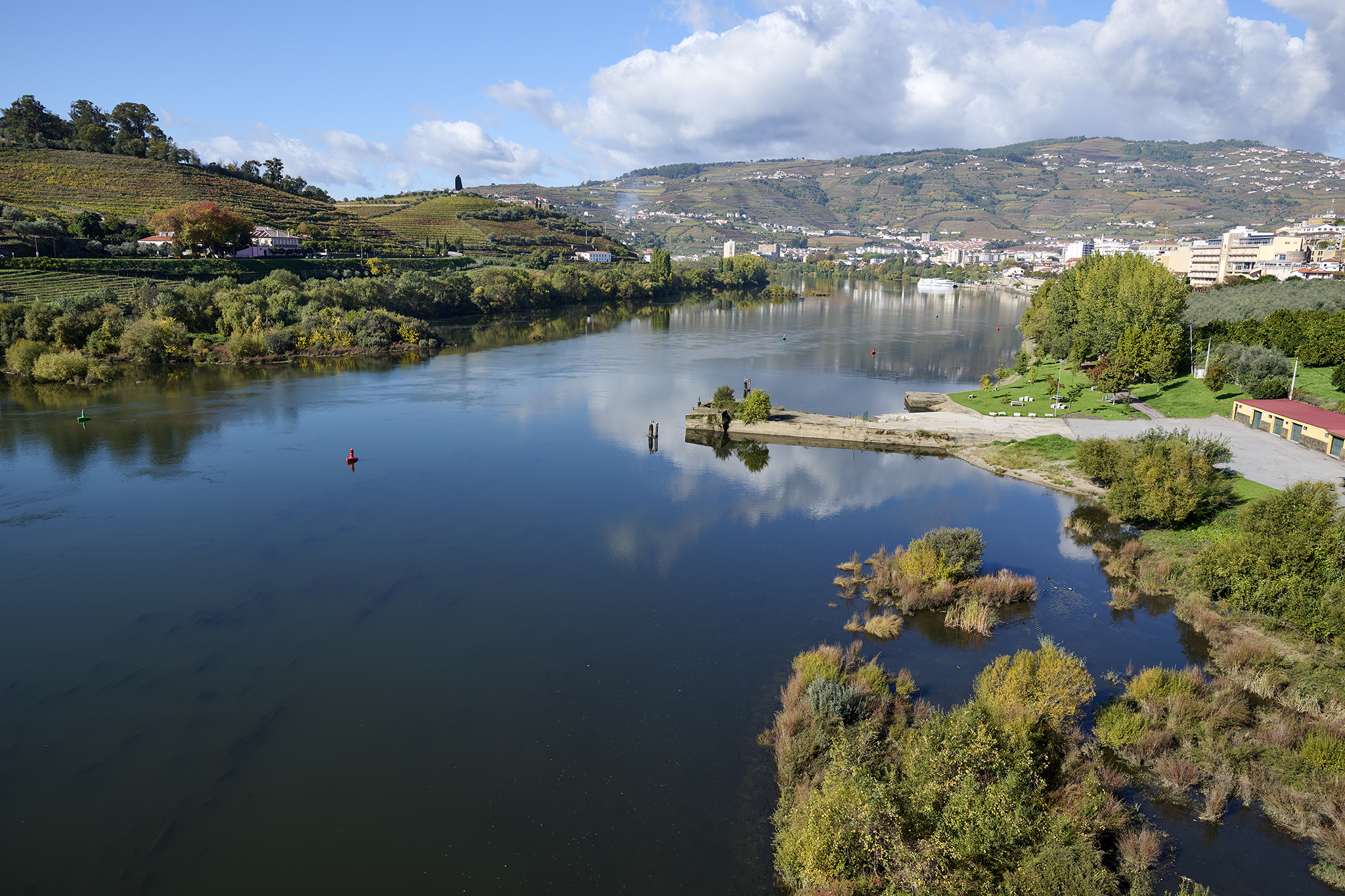
The Duoro Looking West at Peso da Regua
You can travel this section of the river in several ways: car, bus, train, private boat, or tour boat. The journey and the towns are exceptionally enjoyable. Road N222 is also called the Douro Wine Route.
Vineyards
People know wineries as quintas in Portugal. There are about 80 registered vineyards between Peso da Regua and Pinhao. Most have tasting rooms. Many operate as hotels or bed-and-breakfast inns.
Most of the quintas are family-owned and operated. Some are closed to visitors during this time of year. The best and most flexible way to visit the vineyards and tasting rooms is to travel by car.
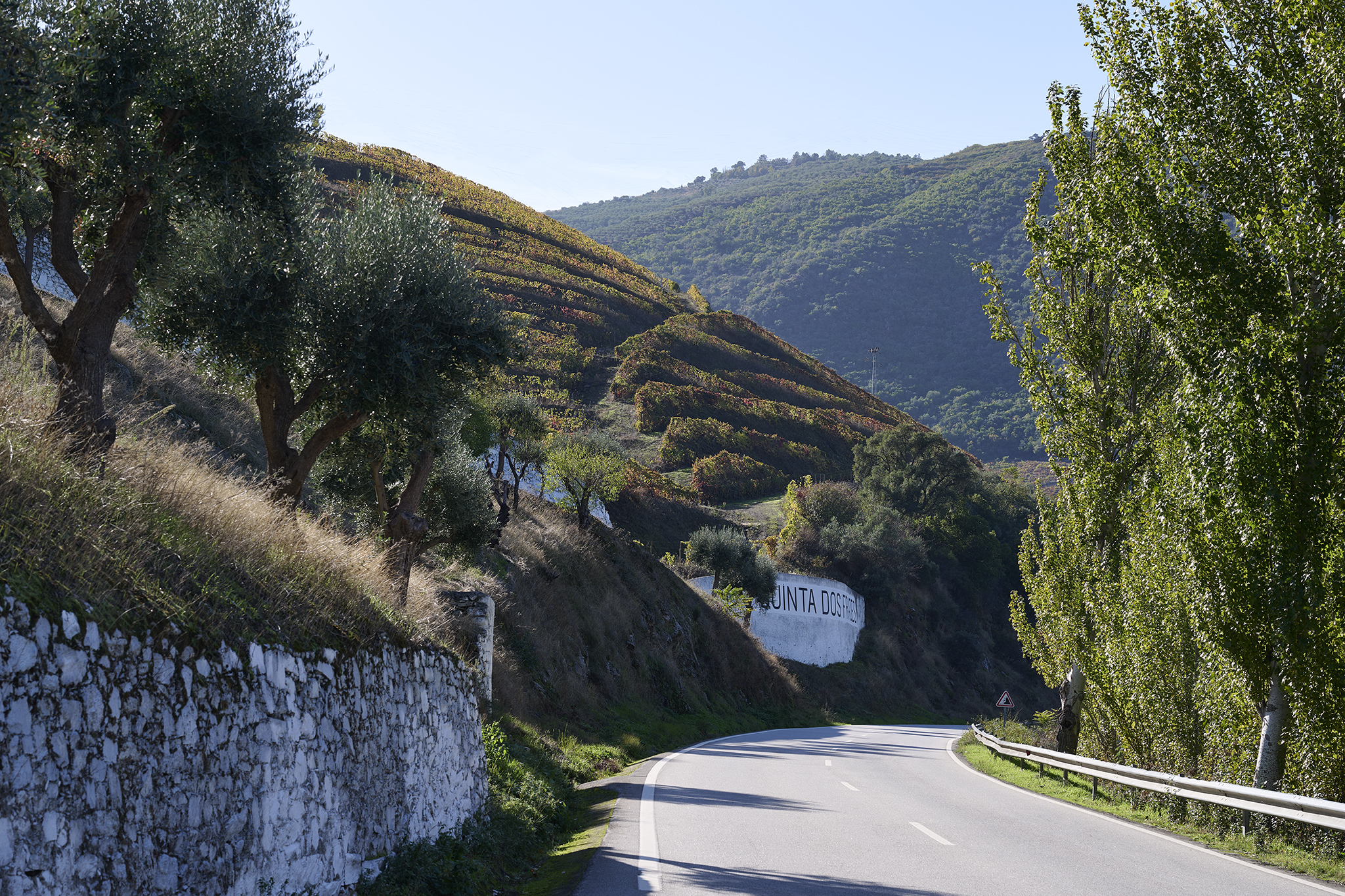
Duoro River near Quinta do Panascal Vineyard Portugal
In discussion with locals at the Museum do Duro, the consensus for most reliable and authentic wines and vineyards is:
Road Less Traveled
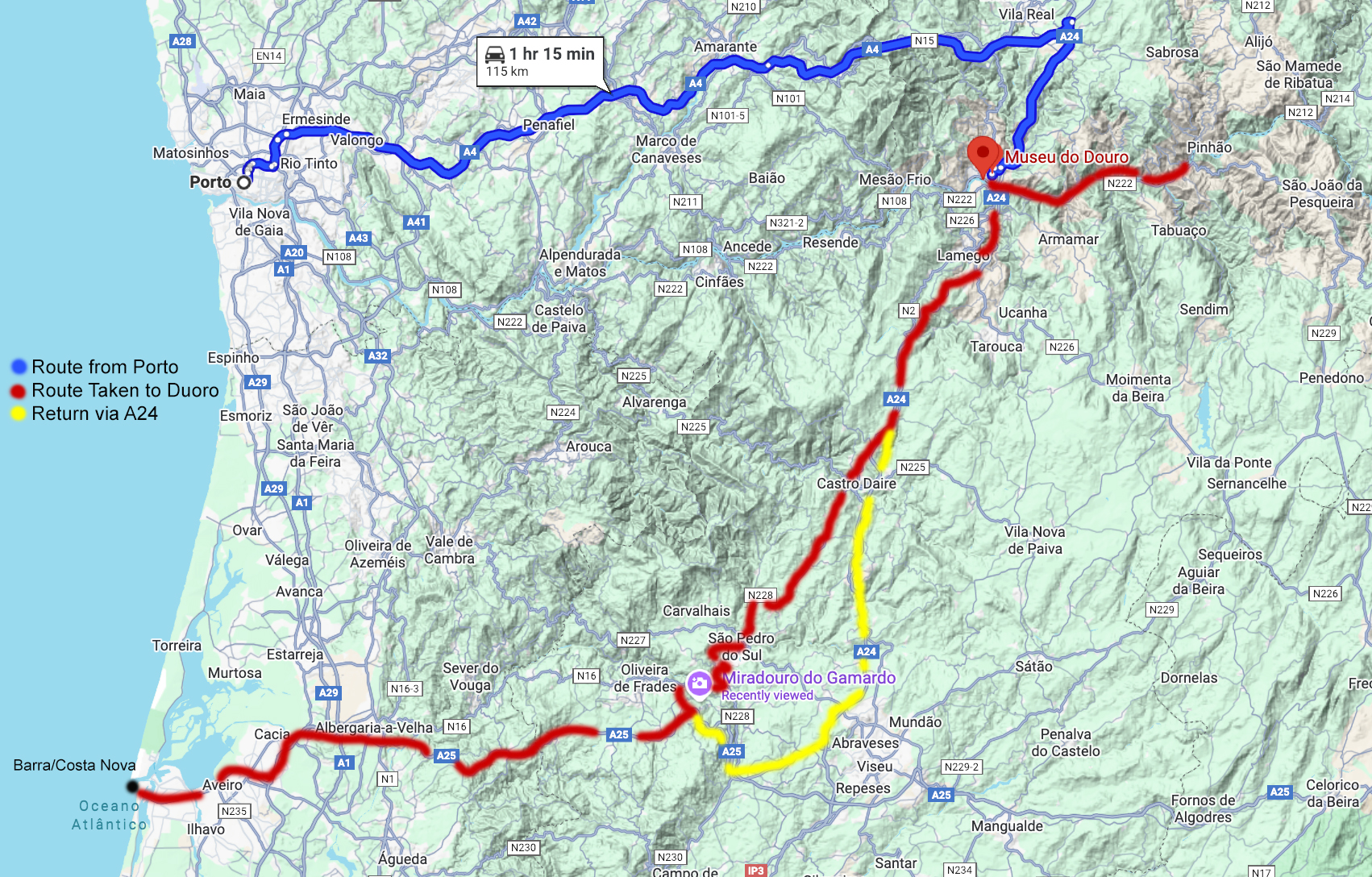
Route to Duoro
The A4 highway from Porto is probably the most popular route for tourists going to the Douro River Valley. It starts in a major tourist-heavy city, with travel on a major road. The trip takes about 1.5 hours one-way. Boat and train travel from Porto are also popular methods.
One choice is to begin elsewhere and use smaller roads for travel. This route might be less stressful, more scenic, and extend the trip by only 30 minutes.
The optional plan starts in Aveiro’s coastal towns (Barra and Costa Nova) on the A25. It heads towards the hills and mountains near Viseu.
West of Viseu, at Confulcos, is where secondary road travel begins. Navigation includes travel through hills, mountainsides, and the small towns of Vouzela, Sao Pedro du Sul, Cobertinha, and Castro Daire.
This segment of the Duoro River Valley journey is highly rewarding. There is little traffic; and the landscape is diverse and engaging. Sunny skies are prevalent. Occasionally, mist appears, disappears, and re-appears moving between hills, valleys and towns.
Portugal rarely sees snowfall. However, it’s clear that snowfall is common here because there are signs with snowflake and snowplow images on the roadside.
Castro Daire is the meeting point for another major highway (A24). The A24 heads north by northeast from Castro Daire. It reaches an elevation of 4,600 feet before dropping into the Duoro River Valley at Peso da Regua.
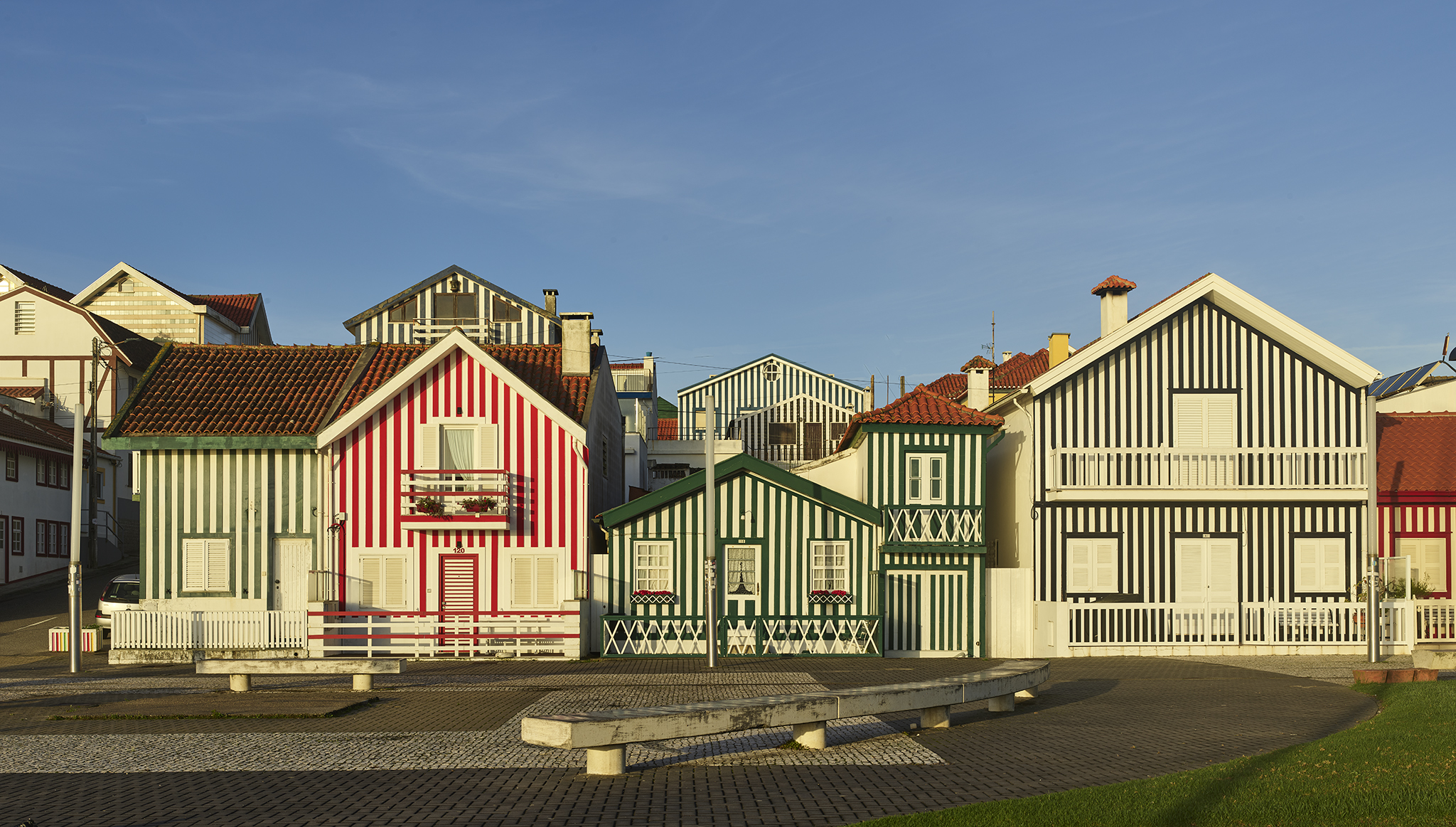
The Stripped Homes of Costa Nova
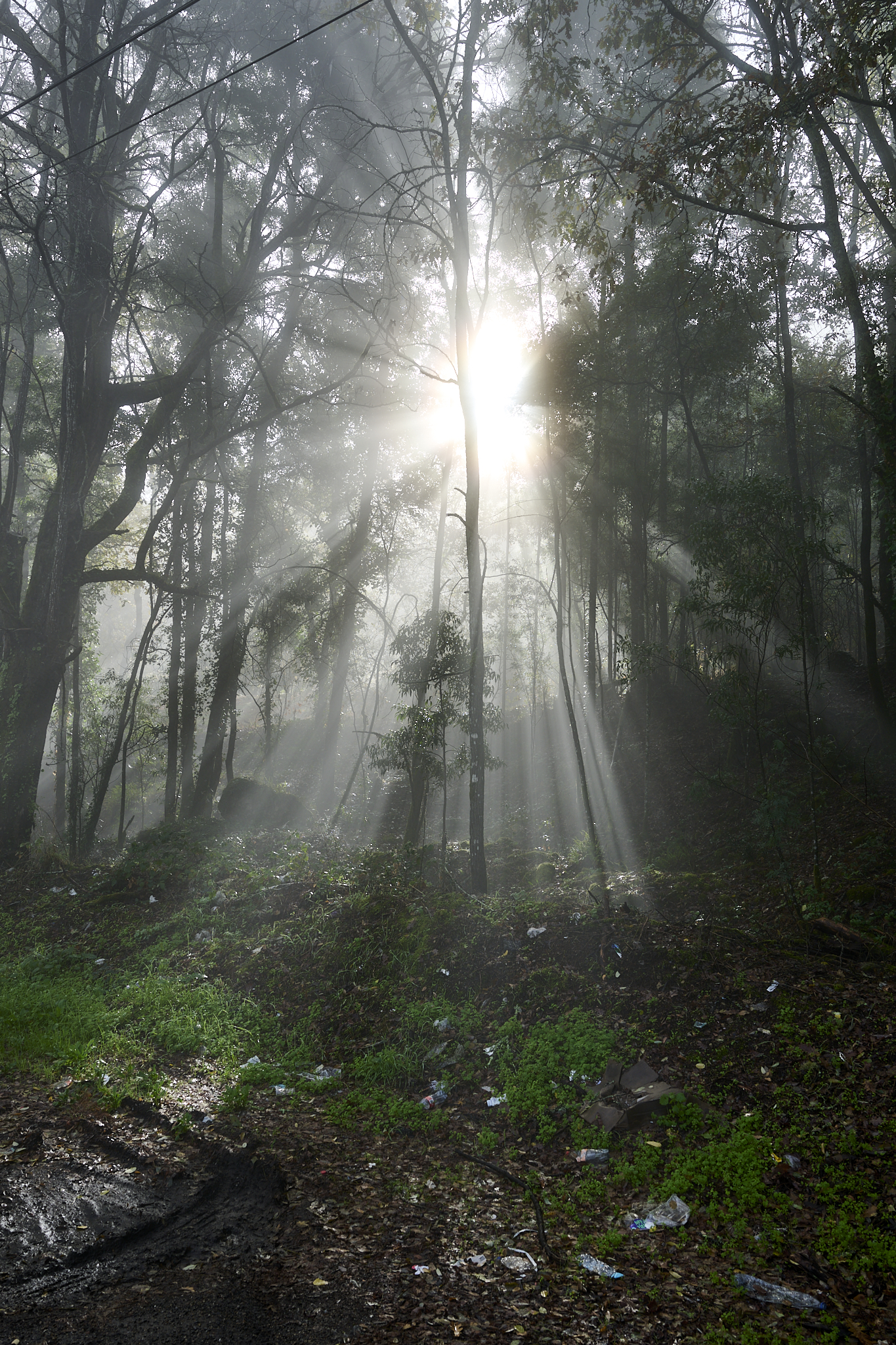
Misty Morning near Vouzela
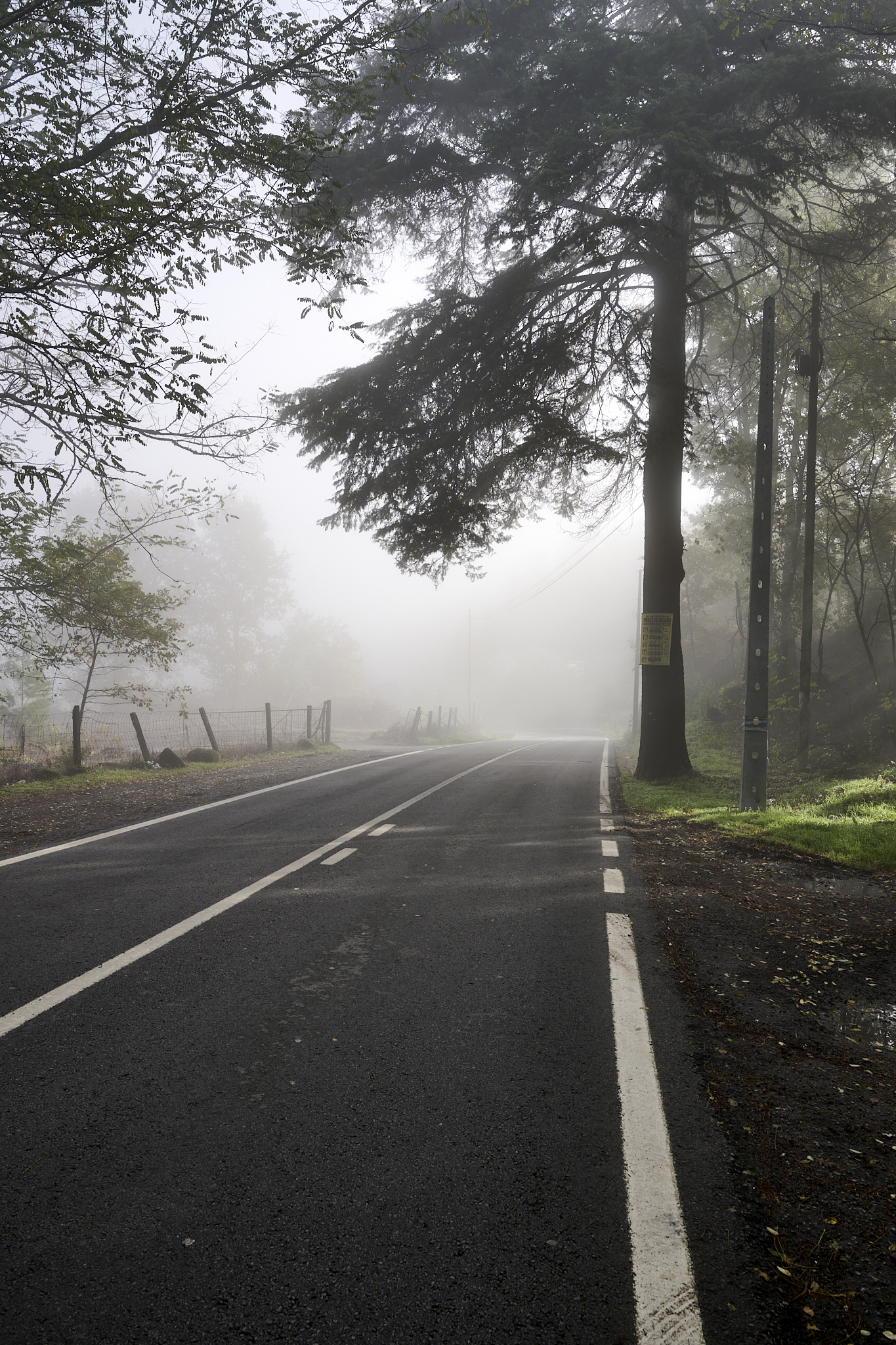
The Highway Begins its Descent to Vouzela
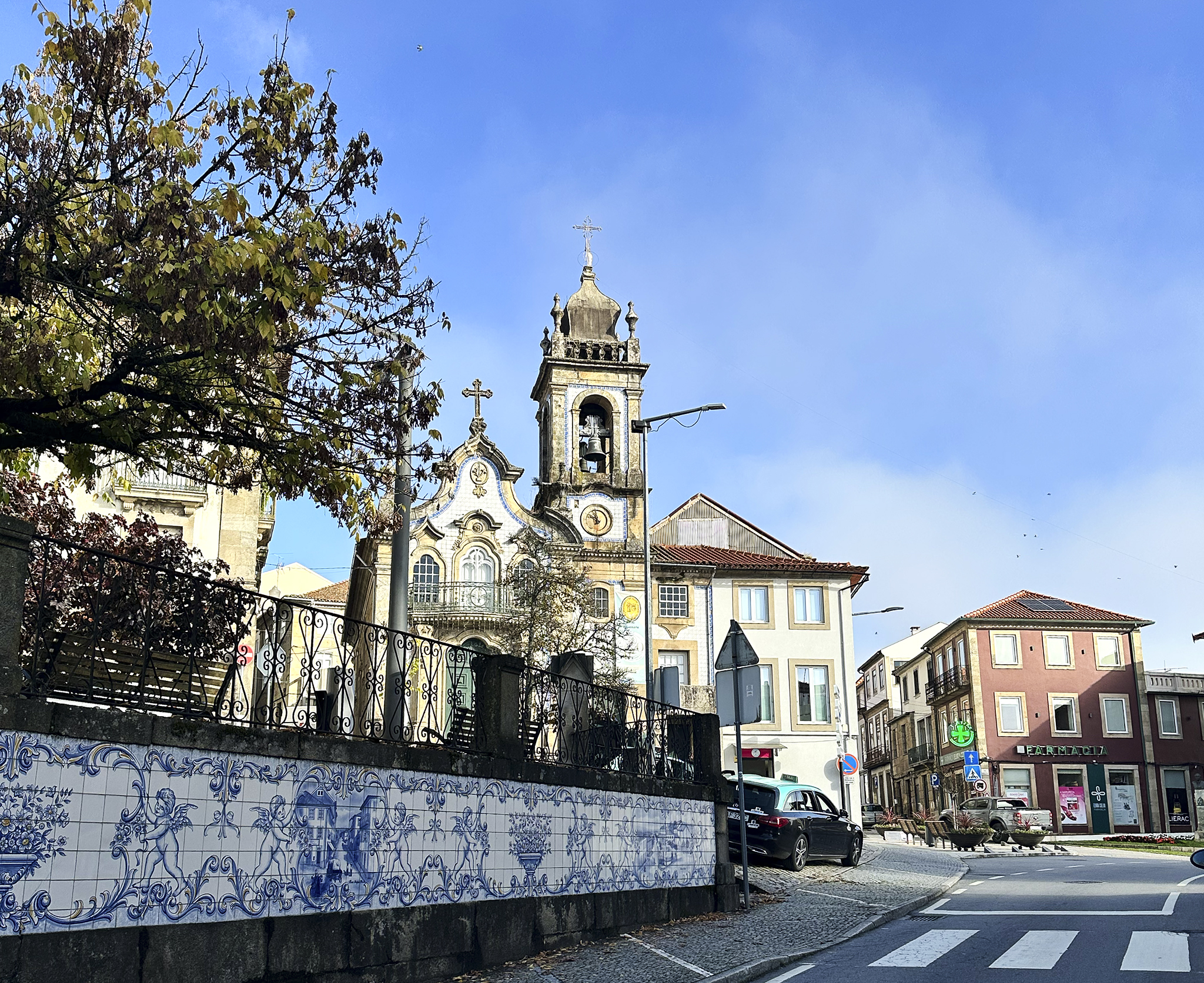
Sao Pedro do Sol
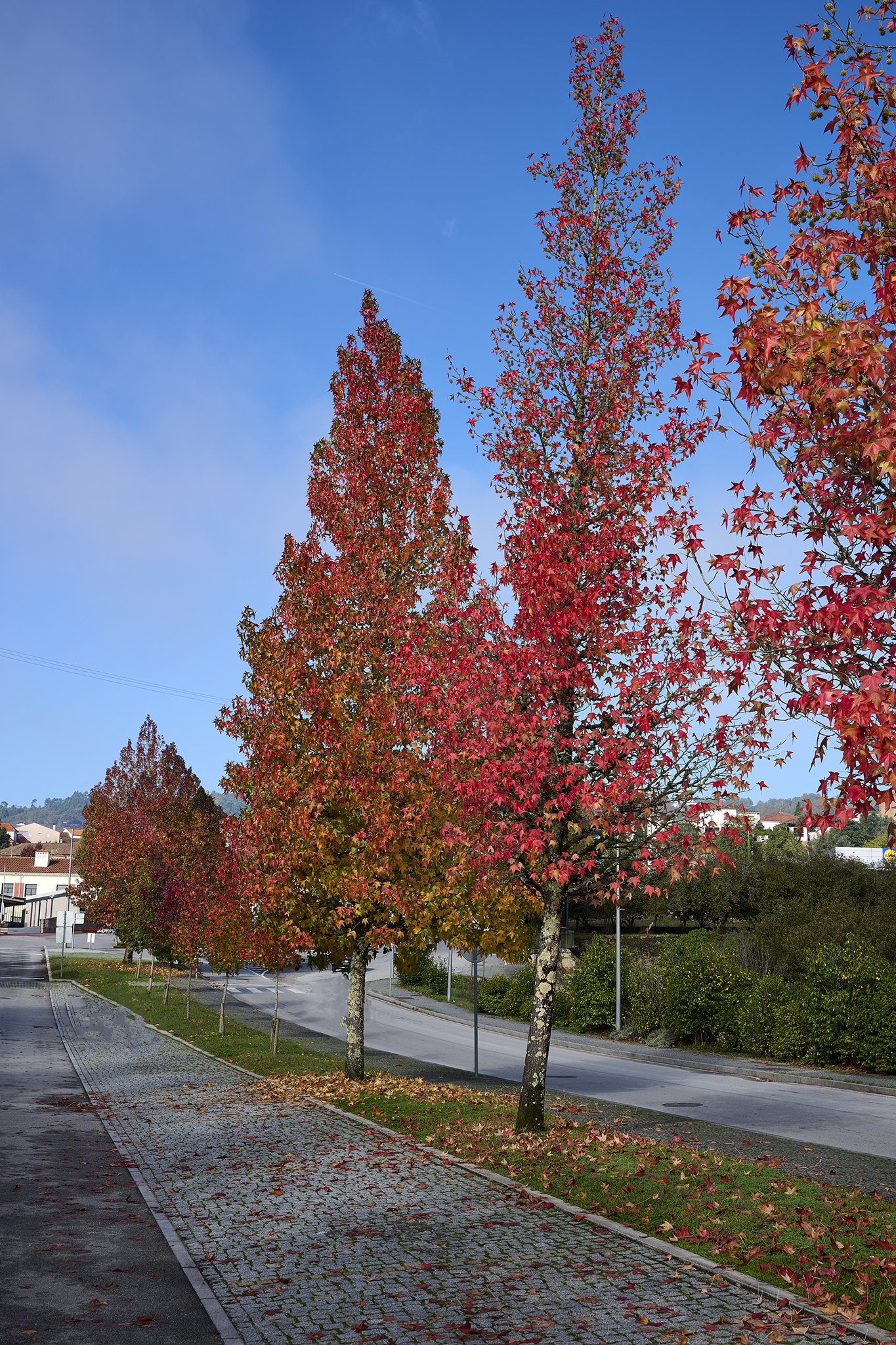
Route to the Duoro Castro Daire in Color
Good Reads
Wine expert Randy Hamilton excellently explains the river and its differences from a wine perspective [here].
Capitalism was Portugal’s bet for the Douro’s future, made by a country that was socialist. Travel writer Rick Steves provides superb background and history of the Duoro, which is located [here].
*** Jeff’s Thoughts and Other Worthless Trivia ***
Exchanging Your Home
One of the most enjoyable aspects of travel for my wife and me is HomeExchange.
We use HomeExchange to exchange our home for another, such that we can travel and stay in a pleasant place without cost for the related stay.
There is an annual membership fee for HomeExchange. Members do not exchange any money in the house exchange. We have been members of HomeExchange since its start in the 1990s.
On our trip to Portugal, Linda and I stayed in Luz. Barra\Costa Nova, and CasCais. Each of the locations and homes was our first choice.
Camera Gear
Below, for the pixel peepers, is a listing of the camera gear I used. Each of the setups captured images displayed in the Post.
- 2 Nikon Z9 camera bodies.
- NIKKOR Z 24-70MM 2.8 S II lens.
- NIKKOR Z 70-200MM 2.8 S lens.
- Nikon TC 2x teleconverter.
- PHASEONE IQ4 150 digital back.
- Schneider APO-DIGITAR 5.6 60MM Copal Shutter lens.
- Cambo WRS5000 technical camera.
All text and images included in the Post are copyright Jeffrey H. Lubeck–MESH Art LLC–all rights reserved.
I receive no compensation for providing links or recommendations.
Your words sometimes lose me …but the photos are nice