Joy is often the feeling hoped for with vacation travel to new places. The means of travel on these types of trips is often portrayed as romantic. Agencies promote air, sea and land based transportation full of rich color, flare, ease, and happy faces. So… what is your favorite way to travel?
Joy Can Be the Experience on the Road Less Travelled
I find that I most enjoy travelling an area on secondary roads, in a motor vehicle, with my wife Linda and I as the drivers and occupants. Linda is a terrific travelling companion. Recent trips (in the last two years) including Spain, Upper Michigan, Iceland, Norway, Washington D.C. area, NCAA Hockey Regional Championship in St. Louis, Detroit Tiger Baseball Opening Weekend in Chicago, and Ireland all utilized this approach to travel. All were winners for me.
For the Hockey and Baseball Bingo Combination, our friend (and frequent travelling companion) Steve Waite joined us. St. Louis – Chicago – St. Louis by car in about 12 hours was the adventure. The Saturday outing included breakfast in St. Louis, a Tigers at White Sox ballgame, and a late dinner in St. Louis. The Tigers won in 10 innings. The story and box score is [here].
This adventure was bookended by taking in #1 Seed and B1G Champion Michigan State play in the Western Regional NCAA Hockey Championship (Friday and Sunday). MSU would make it to the Final on Sunday. They lost to rival #3 Seed Michigan. MSU had a superior year in hockey. Their story is [here].
For the Washington D.C. adventure our friends (and frequent travelling companions) Mike and Jodi, and (also Hosts) Linda and Dennis were by our side.
For the Upper Michigan adventure our friends, (also) Hosts and frequent travelling companions Art and Cindy were by our side.
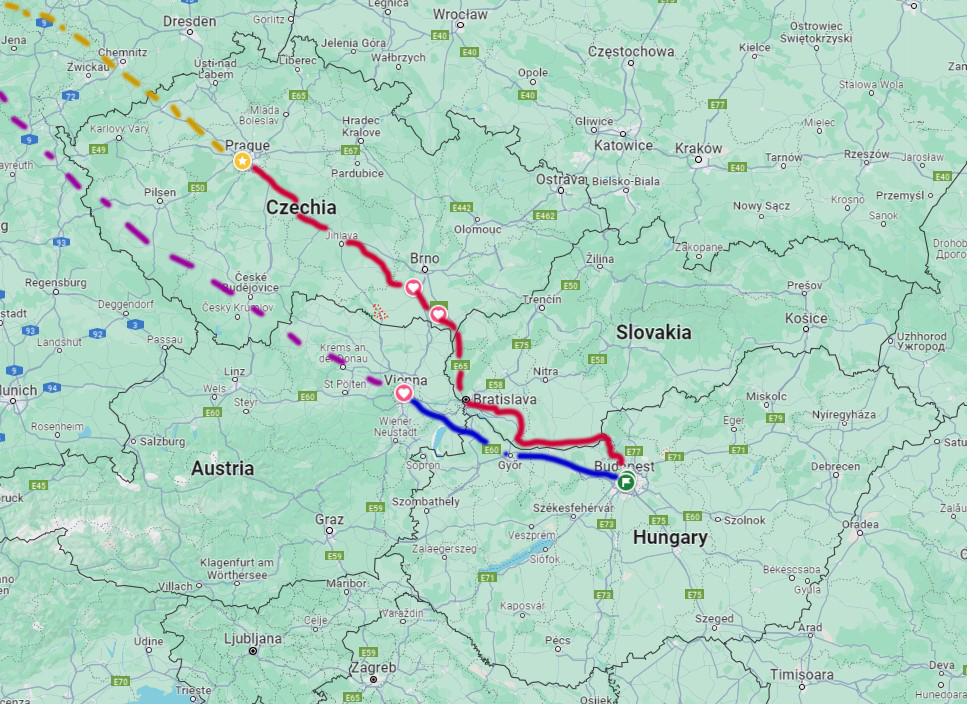
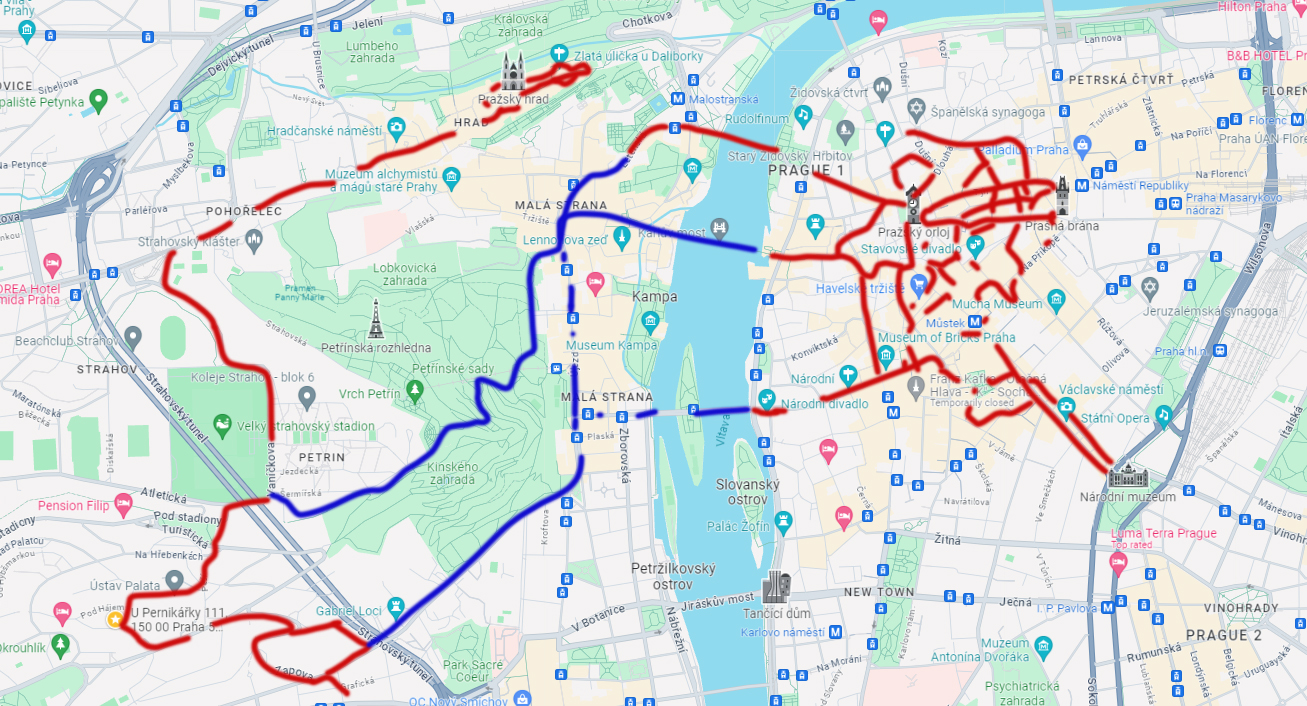
Gold Flight – Dublin to Prague. Red Drive – Prague to Budapest. Blue Train – Budapest to Vienna. Purple Flight – Vienna to Dublin.
A Problem Encountered and an Opportunity For a Solution
On our trip through Eastern Europe Linda and I planned to travel from Prague Czech Republic to Budapest Hungary. We desired to travel this section in our favorite manner. However, there was a problem. Renting a car for travel in Eastern Europe that includes a drop-off in a different city is a challenge. The rental fee was not overly expensive. However, the drop-off fee was twice the amount of the rental fee. Not to be beaten, we looked at every Rental Agency in the region. All took the same approach to drop-off.
Linda did some research and found Private Car & Driver travel between Prague and Budapest is a thing. SideTrip Tours was the name of the firm and Levente (Levi) Toth was the driver. This would be our first time using this technique.
The standard drive for this tour was three stops in 6 to 8 hours of travel on freeways between destinations. Instead of the standard tour, Levi worked with us to establish an approach that matched our style and desire.
The Result
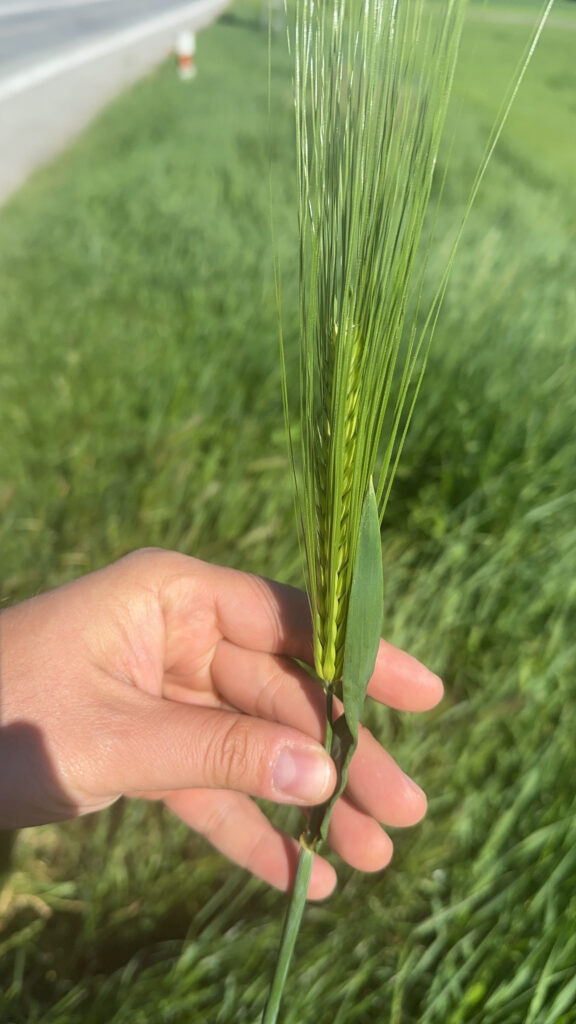
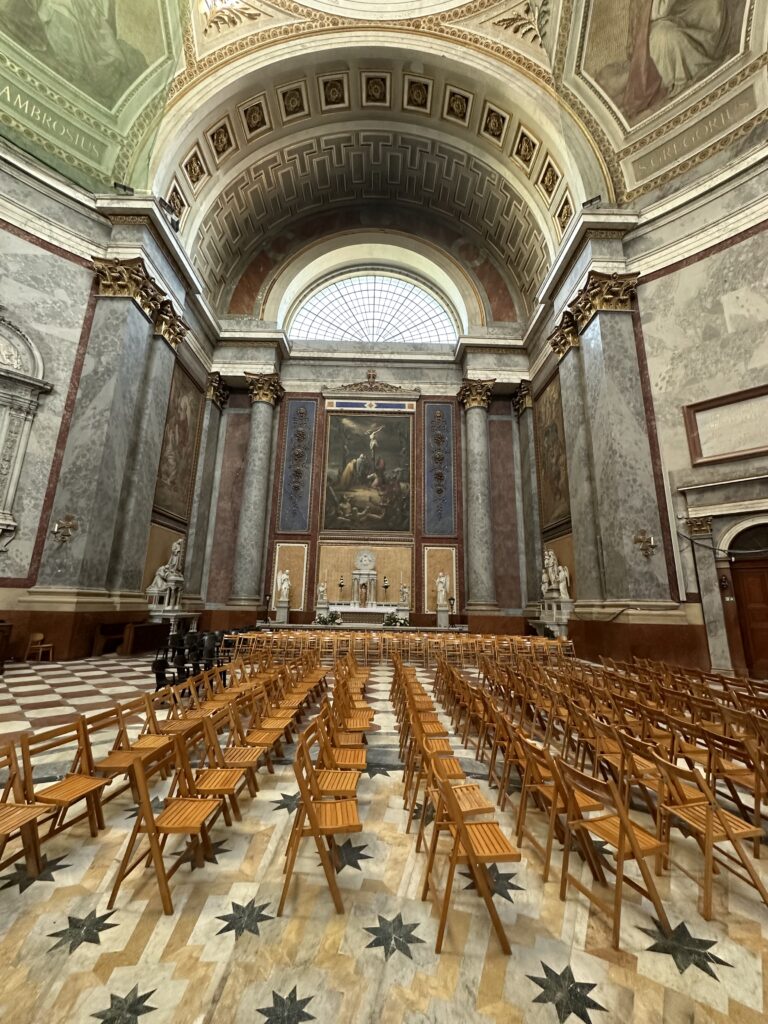
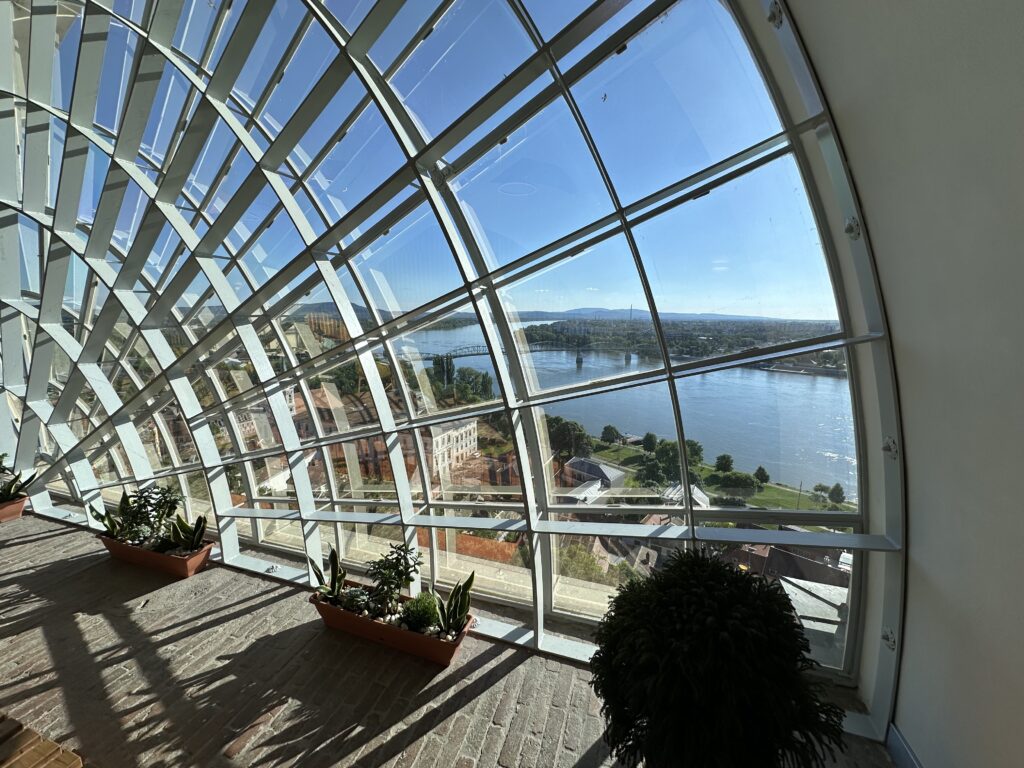
The result was we would visit towns and villages in the Czech Republic, Slovakia, and Hungary while travelling mostly on secondary roads. It would include travel along the Danube, the wine country region of the Czech Republic, and the grain belt and hunting grounds of Slovakia. In addition, we would climb to the top of a sacred church in a small town that borders Slovakia and Hungary overlooking the Danube. Additionally there would be a visit to the Capital City of Bratislava (partially on freeway) and enter Budapest via the back-door route.
Our trip took 11 hours (by choice), and cost about the same amount as using a rental car with no drop-off fee. As we did not drive, Linda and I were able to soak in the sights. Levi was a superb guide in that he was courteous, considerate, conversational, and exceptionally knowledgeable on a boatload of topics. What a great choice.
Joy is Wine Country and River Towns
Leaving Prague and heading towards Slovakia it became apparent that the Czech’s have funneled money into highway infrastructure. These freeways and Toll Road are well built and maintained.
As we headed south Levi suggested we get off the main highway at Velké Meziříčí and begin travel on secondary roads through farm towns and wine country. What a treat! These towns, homes and farms and vineyards are clean and well maintained.
 |
 |
 |
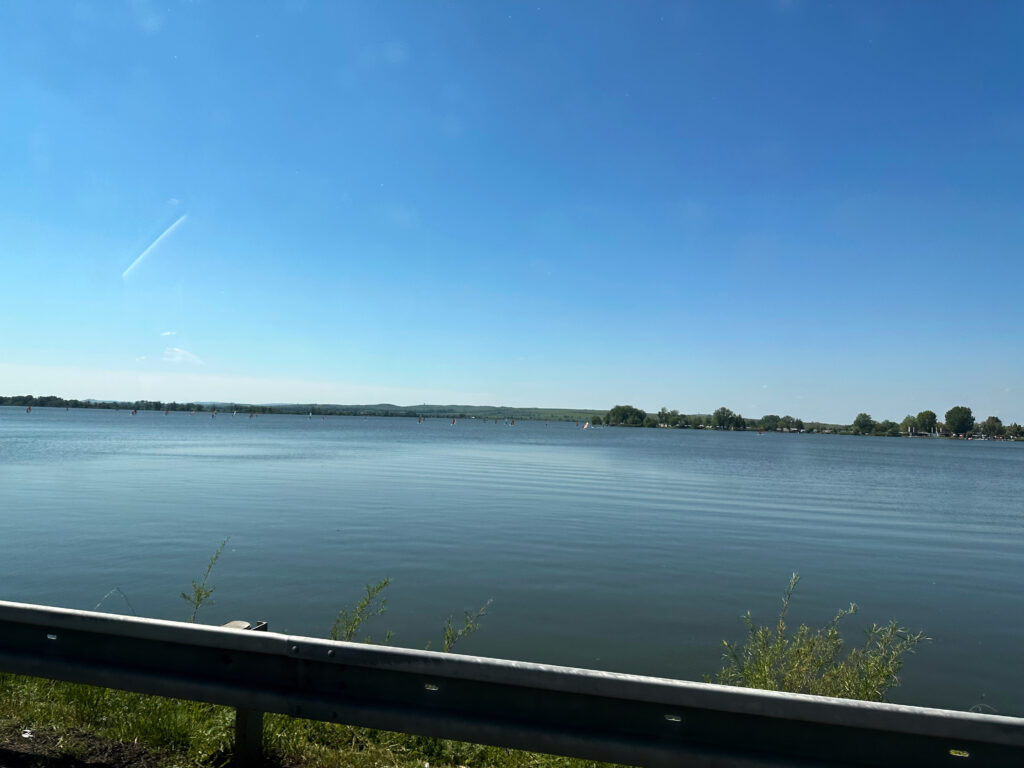 |
 |
 |
Dolní Kounice
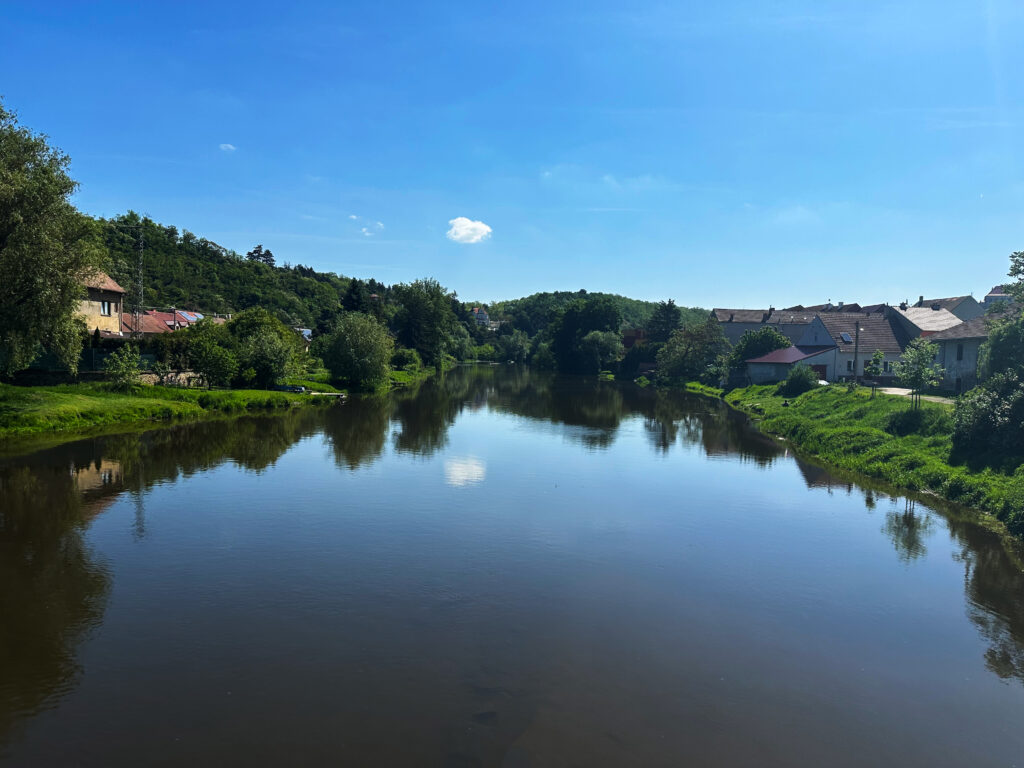
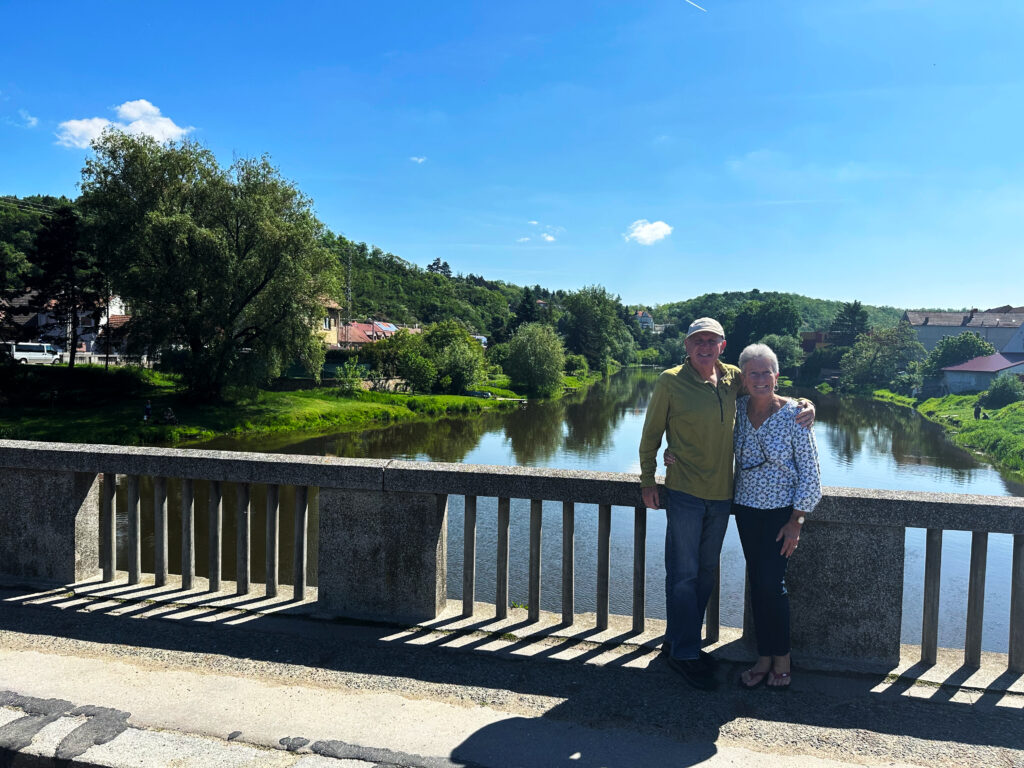
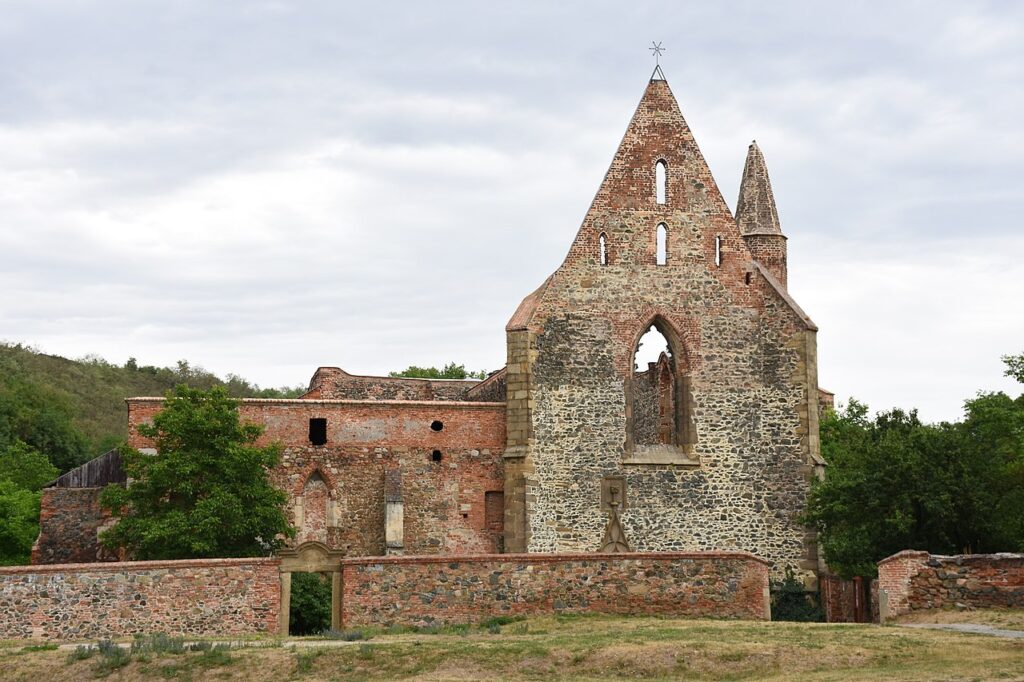
A wonderful example of the experience would be the town of Dolní Kounice. Dolní in Czech means Lower.
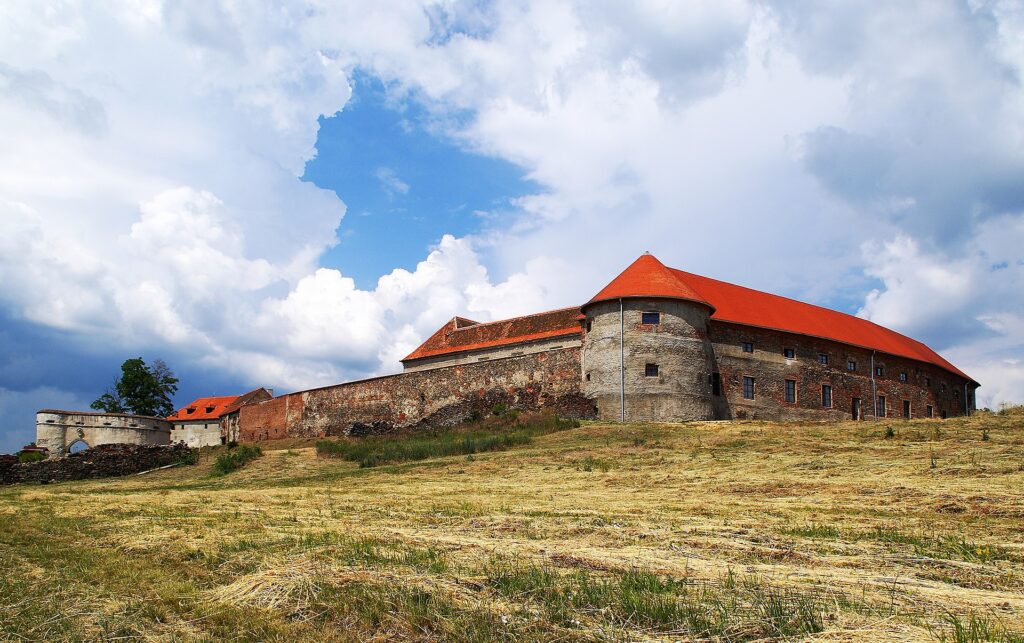
Kounice is located on the Jilava River in the Moravia region of southern Czechia. The town was founded in 1180. A Premonstratensian Rosa coeli convent was built in Kounice in 1181. A Gothic Castle was built starting in 1280 and finished 1330.
Starting in the 1500’s the convent and or castle were burned, abandoned, rebuilt, reburned, re-abandoned, and rebuilt many times.
Joy is a Gem is Found – Mikulov
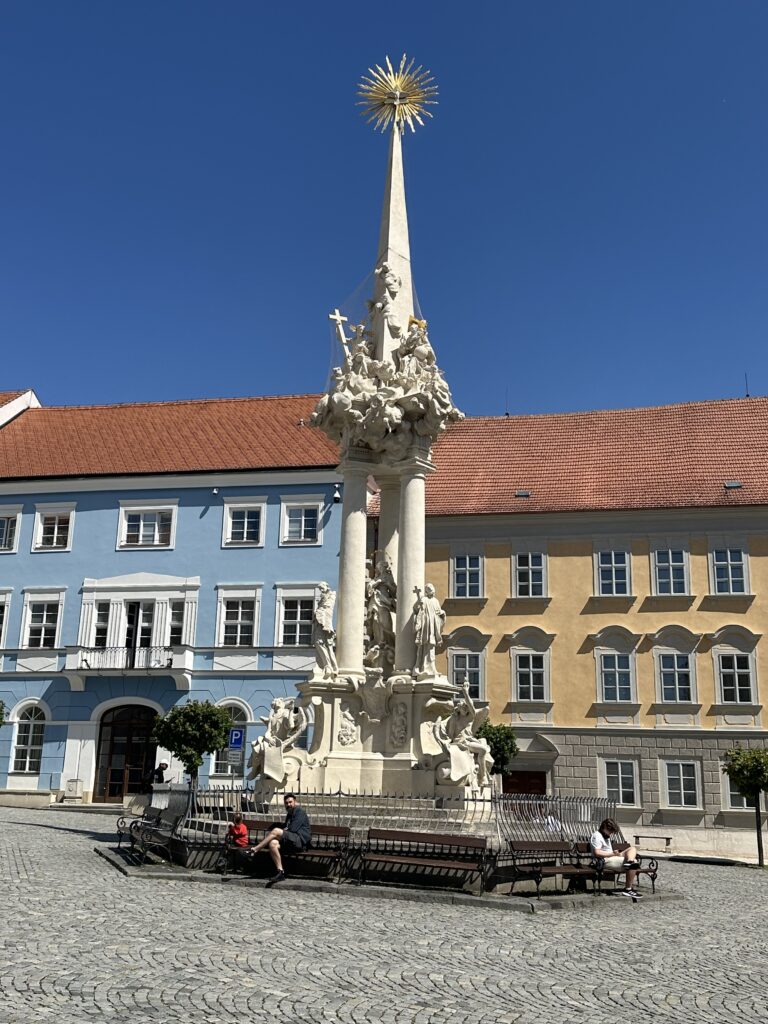
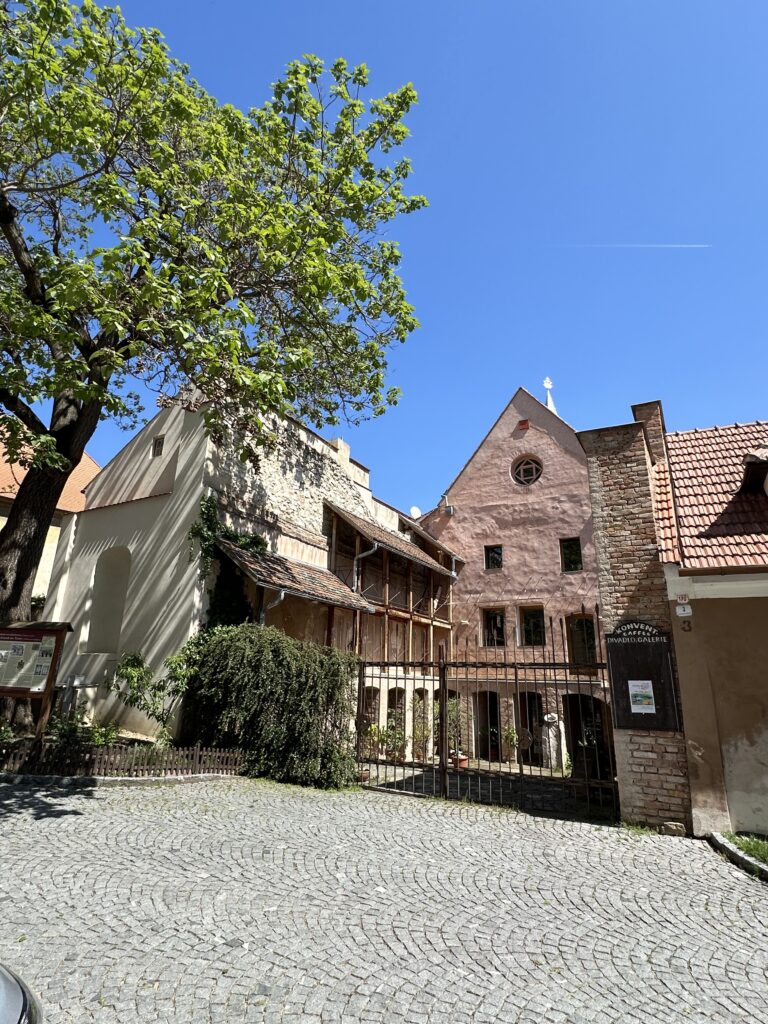
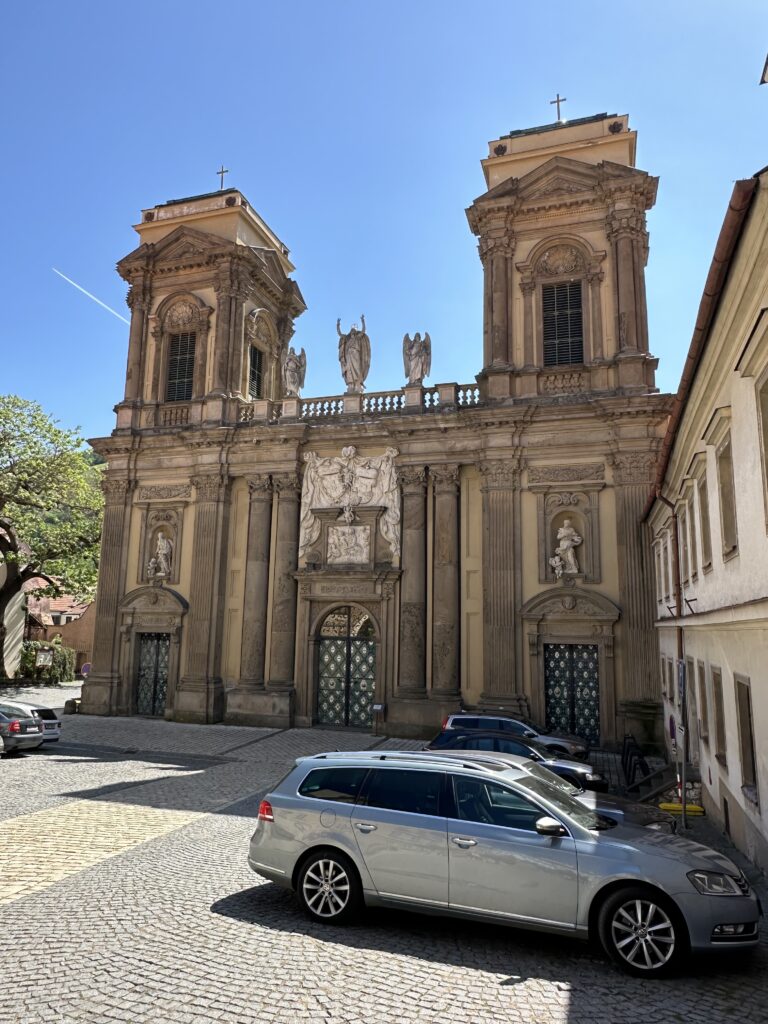
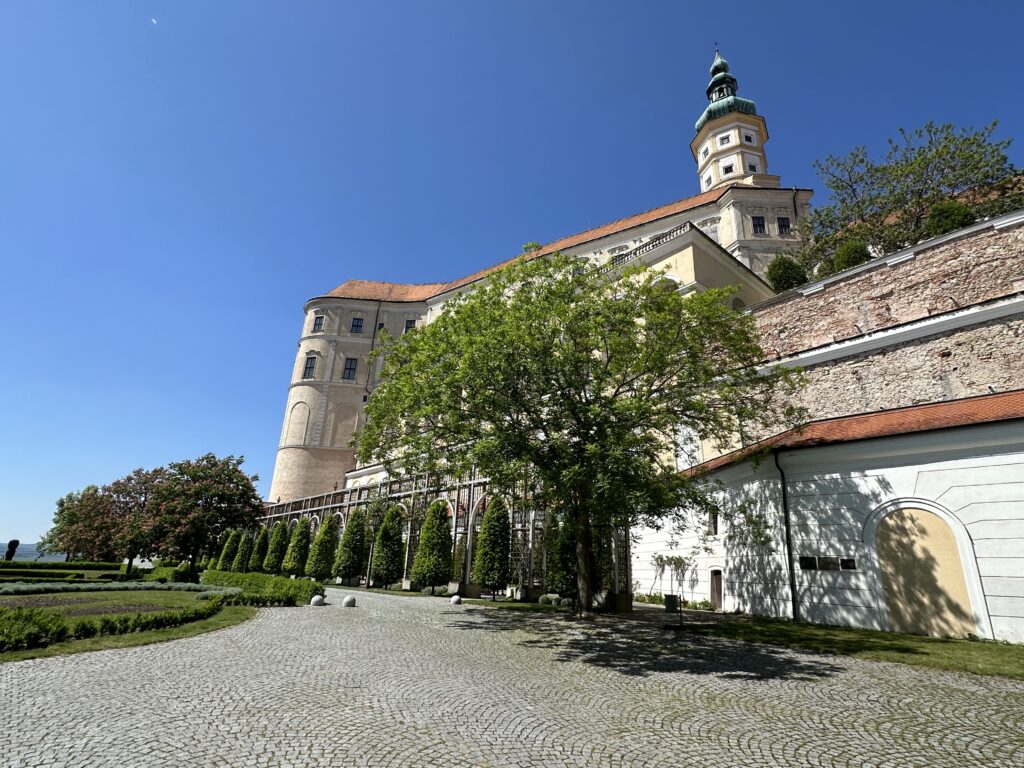
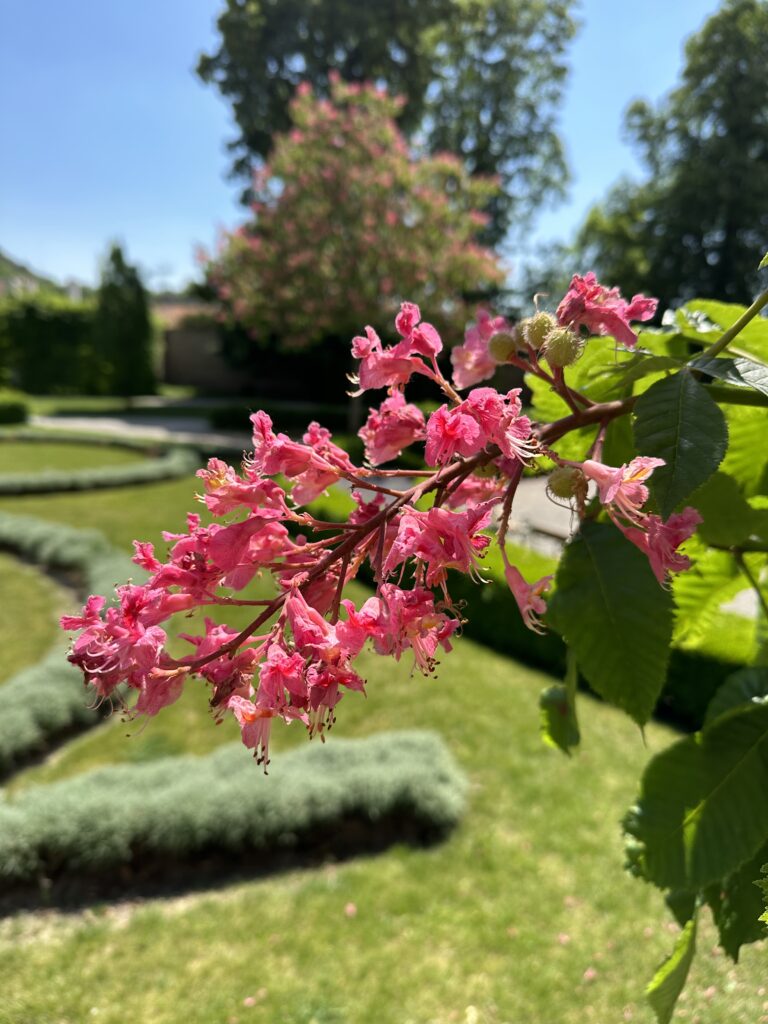
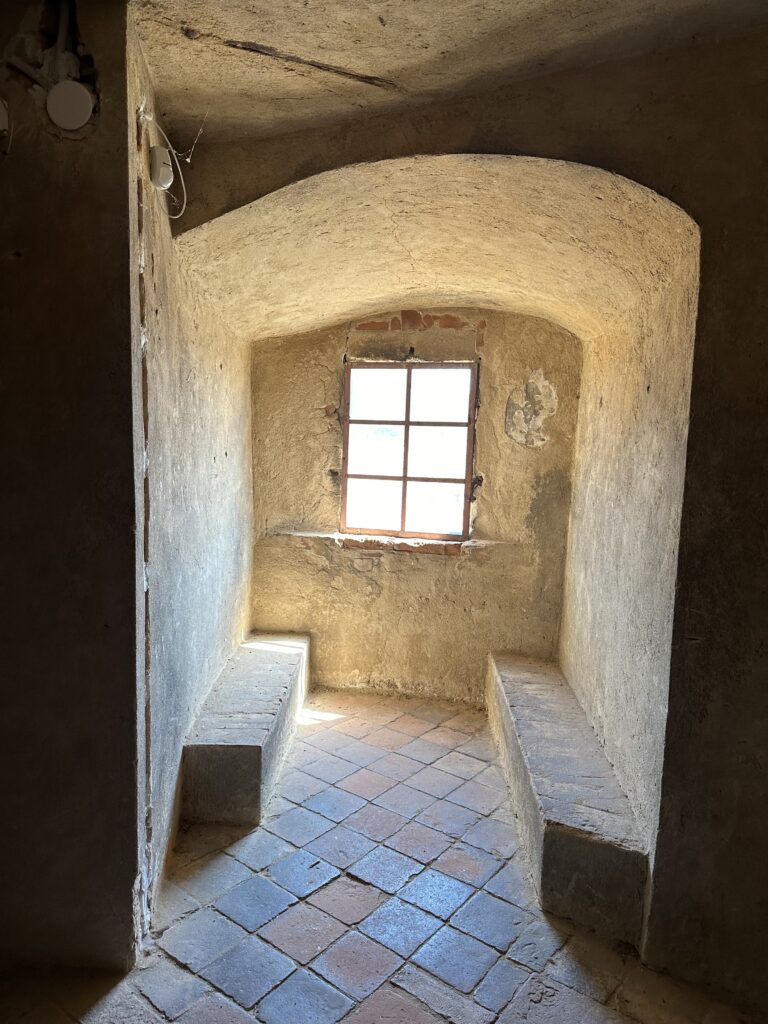
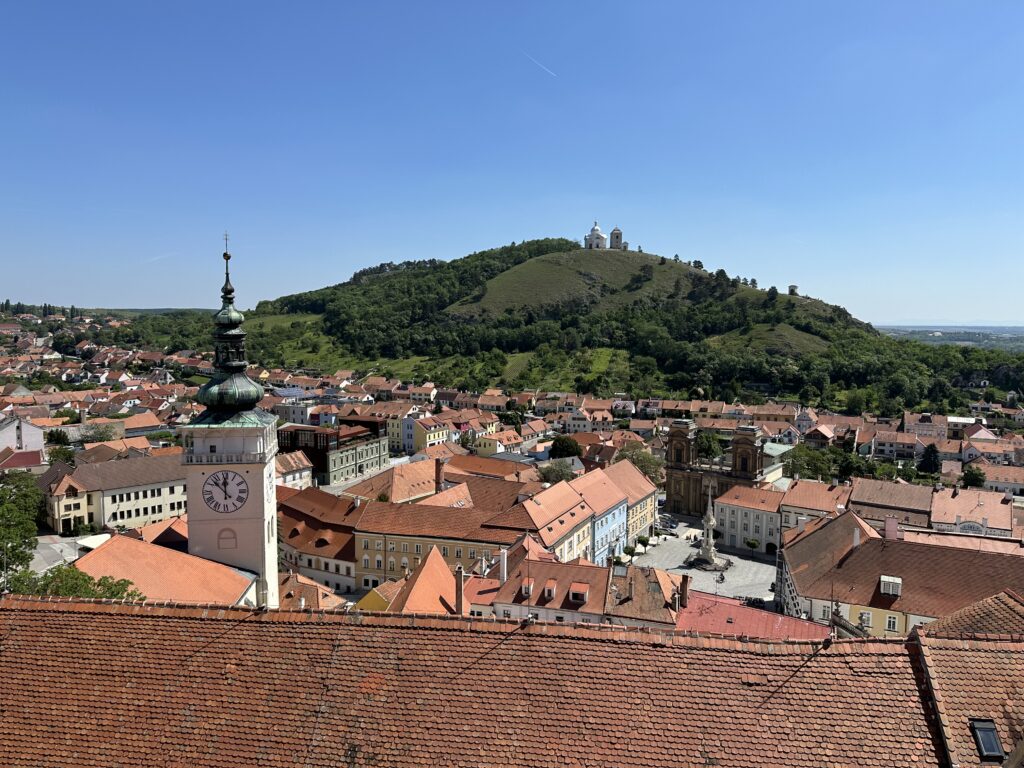
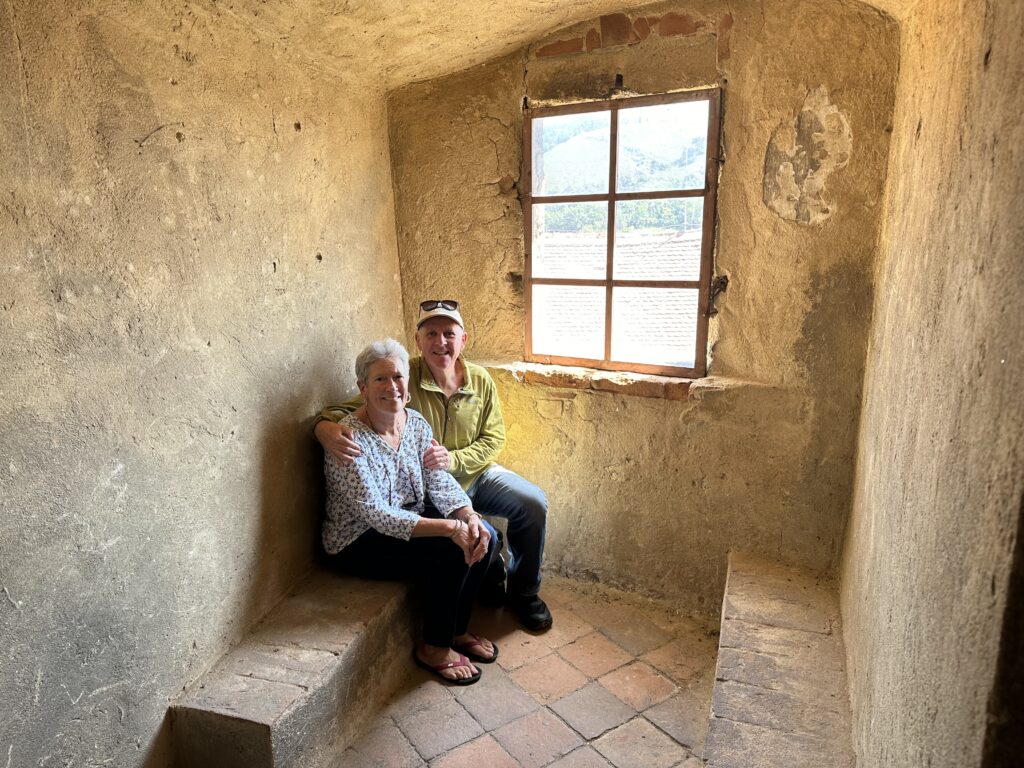
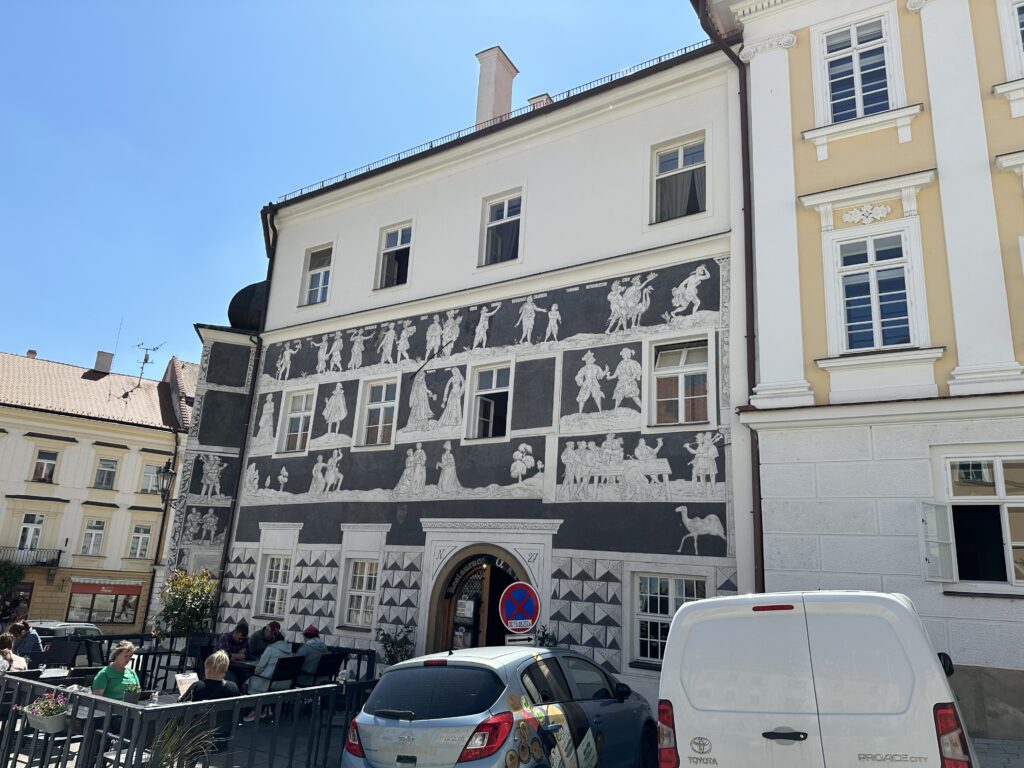
At the start of the trip, we asked Levi if we could travel to a city, town or village that locals go to for relaxation and or a vacation. Levi felt the best example was Mikulov. My goodness, Levi was dead on correct.
Mikulov is located on the southern border of the Czech Republic and eastern border of Austria. The city was founded in the 1100’s. It is the the center of Czech wine making. Mikulov and the surrounding region are as picturesque as can be imagined.
 |
 |
 |
 |
 |
 |
 |
 |
 |
 |
 |
 |
 |
 |
 |
|
The region produces a white wine that is known as Moravian (named after the region). On the way out of town we stopped at the Farská zahrada Přítluky Winery. The winery produces a vintage of its own made from the grape on the slopes above their buildings.
On to Bratislava
Bratislava is the Capital City of Slovakia. It borders both Austria and the Czech Republic. The Danube and Morava Rivers flow through Bratislava.
As with most of Eastern Europe, Bratislava has a complicated history. For most of its existence Bratislava was known as Pressburg with strong ties to Germany. The city is heavily influenced by Austrians, Bulgarians, Croats, Czechs, Germans, Hungarians, Jews and Slovaks. Bratislava (known as Pozsony) was the Capital of the Kingdom of Hungary for over 200 years (1563 to 1783).
In 2024, Bratislava is the hub of things Slovakian. The city has strong ties with Vienna. Both cities are thriving commercially.
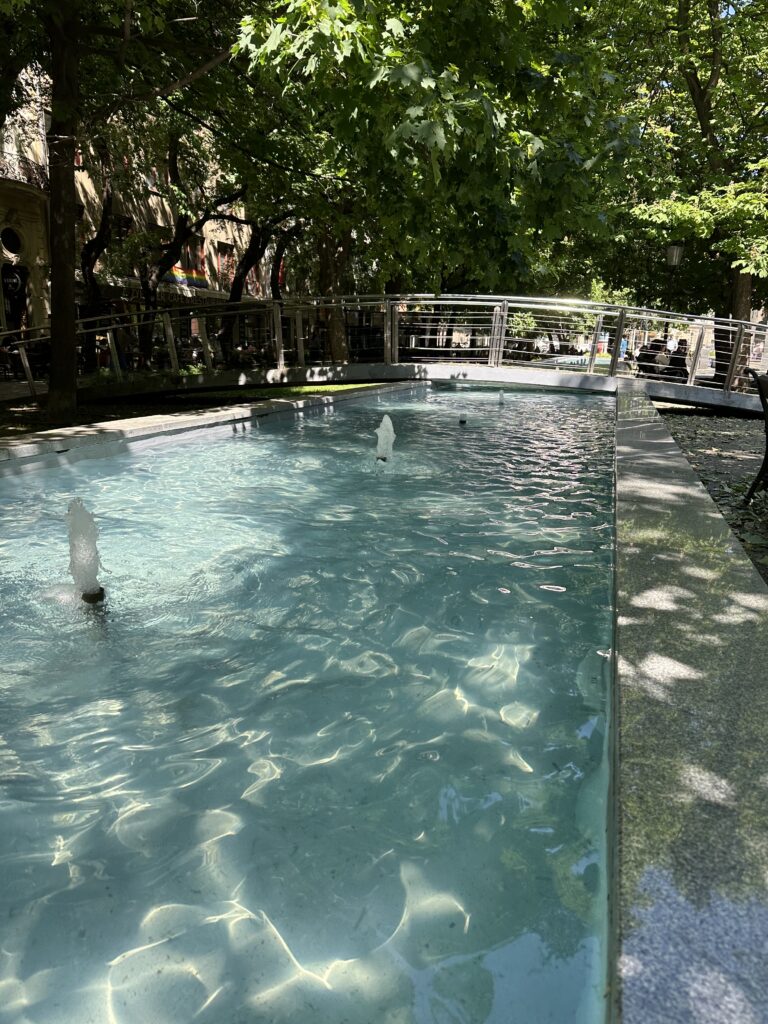
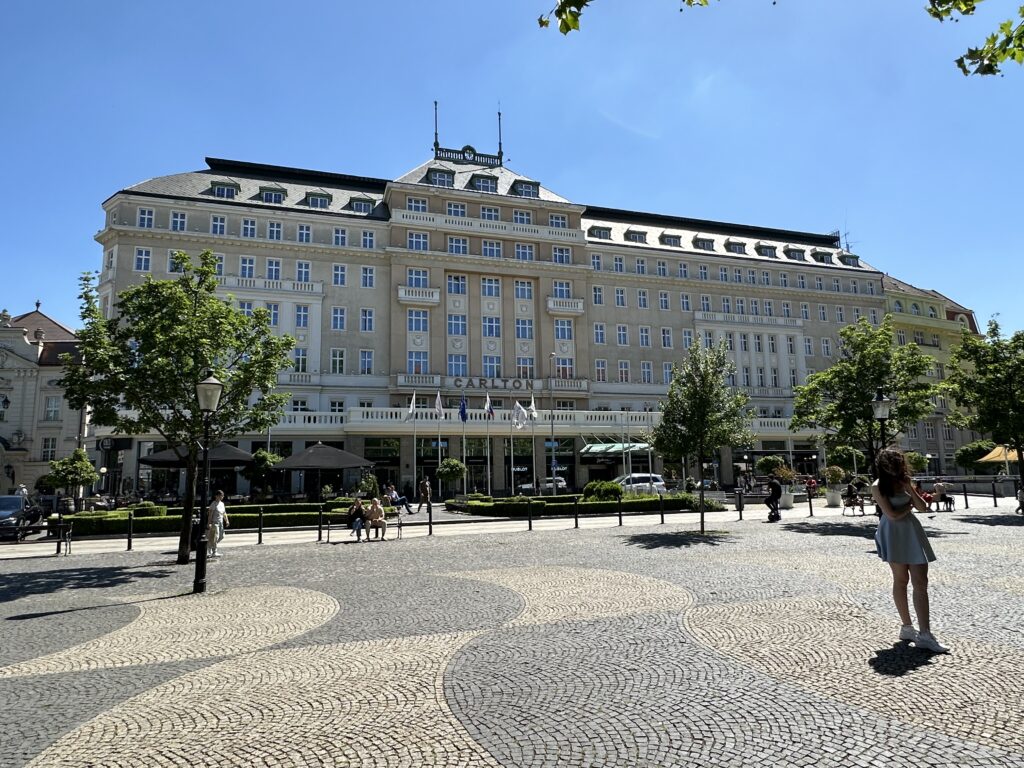
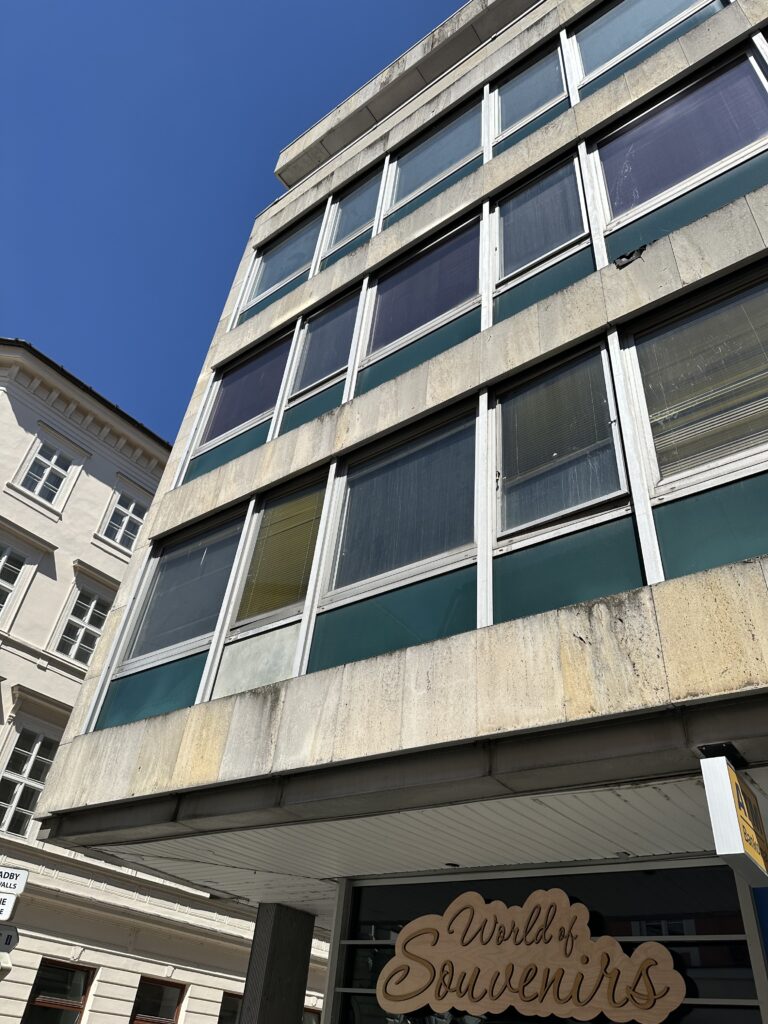
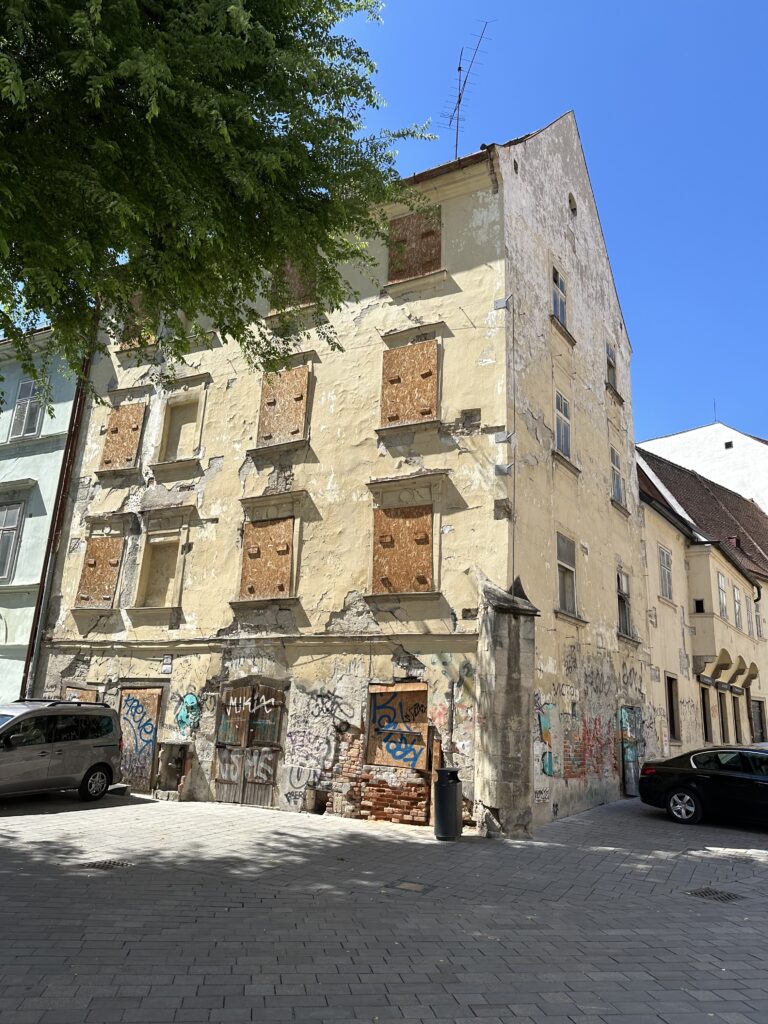
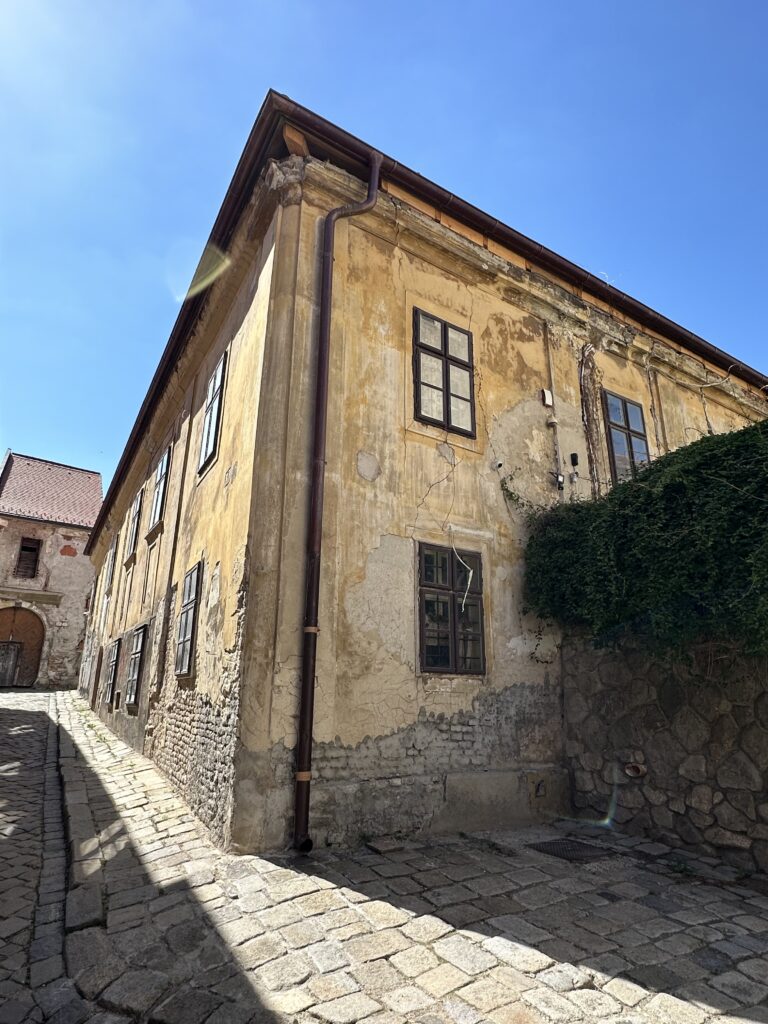
The Old Town City Center of Bratislava is alive, and vibrant. It presents a cleaner smaller scale version of the more dramatic cities that surround it without the baggage. While not antiseptic, it feels as if Bratislava has made sure a nicely buffed veneer has been recently applied for the visitors in town who are tourists or on business.
 |
 |
 |
 |
 |
 |
 |
 |
 |
 |
 |
 |
Similar to Boston, Detroit, Seattle and Baltimore in the United States, Bratislava decided to put a freeway through the middle of town as a show of progress. Similar to all, the effort proved only to destroy the heart and fabric of a city and its neighborhoods. The last image is of a freeway that is in the process of being covered and reconnected (think Boston Big Dig and Detroit I-375).
Towards Budapest But First – Esztergom
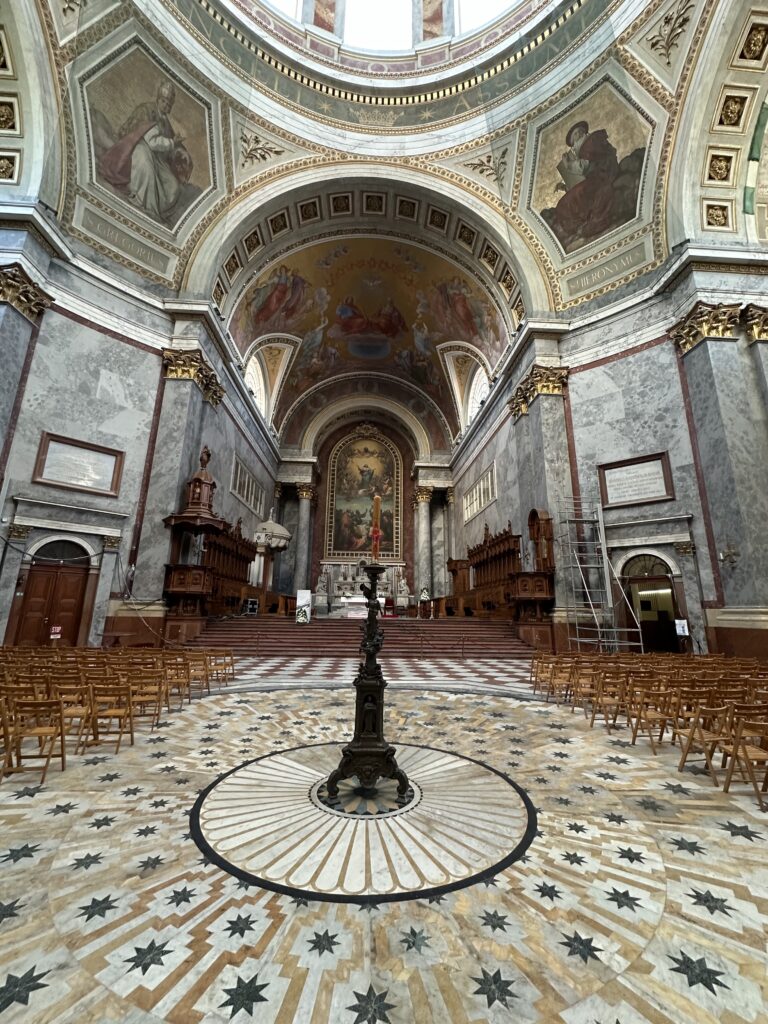
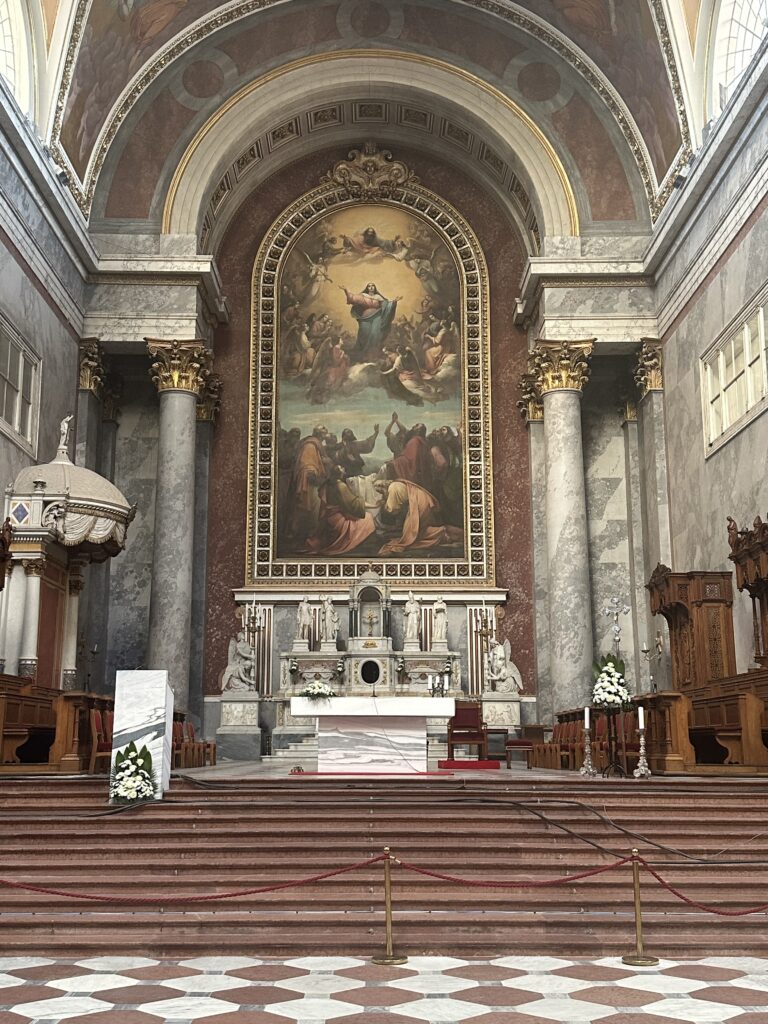
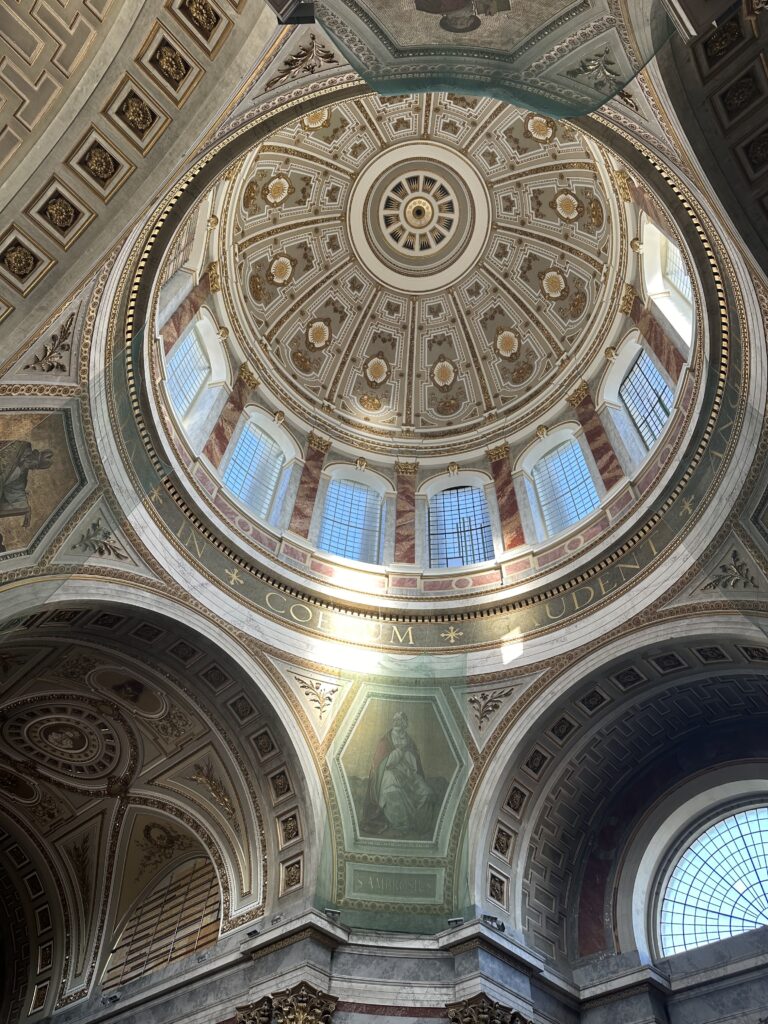
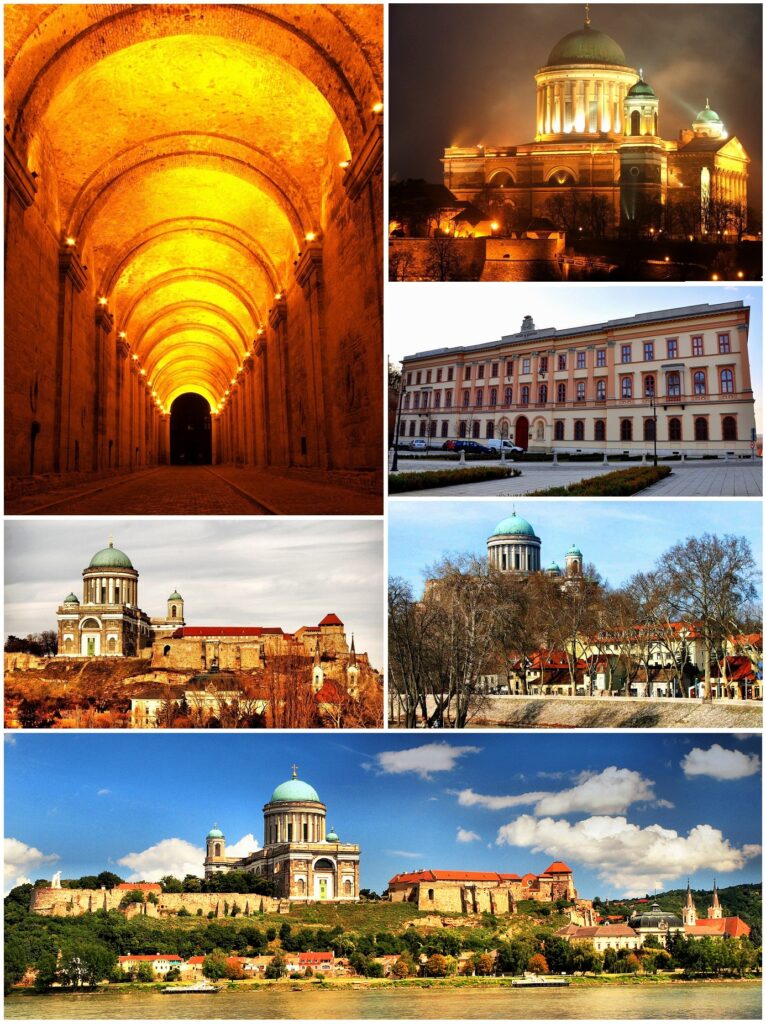
We asked Levi if there was a city that lied at the heart of Hungary. Levi did not pause. The city is named Esztergom. The City was the Capital of the Kingdom of Hungary from the 10th through 13th Century. Esztergom is the seat of the Catholic Church of Hungary. Its cathedral, Esztergom Basilica, is the largest church in Hungary. And, yes, the city sits on the Danube on the border between Slovakia and Hungary.
 |
 |
 |
 |
 |
 |
 |
 |
 |
 |
 |
|
 |
|
The route from Bratislava to Budapest via Esztergom allowed us to see the heartland and spiritual heart of a region. What an experience.
*** Jeff’s Thoughts and Other Worthless Trivia ***
Friends and Hosts named in this Post love, cherish and look forward to a continued future with Linda. They acknowledge my presence from a legal perspective.
While Linda and I were in Slovakia and Hungary, a number of events occurred.
A day after we were in Slovakia, an assignation attempt was made on its President.
While in Hungary (Esztergom and Budapest) it appears President Xi Jinping of China visited the sites in which we were present. Therefore, lots of vehicles with flashing lights, lots of barricades where we were not expecting to see, and lots of Police.