March 2026
M T W T F S S
 1
2345678
9101112131415
16171819202122
23242526272829
3031  

The More Things Change The More They Stay The Same – All Quiet on the Western Front

In the moment, nationalism can fuel a large population into operating with blind patriotism willing to fight for a cause.  If you are on the winning side, the choice will be viewed as heroic, logical and obvious.  If you are on the losing side, not so much.

Edward Berger’s All Quiet on the Western Front is a stunning portrayal of the implication of nationalism playing the fear card to its people and leading them into war. In this war, 2.1 million of its soldiers and 700,000 of its civilians will experience their demise.

Edward Berger’s, All Quiet of the Western Front is a mostly faithful adaptation of Erich Maria Remarque’s novel and Hollywood’s 1930 film of the same name.  The 1930 film won the Academy Award for Best Picture and Director.  Berger’s film is Germany’s entry for Best Film in 2023.

Berger’s adaptation holds no punches.  It is brutal in its presentation of the horrors of war.  As with novel and the 1930 Hollywood, Berger’s version does not offer much if any aspect of glamor or heroism.

Berger’s film is German produced, the dialogue is in the German Language and played by [mostly] German Actors.  The filming and production values of the film are superb. Therefore, it cannot help but provide a view from the losing side that feels authentic.

The five young men full of patriotism are expecting to experience the glory of war. They soon find out that the Western Front and the Great War offer no such glory.  In many scenes thousands of soldiers on each side move forward and backward and into and out of trenches. As history reveals… with little to no long-term gain in territory.  The Novel and two films portray the soldiers as nothing other than fodder for the opposing Army’s machine guns, mortar shells, gas cannisters, flame throwers, and tanks.  Berger and Cinematographer James Friend’s presentation is immersive and addicting to the eye. It also offers no time to settle down.

There is one material deviation from the Novel and original film.  Berger’s version offers a view into the Commanders of the War and the negotiation to end the conflict.  The film flips between each aspect in a highly effective manner. It is interesting to see soldiers running head-on into death while others sit in luxurious settings [knowingly] sending those same men their death. With this screenplay, some of the Leaders in their knowingness also come off as detached and without care.

All Quiet on the Western Front is highly recommended.

*** Jeff’s Thoughts and Other Worthless Trivia ***
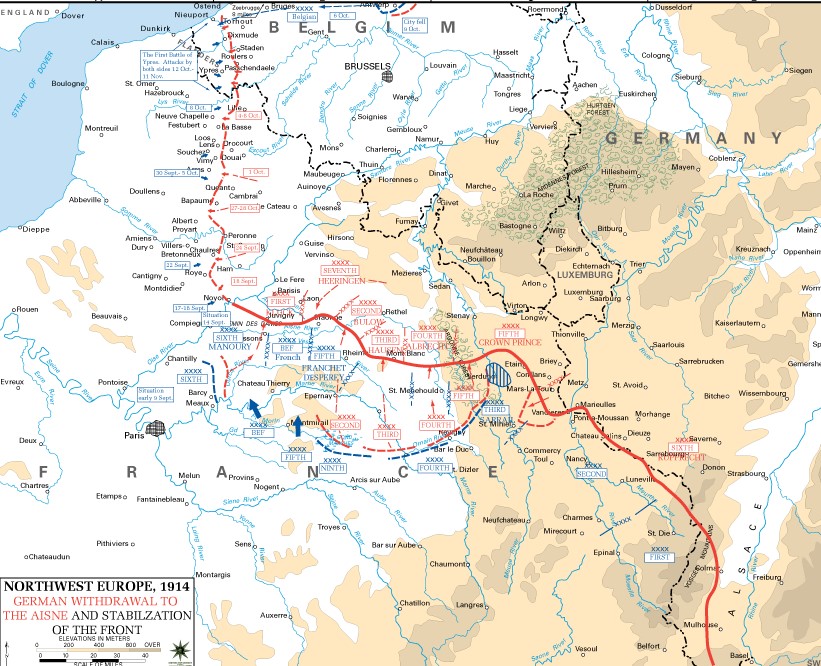
The Western Front of WWI
 

Capturing Kauai – Colors in January

What are colors like on the island of Kauai in the month in January?  I decided to conduct a quick photo-shoot at my house to reveal the colors on display in the middle of winter-time on Kauai. Our house is located on the west side of the island on the beachfront in Waimea just west of the mouth of the Waimea River and on the the Pacific Ocean.

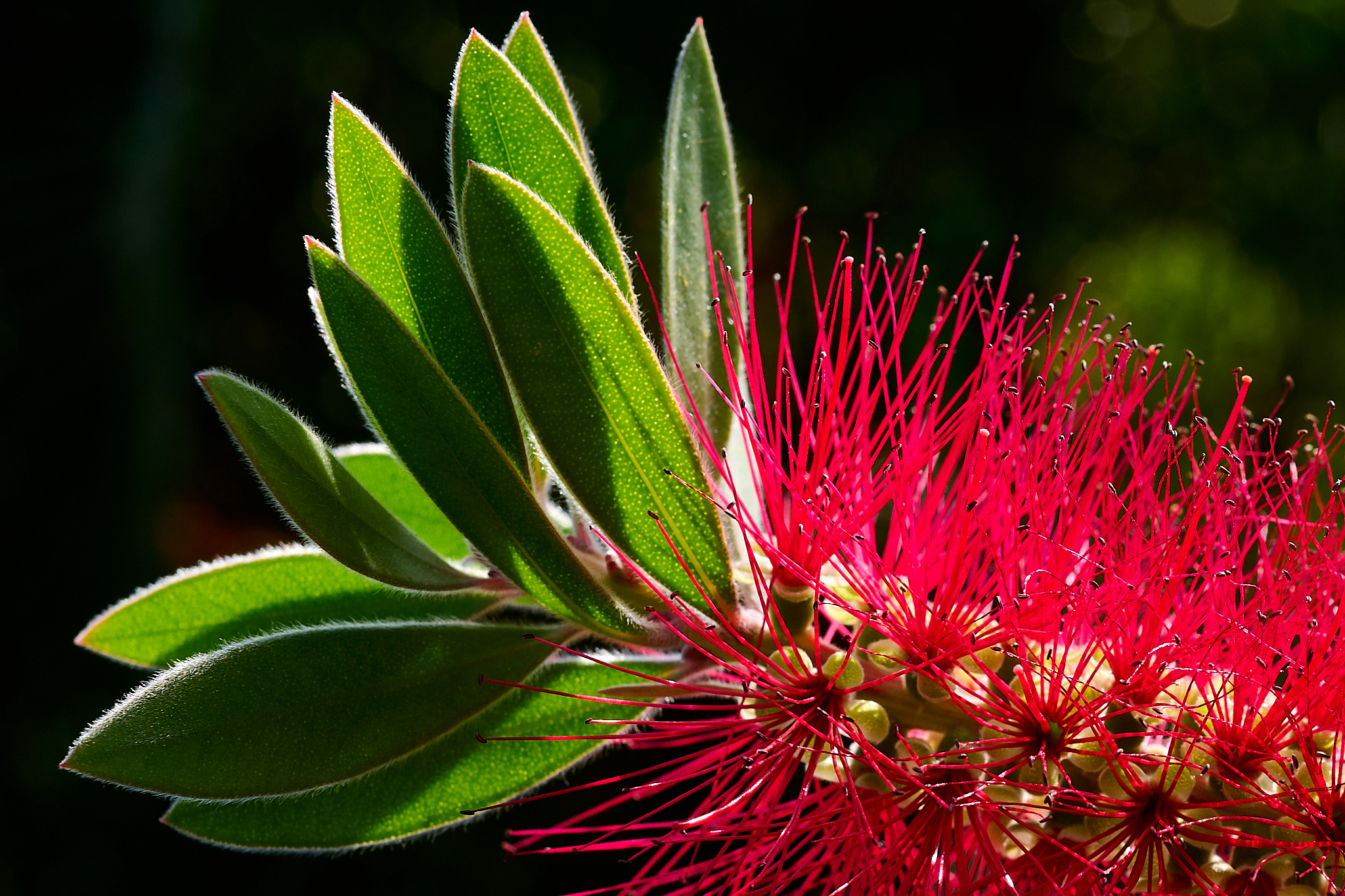
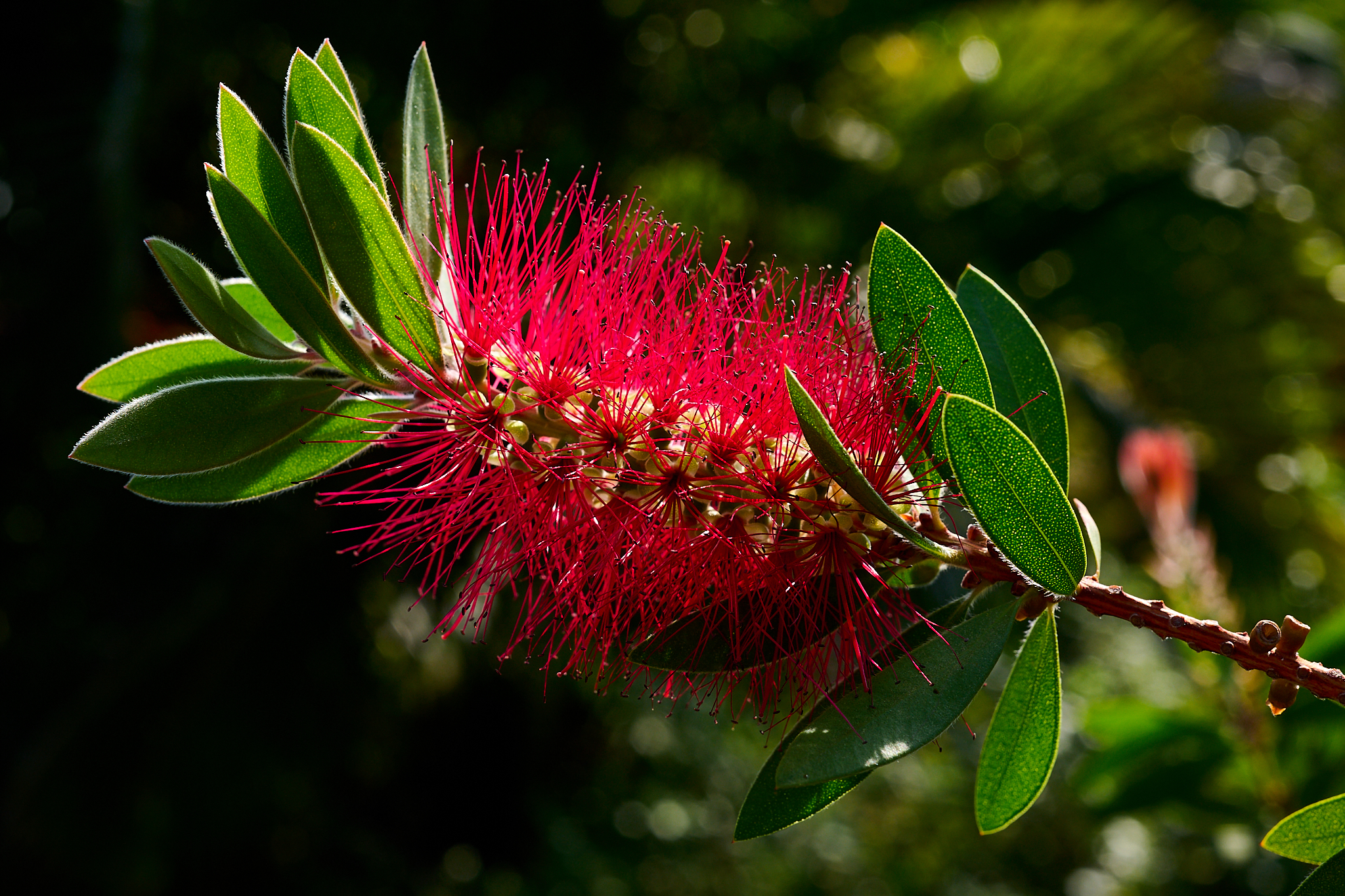
‘Ōhi‘a lehua in the backyard

Close up of the flower of ‘Ōhi‘a lehua in the backyard

The ‘Ōhi‘a lehua tree is unique to the six main islands of Hawaii.  It flowers year round.  In Hawaiian mythology ‘Ōhi‘a and Lehua were young lovers.  The volcano goddess Pele was in love with Lehua.  However, the love was unrequited.  Angry, Pele turned ‘Ōhi‘a into a tree.  Lehuna became broken-hearted.  Out of remorse Pele turned Lehuna into a flower on the ‘Ōhi‘a tree.

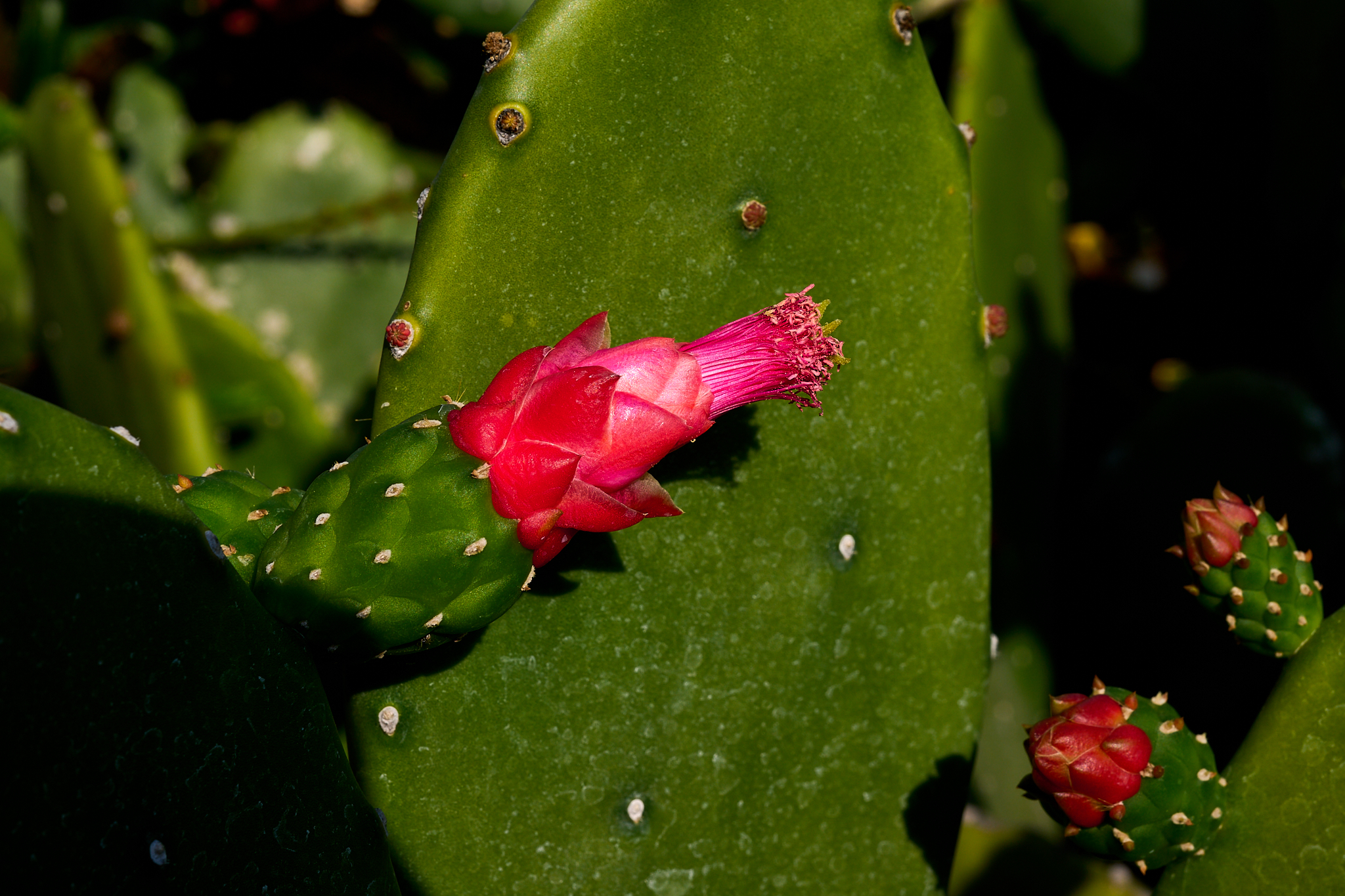
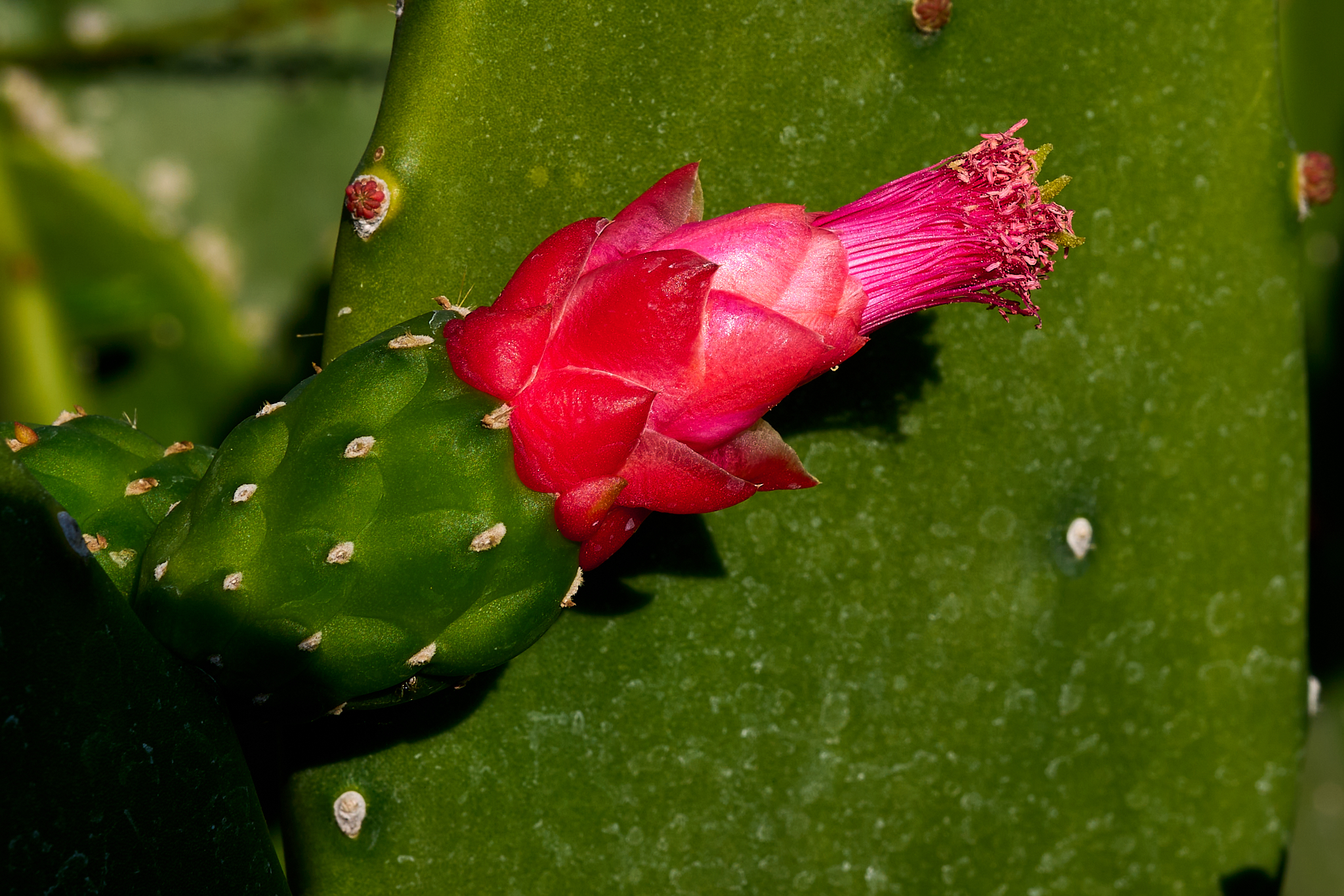
The Prickly Pear Cactus that makes up part of our street-side hedge.

A close up of a prickly pear on the cactus.

Cactus are not native to Hawaii.  However, several species were imported to the islands from Acapulco Mexico in the mid 1800s.  The Prickly Pear cactus or Opuntia (Panini in Hawaiian) was brought to the islands to act as fodder for cattle. The Prickly Pear thrives in drier conditions of tropical environments.  Our Prickly Pear thrives and produces pink and yellow fruit.  The leaves and fruit are edible.  It is part of the regular diet of people in Mexico and is made into a wide variety of products – including tortillas.

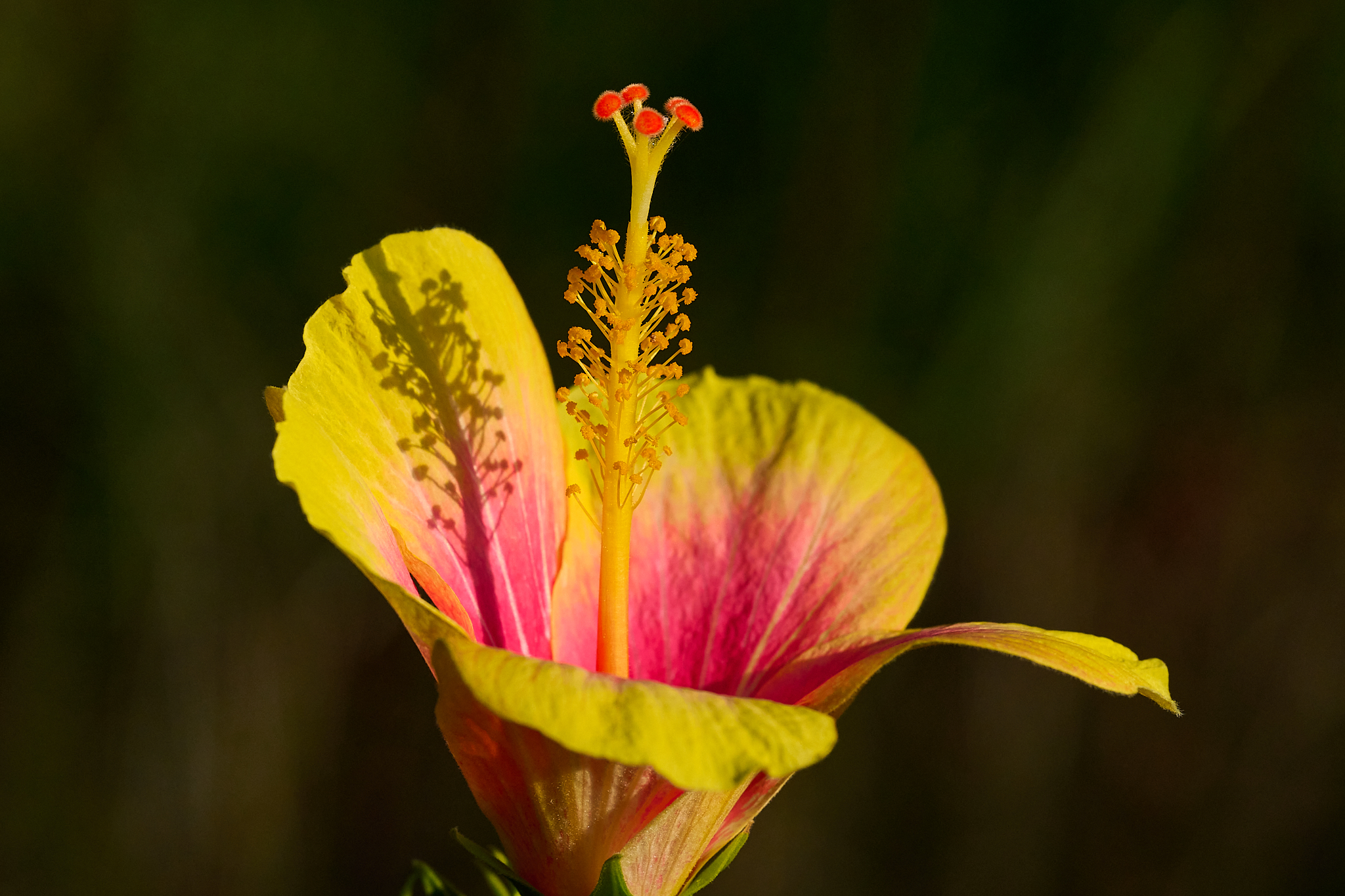
The Pink Lemonade Hibiscus in our front yard.

A close up of the Pink Lemonade Hibiscus in our front yard.

The Yellow Hibiscus is the state flower of Hawaii.  We have a Yellow and a Lemonade hibiscus.  They were planted by Linda and I on the near the eastern property line.

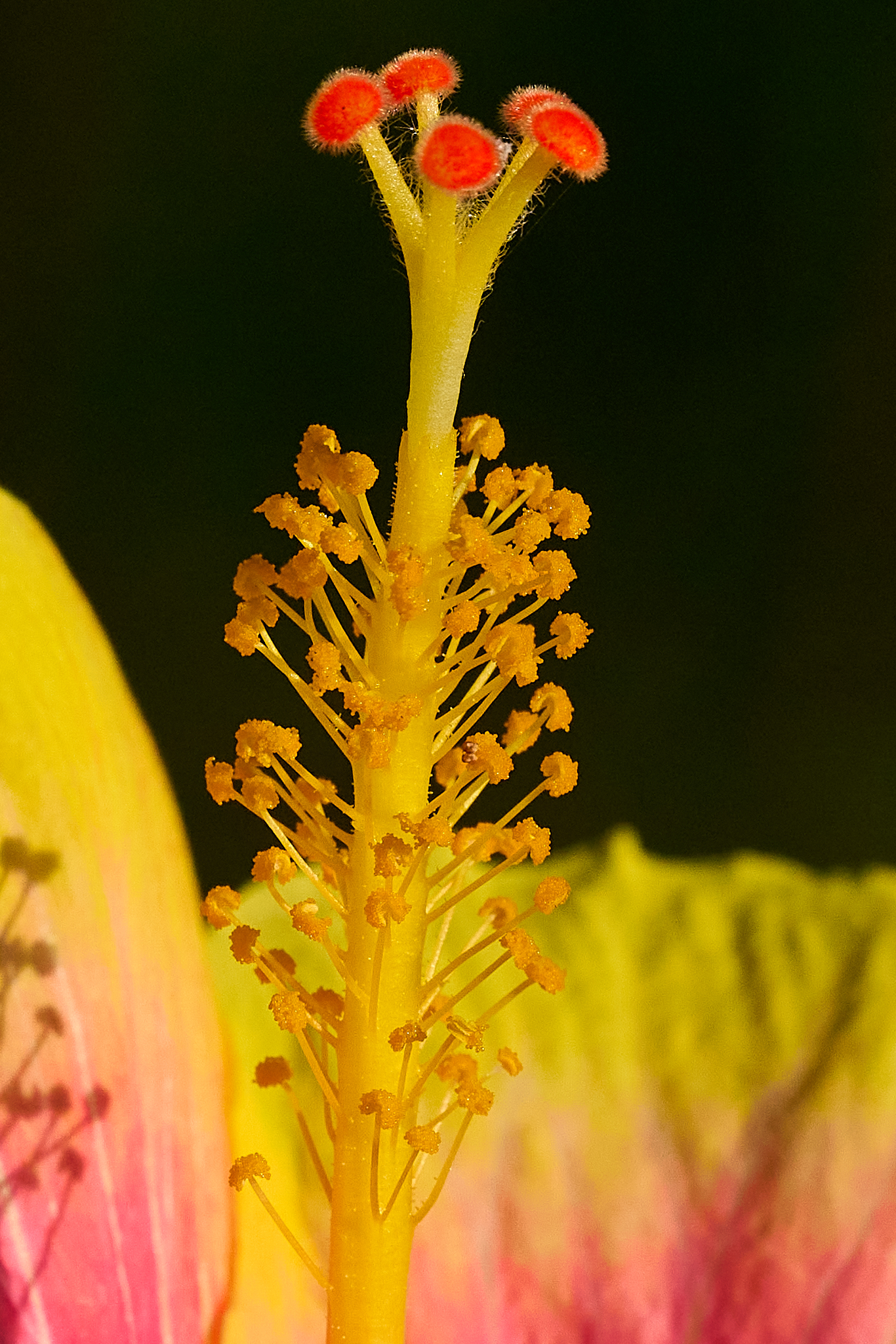
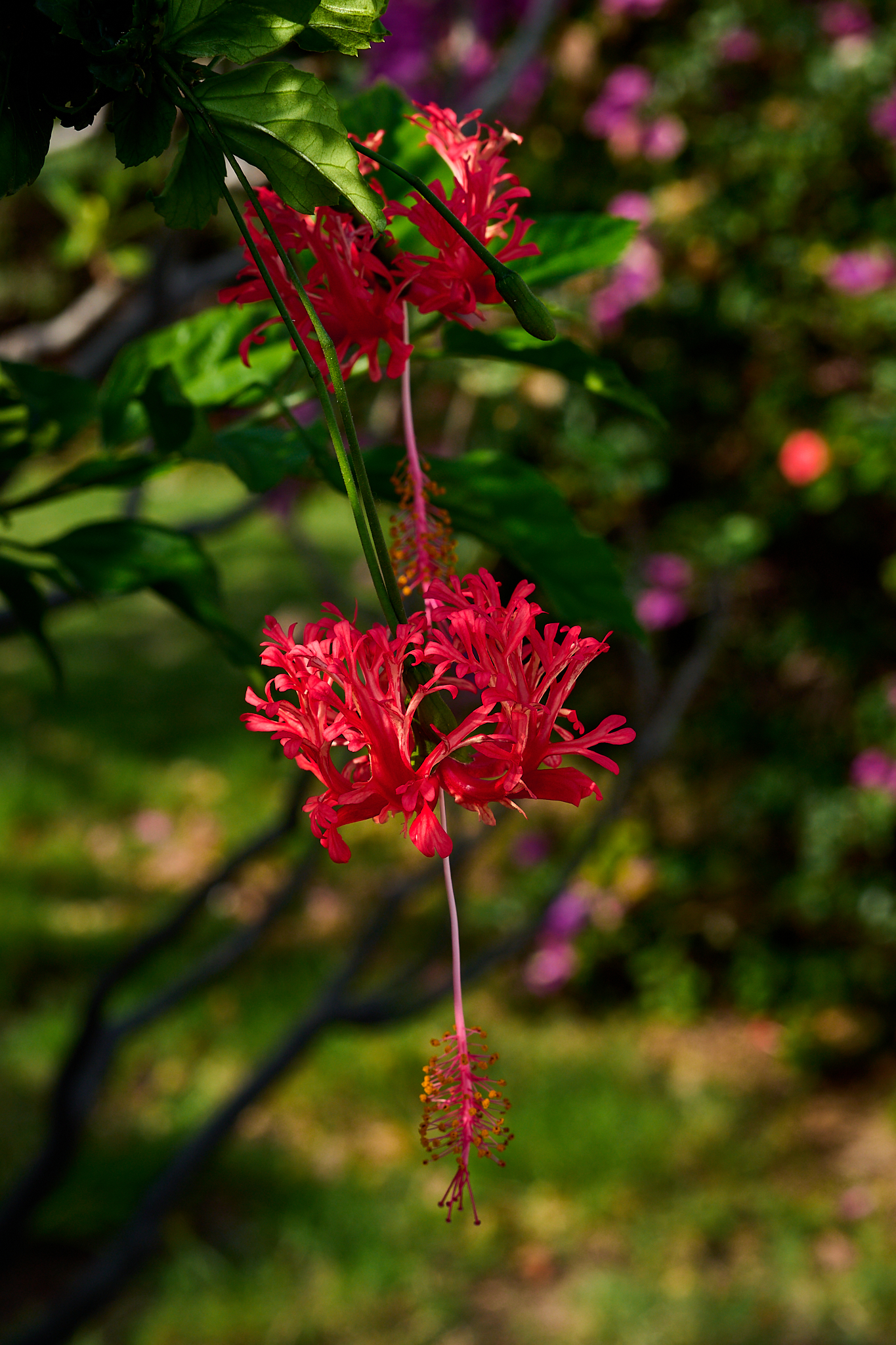
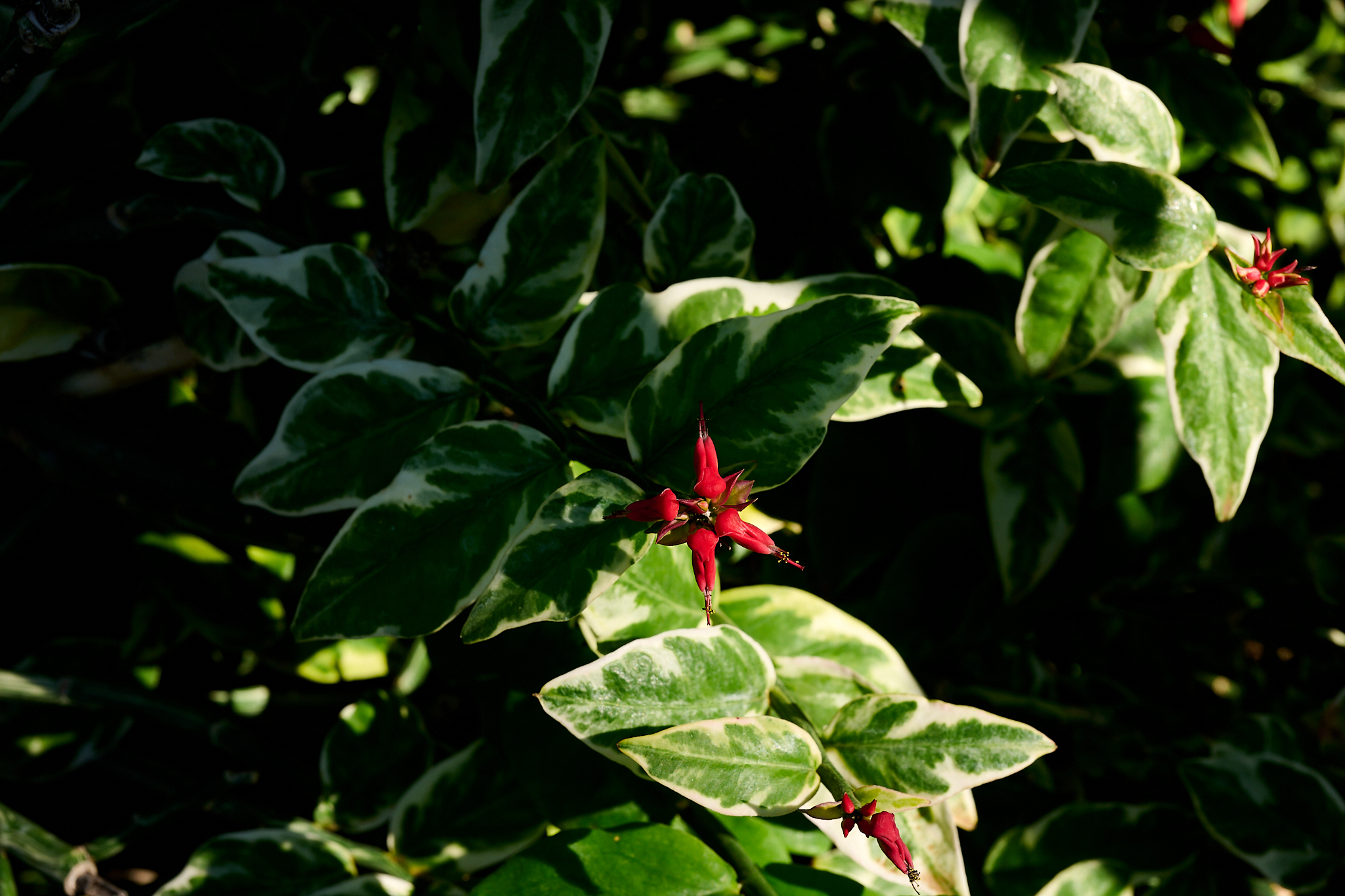
Spider Hibiscus near the street side hedges.

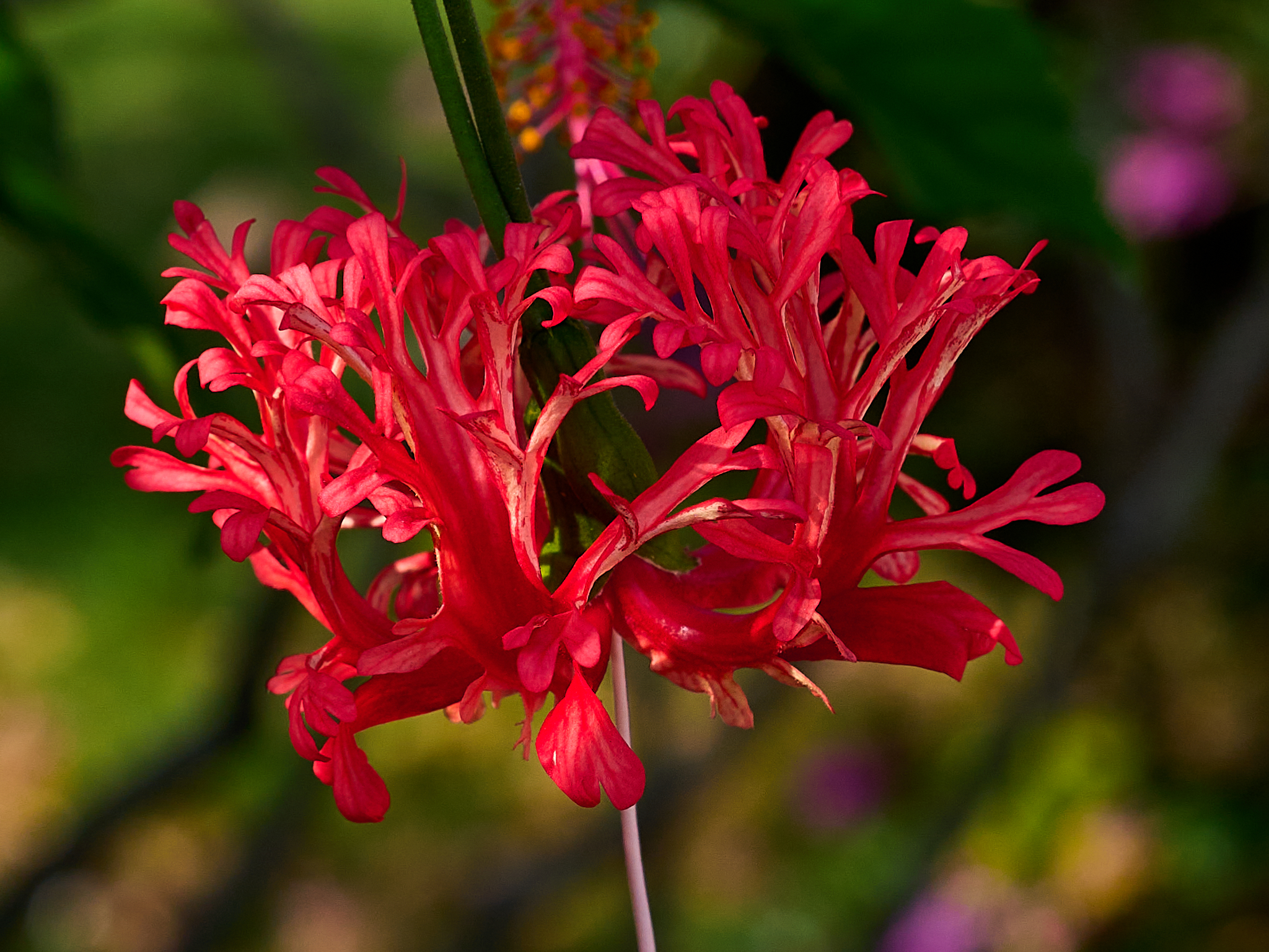
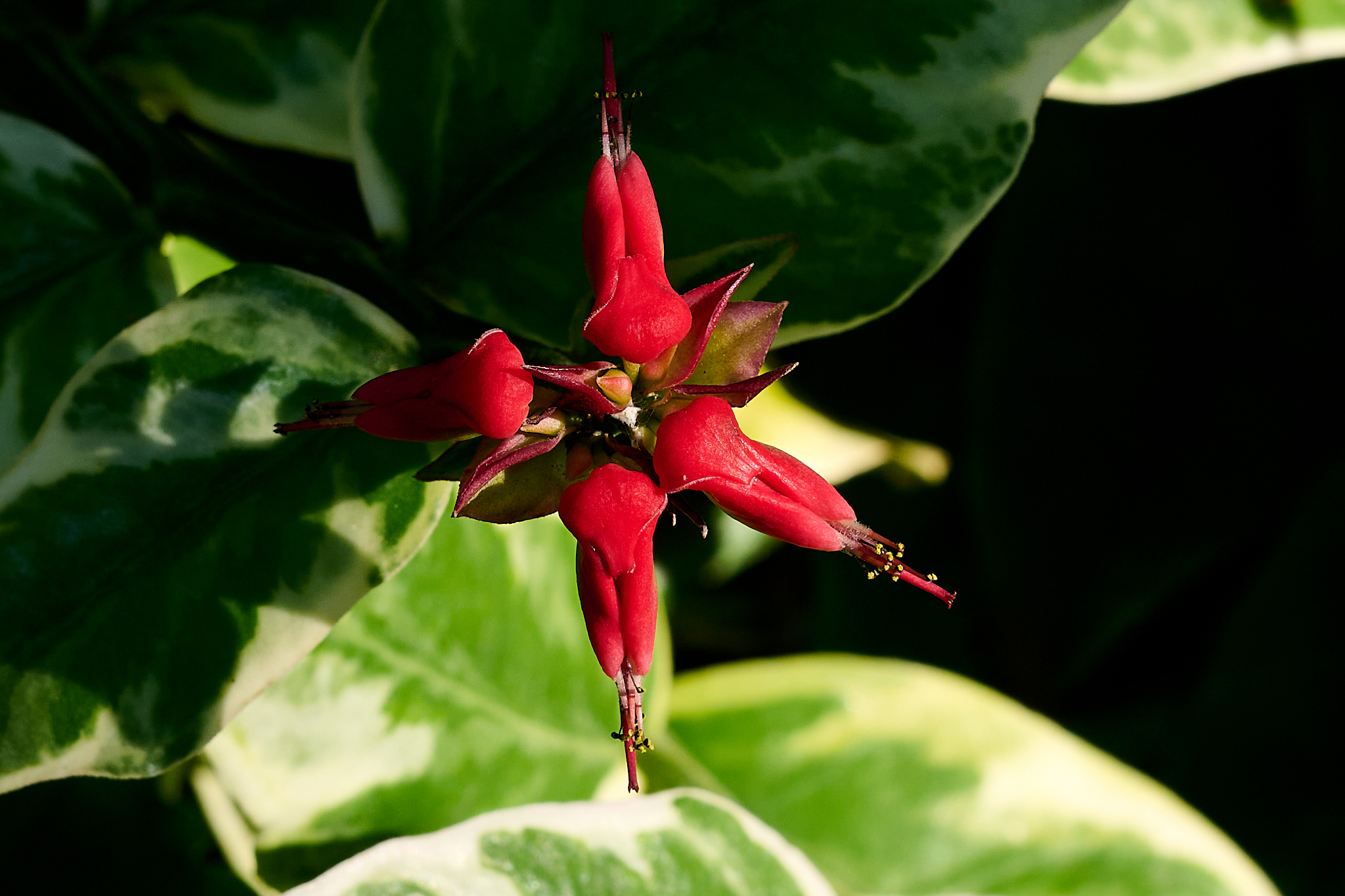
Closeup of Spider Hibiscus near the street side hedges.

The Spider Hibiscus, or schixopetalus is native to eastern African nations (Kenya, Tanzania and Mozambique.  It was introduced to Kauai in the 1800s.

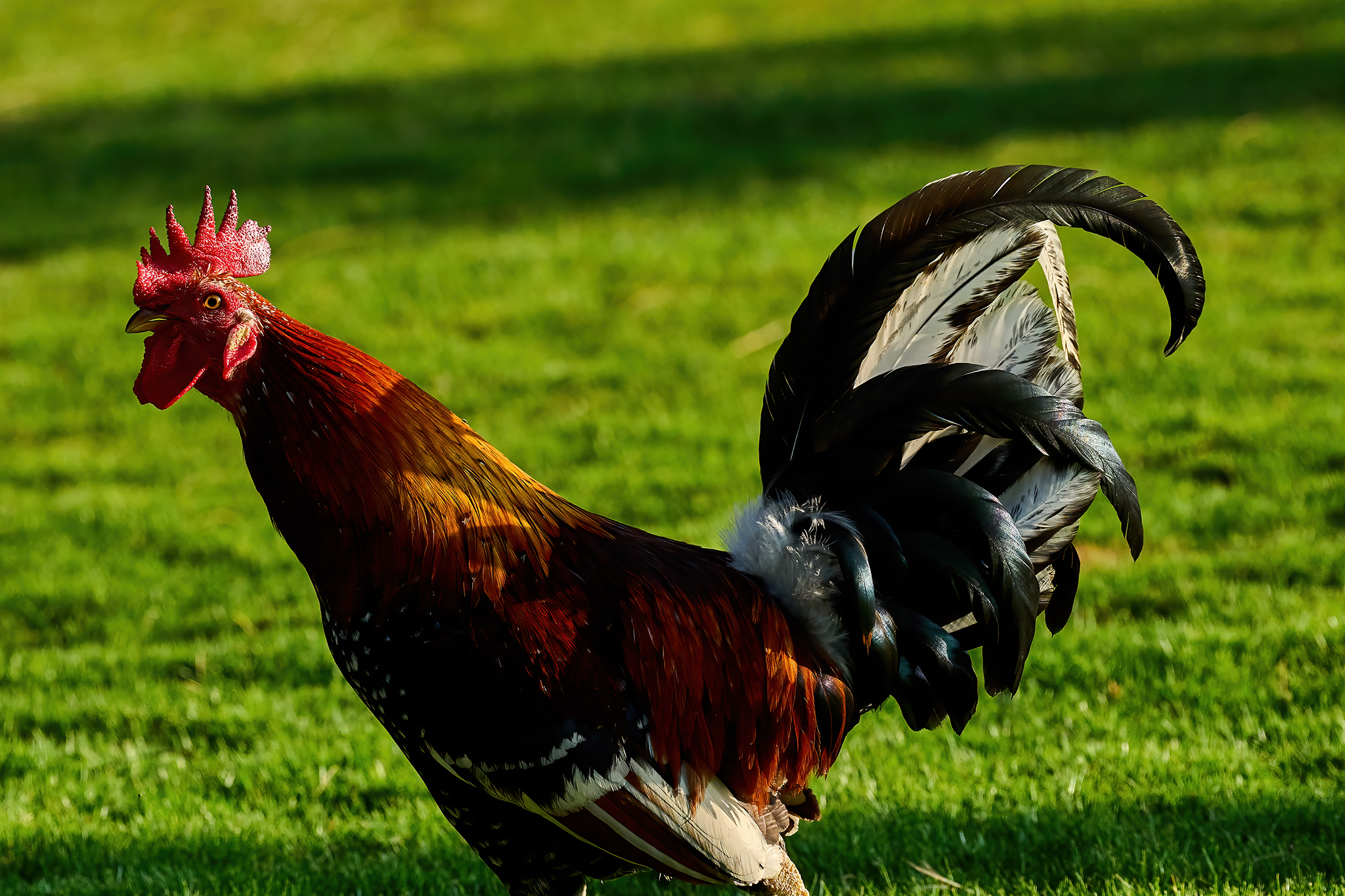
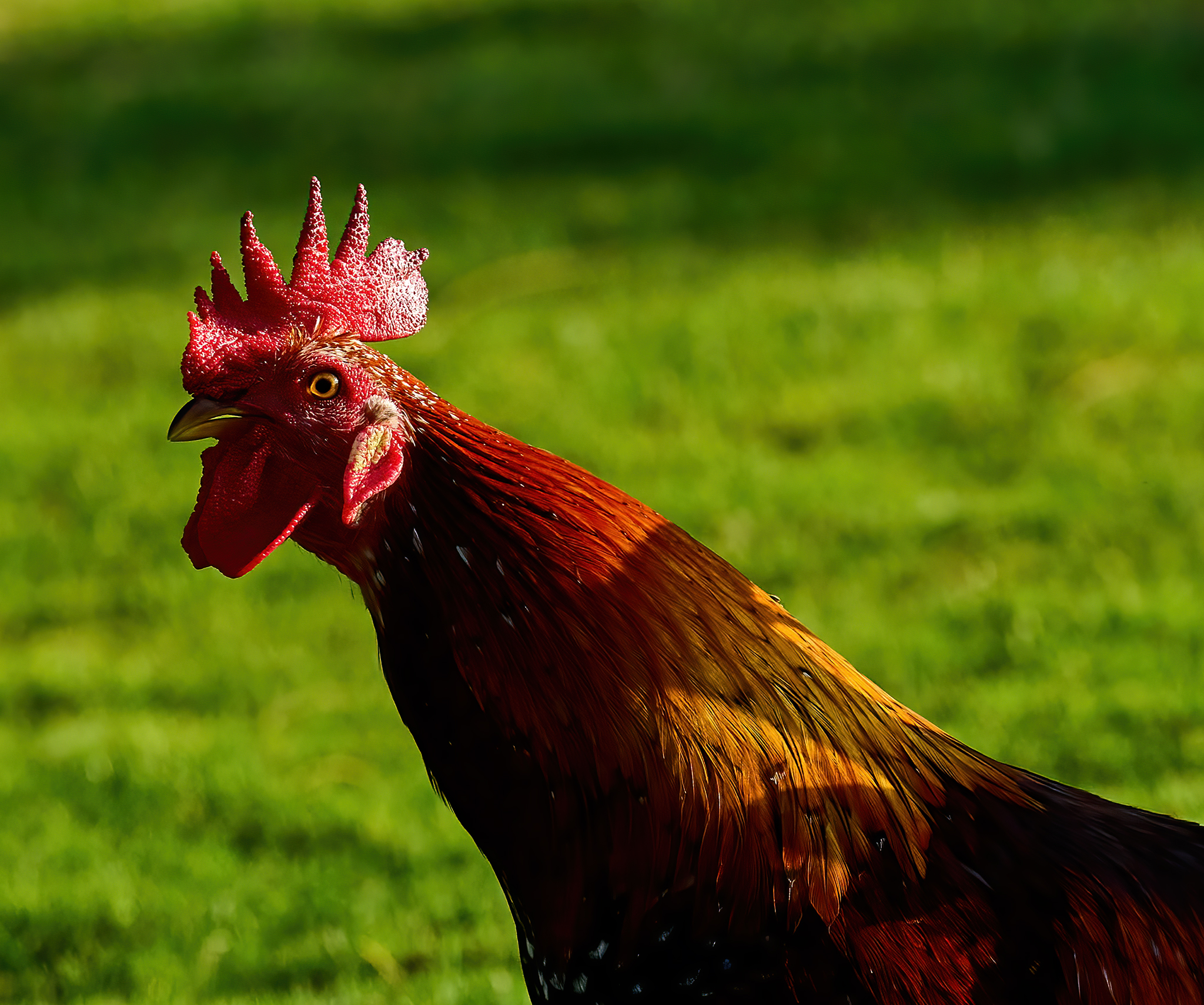
Rooster Who Currently Rules The Roost at 9930 Kahakai Rd.

Closeup of Rooster Who Currently Rules The Roost at 9930 Kahakai Rd.

The story of the Chickens of Kauai is legend. One version of the story is [here].  We have two Roosters and a few females who treat our property as their home.  Personally… I like their presence.

The Devils’ Backbone on the Eastern property line of the house.

Close-up of the Devils’ Backbone on the eastern property line of the house.

Devil’s Backbone, or Flowering Habit has a varied reputation.  A really varied reputation.  On one hand It is considered toxic – highly so to dogs. On the other hand clinical studies have proven its role in repairing tendons, ligaments and relieving joint pain and inflammation, strengthening bones, promoting weight loss and preventing osteoporosis  Hmm…

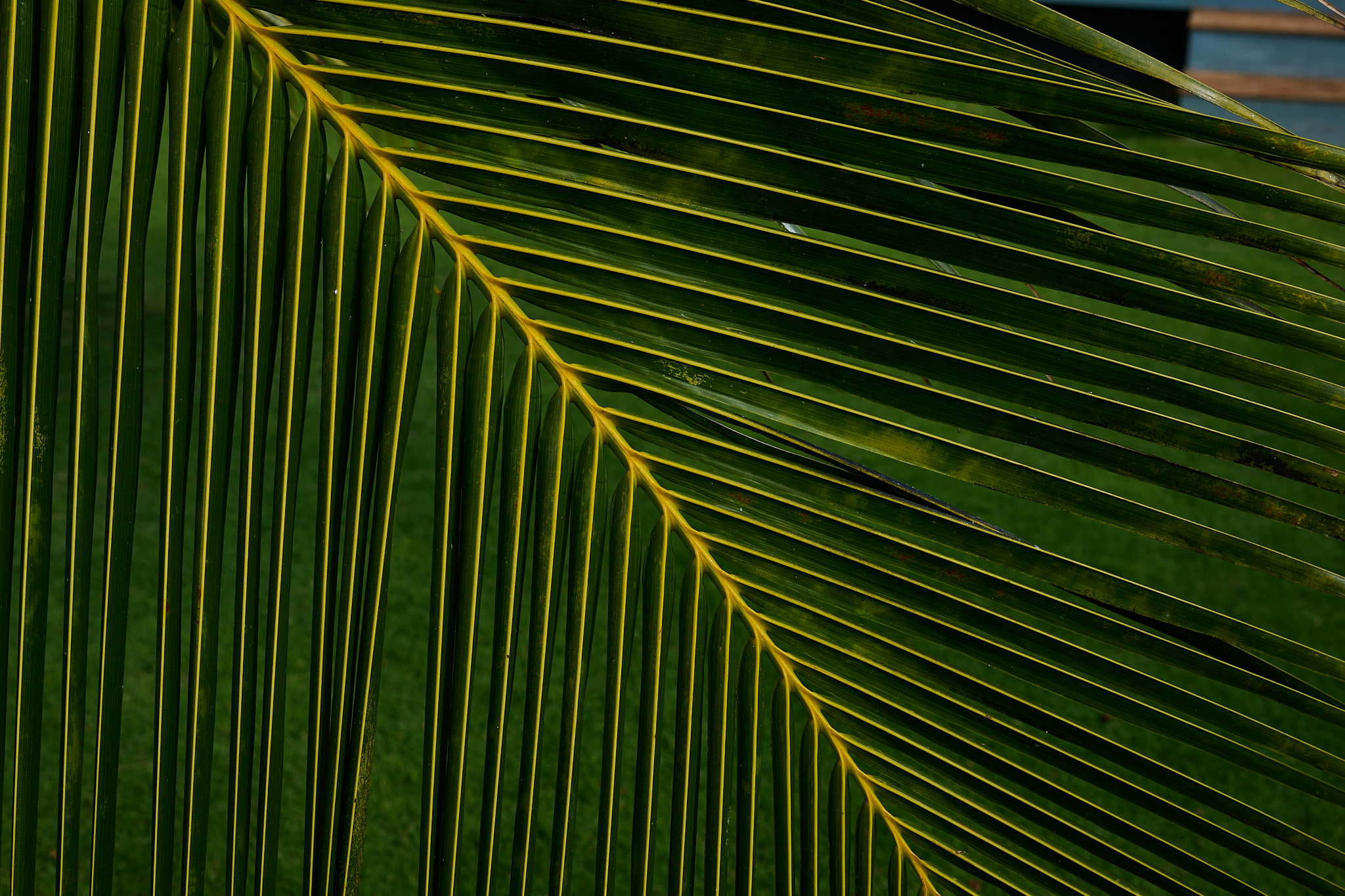
One of the three palm fan trees in the front yard.

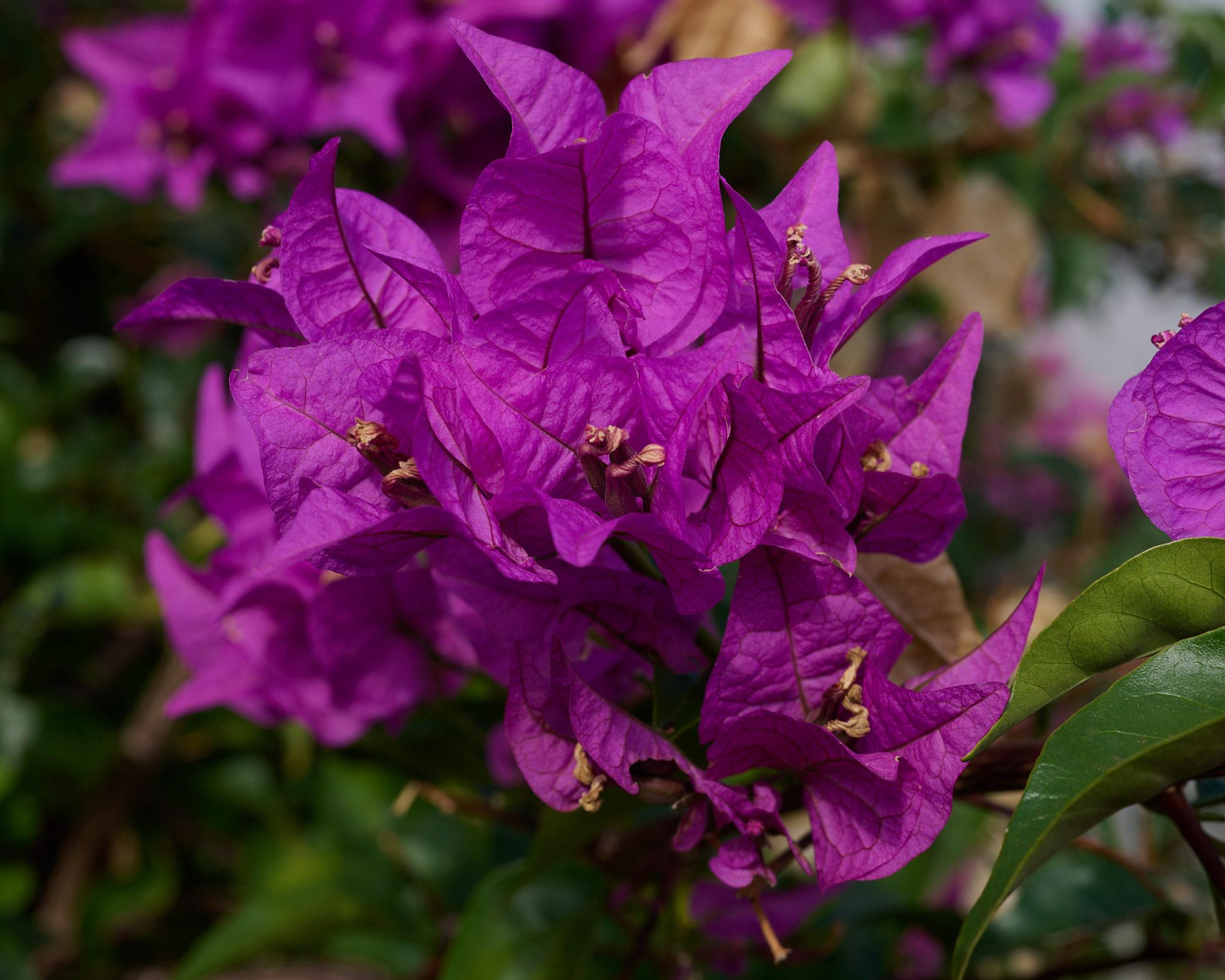
Magenta Bougainvillea on the StreetSide hedge.

Bougainvillea is native to eastern South America.  They thrive in Kauai’s tropical climate.

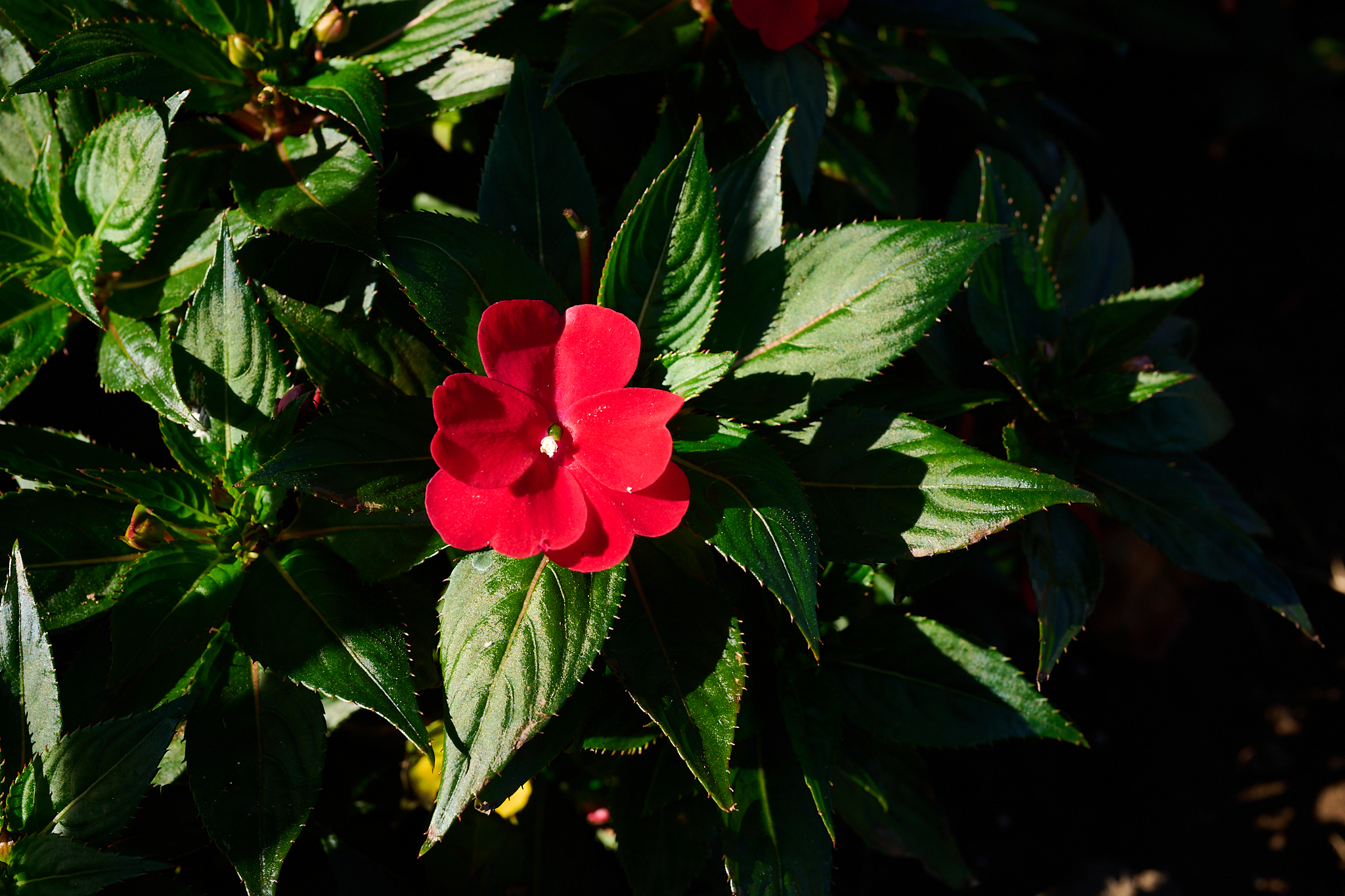
New Guinea Impatiens in the flower beds surrounding the house.

The New Guinea Impatiens is native to Papua New Guinea and the Solomon islands.  Linda selected these plants for the house.  They look magnificent.  The plants complement the Madagascar Periwinkle that recently appeared in the beds.  We have no idea how the MPs made the scene.

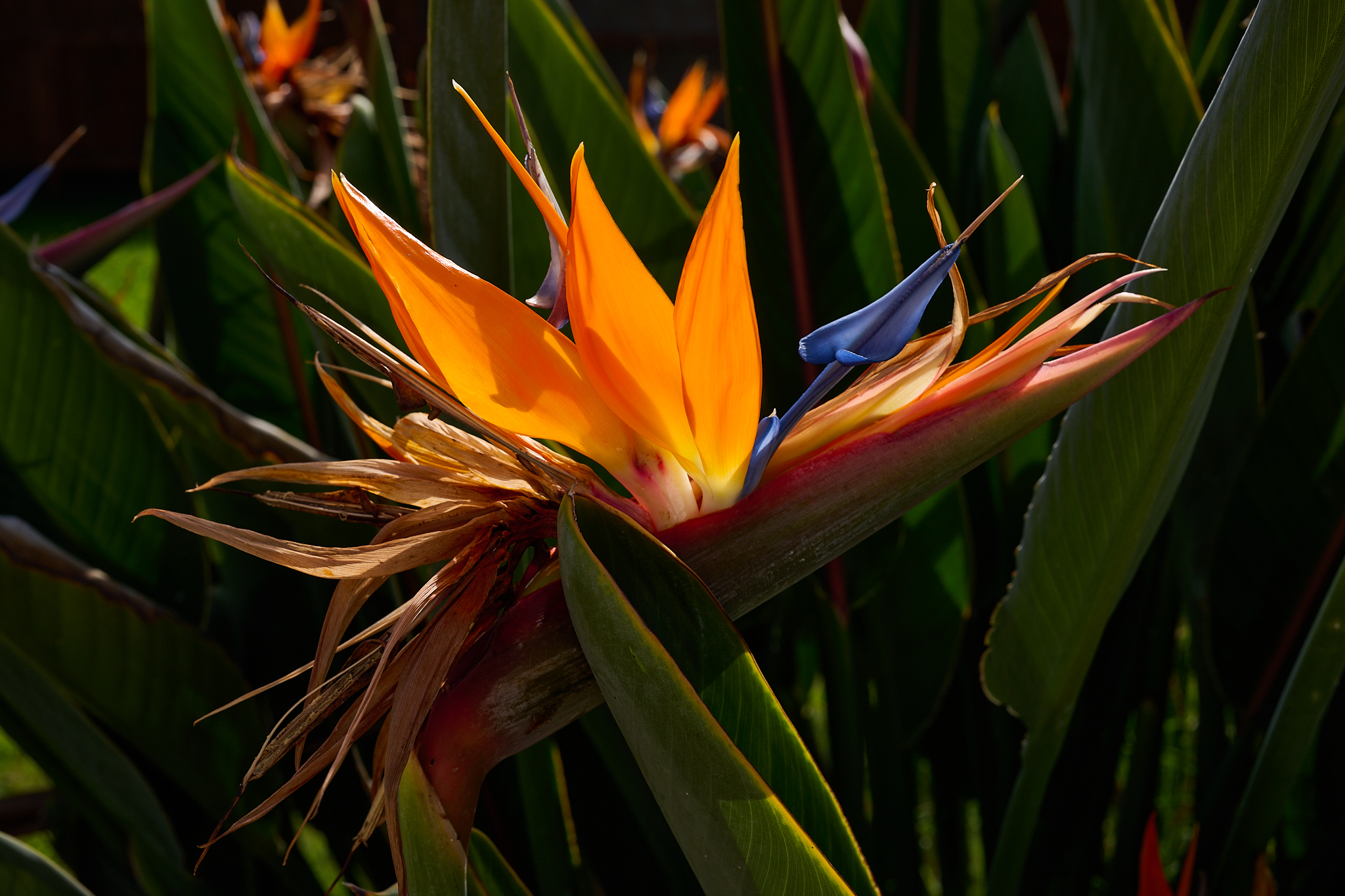
Bird of Paradise on the property line west of the house.

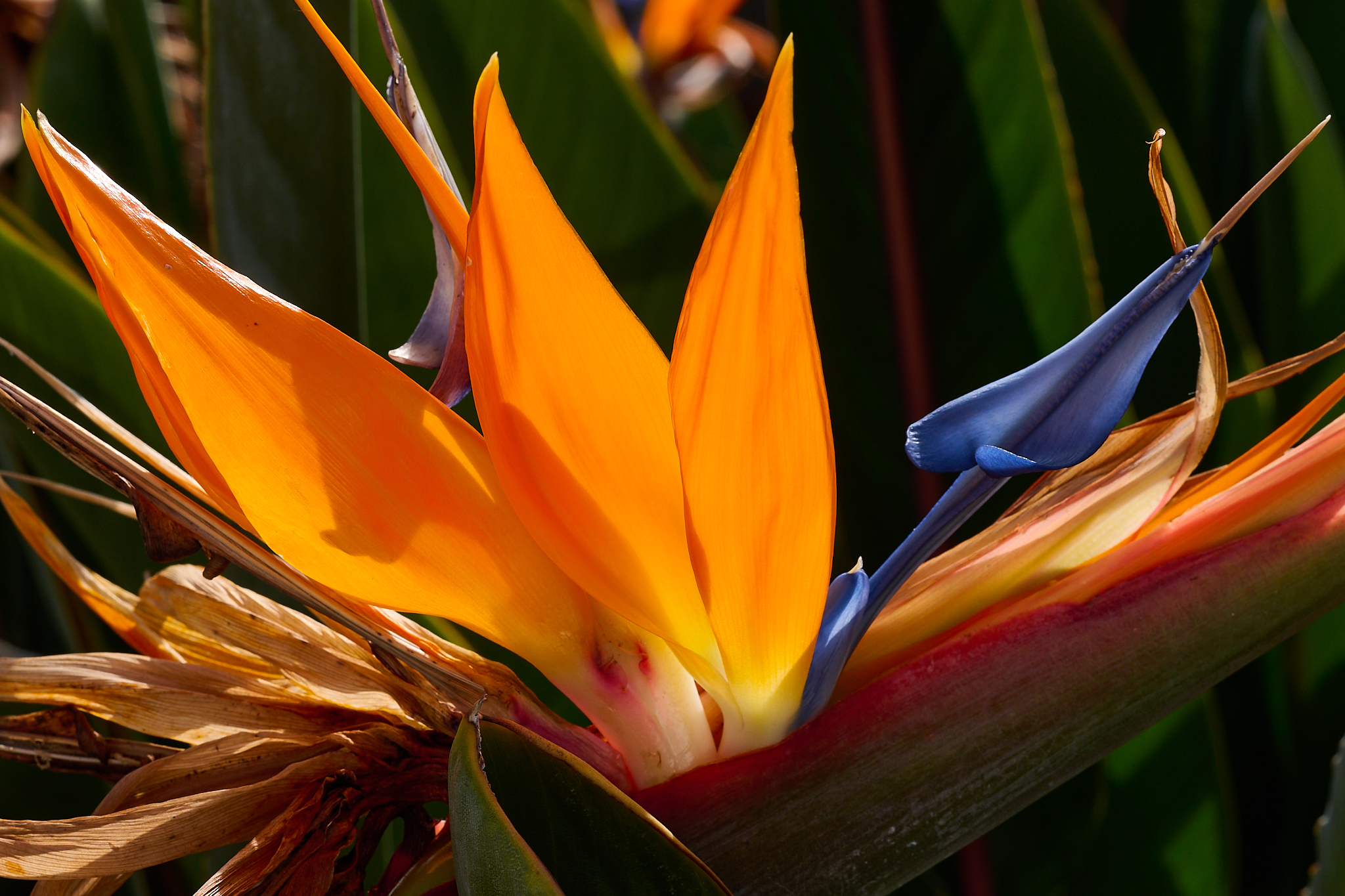
Closeup of the Bird of Paradise on the property line west of the house.


The Film Title is Appropriate – There will be a Wind and a Reckoning


The Wind and the Reckoning is an otherwise superb film.  It is worthy of you seeking out a watch.

I would characterize it as a Western (of Hawaiian ilk), that is a Thriller, that could double as Moving Landscape Art for all of its 93 minute run.

The storyline [sic] for all intents and purposes follows a true story – that of Ko‘olau and Pi‘ilani.  My guess is that John Ford. Anthony Man, and Serio Leone would give The Wind and The Reckoning a Thumbs Up.  I would say the same for the late (great) Roger Ebert.

The Wind and The Reckoning soars from some aspects outside of the cinematography.  Most notably, the use of native language, the acting, the screenplay, and finally, the direction.

Where English is used, English is spoken. Where the Kauai dialect of the Hawaiian language is spoken it is used with English Subtitles.  So Cool!

The Leads and supporting Actors in this film deliver in a big way.  All are believable in their performance.  Lindsay Scott Watson as Pi‘ilani controls the screen when present. Jason Scott Lee (Dragon the Bruce Lee Story, Back to the Future) as Ko‘olau is riveting. Note: I do not think I have used riveting in a film review before.

However, Johnathon Schaech (How to Make an American Quilt, That Thing You Do) as Marshall Hitchcock, and Henry Ian Cusick (Lost) as McCabe are scene stealers in performing their roles.

Director David Cunningham (Little House on the Prairie) with a short shooting calendar and tiny budget gets the most out of all the Actors.

I like the work of screenwriter John Fusco (Young Guns, Hidalgo, The Highwaymen).  Fusco could have attempted to over emphasize righting wrongs – the implication of which is this film would be stiff as a board. He has delivered a script that is essentially a character oriented thriller.  This is good news for the viewer.

*** Jeff’s Worthless Trivia and Other Thoughts ***

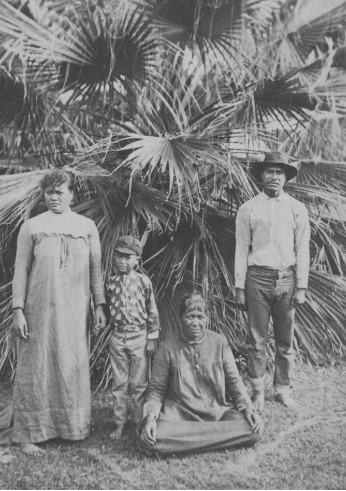
Photo Credit: Hawaiʻi State Archives Pictured is Kaluaikoʻolau (right) with wife Piʻilani (left) and their son, Kaleimanu. Sitting is Kaluaikoʻolau’s mother, Kukui Kaleimanu.

At ever so brief moments of time – especially at its start, The Wind and the Reckoning leans towards political correctness.  Luckily the film does not cross the line.  If it did, my guess is The Wind and the Reckoning would not age well.

In another lifetime, I was an executive at Universal Press Syndicate, and Andrews & McMeel which published the works of Roger Ebert.  In my opinion, Roger Ebert was a terrific person, and film reviewer.  He celebrated films like this one.

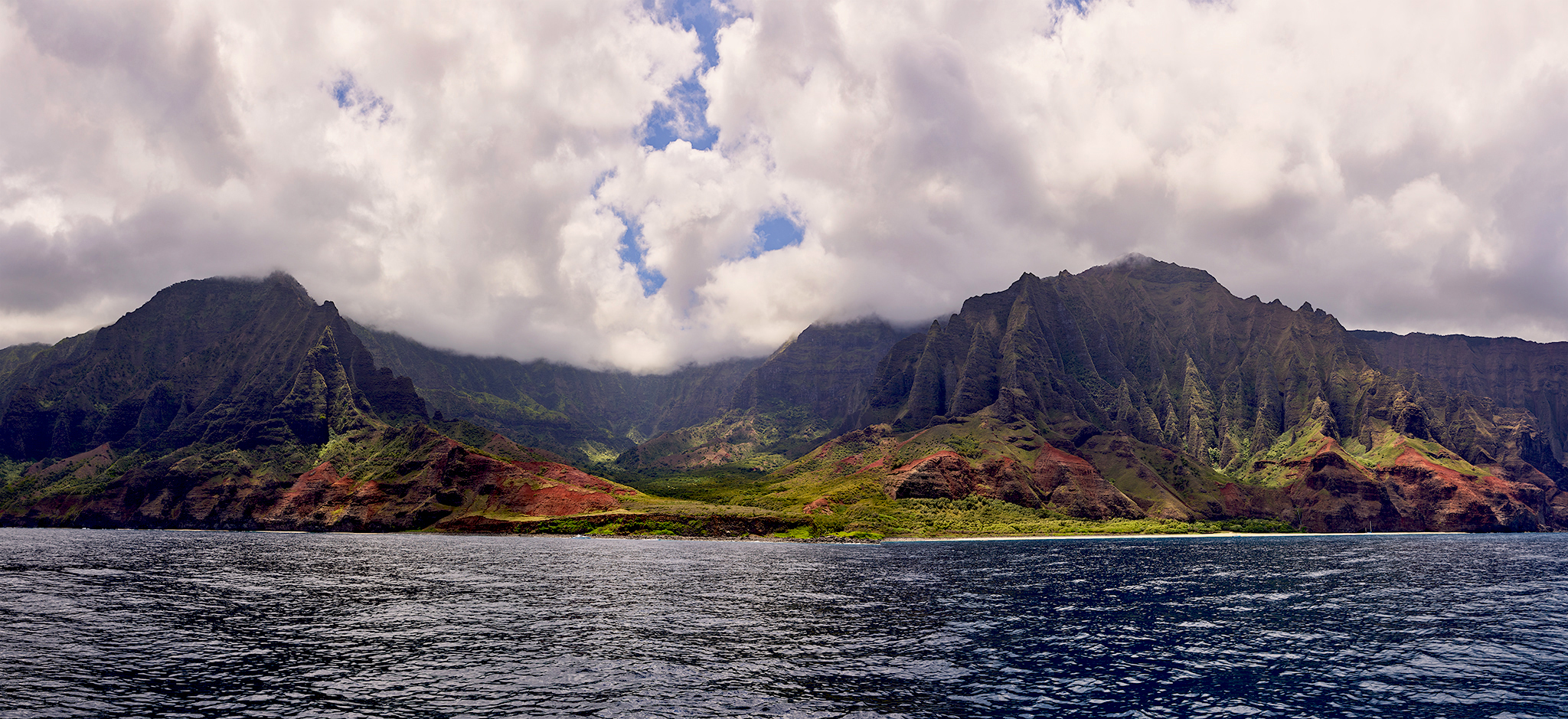
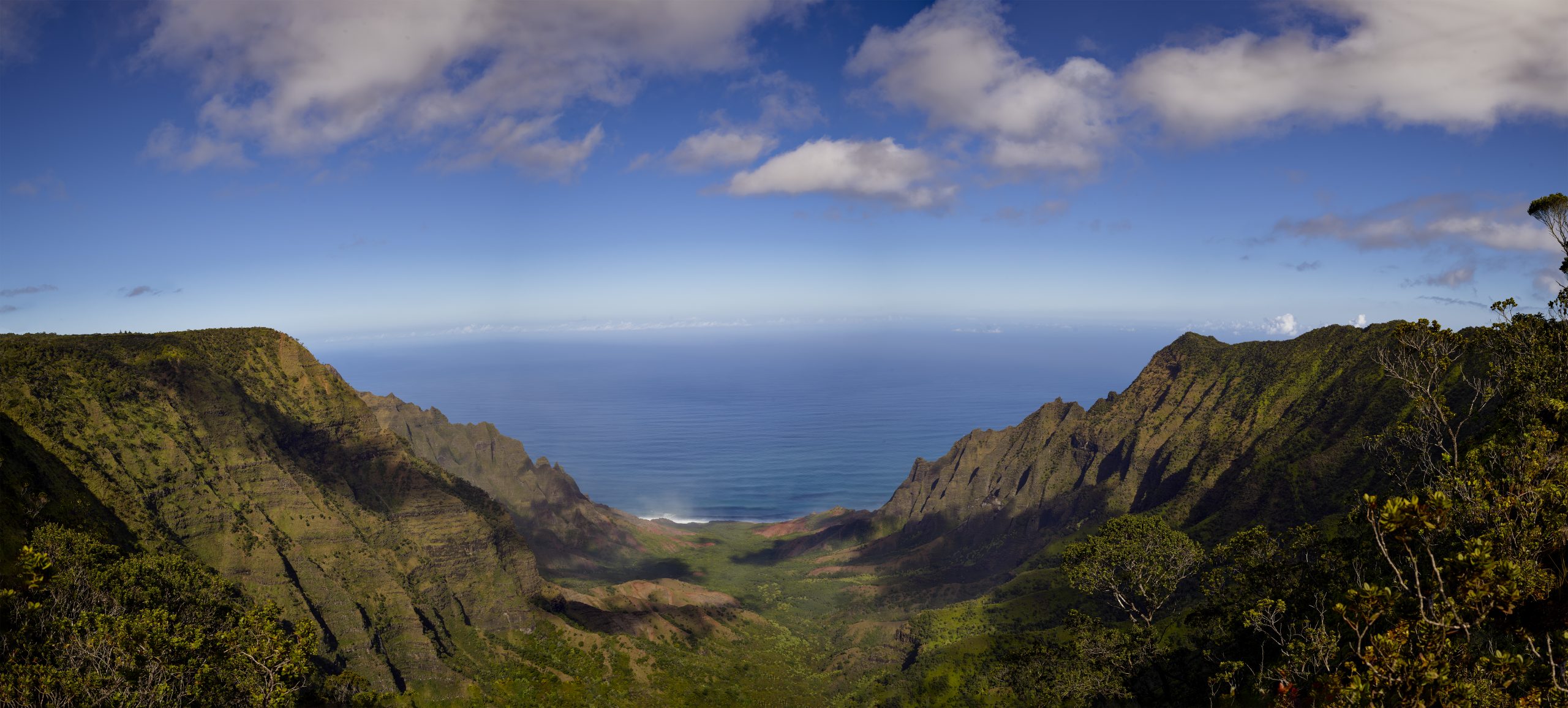
I live on Kauai. I spend a great deal of time hiking, scrambling, and boating where this film supposedly is set – Kauai, The Na Pali Coast, and the Kalalau Valley.  This area was sacred then (to the people of Hawaii) and is today (to the residents of Kauai).  For establishing shots, the Cathedral and the Kalalau Valley from the water appear to be utilized.  My understanding is Ohau’ was used for principle shooting.  I am a location and continuity knit picker.  However, I will cut the production some slack.

Clouds Gather on Sacred Ground © Jeffrey H. Lubeck – MESH Art LLC – all rights reserved.

Big Valley Big Waves – The Kalalau © Jeffrey H. Lubeck – MESH Art LLC – all rights reserved.